
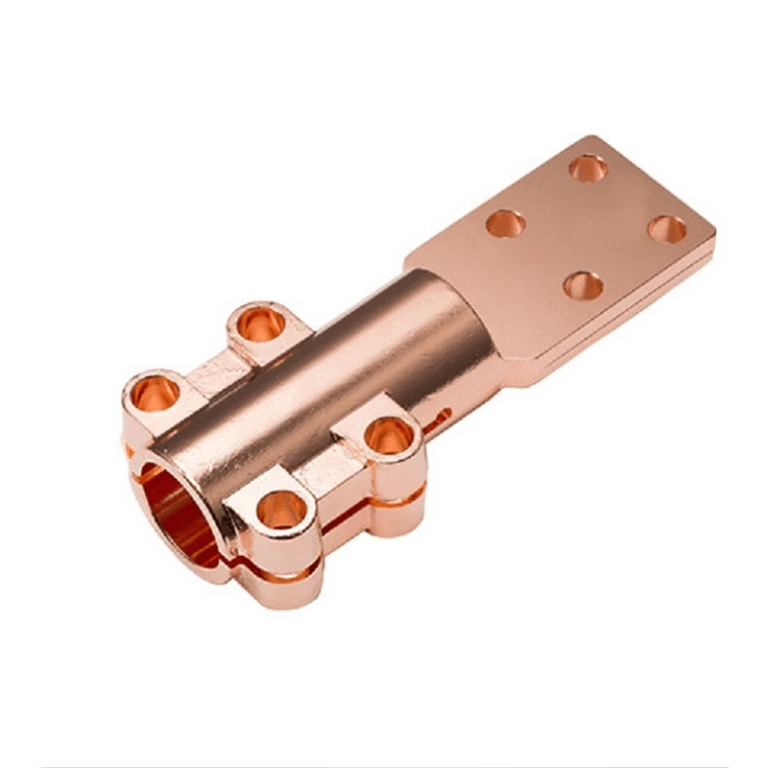
When it comes to manufacturing high-performance, complex, and durable components, Design CNC Alloy Machining Services stand as a cornerstone of modern industrial production. This process transcends simple part fabrication; it is a sophisticated synergy between advanced digital design, precision engineering, and the unique properties of metallic alloys. For engineers and product developers seeking to transform a conceptual design into a reliable, high-tolerance alloy component, understanding the full scope of these services is critical.
The Core Philosophy: From Digital Blueprint to Metallic Reality
At its heart, Design CNC Alloy Machining Services represent a seamless, integrated workflow. It begins not at the machine tool, but within a Computer-Aided Design (CAD) environment. Here, the part’s geometry, functional requirements, and assembly interfaces are meticulously defined. This digital model is then translated, via Computer-Aided Manufacturing (CAM) software, into a precise set of instructions (G-code) that dictates every movement of a CNC (Computer Numerical Control) machine. The “Design” prefix emphasizes that the service is consultative and collaborative, focusing on optimizing the part for manufacturability (DFM) from the very beginning, rather than merely executing a provided file.
This integrated approach is essential for tackling the challenges inherent in machining alloys—materials prized for their strength-to-weight ratios, corrosion resistance, and thermal properties, but which can be demanding to cut.
Navigating the Alloy Landscape: Material Selection Expertise
A premier Design CNC Alloy Machining Services provider acts as a material science consultant. The choice of alloy is a fundamental design decision that impacts performance, cost, and machinability.
Aluminum Alloys (e.g., 6061, 7075, 2024): The workhorses of the industry. 6061 offers excellent machinability and good strength for brackets, housings, and frames. 7075-T6, a high-strength aerospace alloy, is chosen for critical structural components but requires more careful machining strategies.
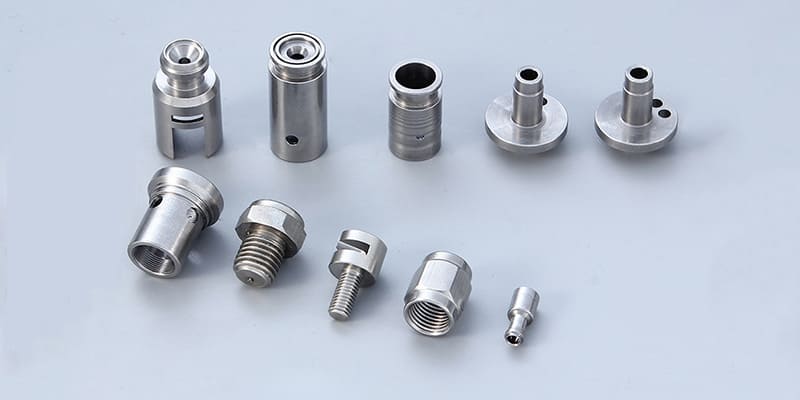
Stainless Steels (e.g., 304, 316, 17-4 PH): Selected for their corrosion resistance and strength. 304 is general-purpose, while 316 offers superior chemical resistance. Precipitation-hardening grades like 17-4 PH can be machined in a soft state and then heat-treated to achieve very high strength.
Titanium Alloys (e.g., Grade 5, Ti-6Al-4V): Essential for aerospace, medical implants, and high-performance automotive applications due to their exceptional strength, light weight, and biocompatibility. Their low thermal conductivity and tendency to work-harden make them among the most challenging materials to machine, demanding specialized tooling and techniques.
Magnesium Alloys: Extremely lightweight with good strength, often used in aerospace and racing applications. Their high flammability during machining necessitates strict safety protocols and expert handling.
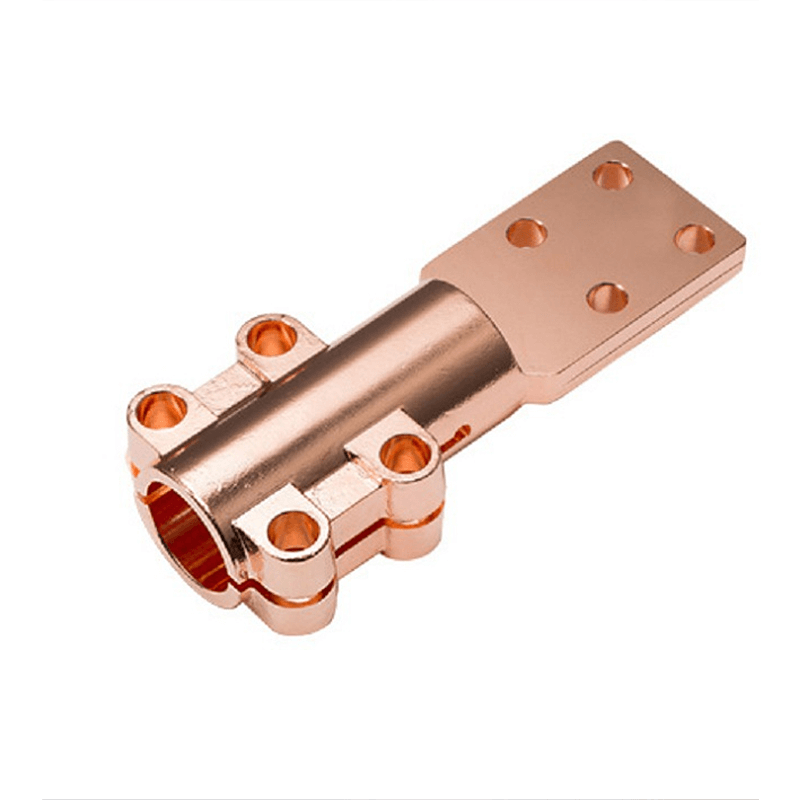
Copper Alloys (e.g., Brass, Bronze): Chosen for electrical conductivity, thermal conductivity, or wear resistance. Their soft, gummy nature can lead to built-up edge on cutting tools, requiring specific geometries and parameters.
A true service partner will guide you through this selection, balancing material properties against project budgets and machining considerations.
The Technological Arsenal: Beyond Basic Milling
While 3-axis CNC milling is foundational, complex alloy components often demand more advanced capabilities to reduce setups, improve accuracy, and machine intricate features.
5-Axis Simultaneous Machining: This is a game-changer for Design CNC Alloy Machining Services. It allows the cutting tool to approach the workpiece from virtually any direction in a single setup. This is indispensable for machining complex contours, deep cavities, undercuts, and angled features common in aerospace impellers, medical bone plates, or fluid dynamics components. It minimizes errors from multiple re-fixturing and dramatically reduces lead times.
High-Speed Machining (HSM): Particularly effective for aluminum and some steels, HSM uses high spindle speeds, fast feed rates, and low radial depths of cut. This technique produces excellent surface finishes, reduces thermal distortion, and allows for the machining of thin-walled features in alloys.
Turning and Mill-Turn Centers: For parts with rotational symmetry, CNC lathes or advanced mill-turn centers that combine milling and turning operations are used. This is ideal for producing shafts, fittings, and nozzles from alloy bar stock in one efficient setup.
The Integral Role of Design for Manufacturability (DFM)
This is where “Design” services prove their value. Early collaboration can identify potential machining issues and optimize the part for cost-effective production. Key DFM considerations for alloys include:
Internal Radii: Ensuring corner radii are equal to or larger than the available cutting tool radii.
Wall Thickness: Maintaining uniform and adequate wall thickness to prevent vibration and distortion during machining, especially in thin-walled aluminum parts.
Deep Cavities: Designing with consideration for tool reach and the need for extended or tapered tooling.
Tolerances: Specifying realistic, functional tolerances. Over-tolerancing (e.g., demanding ±0.0005″ on a non-critical feature) exponentially increases cost due to required inspection time and slower machining.
Surface Finish Specifications: Defining necessary finishes (e.g., Ra 32 µin, Ra 16 µin) and identifying which surfaces truly require them, as finer finishes require additional passes and time.
Post-Processing and Finishing: The Final Touch
A comprehensive service doesn’t end at the machine. Alloy parts often require secondary operations to meet final specifications:
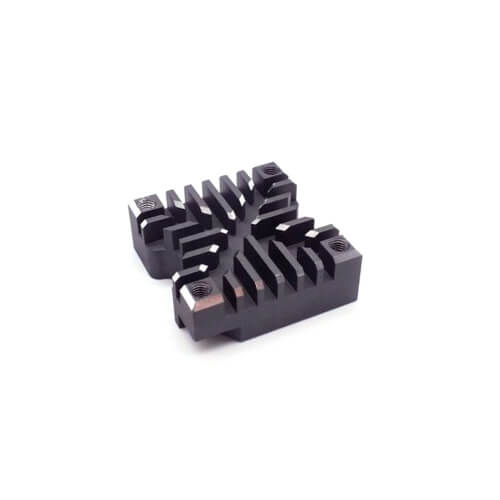
Deburring: Removing sharp edges and microscopic burrs left from cutting.
Heat Treatment: For alloys like 7075 aluminum or 17-4 PH stainless steel to achieve desired hardness and strength properties.
Surface Finishing: Anodizing (for aluminum), passivation (for stainless steel), plating, or powder coating for corrosion resistance and appearance.
Precision Grinding: To achieve ultra-tight tolerances or superior surface finishes on critical datum surfaces.
Why Partner with a Specialist like GreatLight CNC Machining Factory
Selecting a provider for Design CNC Alloy Machining Services is a strategic decision. The complexity demands a partner with deep technical reservoirs and robust quality systems. A manufacturer such as GreatLight CNC Machining Factory exemplifies the capabilities required.
With a foundation built on advanced multi-axis CNC technology and a focus on solving complex manufacturing challenges, they operate within a framework of stringent international standards. Their adherence to ISO 9001:2015 for quality management, ISO 13485 for medical device production, and IATF 16949 for automotive applications provides a structured, process-driven approach to quality that is essential for critical alloy components. This is complemented by in-house metrology equipment to validate that every dimension and finish meets the rigorous demands of the design.
Their expertise spans the entire process—from initial DFM consultation on your alloy part, through precision machining on state-of-the-art 5-axis equipment, to a full suite of post-processing finishes. This vertical integration ensures accountability, accelerates timelines, and provides a single point of contact for projects where material integrity and precision are non-negotiable, whether for aerospace actuators, automotive engine prototypes, or advanced robotics.
Conclusion: A Strategic Imperative for Innovation
In summary, Design CNC Alloy Machining Services are far more than a commodity cutting service. They are a collaborative engineering discipline that merges material science, precision mechanics, and digital design intelligence. For projects where performance, weight, and reliability are paramount, partnering with a certified, technologically adept manufacturer is not just an option—it is a fundamental requirement for success. It ensures that the inherent advantages of advanced alloys are fully realized in a component that is not only precisely made but also optimally designed for manufacture from the outset. Engaging with a partner like GreatLight CNC Machining Factory provides the assurance that your design intent will be faithfully and expertly translated into a high-performance alloy reality.



















