
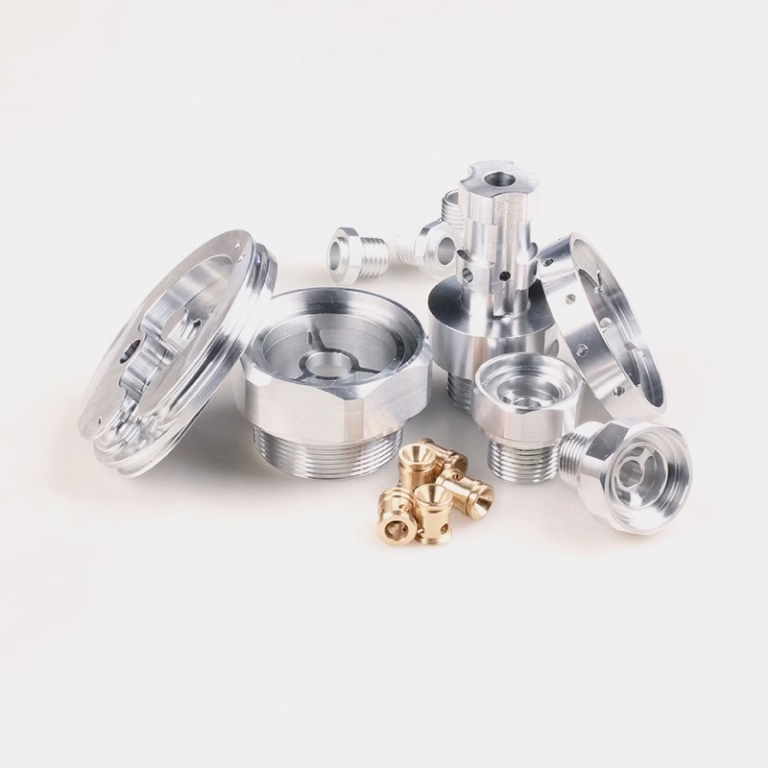
In the realm of modern furniture manufacturing, the pursuit of intricate design, flawless repeatability, and efficient production has led to a technological revolution. At the forefront of this transformation is the integration of CNC (Computer Numerical Control) technology into woodworking. While metal machining often dominates the conversation around CNC, the application of CNC wood cutting machine services is equally sophisticated and critical for creating the high-quality, complex furniture pieces demanded by today’s market. For manufacturers looking to bridge the gap between ambitious design and manufacturable reality, partnering with a capable machining service provider is not just an option—it’s a strategic imperative.
H2: Demystifying CNC Wood Cutting: Beyond Basic Carving
A common misconception is that CNC for wood is merely for simple routing or sign-making. In reality, modern CNC wood cutting machine services encompass a vast array of high-precision operations that are fundamental to advanced furniture production:
Precision Profiling and Cutting: This is the core function. CNC routers can cut complex shapes, curves, and joints (like dovetails, box joints, or mortise and tenon) with tolerances often within ±0.1mm, ensuring perfect fit and assembly every time. This eliminates human error and material waste associated with manual template use.
3D Contouring and Relief Carving: For decorative panels, ornate legs, or sculptural elements, 3-axis and even 5-axis CNC machines can sculpt intricate three-dimensional reliefs from solid wood or panels, achieving a level of detail and consistency impossible by hand.
Drilling and Boring: CNC machines automate the drilling of dowel holes, shelf pin holes, and hardware mounting points with precise depth and location, critical for modular and flat-pack furniture systems.
Engraving and Inlay Work: They allow for precise engraving of serial numbers, logos, or decorative patterns, as well as machining pockets for flawless wood or resin inlays.
Panel Processing: For cabinet and wardrobe manufacturing, CNC machines are indispensable for efficiently cutting large sheets of plywood, MDF, or particle board (optimizing material use with nesting software), while simultaneously applying edge-banding profiles or machining grooves for joinery.
H2: The Tangible Benefits for Furniture Manufacturers
Adopting professional CNC wood cutting machine services delivers a compelling return on investment across several dimensions:
Unmatched Design Freedom: Complex, organic shapes and precise geometric patterns are no longer cost-prohibitive. Designers are liberated from the constraints of traditional manufacturing, enabling true innovation.
Superior Consistency and Quality: Every piece in a production run is identical. This consistency is paramount for brand reputation, customer satisfaction, and the seamless assembly of multi-component furniture.
Dramatically Reduced Lead Times: Once the digital file is programmed, production is rapid and automated. What might take days for a skilled artisan can be accomplished in hours, accelerating time-to-market.
Optimized Material Utilization: Advanced nesting software calculates the most efficient arrangement of parts on a raw sheet, minimizing waste and reducing material costs—a significant factor given the price of quality hardwoods and engineered panels.
Scalability: The same process and program used for a prototype can be instantly scaled for small-batch or medium-volume production, providing incredible flexibility to respond to market demand.
H2: Critical Considerations When Choosing a Service Partner
Not all machine shops are created equal, especially when the material shifts from aluminum to walnut or oak. Selecting the right partner for your CNC wood cutting machine services requires careful evaluation beyond just the price quote.
H3: Technical Capabilities and Equipment
Machine Type and Size: Does the provider have large-format CNC routers capable of handling full 4’x8′ sheets or thick solid wood slabs? Do they offer 5-axis capabilities for true 3D sculpting?
Tooling and Expertise: Wood machining requires specific tool geometries, spindle speeds, and feed rates to prevent burning, tear-out, or chipping, especially on veneered materials or cross-grain cuts. Expertise in toolpath strategy is crucial.
Dust Management: Proper extraction is vital for finish quality, machine longevity, and a clean working environment. A professional setup will have an industrial dust collection system.
H3: Material Knowledge and Sourcing
A superior partner doesn’t just cut; they advise. They should possess deep knowledge of different wood species’ machining characteristics (e.g., the brittleness of some exotics, the gumminess of pine), recommended finishes, and can often assist with or directly source certified, high-quality lumber or engineered panels.
H3: Software and File Compatibility
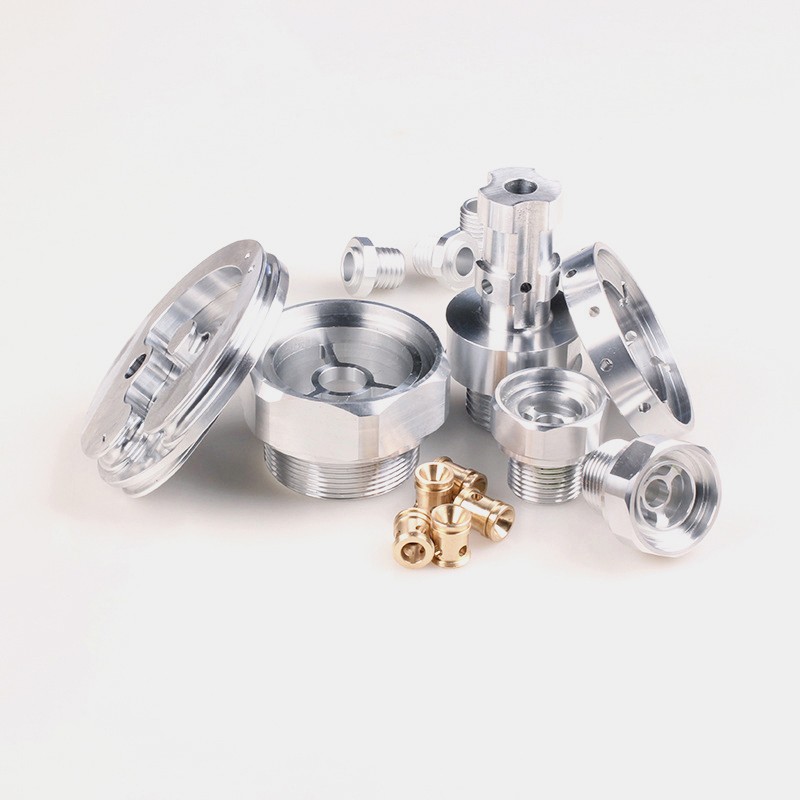
Seamless collaboration hinges on digital workflow. Ensure the service provider can work with your standard design files (e.g., .DXF, .DWG, .STEP, or .IGES) and has the CAM (Computer-Aided Manufacturing) software expertise to translate your design into an efficient, error-free machining program.
H3: Secondary Services and Finish
The best partners offer a true one-stop solution. Look for additional services that add value:
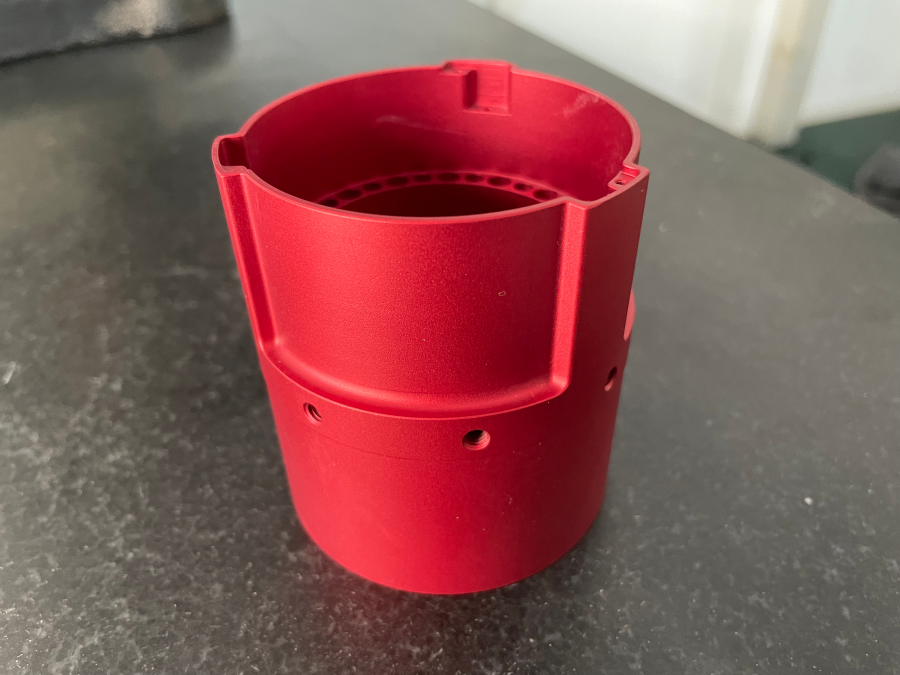
Sanding and Preparation: CNC-machined parts often require skilled hand-sanding or automated sanding to prepare surfaces for finishing.
Assembly and Joinery: Some providers can pre-assemble complex sub-components.
Finishing: Partnerships with professional finishers or in-house finishing capabilities for staining, sealing, or lacquering can streamline the entire process from block to finished product.
H2: Why a Metal-Focused Precision Machinist Excels in Wood
This may seem counterintuitive, but a precision machine shop with roots in high-tolerance metalwork, such as GreatLight CNC Machining Factory, brings a unique and powerful advantage to CNC wood cutting machine services. The rigorous standards and technological discipline from metal machining translate exceptionally well:
Extreme Precision Mindset: When a factory routinely holds tolerances of ±0.001mm for aerospace components, achieving ±0.1mm for wood joinery is approached with ingrained discipline and superior machine calibration. This results in furniture with flawless fit and a premium feel.
Advanced Multi-Axis Technology: Facilities equipped with 5-axis CNC machining centers for complex metal geometries can apply that same capability to wood, enabling the creation of stunning, undercut, and compound-angle features that push the boundaries of furniture design.
Systemic Quality Management: An ISO 9001:2015 certified environment, like that at GreatLight CNC Machining Factory, ensures process control, documentation, and traceability. This systematic approach brings reliability and professionalism to every wood project, ensuring on-time delivery and consistent quality.
Holistic Engineering Support: The experience in solving structural and functional challenges in metal parts translates to a deeper understanding of furniture joinery strength, stress points, and the integration of metal hardware (like brackets or inserts) into wood components.
H2: The Collaborative Workflow: From Concept to Finished Furniture
Engaging with a professional service typically follows a streamlined path:
Design Consultation: Sharing your concepts, sketches, or 3D models to discuss feasibility, optimal machining strategies, and material choices.
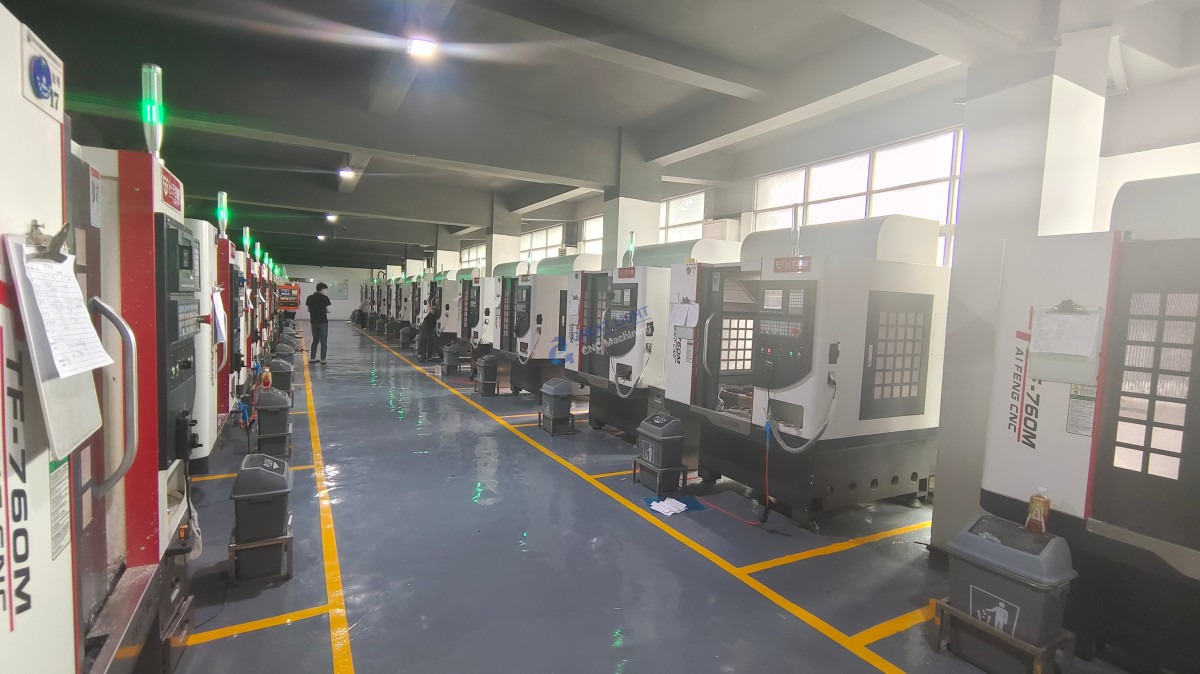
Engineering & Programming: The service provider’s engineers prepare the CAD/CAM files, select tooling, and simulate the machining process to prevent errors.
Material Selection & Procurement: Sourcing the specified wood species or panels, often with guidance from the machinist.
Precision Machining: The automated CNC process executes the cutting, carving, and drilling with high precision.
Post-Processing & Finishing: Parts are sanded, assembled (if required), and finished according to specifications.
Quality Inspection & Delivery: Final parts are inspected against drawings and quality standards before being carefully packaged and shipped.
Conclusion
In the competitive landscape of furniture manufacturing, leveraging professional CNC wood cutting machine services is a decisive step towards achieving design excellence, operational efficiency, and product quality. It represents the smart integration of digital design with automated, precision craftsmanship. For those seeking a partner that combines the artistic sensitivity required for wood with the relentless precision of advanced manufacturing, looking towards established precision machining specialists offers a compelling pathway. By choosing a partner with a proven track record in high-stakes manufacturing, such as the capabilities honed at facilities like GreatLight CNC Machining Factory, furniture brands can ensure their most innovative designs are realized not just as prototypes, but as flawlessly produced, market-ready pieces. To explore how such technical partnerships are shaping the future of manufacturing, one can look to industry leaders on platforms like LinkedIn.



















