
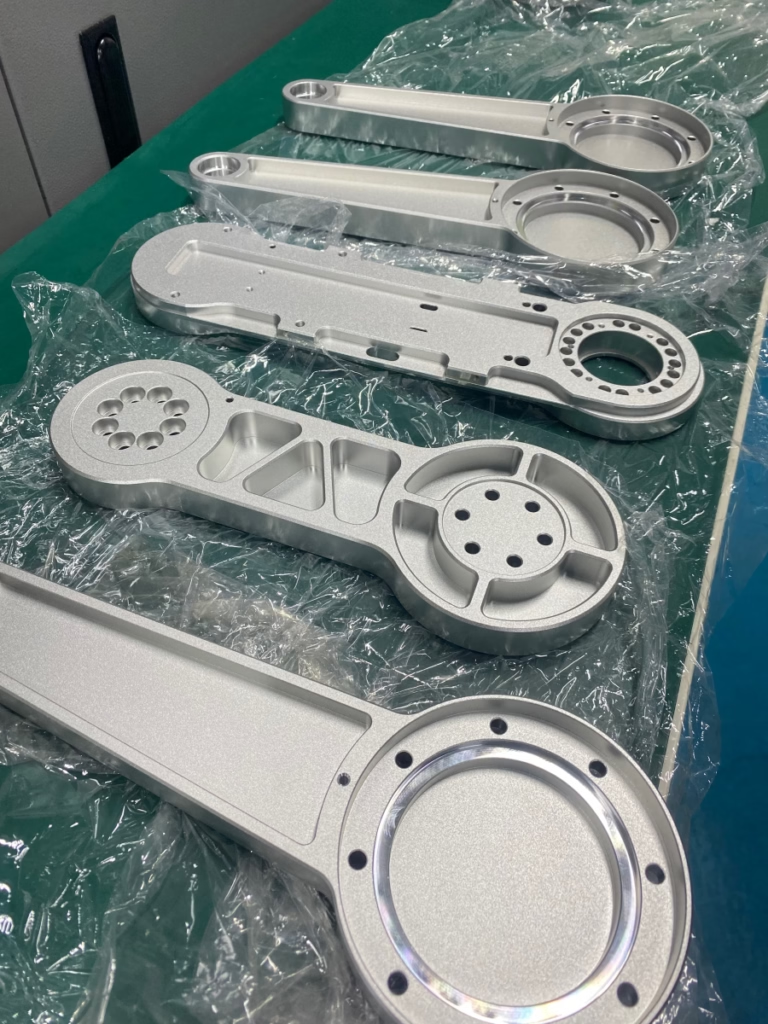
In the realm of modern manufacturing, the demand for high-precision, complex, and reliable components is ubiquitous. From the intricate internals of aerospace actuators to the robust yet detailed parts of automotive engines and the sophisticated joints of humanoid robots, the common denominator is a need for manufacturing excellence. This is where professional CNC machine cutting services transition from a supporting role to the very backbone of production. As a manufacturing engineer with years of hands-on experience navigating the complexities of precision parts fabrication, I aim to dissect the core value, technical nuances, and selection criteria for these critical services.
At its essence, CNC machine cutting services encompass a suite of subtractive manufacturing processes where computer numerical control dictates the movement of cutting tools to remove material from a solid block (workpiece), shaping it into a final part. While the term “cutting” is often used broadly, it precisely refers to operations like milling, turning, drilling, and grinding, all executed with unparalleled accuracy and repeatability.
The Technical Pillars of Advanced CNC Cutting
Moving beyond basic three-axis machining, the true potential of CNC machine cutting services is unlocked with multi-axis capabilities and sophisticated programming.
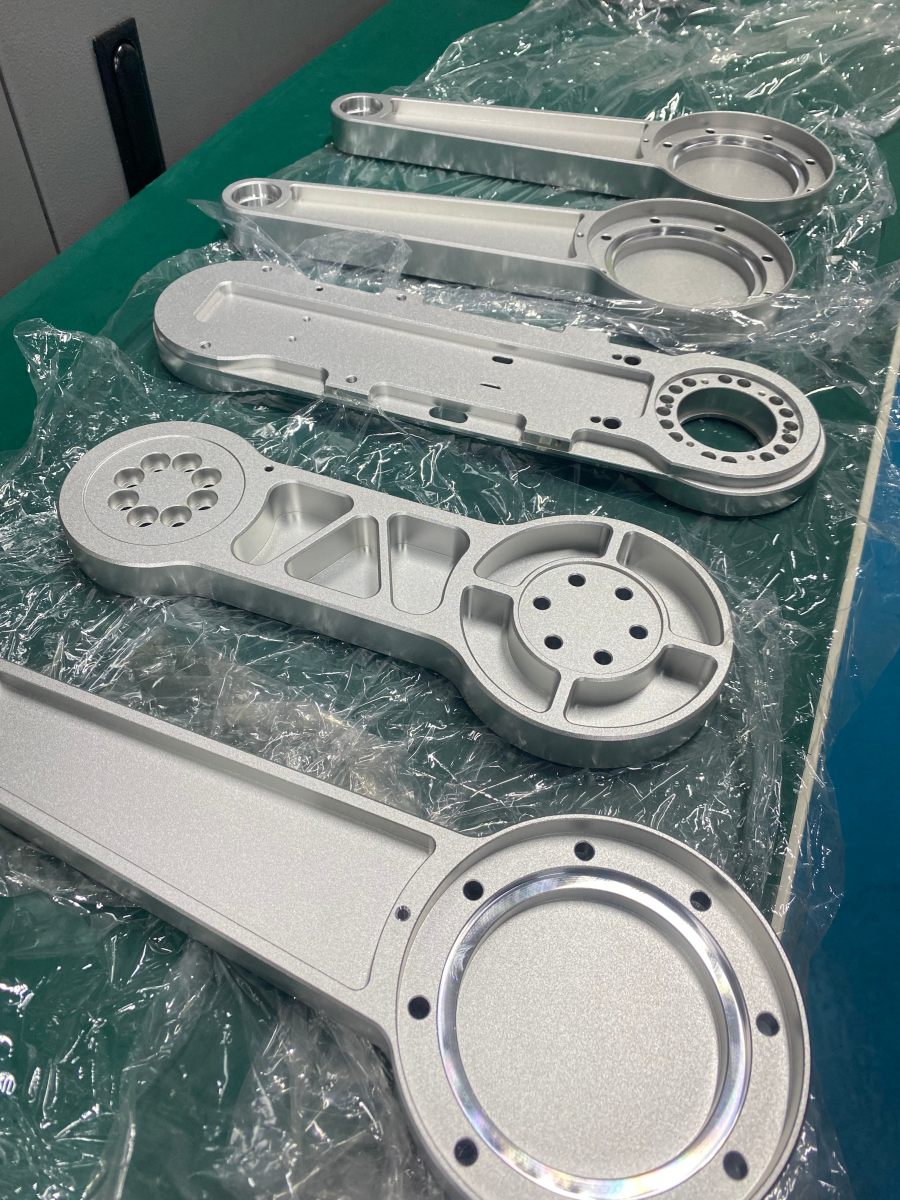
Multi-Axis Machining (3+ Axis): While 3-axis CNC is excellent for prismatic parts, complexity demands more. 4-axis adds rotation, allowing machining around a part. 5-axis CNC machining represents the pinnacle, enabling simultaneous movement along five different axes. This allows the cutting tool to approach the workpiece from virtually any direction in a single setup. The benefits are profound: the ability to machine highly complex, organic geometries (common in aerospace and medical implants), drastically reduced setup times, improved surface finishes, and enhanced accuracy by minimizing cumulative errors from multiple fixturing.
Precision and Tolerance: High-end services distinguish themselves through their commitment to extreme precision. We’re talking about capabilities that consistently hold tolerances within ±0.025mm (±0.001 inch) as standard, with specialized processes pushing into the micron range (±0.005mm or 0.0002 inch). This is non-negotiable for parts that must mate perfectly in assemblies or function in high-stress, high-precision environments.
Material Mastery: A proficient service provider isn’t limited to one material. True expertise is demonstrated in machining a vast portfolio, from various aluminum and stainless-steel alloys (e.g., 6061, 7075, 304, 316) to challenging exotics like titanium (Ti-6Al-4V), Inconel, and high-performance plastics like PEEK and Ultem. Each material requires specific tooling, cutting speeds, feeds, and cooling strategies to prevent work hardening, tool wear, or thermal deformation.
Integrated Post-Processing: CNC machine cutting services are rarely the final step. A comprehensive provider offers a seamless transition to finishing. This includes:
Deburring and Edge Breaking: Removing sharp edges for safety and function.
Surface Finishing: Bead blasting, polishing, anodizing (for aluminum), plating, passivation (for stainless steel), and painting.
Heat Treatment: Processes like annealing, quenching and tempering, or solution treating to achieve desired material properties.
Non-Destructive Testing (NDT) and Precision Inspection: Using Coordinate Measuring Machines (CMM), optical scanners, and other tools to verify dimensional accuracy and internal integrity.
Why Partner with a Specialist for Your CNC Machine Cutting Services?
The decision to outsource CNC machine cutting services is strategic. Here’s what a dedicated partner brings to the table:
Capital Efficiency: Eliminates the massive capital outlay for purchasing, maintaining, and upgrading advanced CNC equipment, as well as the cost of skilled programming and operator personnel.
Scalability and Speed: Specialized factories are built for rapid turnaround. They can scale production up or down quickly, accommodating prototype runs, low-volume batches, or full-scale production without lead-time penalties.
Risk Mitigation: Expertise in Design for Manufacturability (DFM) is invaluable. A good partner will analyze your design early, suggesting modifications that enhance manufacturability, reduce cost, and improve part strength without compromising function.
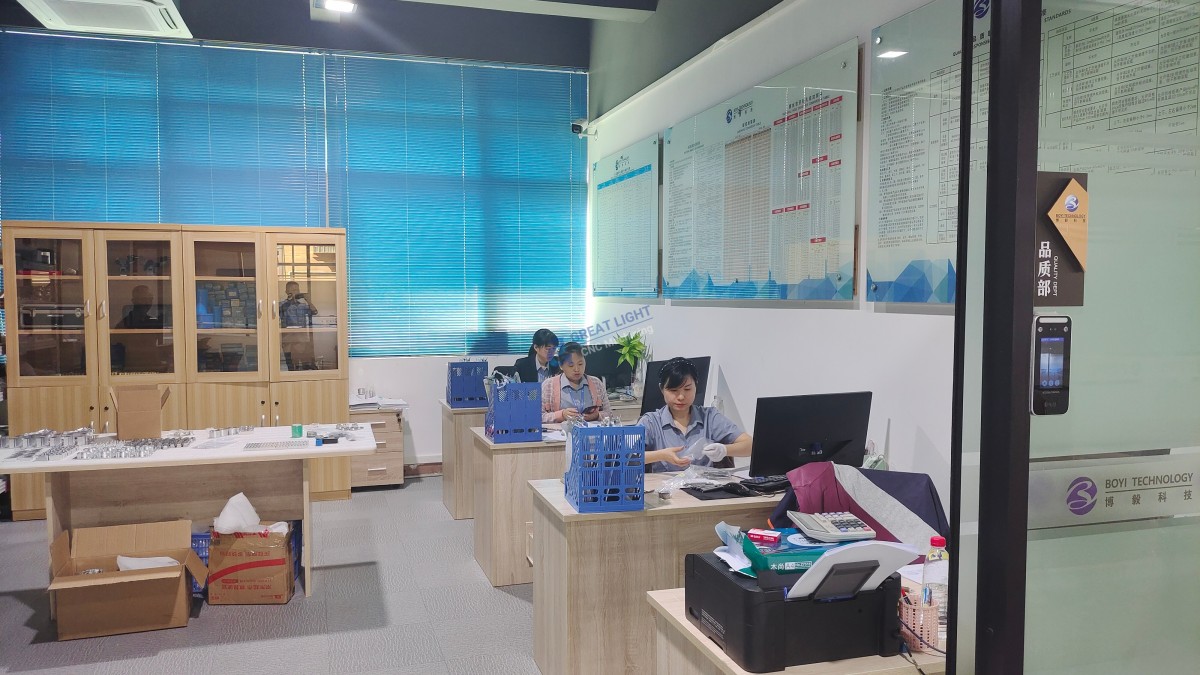
Certified Quality Assurance: For industries like medical, automotive, and aerospace, certifications are not just badges—they are mandatory. Look for partners with robust Quality Management Systems (QMS) certified under standards like ISO 9001:2015. For specific sectors, ISO 13485 for medical devices and IATF 16949 for automotive are critical indicators of a controlled, process-oriented, and compliant manufacturing environment.
Navigating the Selection Process: Key Questions to Ask
When evaluating potential providers for your CNC machine cutting services, move beyond basic quotes. Engage in a technical dialogue:
What is your core machining capability? Do you primarily offer 3-axis, or do you have in-house 4-axis and 5-axis CNC machining centers for complex geometries?
What is your typical and best-case tolerance capability? Ask for examples from past projects.
How do you handle DFM feedback? Request a sample DFM report.
What is your material inventory and sourcing process? Can you provide material certifications?
What quality certifications do you hold, and what in-house inspection equipment do you use? (E.g., CMM, optical comparators, surface roughness testers).
What is your process for protecting intellectual property (IP)? Providers adhering to standards like ISO 27001 take data security seriously.
The Integrated Manufacturing Solution: A Case for Comprehensive Partners
In today’s fast-paced development cycles, the ability to handle not just machining but the entire journey from digital model to finished part is a significant advantage. This is where entities that combine extensive CNC machine cutting services with additive manufacturing (3D printing) and rapid tooling create immense value.
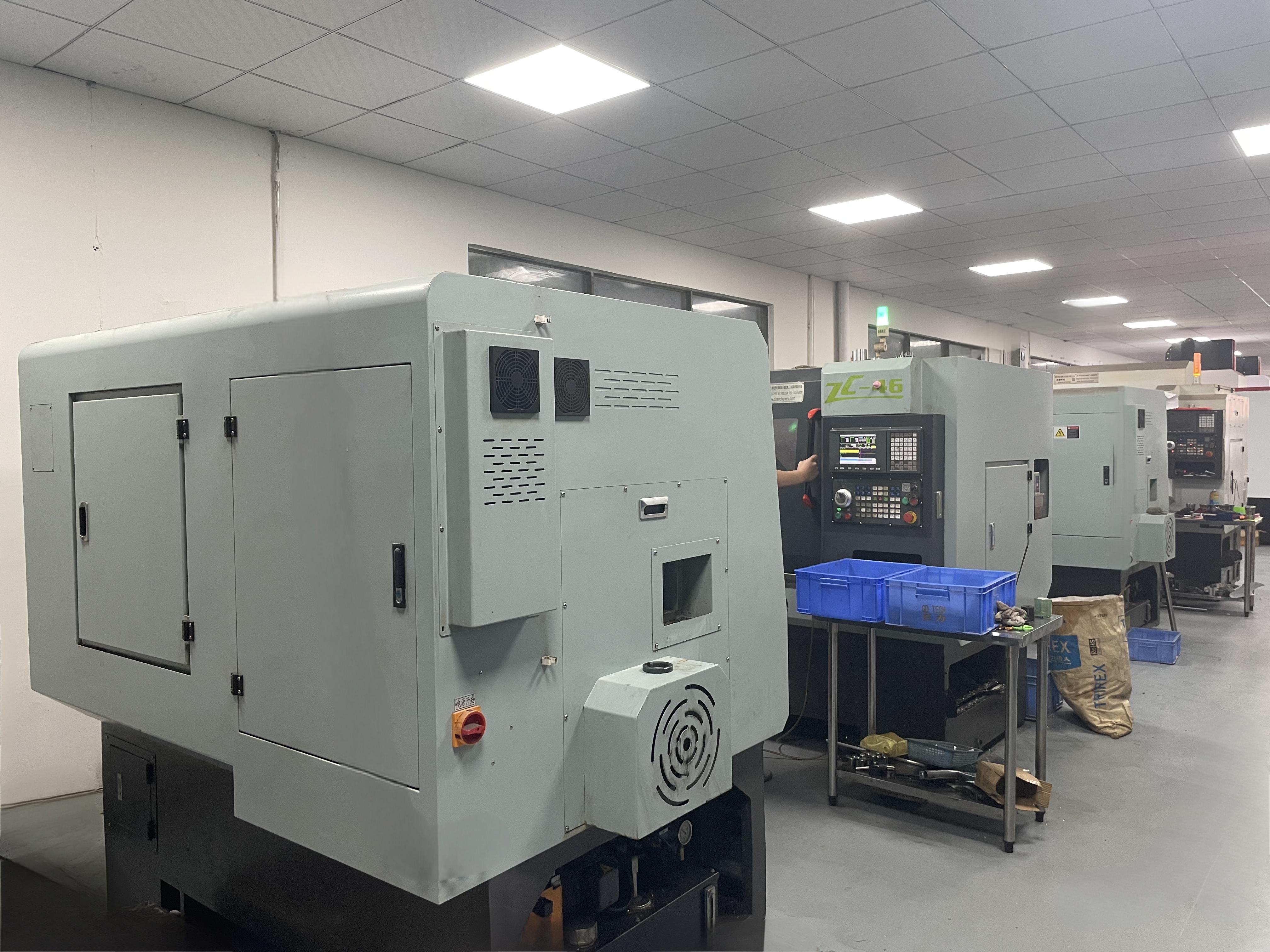
Consider a scenario: A prototype for a new engine component requires iterative testing. A 5-axis CNC machining center can produce a high-precision, functional prototype from the final intended material (e.g., aluminum or steel) for rigorous testing. Concurrently, vacuum casting or SLS 3D printing might be used for non-critical housing components. For later stages, the same team can design and fabricate the die-casting mold for high-volume production. This vertical integration, housed within a facility like GreatLight CNC Machining Factory, which operates three dedicated plants with over 120 pieces of precision equipment—including multi-axis CNC centers, EDM, grinders, and various 3D printers—exemplifies this one-stop-shop capability. It ensures consistency, reduces logistical friction, and accelerates time-to-market.
Conclusion: Precision as a Strategic Imperative
CNC machine cutting services are far more than a commodity; they are a critical enabler of innovation and quality. The choice of a manufacturing partner directly impacts the performance, reliability, and cost of your end product. By prioritizing technical capability, material expertise, rigorous quality systems, and a collaborative approach to DFM, you secure not just a supplier, but a strategic extension of your engineering team. In a world where precision defines performance, investing in the right CNC machine cutting services is the most decisive step you can take from concept to reality. For projects demanding the highest levels of complexity and accuracy, seeking out specialists with proven 5-axis CNC machining expertise and a full suite of post-processing options, such as the integrated solutions offered by GreatLight CNC Machining Factory, is often the most reliable path to success.



















