
In the intricate ecosystem of modern manufacturing, the decision to outsource CNC machining is a strategic pivot that can unlock significant value—or introduce unforeseen complexities. For businesses ranging from agile startups to established OEMs, the choice of a manufacturing partner is not merely a procurement decision; it is a critical investment in product quality, supply chain resilience, and ultimately, market success. This article delves into the multifaceted world of sub-contracted CNC machining services, exploring its profound implications, inherent challenges, and the essential criteria for selecting a partner that aligns with your vision of precision and reliability.
The Strategic Imperative: Why Sub-Contract CNC Machining?
The drive towards specialization and lean operations has made outsourcing a cornerstone of industrial strategy. Engaging a sub-contracted CNC machining services provider offers several compelling advantages:
Capital Expenditure Avoidance: High-precision CNC equipment, especially advanced 5-axis machining centers, represents a multi-million-dollar investment. Outsourcing converts this fixed capital cost into a variable operational expense.
Access to Specialized Expertise and Technology: Top-tier subcontractors invest continuously in the latest technology—from multi-axis CNC machining and EDM to advanced metrology. They cultivate deep process knowledge for materials ranging from aerospace-grade titanium to engineering plastics.
Scalability and Flexibility: Production volumes can be scaled up or down rapidly without the lead times and costs associated with hiring, training, or purchasing new equipment. This is crucial for managing demand fluctuations or supporting new product introduction (NPI).
Focus on Core Competencies: By delegating complex manufacturing, companies can concentrate their internal resources on core activities like R&D, design, marketing, and assembly.
However, this strategic move is not without its risks. The market is saturated with providers of varying capabilities, and a poor selection can lead to delayed timelines, cost overruns, and quality failures that jeopardize entire projects.
Navigating the Pitfalls: Common Challenges in Outsourced Machining
The path of outsourcing is often strewn with potential obstacles. Awareness of these challenges is the first step toward mitigating them.
The “Precision Promise” Gap: Many suppliers advertise tolerances as tight as ±0.001mm. Yet, consistently achieving this across a production run requires not just capable machines, but also rigorous process control, environmental stability, and skilled technicians. The discrepancy between a supplier’s marketing claims and their actual process capability is a significant risk.
Communication and Engineering Handoff Failures: Incomplete or ambiguous drawings, unclear specifications for critical features, or mismatched expectations on surface finish can lead to costly rework. Effective collaboration requires more than file transfer; it demands proactive engineering dialogue.
Supply Chain and Lead Time Volatility: A subcontractor’s reliability is only as strong as its own supply chain for raw materials (billets, bar stock) and critical components. Unforeseen material shortages or machine downtime at their end can cascade into major delays for you.
Intellectual Property (IP) Security Concerns: Entrusting proprietary designs to a third party always carries inherent IP risk. The subcontractor’s data management protocols, employee agreements, and physical security measures are paramount.
Hidden Costs and Lack of Transparency: Quotes that seem competitive may exclude essential post-processing (heat treatment, plating, anodizing), specialized fixturing, or comprehensive inspection reports, leading to unexpected cost additions.
The Framework for Selection: What Defines a World-Class Partner?
Moving beyond basic RFQ comparisons requires a deeper evaluation framework. A truly capable sub-contracted CNC machining services partner should demonstrate excellence across several dimensions.
H3: Technical and Equipment Prowess
The foundation is technological capability. Look for:
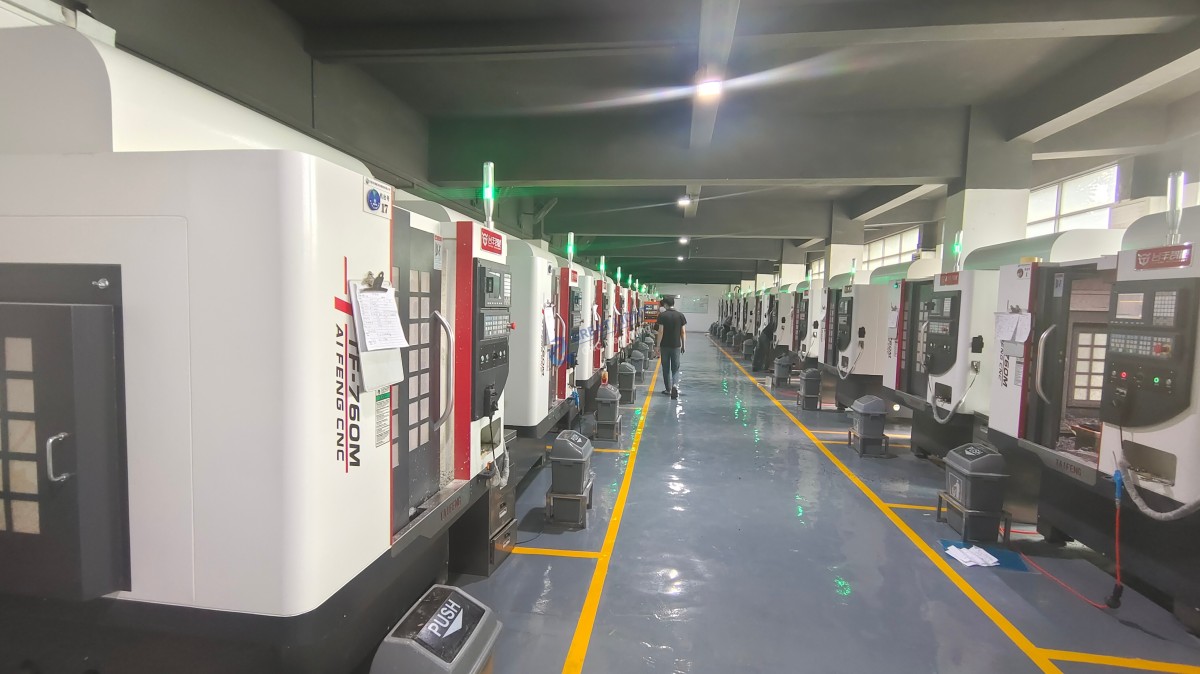
Advanced, Well-Maintained Equipment: A mix of 3-axis, 4-axis, and 5-axis CNC machining centers is essential for complex geometries. The presence of complementary technologies like wire EDM, jig grinding, and CMMs indicates a comprehensive solution set.
Material Mastery: Expertise should span aluminum alloys, stainless steels, titanium, Inconel, brass, and engineering plastics like PEEK and Ultem.
In-House Metrology: The ability to verify its own work with high-end Coordinate Measuring Machines (CMM), optical comparators, and surface roughness testers is non-negotiable for quality assurance.
H3: Systemic Quality and Certifications
Hardware is useless without the software of quality management. Authoritative certifications are objective indicators of systemic reliability.
ISO 9001:2015: The baseline for a documented quality management system, ensuring consistent processes and continuous improvement.
Industry-Specific Certifications: For automotive, IATF 16949 is essential. For medical devices, ISO 13485 demonstrates adherence to the stringent regulatory requirements of the life sciences sector. For clients with sensitive data, ISO 27001 information security certification is a strong trust signal.
Process Documentation: A robust First Article Inspection (FAI) process, detailed inspection reports (including full CMM data), and material certifications (MTC) should be standard deliverables.
H3: Engineering Collaboration and Service Mindset
The best partnerships are collaborative. The ideal partner acts as an extension of your engineering team.
Design for Manufacturability (DFM) Feedback: Proactive suggestions to optimize part design for cost, lead time, and performance without compromising function.
Project Management: A dedicated point of contact who provides regular updates, manages timelines proactively, and is transparent about challenges.
Full-Service Capability: The ability to handle not just machining, but also the entire value chain—from material sourcing and heat treatment to finishing (anodizing, powder coating) and final assembly—simplifies logistics and accountability.
A Case in Point: The Value of an Integrated Partner
Consider the challenge faced by an innovator in the robotics sector developing a next-generation collaborative robot arm. The components required:
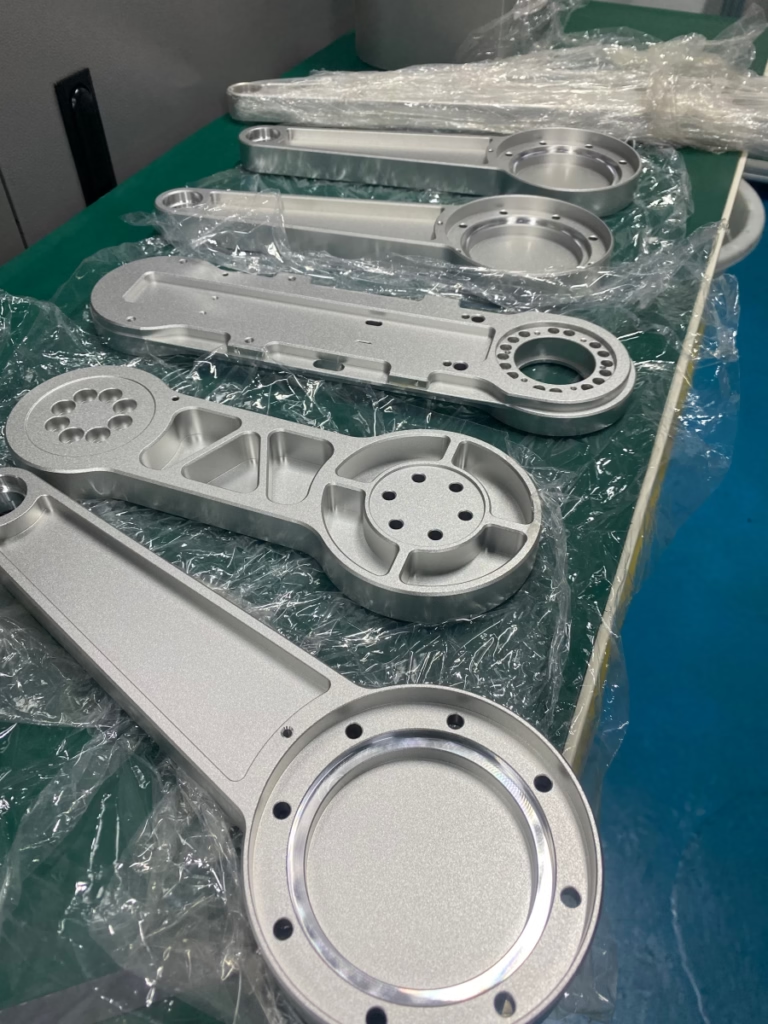
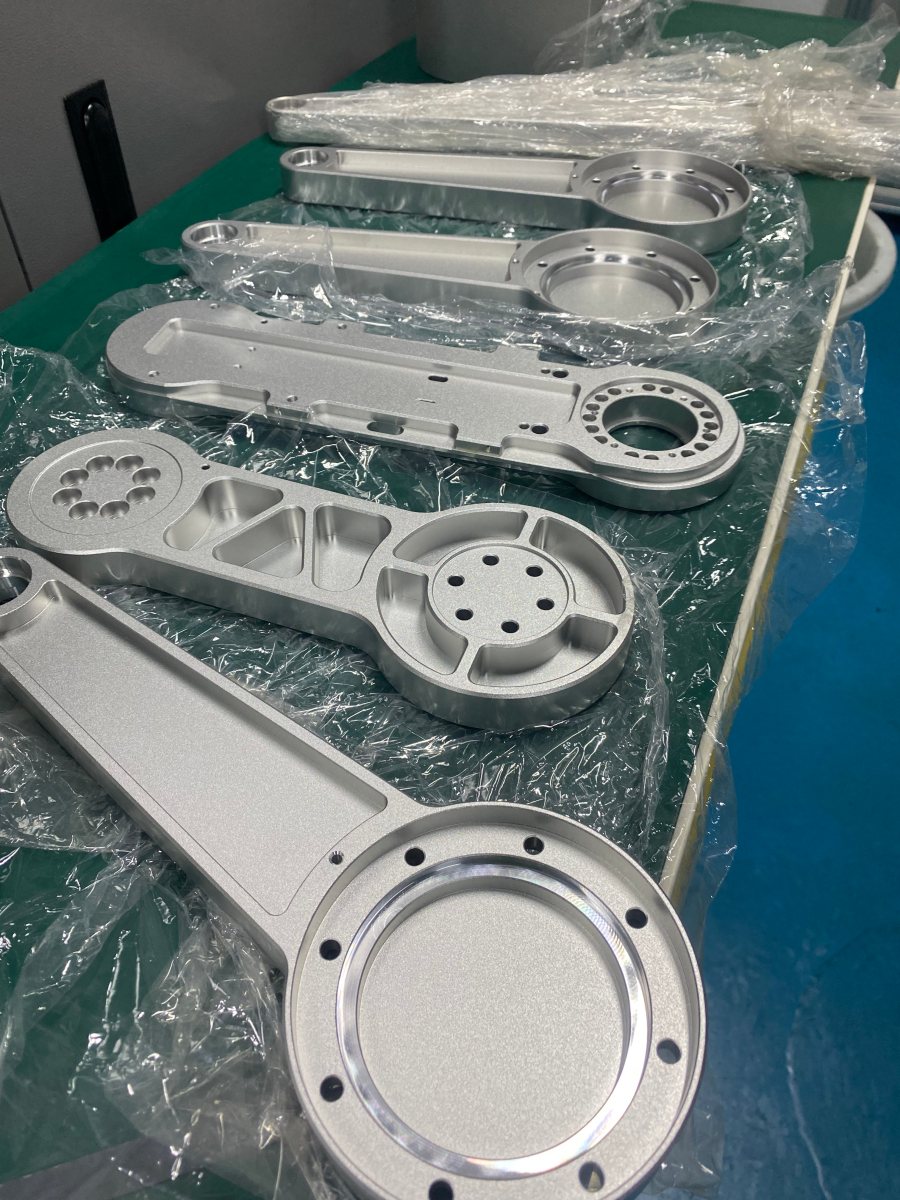
Complex, lightweight structural parts from aluminum 7075, with deep pockets and thin walls.
Ultra-precise harmonic drive housings from stainless steel, requiring tolerances under 0.005mm.
A variety of sensor mounts and brackets needing quick-turn prototyping and subsequent low-volume production.
A fragmented approach—using one shop for milling, another for turning, and a third for finishing—introduces coordination hell, compounded tolerance stack-ups, and prolonged lead times. An integrated sub-contracted CNC machining services provider with multi-axis capabilities, in-house finishing, and a unified project management system can manufacture, finish, and quality-check all components under one roof. This ensures dimensional harmony, accelerates time-to-market, and provides a single point of accountability.
Why GreatLight CNC Machining Factory Embodies This Modern Partnership Model
In the competitive landscape of Dongguan’s manufacturing hub, GreatLight CNC Machining Factory has evolved from a precision workshop into a solutions provider that directly addresses the core challenges of outsourcing. Their model exemplifies the integrated approach necessary for today’s complex projects.
H4: A Foundation Built on Technical Depth and Breadth
Operating from a 76,000 sq. ft. facility, GreatLight Metal’s equipment portfolio is strategically curated to solve problems, not just perform operations. With over 127 pieces of precision equipment, including high-precision 5-axis machining centers, multi-axis mill-turn systems, and advanced additive manufacturing (SLM, SLS) for prototypes and complex jigs, they possess the technical arsenal to tackle parts from miniature medical implants to large-scale automotive fixtures up to 4000mm in size.
H4: Trust Engineered Through Systemic Rigor
Trust is not assumed; it is systematically built and verified. GreatLight CNC Machining Factory‘s commitment is codified in its certifications: ISO 9001:2015 for quality management, IATF 16949 for automotive excellence, ISO 13485 for medical device readiness, and ISO 27001 for information security. This suite of standards translates into predictable, reliable outcomes and secure collaboration, forming the bedrock of long-term partnerships.
H4: The Full-Process Advantage
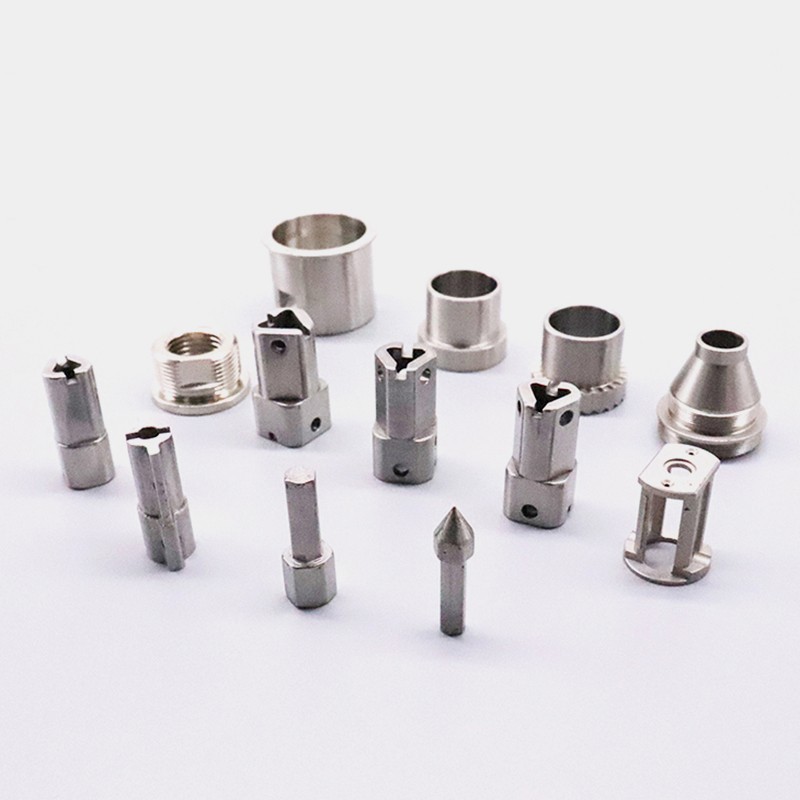
Understanding that a part’s journey doesn’t end at the machine tool, GreatLight offers true one-stop service. From initial CNC machining (3/4/5-axis) and turning to post-processing like heat treatment, and a comprehensive range of surface finishes (anodizing, nickel plating, powder coating, silk screening), they maintain control over the entire workflow. This integration minimizes handoff errors, reduces total lead time, and ensures final quality aligns with the initial precision machining.
H4: Collaborative Engineering as Standard Practice
Perhaps most critically, they approach each project with a partnership mindset. Their engineers engage in proactive DFM consultations, aiming to optimize designs for manufacturability and cost-effectiveness from the outset. This collaborative front-end effort prevents costly revisions and delays downstream, transforming the client-supplier relationship into a true engineering alliance.
Conclusion: Making an Informed Choice for Sub-Contracted CNC Machining Services
Selecting a provider for sub-contracted CNC machining services is a decision with far-reaching consequences. It requires looking beyond the initial quote to evaluate technical capability, systemic quality, collaborative ethos, and full-process control. In a market where promises are plentiful, demonstrable evidence of excellence—in the form of advanced equipment, authoritative certifications, and a track record of solving complex challenges—becomes the true differentiator.
The goal is to find a partner who views your success as intrinsically linked to their own, one who brings not just a machine shop, but a comprehensive manufacturing solution to the table. As you navigate this critical selection process, prioritizing partners with proven integrated capabilities, such as those demonstrated by GreatLight CNC Machining Factory, can significantly de-risk your outsourcing strategy and pave a smoother path from prototype to profitable production. For further insights into industry trends and professional manufacturing networks, consider connecting with thought leaders on platforms like LinkedIn{:target=”_blank”}.



















