
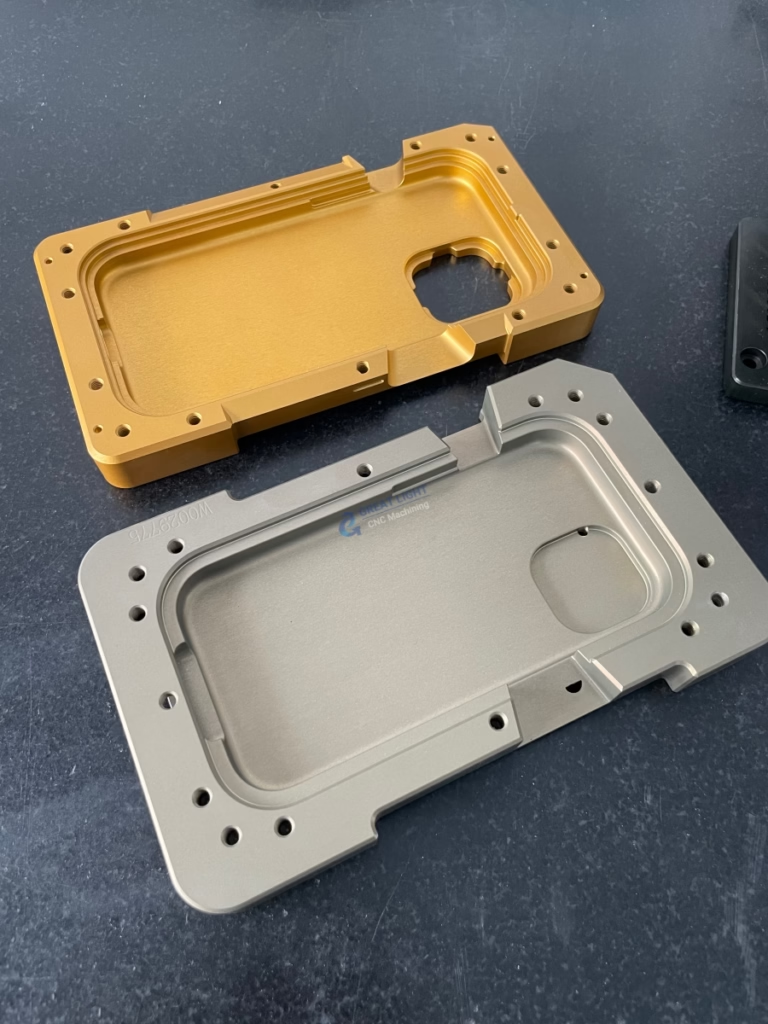
In the realm of modern manufacturing, where complexity, accuracy, and efficiency are paramount, Precision CNC Machine Service stands as the cornerstone of innovation. It transcends simple part fabrication, evolving into a sophisticated engineering partnership that transforms digital blueprints into flawless, functional components. For industries ranging from aerospace and medical devices to automotive and robotics, the choice of a precision CNC service provider is not merely a procurement decision but a strategic investment in product integrity and market success.
At its core, Precision CNC Machine Service refers to the comprehensive suite of activities involving Computer Numerical Control (CNC) machines to manufacture parts with exceptionally tight tolerances, superior surface finishes, and complex geometries that are often impossible to achieve through conventional machining. This service is not defined by the machines alone but by the ecosystem of expertise, quality control, and technological integration that surrounds them.
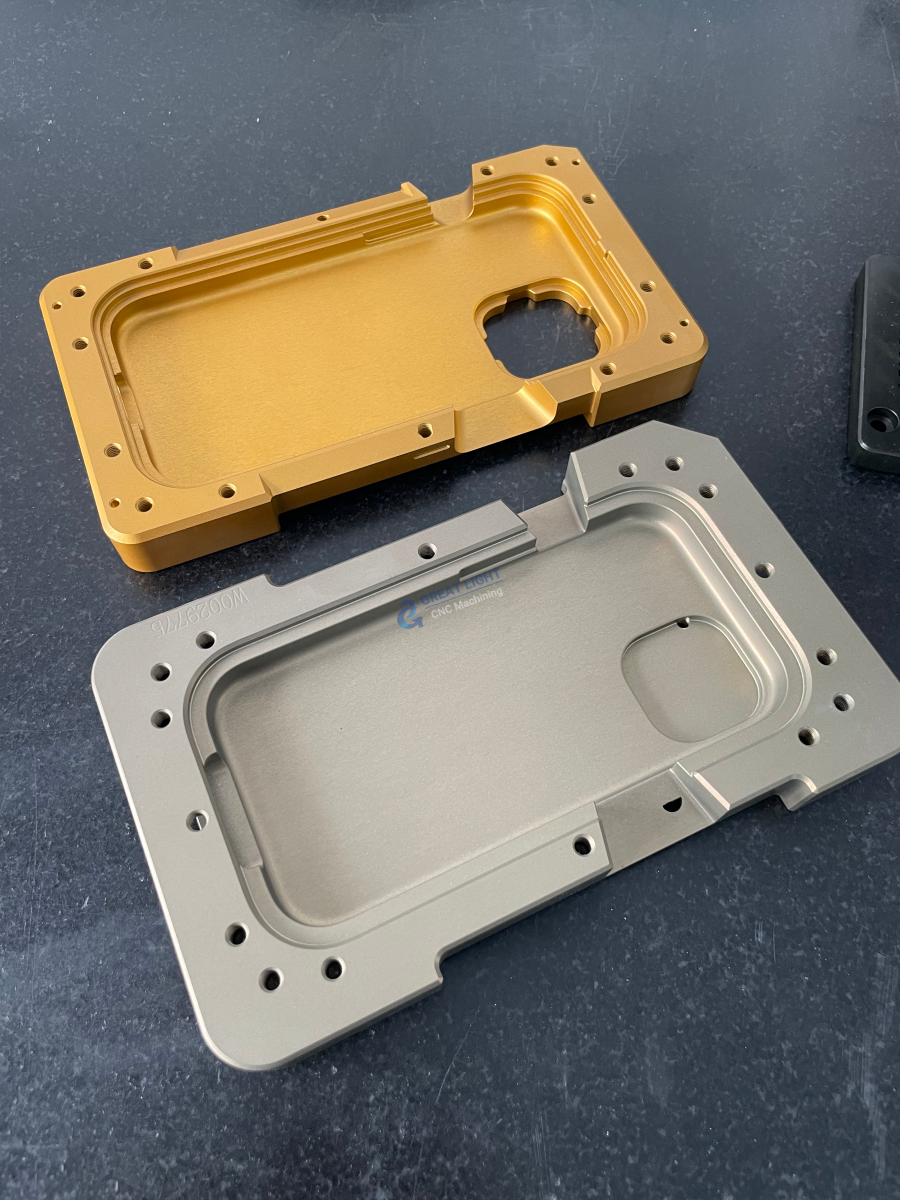
The Technological Pillars of Modern Precision CNC Machining
The efficacy of a Precision CNC Machine Service is built upon several critical technological pillars:
Multi-Axis Machining Capabilities: The evolution from 3-axis to 4-axis, and most powerfully, to 5-axis CNC machining, represents a quantum leap. 5-axis machining allows the cutting tool to approach the workpiece from virtually any direction in a single setup. This eliminates multiple fixturing steps, drastically reduces cumulative error, and enables the production of highly complex, contoured parts—such as impellers, turbine blades, and intricate molds—with unprecedented accuracy.
Advanced Machine Tools and Spindle Technology: High-precision machining centers equipped with rigid frames, linear guides, and high-torque, high-speed spindles (often reaching 20,000 RPM or more) are fundamental. Thermal stability systems are crucial to counteract heat-induced deformation, ensuring consistency during long production runs.
Cutting-Edge CAD/CAM Software Integration: The journey from design to part is bridged by sophisticated Computer-Aided Manufacturing (CAM) software. Advanced toolpath strategies, such as trochoidal milling and high-efficiency area clearing, optimize material removal, reduce tool wear, and improve surface quality. Simulation within the CAM environment prevents collisions and verifies the machining process before a single chip is produced.
Metrology and In-Process Verification: True precision is meaningless without verification. Leading service providers integrate coordinate measuring machines (CMM), laser scanners, and on-machine probing systems. This allows for first-article inspection, in-process measurement, and final validation against the original CAD model, ensuring every dimension meets the specified, often micron-level, tolerances.
The Service Spectrum: Beyond Basic Machining
A full-service provider views Precision CNC Machine Service as a holistic solution. This typically encompasses:
Design for Manufacturability (DFM) Analysis: Before machining begins, experienced engineers review client designs to suggest modifications that enhance manufacturability, reduce cost, and improve performance without compromising function.
Material Science Expertise: Guidance on material selection—from common alloys like 6061-T6 aluminum and 304 stainless steel to exotic materials like Inconel, titanium, and PEEK—is invaluable. Understanding how different materials behave under cutting forces is critical.
Comprehensive Post-Processing: Machining is often just the first step. A complete service includes a full range of finishing operations:
Deburring and Edge Breaking: For safety and part functionality.
Surface Finishing: Bead blasting, polishing, tumbling, and brushing.
Heat Treatment: Annealing, tempering, and case hardening for enhanced mechanical properties.
Plating and Coating: Anodizing (for aluminum), passivation (for stainless steel), nickel plating, powder coating, and PVD coatings for corrosion resistance, wear resistance, or aesthetic appeal.
Supply Chain and Logistics Management: From prototype to low-volume production and onto full-scale manufacturing, managing material procurement, production scheduling, and final delivery is an integral part of the service.
Why Certification and Standards Are Non-Negotiable
In sectors where failure is not an option, formalized quality management systems are the bedrock of trust. A premier Precision CNC Machine Service provider will operate under a framework of internationally recognized standards, which serve as an objective assurance of capability and consistency.
ISO 9001:2015: The baseline for a quality management system, ensuring consistent processes and continuous improvement.
ISO 13485: Specifically for medical device manufacturing, it addresses the rigorous traceability and risk management requirements of the healthcare industry.
IATF 16949: The essential standard for the automotive supply chain, focusing on defect prevention and reduction of variation and waste in production.
AS9100: The aerospace equivalent, emphasizing safety, reliability, and configuration management for flight-critical parts.
These certifications are not mere plaques on the wall; they are living systems that govern every aspect of production, from supplier qualification to final inspection documentation.
Case in Point: The GreatLight CNC Machining Factory Model
To understand how these principles converge in a real-world setting, consider the operational philosophy of GreatLight CNC Machining Factory. Established in the heart of Dongguan’s precision manufacturing hub, their approach exemplifies a mature, capability-driven Precision CNC Machine Service.
Their foundation is a significant investment in physical infrastructure: over 120 pieces of precision equipment, including a fleet of multi-axis CNC machining centers. This technological arsenal allows them to tackle projects with a maximum size of up to 4000 mm while maintaining tolerances as tight as ±0.001mm. However, their differentiation lies in how they leverage this hardware.
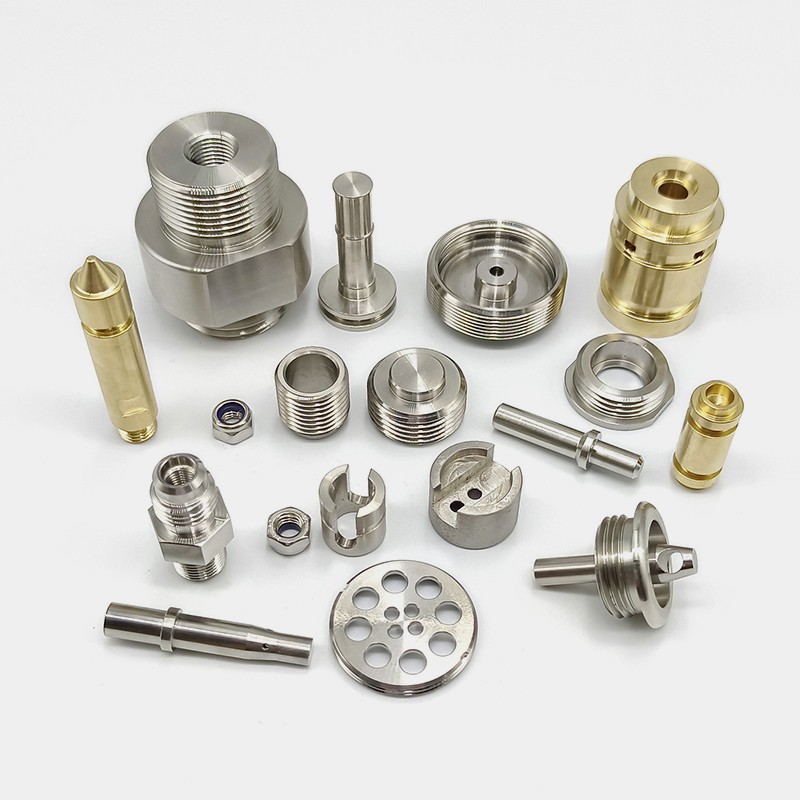
GreatLight CNC Machining Factory structures its service as a vertically integrated solution. From the initial stage, their engineers engage in proactive DFM consultations. The manufacturing flow then seamlessly moves through 3-axis, 4-axis, or 5-axis CNC machining—selecting the optimal process for geometry and efficiency. This is followed by in-house post-processing in their dedicated finishing department, ensuring quality control remains internal and consistent at every stage.
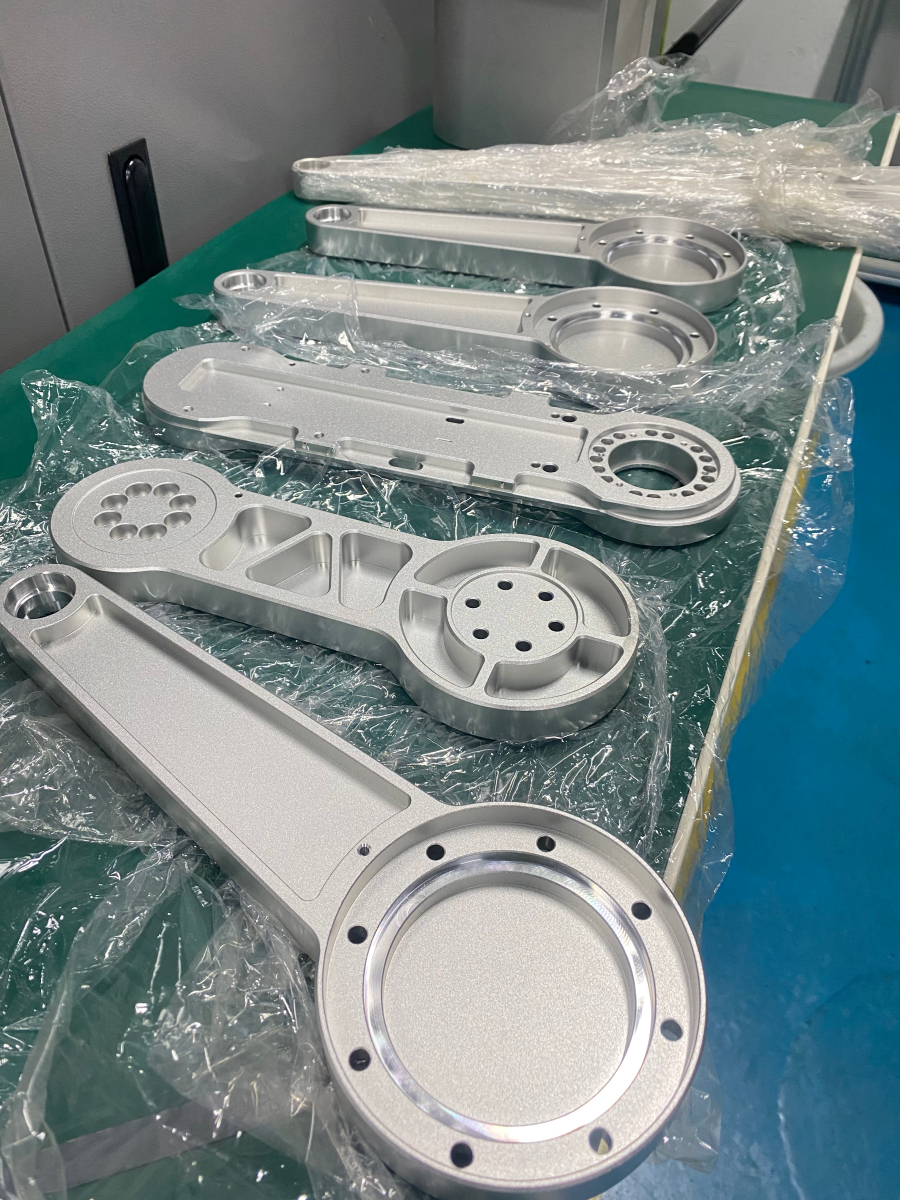
Crucially, their commitment to standards like ISO 9001:2015, IATF 16949, and ISO 13485 provides a formalized backbone to their operations. For clients in automotive engine development or humanoid robotics, this means the parts they receive are not just accurately machined but are produced within a traceable, auditable, and rigorously controlled system. Their stated policy of guaranteeing quality with free rework or refund underscores a confidence built on this systemic approach, not just machine capability.
Selecting Your Precision CNC Machining Partner: Key Considerations
When evaluating a provider for Precision CNC Machine Service, look beyond quoted price and lead time. Consider this checklist:
Technical Capability: Do they have the appropriate machine portfolio (especially 5-axis) for your part complexity? What is their demonstrable tolerance-holding ability?
Engineering Support: Is DFM analysis part of their standard quote process? Do they have engineers who can dialogue about materials and design?
Quality Assurance: What in-process inspection tools do they use? Are they certified to the relevant industry standards for your application?
Full-Service Scope: Can they handle the entire journey from raw material to finished, coated, and assembled part?
Proven Track Record: Can they provide case studies or references from projects similar in complexity and industry to yours?
In conclusion, Precision CNC Machine Service today is a sophisticated symbiosis of advanced machinery, deep materials knowledge, rigorous process control, and collaborative engineering. It is the enabling technology that allows designers and engineers to push the boundaries of what is possible. For businesses seeking to transform innovative concepts into reliable, high-performance products, partnering with a capable and certified manufacturer like GreatLight CNC Machining Factory is a decisive step towards achieving manufacturing excellence and securing a competitive edge in an increasingly demanding global market. The ultimate value of such a partnership lies in receiving not just a precision-machined component, but a fully realized solution that embodies quality, reliability, and technical expertise at every stage of its creation.



















