
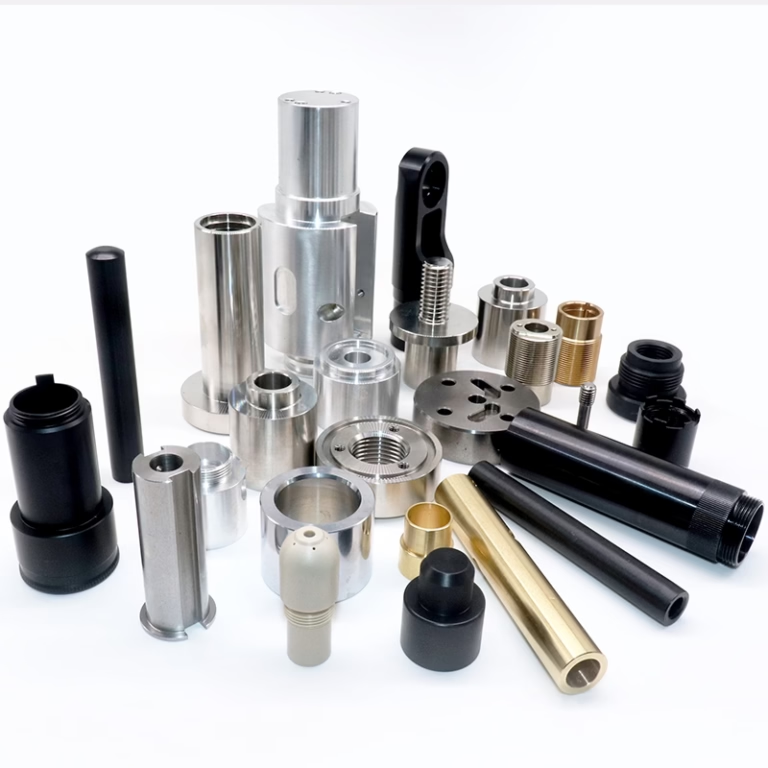
In the fiercely competitive landscape of modern manufacturing, transforming a design concept into a high-quality, functional prototype or end-use part is a critical step. For components requiring exceptional strength-to-weight ratios, excellent machinability, and superior corrosion resistance, aluminium stands out as the material of choice across industries from aerospace to consumer electronics. At the heart of producing these precision aluminium parts lies Aluminium CNC Milling Machining Service. This process is not merely a manufacturing step; it is the bridge between digital design and physical reality, demanding unparalleled expertise, advanced equipment, and rigorous quality control.
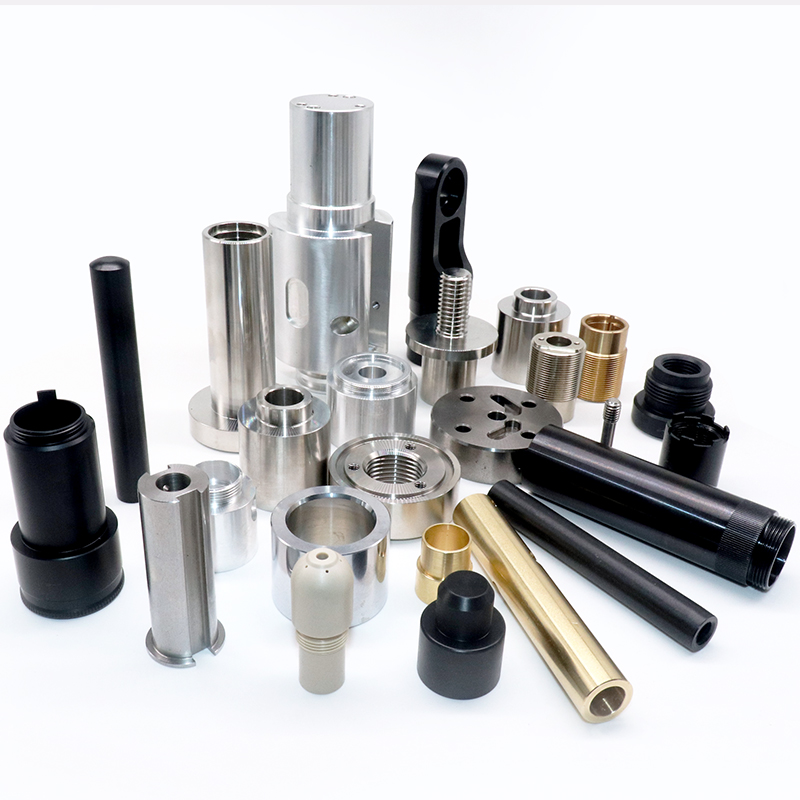
For engineers, designers, and procurement specialists, selecting the right partner for this service is paramount. The market is saturated with options, but the true differentiator lies in a supplier’s ability to consistently deliver precision, reliability, and value—often best demonstrated through tangible proof. This is where the offer of a Free Sample transcends a simple marketing tactic and becomes a crucial risk-mitigation and validation tool for the client.
H2: Deconstructing Precision: The Core of Aluminium CNC Milling
CNC (Computer Numerical Control) milling is a subtractive manufacturing process where a rotating cutting tool removes material from a solid aluminium block to create a part with the desired geometry. The “precision” in this context is multi-faceted:
Dimensional Accuracy: The ability to hold tight tolerances, often within ±0.001mm for critical features, ensuring parts fit and function perfectly in assembly.
Geometric Complexity: Modern 5-axis CNC milling machines can produce incredibly complex contours, undercuts, and deep cavities in a single setup, which would be impossible or prohibitively expensive with 3-axis machines or traditional methods.
Surface Integrity: Beyond shape, the quality of the machined surface—its finish, freedom from tool marks, and absence of burrs—is vital for both aesthetics and performance, such as in fluid dynamics or sealing applications.
Why Aluminium? Grades like 6061, 7075, and 5083 are favoured for CNC milling due to their excellent machinability, which translates to faster cutting speeds, longer tool life, and better surface finishes compared to steels or titanium. This efficiency often makes high-precision aluminium machining more cost-effective.
H3: The Critical Client Pain Points in Sourcing Aluminium CNC Milling
Before committing to a full production run, savvy buyers grapple with several legitimate concerns:

The “Specification Gap”: Will the final part truly match the design intent and drawing specifications? Even a minor deviation in tolerance or surface finish can lead to assembly failures or product malfunctions.
Process Capability Uncertainty: Does the supplier genuinely possess the advanced equipment (like 5-axis CNC) and technical skill to machine the part correctly, especially if it involves complex thin walls or intricate details?
Material and Quality Verification: Is the aluminium alloy provided exactly as specified (e.g., 7075-T6)? Are there internal stresses or inconsistencies that could affect performance?
Communication and Responsiveness: How effectively does the engineering team communicate DFM (Design for Manufacturability) feedback? Are they proactive in identifying potential issues?
A Free Sample program directly addresses these pain points by shifting the relationship from promises to proof.
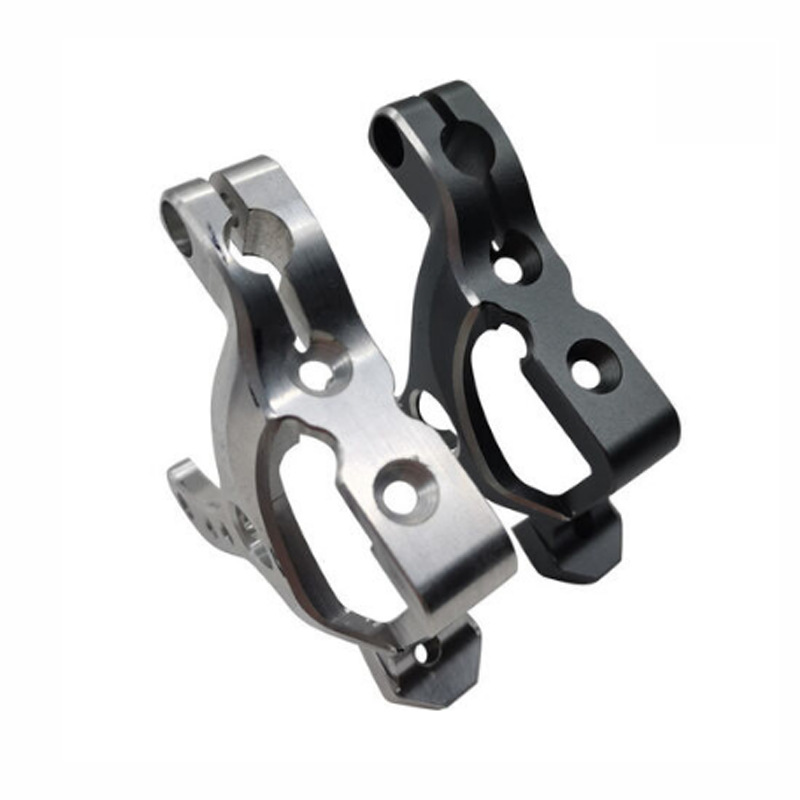
H2: The Strategic Value of a “Free Sample” Offer
Offering a free sample is a powerful demonstration of a manufacturer’s confidence in their capabilities. For clients, it is an invaluable opportunity to conduct a low-risk, hands-on evaluation. Here’s what a comprehensive sample service should entail:
Proof of Precision: The sample is a physical testament to the supplier’s ability to achieve the stated tolerances and surface finishes.
Material Authentication: Clients can perform their own material tests or inspections to verify alloy grade and material properties.
Process Validation: It allows assessment of the machining strategy—checking for sharp internal corners, wall thickness consistency, and the quality of fine features.
Fit and Function Test: The sample can be used for actual assembly tests, ensuring it interfaces correctly with other components.
Evaluation of Post-Processing: If required, finishes like anodizing, powder coating, or polishing can be applied to the sample, allowing appraisal of the supplier’s end-to-end finishing quality.
H3: What to Look for in a Premier Aluminium CNC Milling Partner
When evaluating suppliers, especially those offering samples, consider these pillars of a world-class service:
Advanced Technological Arsenal: Look for a facility equipped with modern 5-axis CNC machining centers. The flexibility of 5-axis machining is often essential for complex aluminium parts, reducing setups and improving accuracy. Complementary equipment like high-speed 3-axis mills, CNC lathes for turned features, and advanced EDM for intricate details is also crucial.
Engineering Expertise and DFM Support: The best partners act as collaborative engineers. They should review your designs and provide constructive DFM feedback to optimize for manufacturability, cost, and lead time without compromising function.
Robust Quality Management System: Certifications like ISO 9001:2015 are non-negotiable for systematic quality control. For automotive, medical, or aerospace applications, additional standards like IATF 16949 or ISO 13485 demonstrate specialized process control.
Full-Service Capability: A partner that can handle not just milling but also secondary operations (drilling, tapping), heat treatment, and a wide range of surface finishes (anodizing, bead blasting, painting) under one roof ensures consistency, reduces logistical complexity, and accelerates timelines.
Transparent Communication and Project Management: Clear timelines, regular updates, and a single point of contact are essential for a smooth experience from quote to delivery.
H2: GreatLight CNC Machining Factory: Your Partner for Verified Precision
In the ecosystem of precision manufacturers, GreatLight CNC Machining Factory has established itself as a leader by embodying the principles outlined above. Founded in 2011 in Dongguan, China’s manufacturing hub, the company has evolved from a precision workshop into a comprehensive solutions provider.
Core Competencies for Aluminium CNC Milling:
Precision-Capable Infrastructure: Operating from a 7600 sq. meter facility, GreatLight is equipped with a range of high-precision 5-axis, 4-axis, and 3-axis CNC machining centers. This multi-axis capability is fundamental to tackling complex aluminium geometries efficiently and accurately.
End-to-End Process Chain: Beyond milling, they offer integrated services including CNC turning, precision grinding, sheet metal fabrication, and a full suite of surface treatment options. This makes them a true one-stop shop for aluminium components.
Commitment to Quality Assurance: As an ISO 9001:2015 certified manufacturer, GreatLight employs rigorous in-process inspection and final validation using coordinate measuring machines (CMMs) and other metrology tools to ensure every part, including samples, meets exact specifications.
Engineer-to-Engineer Collaboration: Their team provides proactive DFM analysis, helping clients refine designs for optimal manufacturability and performance before machining begins.
Their Aluminium CNC Milling Machining Service is backed by the confidence to offer a Free Sample. This allows potential clients to physically verify these capabilities—testing the precision, evaluating the finish, and assessing the part’s performance—before moving forward with production orders.
H3: The Sample Journey: From File to Physical Validation
Engaging with a sample service typically follows a streamlined process:
Design Submission & Consultation: Share your 3D CAD model (e.g., STEP, IGES) and drawings. An engineering review assesses feasibility and may suggest optimizations.
Quotation & Agreement: You receive a detailed quote for the sample (often free or at a nominal cost) and proposed specifications.
Precision Machining: The part is machined from certified aluminium stock on the appropriate CNC equipment.
Quality Inspection: The sample undergoes thorough inspection against your drawings.
Delivery & Your Evaluation: The physical sample is delivered, enabling your team to conduct fit, form, and function tests.
Conclusion: Precision Demands Proof
In the realm of Aluminium CNC Milling Machining Service, theoretical capabilities are insufficient. The complexities of modern part designs and the critical nature of their applications demand empirical validation. A Free Sample program is the most effective mechanism for this validation, transforming a supplier’s claims into a client’s verified confidence.
Choosing a manufacturing partner is a strategic decision that impacts product quality, development timelines, and ultimately, market success. By prioritizing partners who demonstrate their expertise through tangible proof, robust quality systems, and full-process support—like the comprehensive service model demonstrated by GreatLight CNC Machining Factory—you secure not just a vendor, but a reliable extension of your engineering and production team. This partnership ensures that your innovative aluminium designs are realized with the precision and reliability they require. For a deeper look into how industry leaders leverage such partnerships for complex projects, insights can be found on professional networks like LinkedIn.



















