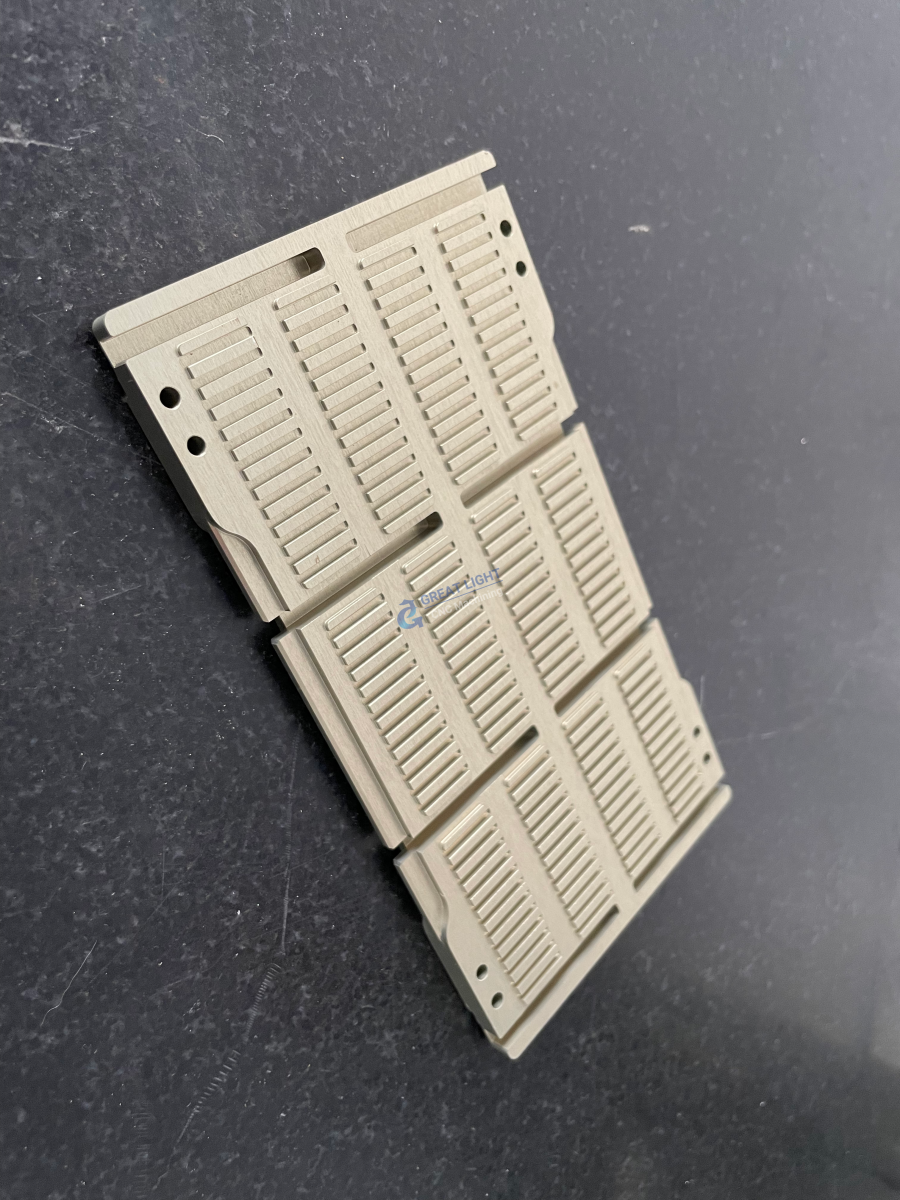
In the intricate world of modern manufacturing, the selection of a CNC machine service factory is far more than a simple procurement decision; it is a strategic choice that directly impacts product quality, innovation speed, and supply chain stability. For engineers, designers, and procurement professionals seeking precision parts machining and customization, navigating this landscape requires a clear understanding of what differentiates a truly capable partner from a mere job shop. This article delves into the critical considerations, common pitfalls, and the evolving benchmarks for excellence in this field.
H2: Beyond the Machine: What Defines a World-Class CNC Machine Service Factory?
At its core, a CNC machine service factory provides the technology to transform digital designs into physical reality. However, the true value lies not just in owning machines, but in the ecosystem of expertise, processes, and quality systems that surround them. A top-tier factory is characterized by several key dimensions:
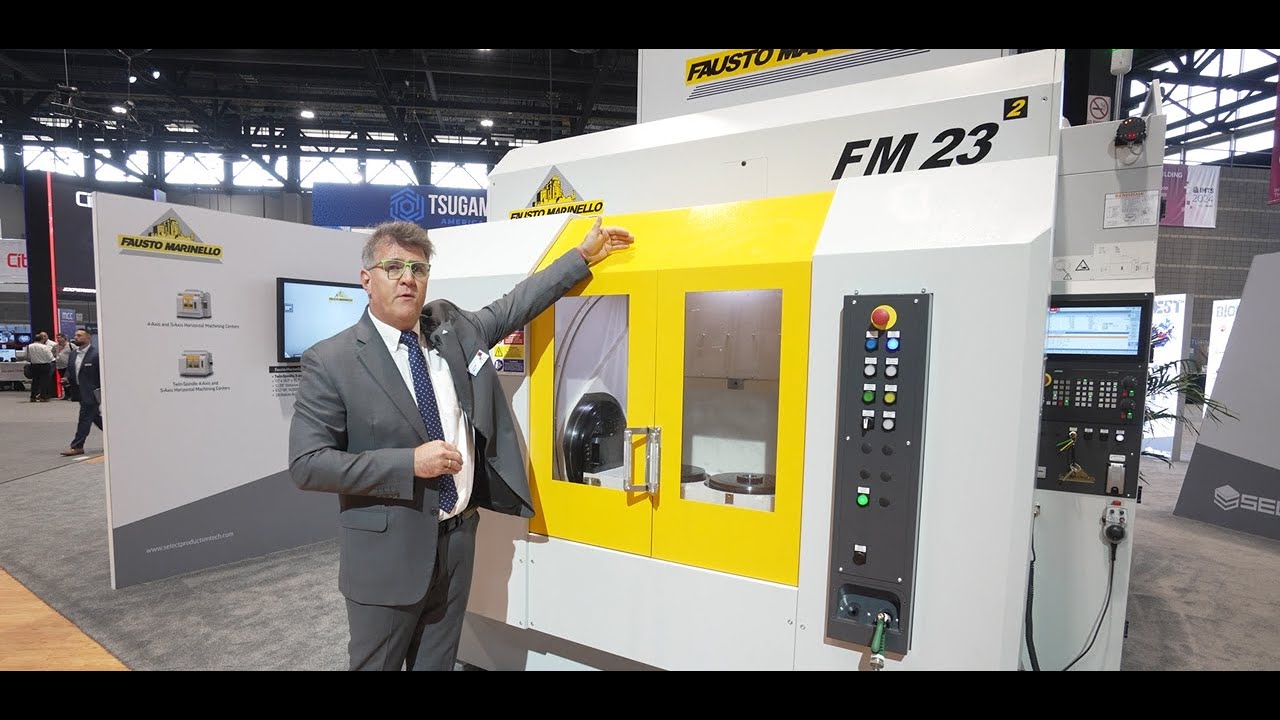
Technical Depth and Equipment Sophistication: The foundation. This includes not only the number of machines but their capabilities. A factory equipped with advanced 5-axis CNC machining centers can produce complex geometries in a single setup, ensuring higher accuracy, better surface finishes, and shorter lead times compared to multiple setups on 3-axis machines. Complementary equipment like high-precision lathes, EDM (Electrical Discharge Machining), and grinding machines is essential for a complete machining solution.
Process Integration and Material Mastery: Can the factory handle the entire journey? From initial prototyping using 3D printing (SLM for metals, SLA/SLS for plastics) to mid-volume production via precision CNC machining and onto high-volume manufacturing through die casting or stamping tool fabrication, an integrated service provider eliminates handoff risks and ensures consistency.
Uncompromising Quality Management System: Precision is meaningless without consistency. Certifications like ISO 9001:2015 are the baseline, demonstrating a systematic approach to quality control. For specialized industries, IATF 16949 for automotive or ISO 13485 for medical devices are non-negotiable, indicating adherence to stringent industry-specific standards.
Engineering Partnership Mindset: The best factories act as an extension of your R&D team. They offer Design for Manufacturability (DFM) analysis, suggesting modifications that enhance producibility, reduce cost, and improve performance without compromising design intent. This collaborative approach solves problems before they reach the production floor.
H3: The Hidden Costs of Choosing the Wrong Partner: Common Pain Points in CNC Outsourcing
Many businesses have faced frustrating challenges that stem from an inadequate CNC machine service factory. Recognizing these pain points is the first step toward avoiding them:
The “Precision Promise” Gap: A supplier may quote an impressive tolerance like ±0.001mm, but without proper metrology equipment (e.g., CMMs, optical comparators) and a rigorous First Article Inspection (FAI) process, this promise often falters in production, leading to non-conforming batches and project delays.
Communication and Transparency Black Holes: Lack of clear communication on project status, unexpected delays, or opaque pricing structures erodes trust. A reliable partner provides regular updates and detailed documentation.
Limited Scope and Scalability: A factory that only offers 3-axis milling may be ill-equipped for a part requiring complex contours, forcing you to split the job across multiple vendors, increasing complexity and risk.
Inconsistent Surface Finishing and Post-Processing: Machining is only half the battle. Inconsistent anodizing, painting, or plating from an unqualified sub-contractor can ruin a perfectly machined part. A factory with in-house or rigorously vetted post-processing partnerships ensures end-to-end quality.
H2: The Modern Benchmark: How Leading Factories Are Redefining Service
In response to these challenges, forward-thinking manufacturers are building their value proposition on a more holistic model. Companies like GreatLight CNC Machining Factory exemplify this evolution. Established in the manufacturing hub of Dongguan, China, they have grown from a precision workshop into a comprehensive solutions provider by focusing on integrated capabilities.
Their approach is built on what can be termed the “Four Pillars of Modern Precision Manufacturing”:
Advanced Equipment Cluster: Operating from a 7600+ square meter facility, their arsenal includes not just standard 3-axis and 4-axis machines, but also high-precision five-axis CNC machining centers. This is complemented by turning centers, grinders, EDM, and a full suite of industrial 3D printers (SLM, SLA, SLS), creating a true one-stop manufacturing ecosystem.
Authoritative Certification Framework: Trust is systematized. Beyond ISO 9001, their adherence to standards like IATF 16949 and ISO 13485 signals a commitment to the rigorous processes required by automotive and medical clients, respectively. This framework ensures traceability, risk management, and consistent output.
Full-Process Chain Integration: From a 3D printed prototype for design validation to mid-volume precision CNC machining of aerospace brackets, and onto the tooling for high-volume consumer electronics components, they manage the entire workflow internally. This control over the process chain significantly reduces lead times and quality variables.
Deep-Dive Engineering Support: They position themselves as manufacturing partners, offering proactive DFM feedback. For instance, when a client in the new energy vehicle sector faced challenges with a complex, thin-walled electronic housing, the engineering team suggested subtle draft angle adjustments and strategic rib placement. This maintained structural integrity while ensuring the part could be reliably die-cast and machined, turning a potential bottleneck into a manufacturable success.
H3: Making the Strategic Choice: A Checklist for Selecting Your CNC Partner
When evaluating a potential CNC machine service factory, move beyond brochures and price lists. Use this checklist to guide your assessment:
[ ] Technical Questionnaire: Do they have the specific machine (5-axis, mill-turn) needed for your part’s geometry? Can they provide evidence of similar complex work?
[ ] Quality Audit: Are their quality certifications current and relevant to your industry? Can they share their inspection report templates and metrology equipment list?
[ ] Process Walkthrough: Request a virtual or in-person tour. How is material tracked? How are cutting tools managed? Is the shop floor organized?
[ ] Communication Protocol: Who will be your point of contact? What is their process for providing daily/weekly progress reports and raising issues?
[ ] Sample and Pilot Run: Always start with a small batch or prototype order to evaluate real-world performance on quality, communication, and on-time delivery before committing to large volumes.
Conclusion: Partnering for Precision and Innovation
The landscape of precision manufacturing is demanding ever-greater levels of integration, expertise, and reliability. Choosing a CNC machine service factory is a pivotal decision that can accelerate your innovation or become a persistent bottleneck. The benchmark has shifted from simply offering machining hours to providing a guaranteed, seamless journey from concept to finished part. By prioritizing partners who demonstrate a fusion of advanced technology, authoritative quality systems, and a collaborative engineering ethos, businesses can secure not just a supplier, but a strategic ally capable of turning their most ambitious designs into flawless reality. In this context, integrated manufacturers that have invested in building a full-spectrum capability, like the approach embodied by GreatLight CNC Machining Factory, represent the new standard for those who cannot afford compromise in precision, timing, or partnership quality.
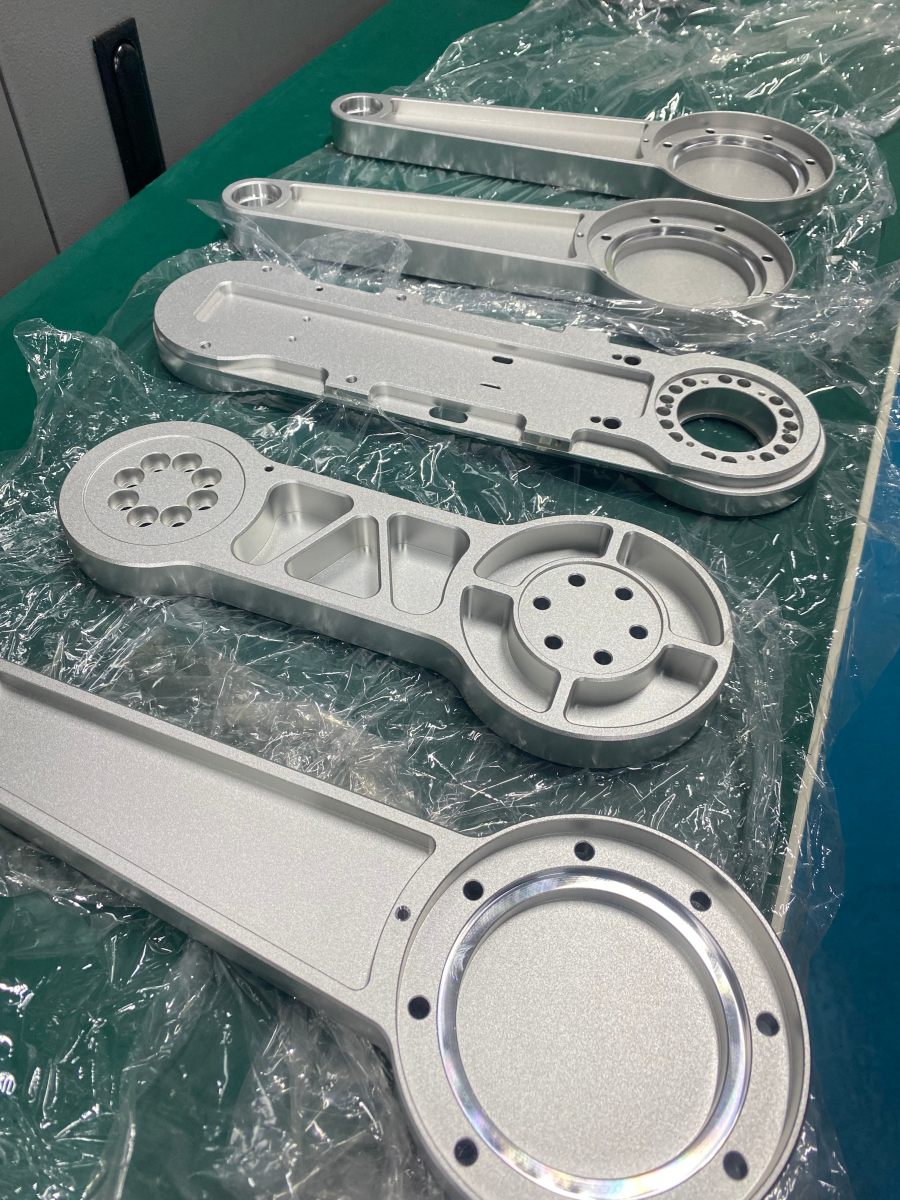
For further insights into industry trends and professional manufacturing networks, you may explore discussions on platforms like LinkedIn{:target=”_blank”}.