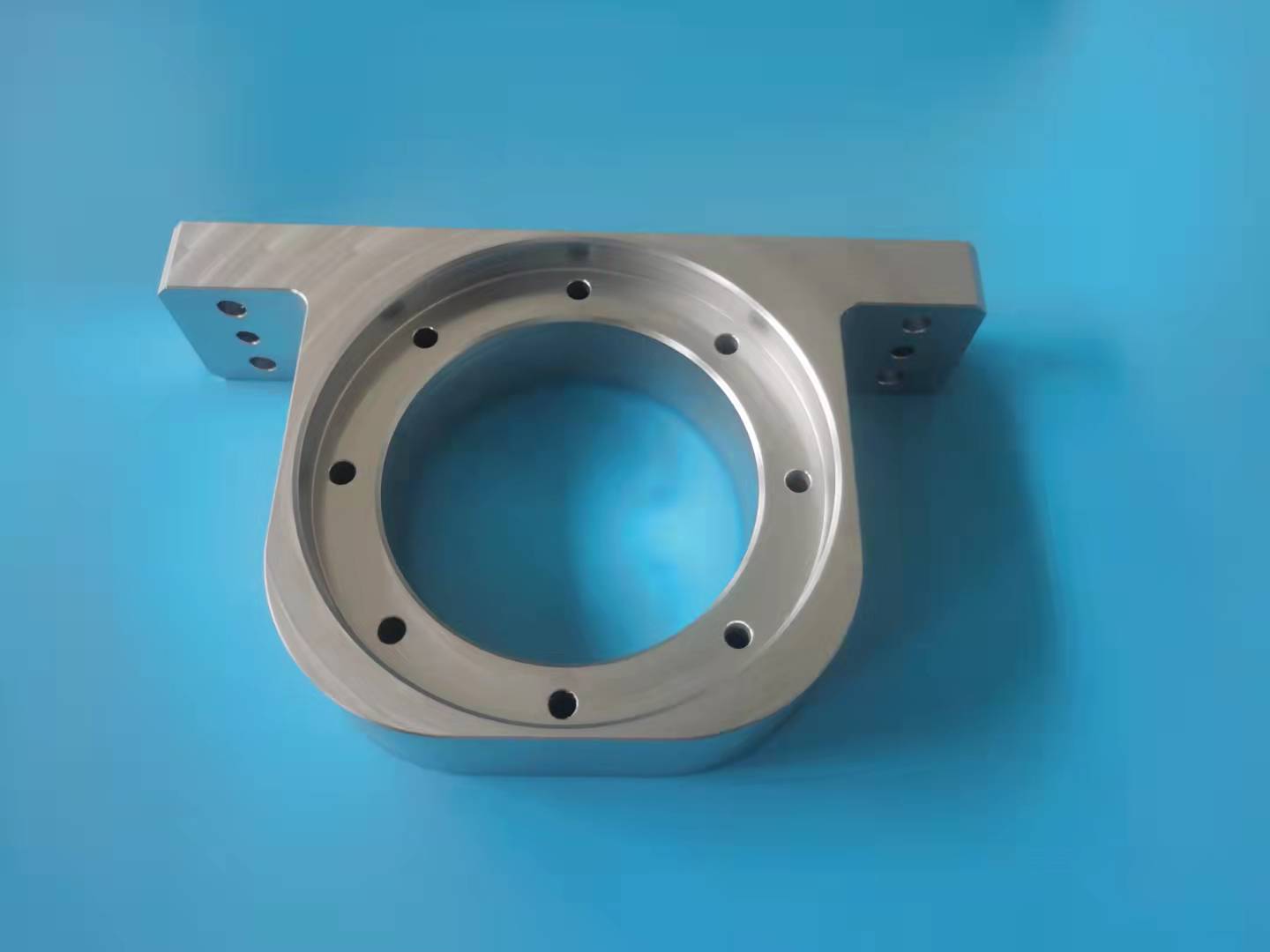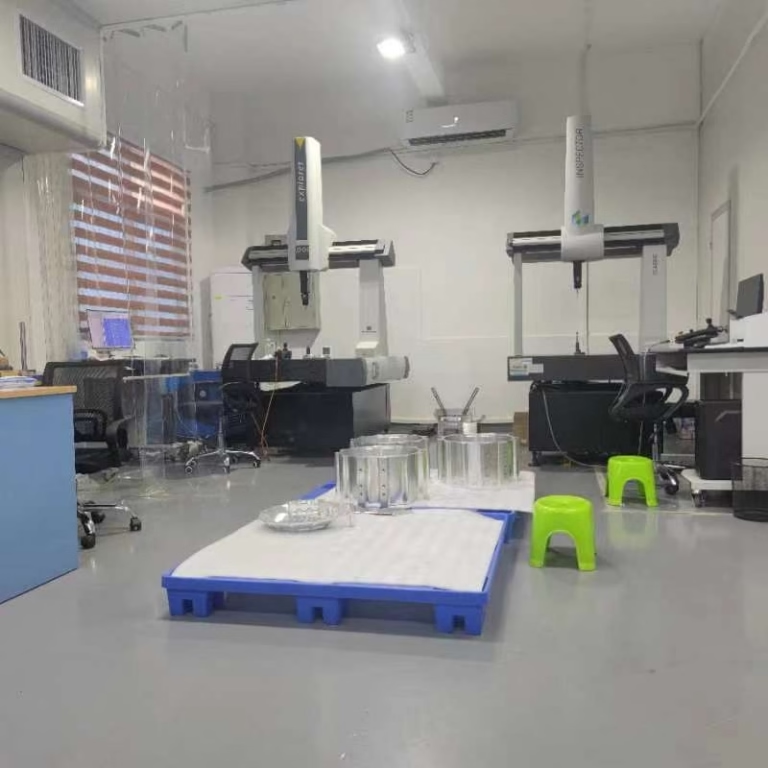
In the intricate world of modern manufacturing, where components form the vital organs of complex machinery, the demand for turning parts service CNC machining has become more critical than ever. This specialized process is the backbone of producing rotational, axisymmetric parts with exceptional precision, consistency, and efficiency. For engineers, designers, and procurement specialists navigating the landscape of custom hardware, understanding the nuances of a high-quality turning service is paramount to project success.
H2: The Core of Rotational Precision: What is CNC Turning?
At its essence, CNC (Computer Numerical Control) turning is a subtractive manufacturing process where a cutting tool, typically a single-point tool, is moved linearly while the workpiece is rotated at high speed. This fundamental operation is performed on a machine called a CNC lathe or turning center. Unlike milling, where the tool rotates, in turning, the workpiece does the spinning. This makes it the ideal and most efficient method for creating parts with cylindrical features, such as shafts, pins, bushings, pulleys, and flanges.
The “CNC” aspect elevates this process from traditional manual lathes. A pre-programmed computer software dictates the movement of the tooling, enabling the production of parts with complex geometries, tight tolerances (often within ±0.005mm or better), and superior surface finishes, all with remarkable repeatability across large batch sizes.
H3: Beyond Simple Cylinders: The Expanded Capabilities of Modern Turning Services
While basic turning creates external diameters and faces, advanced turning parts service CNC machining encompasses a suite of operations to produce highly complex components in a single setup:
Contour Turning: Creating complex, non-cylindrical shapes along the part’s axis.
Taper Turning: Producing conical surfaces.
Parting/Grooving: Cutting narrow grooves or severing a finished part from the bar stock.
Drilling and Boring: Creating precise holes along the center axis.
Threading: Cutting internal or external threads with high accuracy.
Knurling: Impressing a diamond-shaped or straight-line pattern onto the surface for improved grip.
Modern multi-axis turning centers, such as mill-turn machines, integrate milling and drilling capabilities. This allows for the machining of features off the primary axis—like cross-holes, flats, and slots—without requiring a secondary operation on a different machine, drastically reducing lead times and improving overall concentricity and accuracy.
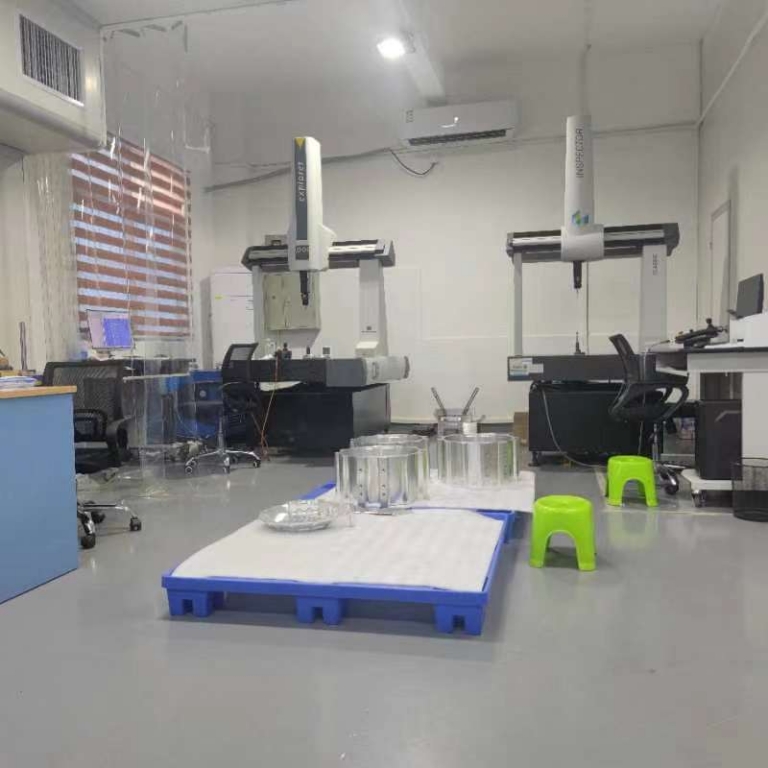
H2: The Critical User Pain Points in Sourcing Turning Services
Selecting a partner for turning parts service CNC machining is fraught with potential pitfalls that can derail a project. Awareness of these common challenges is the first step toward avoiding them:
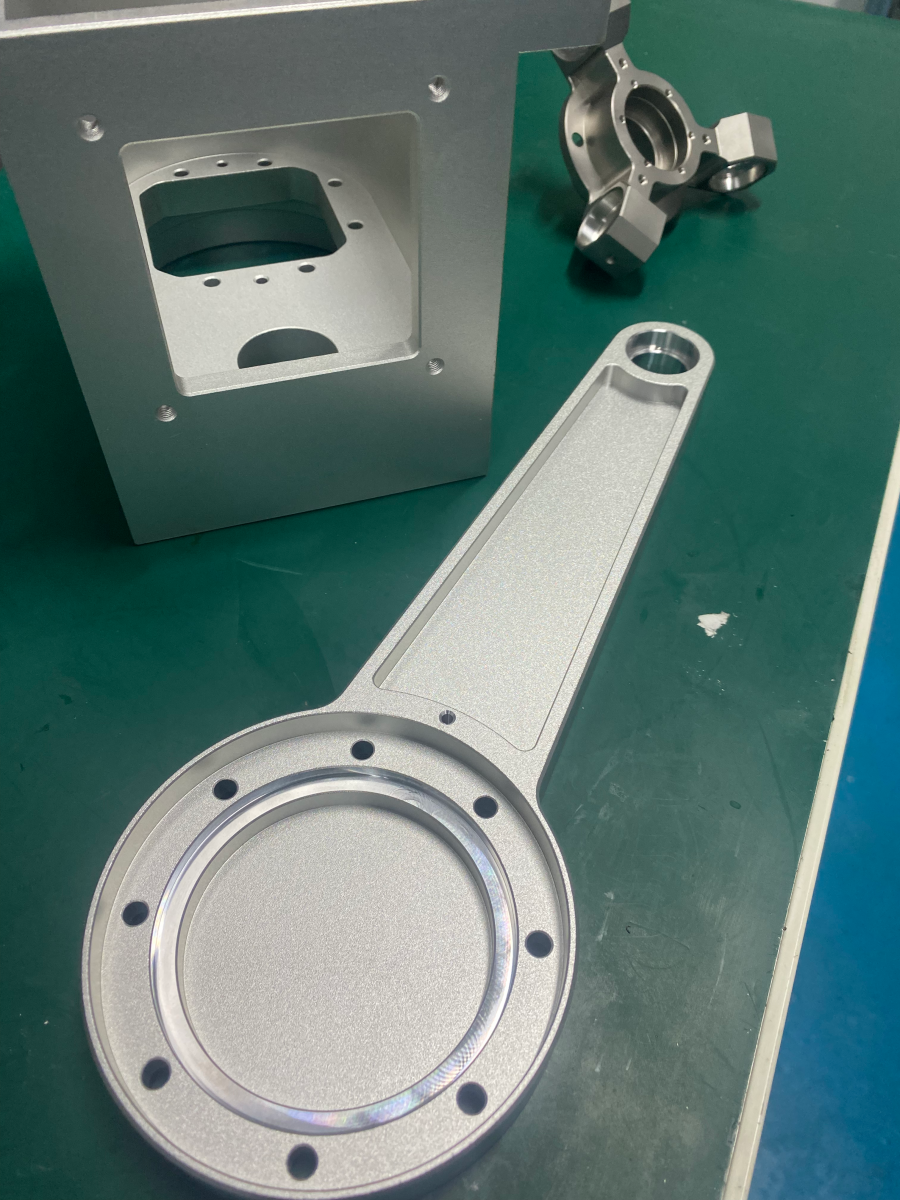
The “Tolerance Mirage”: Suppliers may advertise ultra-tight tolerances on their website, but consistent achievement in production, especially across different materials and complex geometries, is a different matter. Thermal expansion, tool wear, and machine stability become critical factors.
Material Inconsistency and Knowledge Gaps: Not all 6061 aluminum or 316 stainless steel is created equal. Variations in stock material quality, heat treatment, and a supplier’s familiarity with machining specific alloys (like titanium or Inconel) can drastically affect the final part’s performance and machinability.
The “Black Box” of Process Control: Many shops operate as a black box—you send a design and receive parts, with little visibility into the machining strategy, fixture design, or quality control checks performed at each stage. This lack of transparency increases risk.
Secondary Operations Silos: A part often requires turning, milling, grinding, and surface treatment. If these services are fragmented across different vendors, it leads to coordination headaches, compounded tolerances, extended timelines, and increased costs.
Scalability and Consistency Wall: A supplier adept at producing 10 perfect prototypes may struggle with the rigors of a 10,000-piece production run, where maintaining consistency, managing tool life, and ensuring efficient cycle times are paramount.
H3: The Hallmarks of a Superior Turning Parts Service Provider
To navigate these pain points, a truly capable partner distinguishes itself through a combination of technical prowess and systematic rigor.
Advanced Equipment Ecosystem: Look for a facility equipped with modern, well-maintained CNC lathes, including Swiss-type lathes for high-volume, small-diameter parts and multi-axis mill-turn centers for complex components. The presence of in-house supporting equipment like CNC grinding for finishing critical diameters is a significant advantage.
Deep Material and Application Expertise: The best suppliers don’t just cut metal; they understand how different materials behave under the tool. They can advise on design for manufacturability (DFM), suggesting slight modifications that enhance strength, reduce cost, or improve machinability without compromising function.
Integrated, Full-Process Chain: The most efficient and reliable solution comes from a provider that offers a one-stop service. This means they can handle not just the CNC turning but also subsequent milling, heat treatment, precision grinding, and a full range of surface finishes (anodizing, plating, painting, etc.) under one roof, with single-point accountability.
Robust Quality Management System (QMS): Certifications like ISO 9001:2015 are not just plaques on the wall. They represent a systemic commitment to documented processes, continuous improvement, and traceability. For automotive or medical applications, IATF 16949 or ISO 13485 certifications, respectively, are non-negotiable indicators of specialized discipline.
Proactive Communication and Engineering Support: A partner that engages in technical dialogue, provides detailed DFM reports, and offers clear documentation (including First Article Inspection reports) builds trust and prevents costly errors before machining begins.
H2: A Case in Point: Engineering Solutions Through Integrated Turning
Consider a real-world scenario: An aerospace startup requires a high-strength, lightweight titanium actuator housing. The part features a complex internal bore, external threading, and several perpendicular mounting holes.
The Challenge: Titanium is difficult to machine (poor thermal conductivity, work-hardening). The perpendicularity of the cross-holes to the main bore is critical. The part requires a high-integrity surface finish for a sealing interface.
The Fragmented Approach: One shop does the turning, another does the milling for cross-holes, a third performs heat treatment, and a fourth applies a specialty coating. Each handoff introduces alignment error, scheduling delay, and communication overhead.
The Integrated Solution from a Full-Service Provider: A partner like GreatLight CNC Machining Factory tackles this holistically. Using a 5-axis mill-turn center, the majority of features, including the complex bore and preliminary turning, are completed in one chucking, ensuring perfect concentricity. Their in-house engineering team designs a custom fixture to machine the cross-holes with extreme precision. Post-machining stress relief is managed internally, followed by precision grinding on critical surfaces. Finally, a specified coating is applied in their controlled post-processing department. The result is a faster turnaround, guaranteed interface tolerances, and a single technical contact managing the entire workflow.
Conclusion: Making the Strategic Choice for Turning Parts Service CNC Machining
In conclusion, selecting a vendor for turning parts service CNC machining is a strategic decision that impacts product quality, cost, and time-to-market. It transcends a simple price comparison. The ideal partner is characterized by technological depth, process transparency, and a commitment to being an extension of your engineering team. They possess the advanced machinery to execute complex work, the certified systems to guarantee consistency, and the broad service portfolio to shepherd a part from raw material to finished assembly.
For projects where precision, reliability, and integrated execution are non-negotiable, partnering with an experienced and fully-equipped manufacturer is the most prudent path forward. It transforms the procurement process from a transactional necessity into a collaborative value-creation effort, ensuring that every turned component not only meets the print but contributes to the seamless performance of the final product. Discover how a dedicated manufacturing partner can elevate your next project by exploring the capabilities of leaders in the field, such as those showcased by GreatLight Metal Tech Co., LTD. on professional platforms.