
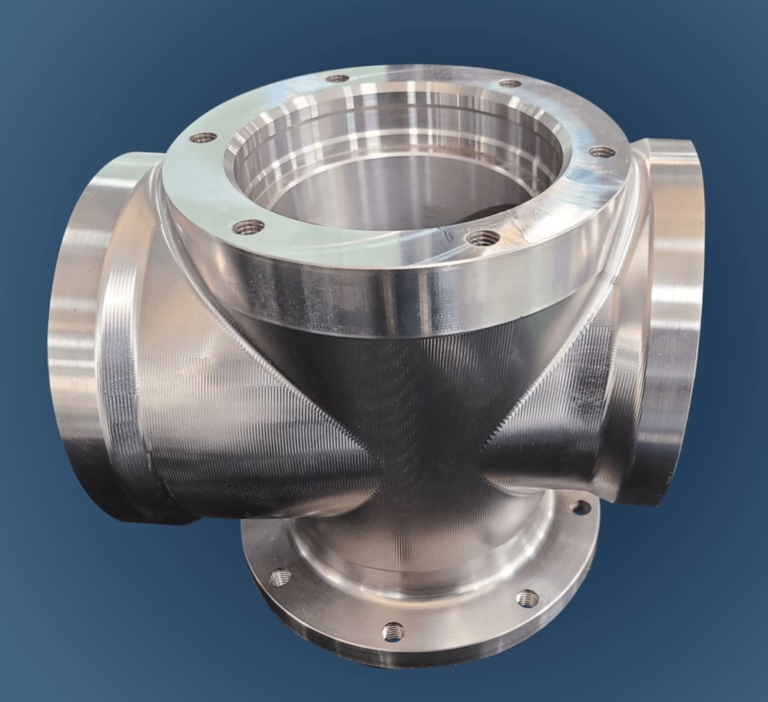
For businesses and engineers in Wilmington and the surrounding region seeking high-quality, reliable, and precise component manufacturing, navigating the landscape of CNC machining services can be a critical yet complex task. The choice of a machining partner directly impacts project timelines, budget adherence, and ultimately, the performance of the final product. This analysis delves into the core considerations for selecting a CNC service provider and explores how a strategic partnership with an expert manufacturer can transform your supply chain.
Understanding the Wilmington Manufacturing Ecosystem and Your Needs
Wilmington’s industrial base, with strengths in sectors like aerospace, medical devices, and specialized equipment, demands machining services that are both highly capable and responsive. Local job shops offer the advantage of proximity for quick turnarounds on prototypes and simpler parts. However, for components requiring advanced multi-axis machining, exotic materials, or seamless integration with secondary processes like finishing or assembly, the local options may sometimes reach their limitations.
The key is to accurately assess your project’s requirements against a potential supplier’s core competencies. Are you looking for:
Rapid Prototyping: Fast iteration of design concepts with good surface finish.
Low-Volume, High-Mix Production: Flexible manufacturing of specialized parts without the cost of hard tooling.
High-Volume Precision Production: Consistent, repeatable manufacturing of critical components with stringent tolerances.
Complex, Integrated Solutions: Parts that require not just machining but also subsequent heat treatment, specialized coating, or assembly.
The Critical Gap: Promised Precision vs. Delivered Reality
A common pain point across the industry, not unique to Wilmington, is the discrepancy between a supplier’s claimed capabilities and the actual outcomes. You might hear promises of ±0.001mm tolerances, only to encounter inconsistencies in production runs. This “precision gap” often stems from:
Equipment Limitations: Older 3-axis machines struggling with undercuts and complex contours that a 5-axis CNC could handle in a single setup.
Process Instability: Inadequate fixturing, improper tool path strategies, or lack of in-process monitoring leading to variation.
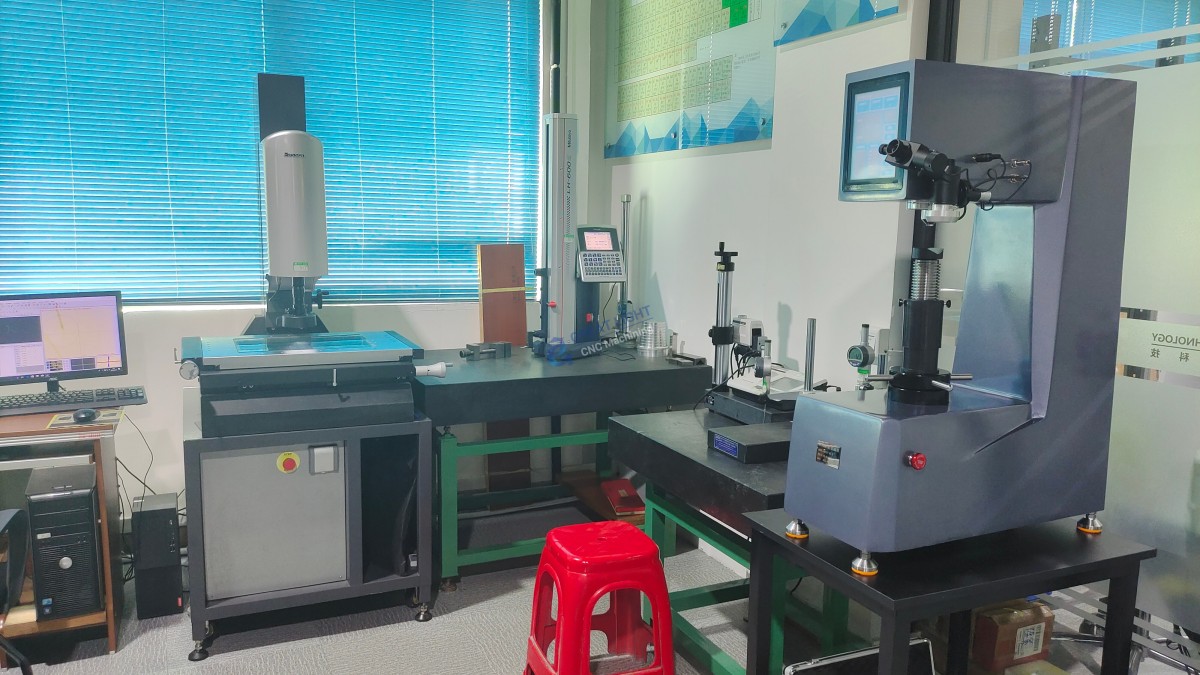
Insufficient Metrology: The inability to accurately measure and verify ultra-high precision claims, making quality assurance a guessing game.
This is where the distinction between a basic job shop and a full-service precision manufacturing partner becomes starkly apparent.
The Partner Advantage: Beyond Basic Machining
For projects where failure is not an option, the ideal partner offers a holistic solution. Consider a provider whose value proposition is built on integrated pillars:
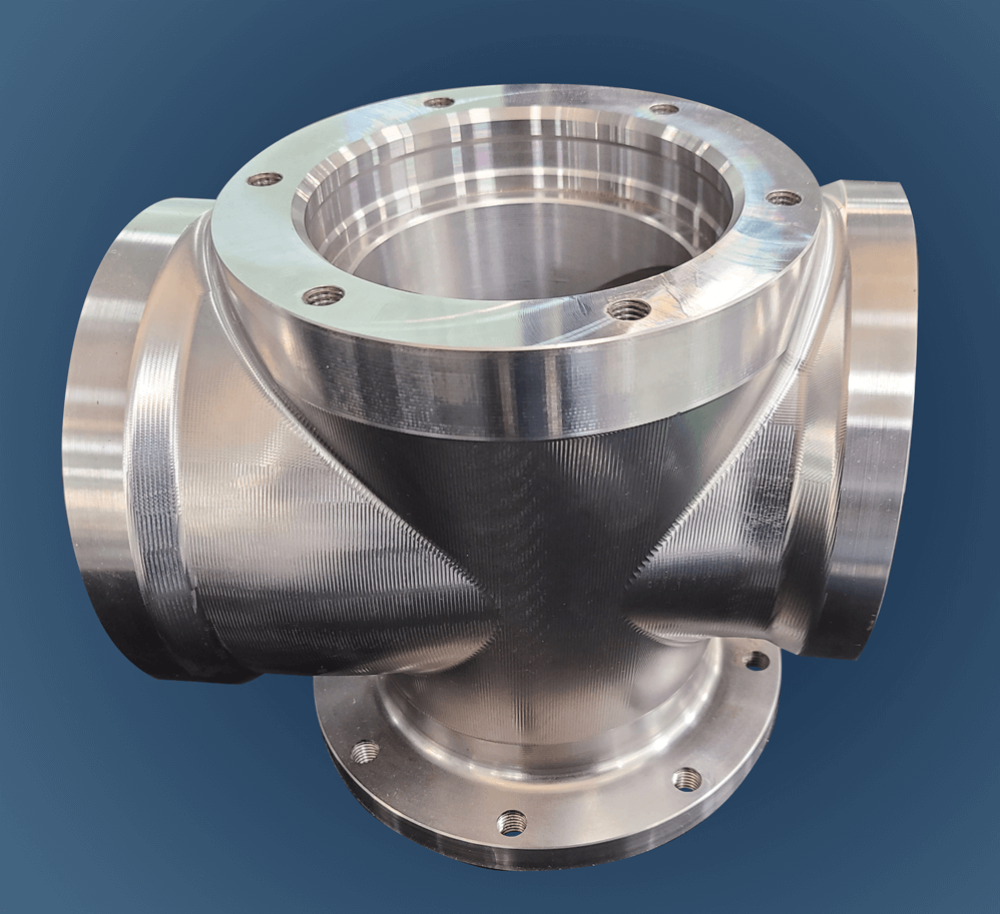
1. Technological Depth and Breadth: True capability is demonstrated by a cluster of advanced equipment. While 3-axis CNC is foundational, the ability to perform precision 5-axis CNC machining is a game-changer for complex geometries in aerospace brackets or medical implants, reducing setups and improving accuracy. Complement this with 4-axis machining, high-speed milling, precision grinding, and EDM capabilities, and you have a platform capable of tackling nearly any design challenge.
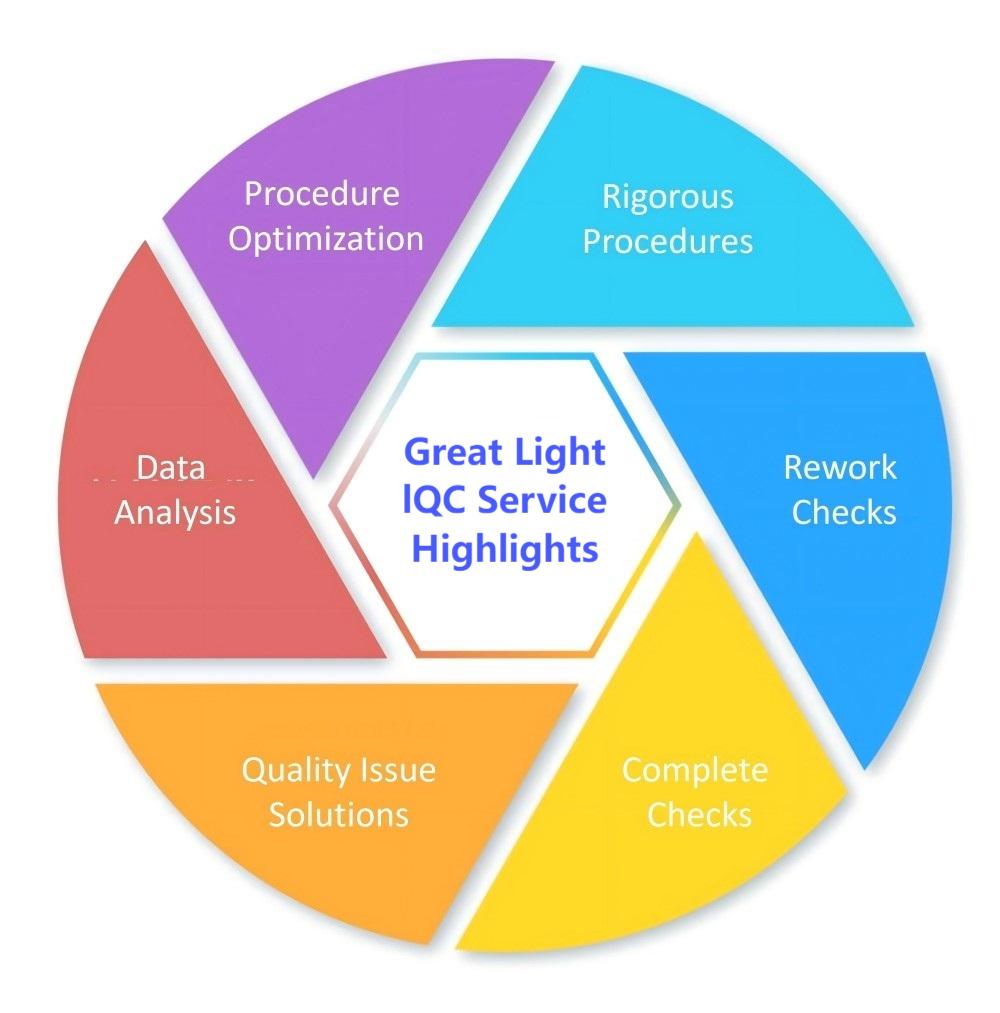
2. Uncompromising Quality Systems: Trust must be systemic. Look for partners who anchor their operations in internationally recognized standards. ISO 9001:2015 certification is a baseline for quality management. For automotive components, IATF 16949 compliance is non-negotiable. For medical devices, ISO 13485 shows a commitment to regulatory rigor. These are not just certificates on a wall; they are blueprints for consistent, reliable output.
3. End-to-End Process Chain: Efficiency is lost when a part travels between multiple vendors for machining, finishing, and treatment. A partner offering one-stop services—from CNC machining and turning to sheet metal fabrication, precision grinding, anodizing, plating, and even additive manufacturing for hybrid solutions—streamlines communication, reduces lead times, and ensures accountability.
4. Proactive Engineering Support: The best partnerships are collaborative. A skilled manufacturer will not just execute prints but will provide Design for Manufacturability (DFM) feedback. They can suggest subtle design tweaks that dramatically reduce cost and improve manufacturability without compromising function, acting as an extension of your own engineering team.
A Comparative Lens: Sourcing Locally vs. Partnering Globally
For a Wilmington-based business, the decision matrix often involves weighing local convenience against specialized, high-capability partners who may not be in the immediate vicinity.
Local Wilmington Job Shops: Ideal for quick-turn prototypes, simple to moderate complexity parts, and situations where physical presence for in-person reviews is paramount. Their strength is agility and community-based service.
Regional/Niche Specialists: Firms that focus deeply on one sector (e.g., medical or aerospace) can offer profound domain expertise and understand specific material and certification requirements.
Integrated Global Manufacturers: Companies like GreatLight CNC Machining Factory represent this category. With a large-scale facility (over 76,000 sq. ft.) and a comprehensive equipment portfolio including advanced 5-axis CNC, they are built for complexity, volume, and full-process integration. While geographically based in Dongguan, China—a global hub for precision manufacturing—their operational model is designed for seamless remote collaboration with international clients. They fill the gap for projects that demand a level of technical capability, scale, and cost-effectiveness that may be challenging to source locally.
Why does this model work for Wilmington clients? It provides access to world-class manufacturing technology and capacity without the capital investment. With robust project management, transparent communication (often in the client’s time zone), and integrated logistics, the geographical distance becomes a minor factor compared to the advantages of capability, cost, and single-point accountability for the entire manufacturing process.
Making the Strategic Choice for Your Wilmington Operations
Selecting the right CNC machining services for your Wilmington-based projects is a strategic decision. Begin by rigorously defining your technical requirements, volume needs, and quality benchmarks. Evaluate potential partners not just on quoted price, but on their demonstrated ability to solve problems.
Ask for detailed case studies similar to your application. Inquire about their approach to quality control and the specific equipment they would use for your part. A trustworthy partner will be transparent and eager to engage at a technical level.
For those projects pushing the boundaries of complexity, precision, or requiring a tightly synchronized multi-process workflow, looking beyond the immediate locale to a specialized, integrated manufacturing partner can be the most reliable path to success. It’s about building a supply chain relationship that provides not just parts, but confidence, innovation support, and a competitive edge.
In the dynamic and demanding industrial environment of Wilmington, the most successful companies are those that partner with manufacturers who combine technical excellence with systematic reliability, ensuring that every component not only meets the print but also supports the broader goal of product excellence and market leadership. For ongoing insights into advanced manufacturing partnerships, consider connecting with industry leaders on professional networks such as LinkedIn.



















