
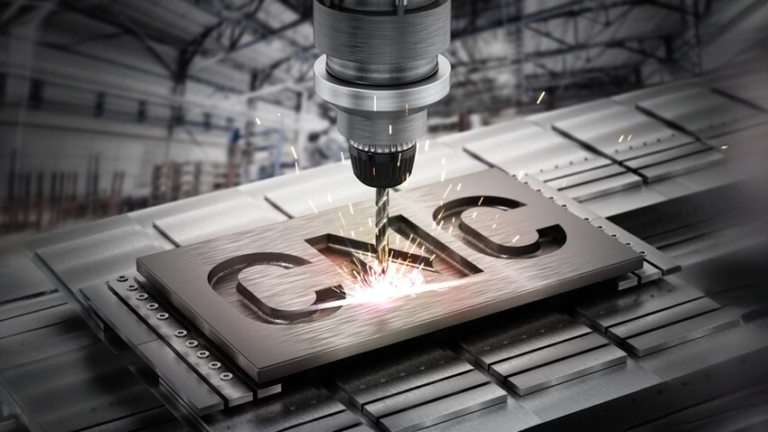
When you’re ready to bring a new part from concept to reality, one of the first and most critical steps is obtaining a CNC precision machining service quote. This document is far more than just a price tag; it’s a comprehensive proposal that outlines the feasibility, cost, and timeline of your project. Understanding what goes into this quote and how to evaluate it can save you significant time, money, and frustration down the line.
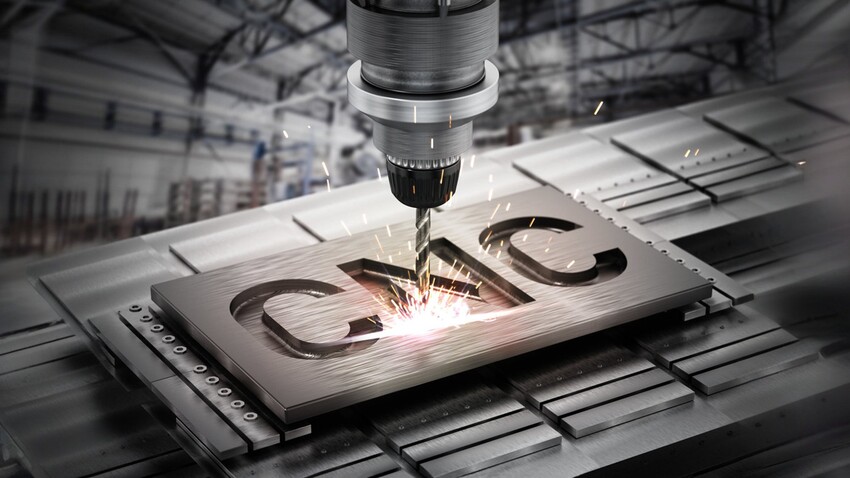
For clients seeking reliable and transparent partnerships, manufacturers like GreatLight CNC Machining Factory have built their reputation on providing detailed, accurate, and competitive quotes that serve as a solid foundation for project success.
H2: Deconstructing a CNC Machining Quote: More Than Just Numbers
A professional quote for CNC precision machining services should be a transparent breakdown of all cost drivers. Here’s what you should expect to see:
Part Analysis & DFM Feedback: Before any numbers are crunched, a reputable shop will analyze your 3D CAD model and drawings. They should provide Design for Manufacturability (DFM) suggestions. This might include recommendations on adjusting tolerances, internal corner radii, or wall thickness to reduce machining time and cost without compromising function. This collaborative step is a hallmark of a true engineering partner.
Material Costs: This includes the raw billet or bar stock. The quote should specify the material grade, size, and supplier. Fluctuations in global metal markets can affect this, so some quotes may note a validity period for material pricing.
Machine Time (Programming & Runtime): This is often the largest cost component. It encompasses:
Programming & CAM Time: The engineering effort to create efficient, error-free toolpaths for the CNC machines.
Setup Time: The time required to fixture the raw material, load tools, and set up the machine for the first part.
Cycle Time: The actual time the machine spends cutting the part. Multi-axis machines like 5-axis CNCs can often complete complex parts in a single setup, reducing total cycle time compared to multiple setups on 3-axis machines.
Tooling & Consumables: High-performance end mills, drills, and inserts are expensive and wear out. The cost of tool wear specific to your part’s material and geometry is factored in.
Secondary Operations: Very few parts are complete straight off the CNC machine. The quote should itemize any required post-processing:
Deburring: Removing sharp edges.
Surface Finishing: Such as anodizing, powder coating, plating, or polishing.
Heat Treatment: For enhancing material properties.
Special Processes: Like EDM (Electrical Discharge Machining) for intricate features.
Quality Control & Inspection: Costs for using precision measuring equipment (CMM, optical scanners, profilometers) to verify dimensions and tolerances. First-article inspection (FAI) and statistical process control (SPC) for production runs should be included.
Packaging & Shipping: How the parts will be protected and delivered.
Profit Margin & Overhead: The manufacturer’s costs for facility, utilities, skilled labor, and business sustainability.
H3: Key Factors That Directly Impact Your Quote
Understanding these variables allows you to make informed decisions that optimize cost:
Part Complexity & Design: Intricate geometries with deep pockets, thin walls, and tight tolerances (±0.001mm or finer) demand more sophisticated machining strategies, longer cycle times, and higher skill levels, increasing cost.
Material Selection: Exotic alloys (e.g., Inconel, titanium) are more expensive and harder to machine than aluminum or standard steels. They require specialized tools and slower speeds, driving up cost.
Quantity & Volume: Unit cost typically decreases with quantity due to amortized setup and programming costs. However, the relationship isn’t always linear. For very high volumes, alternative processes like die casting might become more economical.
Tolerances: Specifying unnecessarily tight tolerances is a major cost driver. Every decimal place tighter can exponentially increase machining time, inspection time, and potential scrap rates. A good partner will advise on what’s functionally necessary.
Surface Finish Requirements: A standard milled finish is included. Specifying a fine surface finish (e.g., Ra 0.4µm) requires additional machining steps or manual polishing, adding cost.
Lead Time: “Rush” orders often incur premium costs, as they may require overtime labor or disrupting other scheduled work.
H2: How to Evaluate and Compare Quotes Effectively
Receiving multiple quotes is standard practice, but comparing them can be challenging. Look beyond the bottom line:
Apples-to-Apples Comparison: Ensure each quote is for the exact same material, quantity, tolerances, finishes, and delivery terms. Vague quotes are a red flag.
Assess the DFM Input: Did the supplier proactively offer value-engineering suggestions? A quote that comes with constructive feedback demonstrates expertise and a partnership mindset.
Clarity and Detail: A quote that is a single lump sum is less trustworthy than one with a clear line-item breakdown. Transparency builds confidence.
Manufacturing Capability: Does the supplier have the right equipment? For complex parts, a shop with advanced 5-axis CNC machining{target=”_blank”} capabilities may offer a more efficient and accurate solution than a shop limited to 3-axis machines, potentially at a better overall value.
Quality Certifications: For regulated industries (automotive, aerospace, medical), ensure the supplier holds relevant certifications like ISO 9001:2015, IATF 16949, or ISO 13485. This isn’t just paperwork; it’s evidence of a controlled quality management system.
Communication & Responsiveness: The quoting process is a preview of the project experience. Were your questions answered promptly and thoroughly?
H3: The GreatLight CNC Machining Factory Approach to Quoting
At GreatLight CNC Machining Factory, the quote is the first step in a collaborative engineering process. With extensive in-house capabilities—from multi-axis CNC machining and EDM to 3D printing and a full suite of finishing services—they provide a truly integrated analysis. Their engineers evaluate not just for cost, but for the most manufacturable and reliable outcome. By leveraging their ISO 9001:2015 certified processes and advanced metrology equipment, they build inspection costs accurately into the quote from the start, ensuring no hidden surprises.
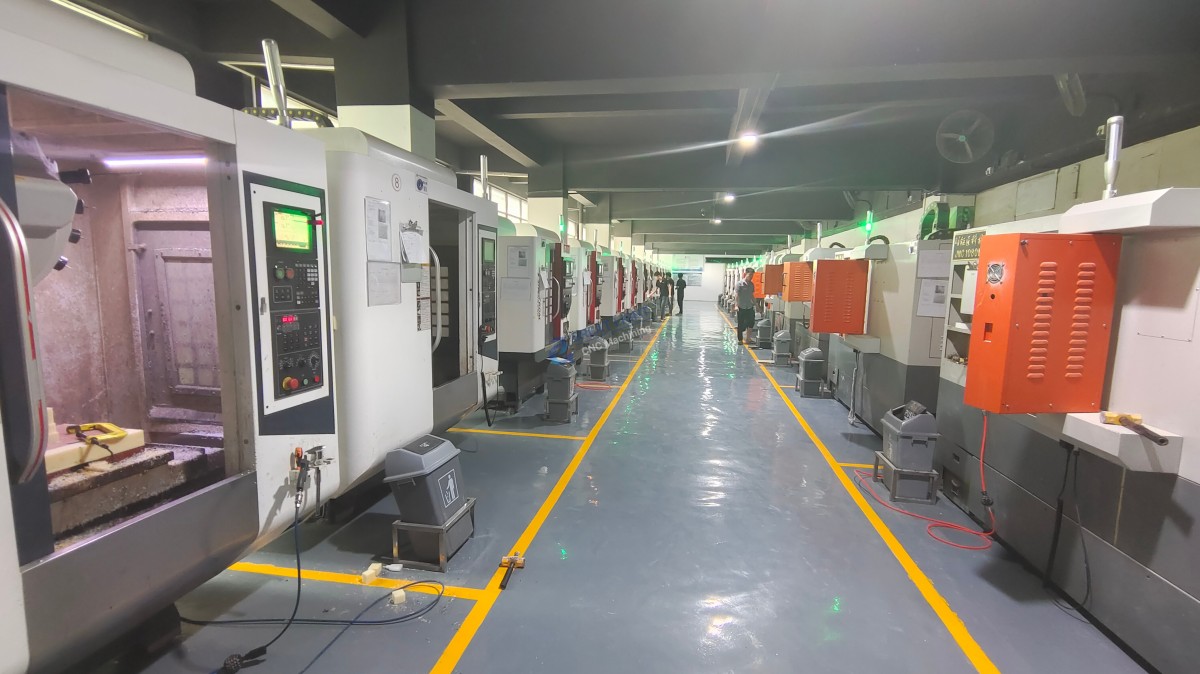
They understand that a CNC precision machining service quote is a promise. It’s a commitment of resources, expertise, and time. Therefore, they invest significant effort in the quoting phase to ensure accuracy, setting the stage for a smooth and successful production run, whether for a single prototype or a batch of custom components.
H2: Navigating the Quote to Order Process
Once you’ve selected a supplier based on a comprehensive CNC precision machining service quote, the next steps are crucial:
Formal Purchase Order (PO): Issue a PO referencing the quote number, with clear terms and conditions.
Final Design Review: Confirm that any agreed-upon DFM changes have been incorporated into the final released drawings.
Material Procurement: The manufacturer will order the specified raw material.
Programming & Setup: The engineering team creates the final machine programs.
First-Article Production & Inspection: The first part(s) off the line are meticulously inspected, with a report provided for your approval before full production begins.
Production & Final QC: The full order is completed, undergoes final quality checks, and is prepared for shipment.
In conclusion, securing an accurate and fair CNC precision machining service quote is a critical skill in product development and manufacturing. By focusing on detailed breakdowns, proactive engineering collaboration, and the underlying capabilities of the supplier, you transform this initial step from a simple price check into a strategic planning tool. Partnering with an experienced manufacturer who views the quote as a blueprint for success, such as GreatLight CNC Machining Factory, ensures your project is built on a foundation of clarity, expertise, and mutual trust from the very beginning. For further insights into their technical expertise and industry presence, you can explore their professional network on LinkedIn{target=”_blank”}.



















