
In the realm of precision manufacturing, the term “CNC machining” is almost universally associated with metals and plastics. However, a fascinating and highly specialized niche exists where the same principles of computer numerical control are applied to a more organic and variable material: wood. CNC timber machining services represent the sophisticated intersection of traditional woodworking artistry and modern digital fabrication, enabling the creation of complex, precise, and repeatable wooden components that were once impossible or prohibitively expensive to produce by hand.
For industries ranging from architectural millwork and high-end furniture to musical instrument manufacturing and custom interior design, the demand for precision-machined timber components is growing. This article delves into the intricacies of CNC timber machining services, exploring its applications, technical considerations, and how partnering with an expert manufacturer like GreatLight Metal can bridge the gap between digital design and tangible wooden masterpieces.
H2: What is CNC Timber Machining?
At its core, CNC timber machining involves using computer-controlled routers, mills, or lathes to cut, carve, drill, and shape solid wood or engineered wood products (like MDF, plywood, or laminated panels). Unlike metal machining, which deals with isotropic materials, wood machining must account for grain direction, moisture content, hardness variability, and potential for tear-out. Advanced 5-axis CNC machines are particularly valuable in this field, as they can approach the workpiece from virtually any angle, allowing for the creation of intricate 3D contours, undercuts, and joinery with impeccable accuracy.
The process begins with a detailed 3D CAD model. This digital blueprint is then translated into machine instructions (G-code) via CAM software, which dictates the toolpaths, spindle speeds, feed rates, and tool changes required. The choice of cutting tool—from straight bits and ball-nose end mills to specialized v-bits for engraving—is critical to achieving the desired surface finish and detail.
H2: Key Applications and Industries
The versatility of CNC timber machining services unlocks possibilities across numerous sectors:
Architectural Elements & Millwork: This includes custom moldings, decorative panels, complex geometric wall claddings, ornate ceiling roses, and bespoke stair components like newel posts and balusters. CNC ensures consistency across large projects and perfect replication of historical restoration details.
High-End Furniture & Joinery: Manufacturers of luxury furniture use CNC to produce precise components for chairs, tables, and cabinets, including complex curved elements, perfect dovetail or mortise-and-tenon joints, and intricate inlays. It allows for both prototyping and batch production.
Musical Instruments: The sound quality of instruments like guitars, violins, and pianos is profoundly influenced by the precision of their wooden parts. CNC machining is used to carve acoustic chambers, shape necks, and create consistent, resonant bodies.
Signage & Artistic Sculptures: From corporate logos to large-scale public art, CNC routers can carve deeply textured reliefs and full 3D sculptures from solid timber blocks, bringing digital artistry into the physical realm.
Prototyping & Model Making: Architects and designers use machined timber to create detailed scale models of buildings and products, benefiting from the material’s aesthetic warmth and machinability.
H2: Technical Challenges and Specialized Considerations
Successfully machining timber requires expertise that goes beyond standard metalworking knowledge. Key considerations include:
Material Variability: Grain direction, knots, and density changes can affect cutting forces and finish. Programming must often adapt toolpaths to cut with the grain to minimize tear-out.
Tooling & Speeds: Carbide-tipped router bits are standard. Optimal spindle speeds and feed rates are higher than for many metals but must be balanced to avoid burning the wood (from too slow a feed) or causing chip-out (from too aggressive a cut).
Dust Management & Safety: Wood dust is a significant fire hazard and health risk. Professional CNC timber machining services must be equipped with powerful industrial dust extraction and collection systems.
Moisture Content & Stability: Wood moves with changes in humidity. Precision parts must be machined from properly seasoned or stabilized timber to prevent warping or dimensional shifts after machining.
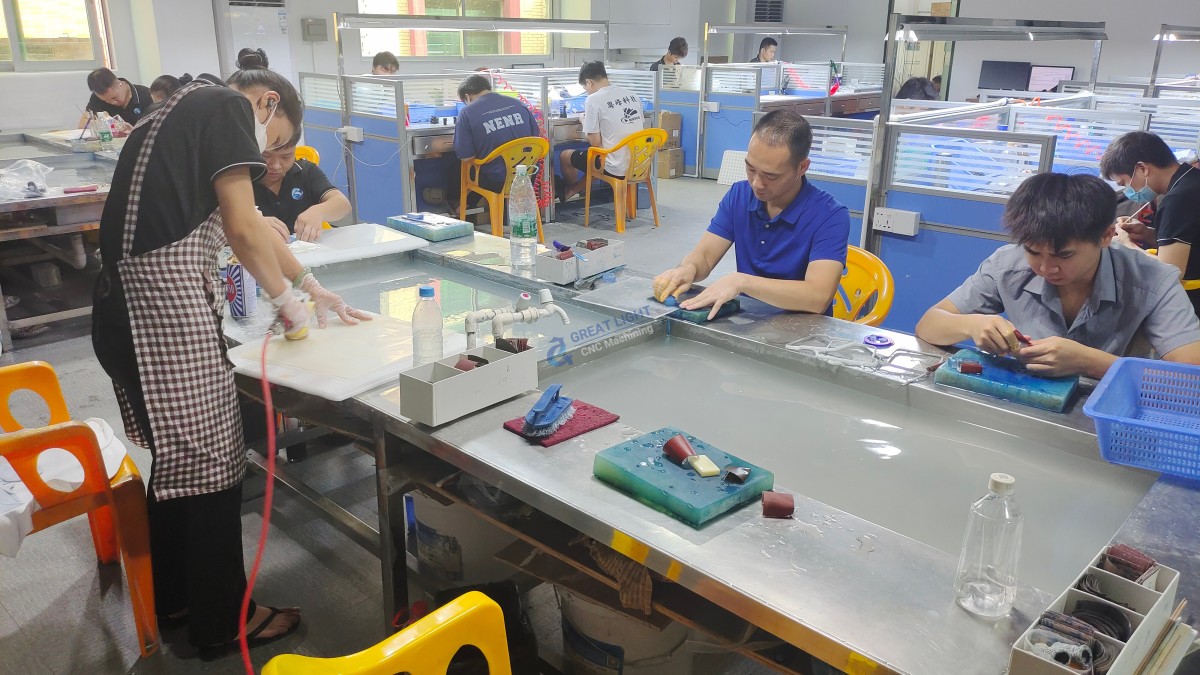
Finishing: While CNC can achieve excellent surface quality, most timber parts require sanding, sealing, staining, or lacquering. A skilled manufacturer understands how machining parameters influence the ease and quality of subsequent finishing steps.
H2: The GreatLight Metal Advantage in Precision Timber Machining
While GreatLight Metal Tech Co., LTD. (GreatLight Metal) is renowned for its prowess in metal and plastic fabrication, our engineering philosophy and advanced capabilities naturally extend into complementary materials like high-performance woods and composites. Our approach to CNC timber machining services is built on a foundation of precision, process integration, and deep technical support.
1. Engineering-First Mindset: We treat timber not just as a craft material but as an engineering substrate. Our team analyzes grain orientation, structural requirements, and assembly methods during the DFM (Design for Manufacturability) stage, advising on optimal blank preparation, machining sequences, and material selection (e.g., using stable laminated stocks for critical dimensions).
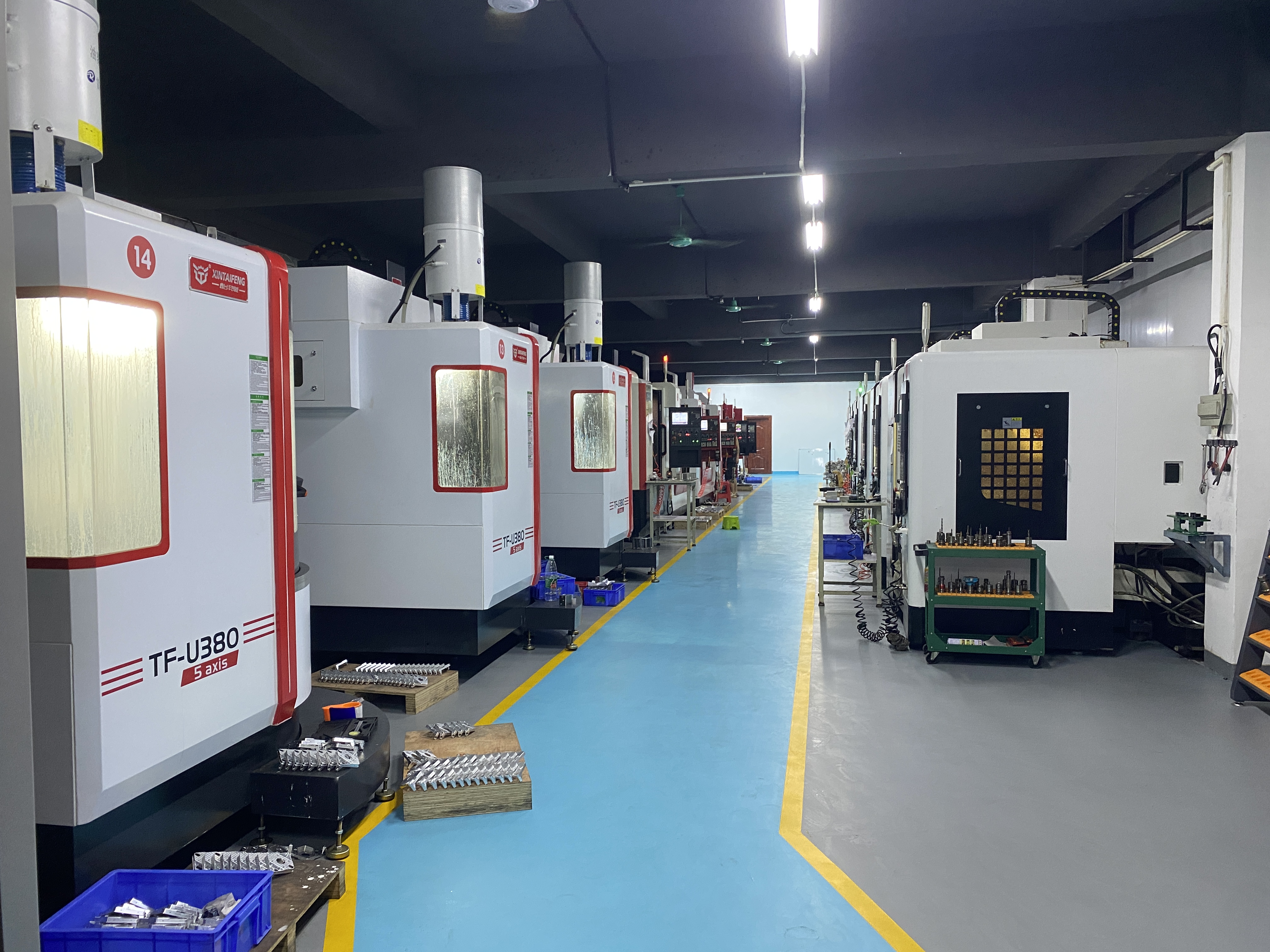
2. Advanced Multi-Axis Machining Capability: Our fleet of high-precision 5-axis CNC machining centers is not limited to metals. These machines are perfectly suited for complex 3D timber work, allowing us to machine sophisticated compound curves and intricate details in a single setup, ensuring superior accuracy and efficiency compared to traditional 3-axis methods.
3. Integrated Post-Processing & Finishing: We offer a true one-stop service. After precision machining, parts can move seamlessly into our dedicated finishing area for sanding, hand-polishing, and the application of high-quality stains, oils, or lacquers. This vertical integration guarantees consistency from raw material to finished component.
4. Quality Assured by System: Our operations are governed by stringent management systems, including ISO 9001:2015 for quality management. This systematic approach ensures process control, documentation, and traceability for every project, whether it’s a one-off prototype or a small production batch. For clients in regulated industries using wood in medical or aerospace applications (e.g., for non-structural interior components), our ISO 13485 and AS9100-inspired rigor in process documentation provides an added layer of confidence.
5. Solving Unique Client Challenges: We have collaborated with designers and engineers to solve unique problems, such as:
Machining ultra-precise interlocking wooden segments for a parametric architectural installation.
Producing small batches of high-stability, machined hardwood components for specialized laboratory equipment.
Creating master patterns and prototypes from timber for subsequent molding and casting processes.
H2: Choosing the Right Partner for CNC Timber Projects
Selecting a supplier for CNC timber machining services requires careful evaluation. Look for a partner that demonstrates:
Material Expertise: Knowledge of different wood species, their machining properties, and suitable applications.
Technical Dialogue: Willingness to engage in DFM discussions to optimize your design for both aesthetics and manufacturability.
Equipment Suitability: Access to modern CNC routers or machining centers with appropriate work envelopes and dust control.
Finish Quality: A portfolio that showcases not just cutting but also high-quality finishing capabilities.
Project Management: Ability to handle the entire process from material sourcing to final inspection and delivery.
Conclusion: Precision Meets Organic Form
CNC timber machining services have revolutionized what is possible with wood, transforming it from a material shaped primarily by hand tools to one that can be digitally sculpted with microscopic precision. It empowers designers and engineers to explore complex forms and ensure structural integrity with repeatable accuracy. For projects demanding the highest level of precision, integration with other materials, or simply the assurance of working with a systematically managed manufacturing partner, engaging with a technically adept provider is crucial.
For those seeking a partner that combines the rigor of precision engineering with the flexibility to work across material families—from advanced alloys to fine timbers—GreatLight Metal offers a compelling proposition. Our commitment to solving manufacturing challenges through advanced technology, full-process control, and collaborative engineering makes us an ideal choice for bringing your most ambitious wooden designs to life. Explore the potential of precision digital woodcraft with a partner dedicated to turning your vision into reality.
To discover more about our comprehensive approach to advanced manufacturing and connect with our team of engineers, find us on LinkedIn{:target=”_blank”}.



















