
When exploring the world of digital fabrication, a common point of confusion arises between different types of equipment. Many people see a machine cutting or engraving material with a computer-controlled tool and assume it’s all the same technology. This leads to the frequent question: Is Glowforge a CNC machine?
The short answer is no, a Glowforge is not a CNC machine in the traditional, industrial sense. While both are computer-controlled tools for making things, they belong to fundamentally different categories of technology with distinct principles, capabilities, and ideal applications. Understanding this distinction is crucial for manufacturers, engineers, and designers when selecting the right tool for a precision parts project.
H2: Decoding the Technologies: Laser Cutting vs. CNC Machining
To clear the confusion, we must look under the hood at how each machine operates.
What is a Glowforge?
A Glowforge is a desktop laser cutter and engraver. It uses a high-powered laser beam (typically a CO2 laser) to vaporize, melt, or burn away material along a predetermined path. Its operation is primarily subtractive in the sense it removes material, but it does so through thermal ablation rather than mechanical force.
Process: Thermal (Laser)
Tool: Focused light beam
Material Interaction: Melts, vaporizes, or burns
Typical Materials: Wood, acrylic, leather, fabric, paper, anodized aluminum (for surface marking), some plastics. It struggles with metals (except for engraving), PVC (releases toxic gas), and glass.
Key Characteristic: Contactless process; the laser head does not physically touch the material.
What is a CNC Machine?
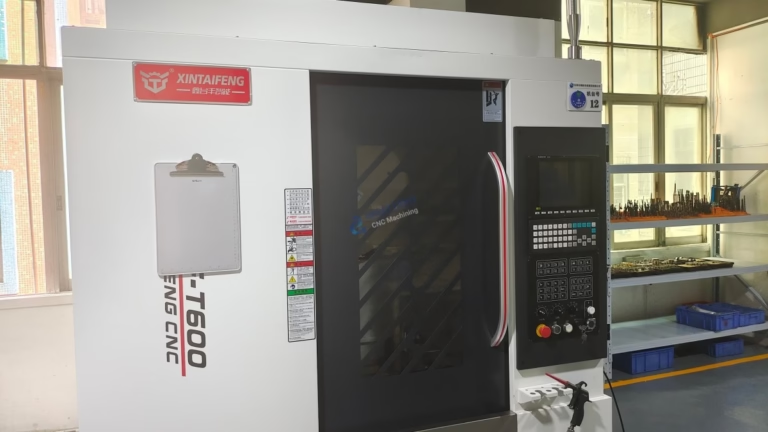
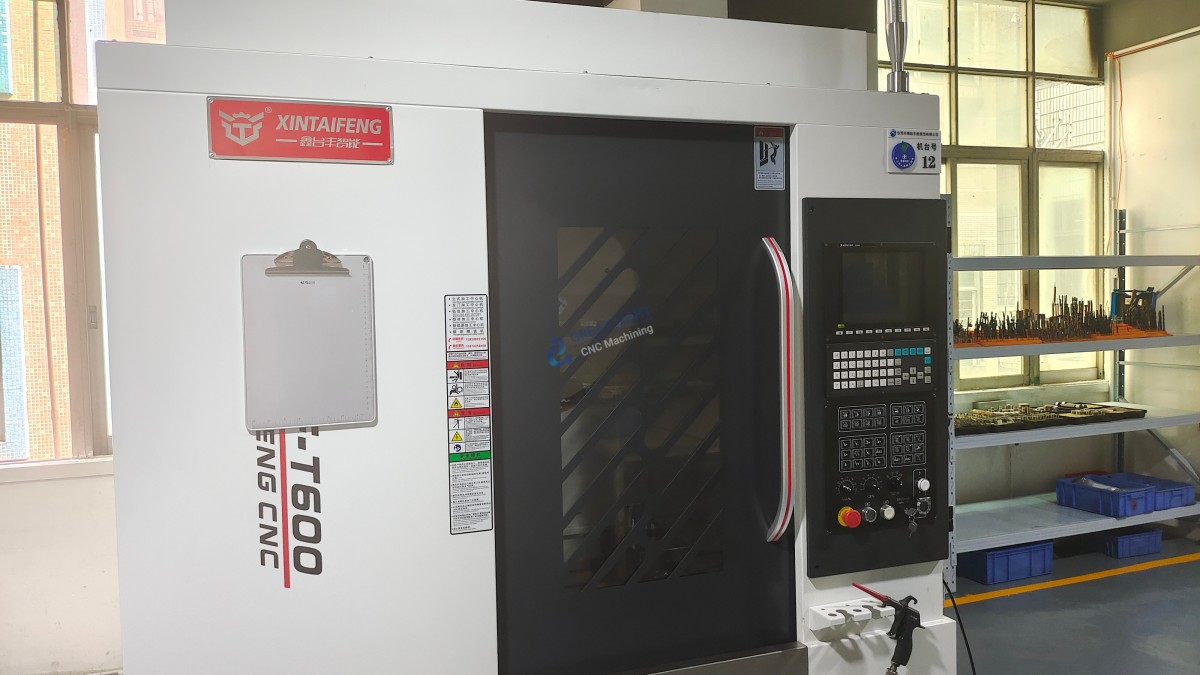
CNC stands for Computer Numerical Control. This is a broad category encompassing machines that use computer-programmed commands to control the movement of physical cutting tools. The most common types are CNC mills and lathes.
Process: Mechanical (Milling, Turning, Drilling)
Tool: Solid end mills, drills, inserts (made of carbide, HSS, etc.)
Material Interaction: Shears, chips, and cuts away material through physical force.
Typical Materials: Virtually all engineering materials – metals (aluminum, steel, titanium, brass), plastics (ABS, Nylon, PEEK), wood, and composites.
Key Characteristic: Contact process; a rigid cutting tool engages with the workpiece.
H3: Core Differences in Capability and Application
The technological divide creates a significant gap in what each machine can achieve, especially in the context of industrial precision parts manufacturing.
| Feature | Glowforge (Laser Cutter) | Industrial CNC Machine (e.g., 5-Axis Mill) |
|---|---|---|
| Primary Process | Laser cutting/engraving (Thermal) | Mechanical milling, turning (Subtractive) |
| Dimensional Capability | Primarily 2D profiles and surface engraving. Limited 3D capability via rastering depth. | Full 3D volumetric machining. Can create complex contours, pockets, undercuts, and true 3D shapes. |
| Precision & Tolerance | Good for craft/design (±0.1mm to ±0.5mm typical). Kerf (laser burn width) affects precision. | Excellent for engineering. High-end machines like those at GreatLight CNC Machining Factory can hold tolerances of ±0.001mm or better for critical features. |
| Material Versatility | Limited to laser-compatible materials. Cannot effectively cut most metals for structural parts. | Extremely broad. Engineered for metals, hard plastics, and composites. The workhorse of industrial part making. |
| Edge & Surface Finish | Cut edges are often charred (wood) or melted (acrylic). May require post-processing. | Can achieve a wide range of finishes, from rough machined to mirror-like surface quality, directly from the machine. |
| Part Strength & Integrity | Heat-affected zone (HAZ) can weaken material at the cut edge, induce thermal stress, or alter material properties. | Mechanical cutting preserves the base material’s metallurgical or polymer properties. Parts have superior structural integrity. |
| Typical Use Case | Prototyping models, signage, decorative inlays, custom gifts, thin material fabrication. | Manufacturing functional prototypes, end-use parts, molds, tooling, aerospace components, medical device parts. |
H3: The Verdict for Precision Parts Manufacturing
For anyone involved in precision parts machining and customization, the choice becomes clear:
Choose a Laser Cutter (like Glowforge) when: You need to quickly prototype 2D geometries in wood or acrylic for form/fit checks, create non-structural models, or produce decorative elements. It’s a fantastic tool for designers, educators, and small-scale craft production.
Choose a CNC Machine when: You are manufacturing functional, high-precision, load-bearing components. This is the domain of 5-axis CNC machining{:target=”_blank”}, where the requirement is for:
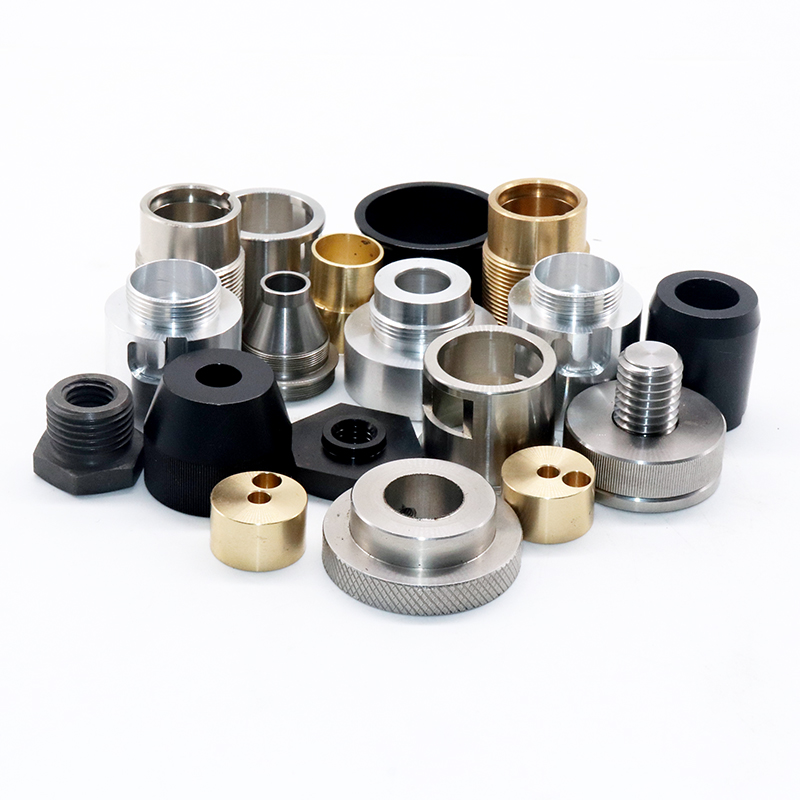
Complex 3D Geometry: Parts with organic shapes, compound angles, and intricate details that cannot be made from a flat sheet.
Engineering Materials: Parts made from aluminum 6061, stainless steel 316, titanium Ti6Al4V, or engineering plastics like POM or PEEK.
Extreme Precision: Features requiring tight tolerances for assembly, sealing, or motion.
Superior Mechanical Properties: Parts that must withstand stress, heat, or chemical exposure without failure.
H2: Why a Professional Partner Like GreatLight CNC Machining Factory is Essential
While a desktop Glowforge serves a valuable niche, scaling an idea into a reliable, precision-manufactured component requires industrial-grade capability and expertise. This is where partnering with a specialist manufacturer becomes critical.
GreatLight CNC Machining Factory exemplifies the capabilities needed for serious precision manufacturing. With a foundation built on advanced multi-axis CNC technology, a comprehensive in-house process chain, and rigorous quality systems like ISO 9001:2015, they solve the core pain points that desktop machines cannot address.
For instance, producing a complex aluminum housing for a humanoid robot joint involves:
5-Axis Machining: To mill the complex internal cavities and external contours in a single setup, ensuring accuracy and saving time.
Precision Tolerances: Holding critical bore and mounting face tolerances within ±0.01mm to ensure perfect bearing fit and alignment.
Material Expertise: Selecting the correct aluminum alloy and temper for optimal strength-to-weight ratio.
Post-Processing: Applying finishing processes like anodizing for wear and corrosion resistance—a step far beyond simple laser engraving.
A Glowforge cannot begin to approach this level of manufacturing. It is the difference between making a model of a part and making the actual, functional part itself.
Conclusion
So, is Glowforge a CNC machine? No, it is not. It is a capable and accessible laser cutter designed for a different market and purpose. For hobbyists, designers, and certain prototyping needs, it is an excellent tool. However, for the demands of precision parts machining and customization—where dimensional accuracy, material integrity, complex 3D forms, and functional reliability are paramount—industrial CNC machining is the indispensable and correct technology. Partnering with an expert manufacturer that leverages advanced CNC capabilities, like GreatLight CNC Machining Factory, ensures your designs are translated into high-quality, durable components that meet the rigorous standards of modern engineering.
H2: Frequently Asked Questions (FAQ)
Q1: Can a Glowforge cut metal for small metal parts?
A: Generally, no. Standard Glowforge models can only engrave the surface of coated or anodized metals. They cannot cut through metal sheets to create structural parts. Cutting metals requires much higher-power fiber lasers, which are found on industrial laser cutting systems, not desktop units.
Q2: I have a 3D CAD model. Can both machines use it?
A: Yes, but differently. A Glowforge requires 2D vector files (like SVG or DXF) extracted from your 3D model, representing the cut lines. A CNC machine uses the full 3D CAD file (like STEP or SLDPRT) to generate toolpaths that guide the cutting tool in three-dimensional space, allowing it to create the actual volume of the part.
Q3: Which is better for rapid prototyping?
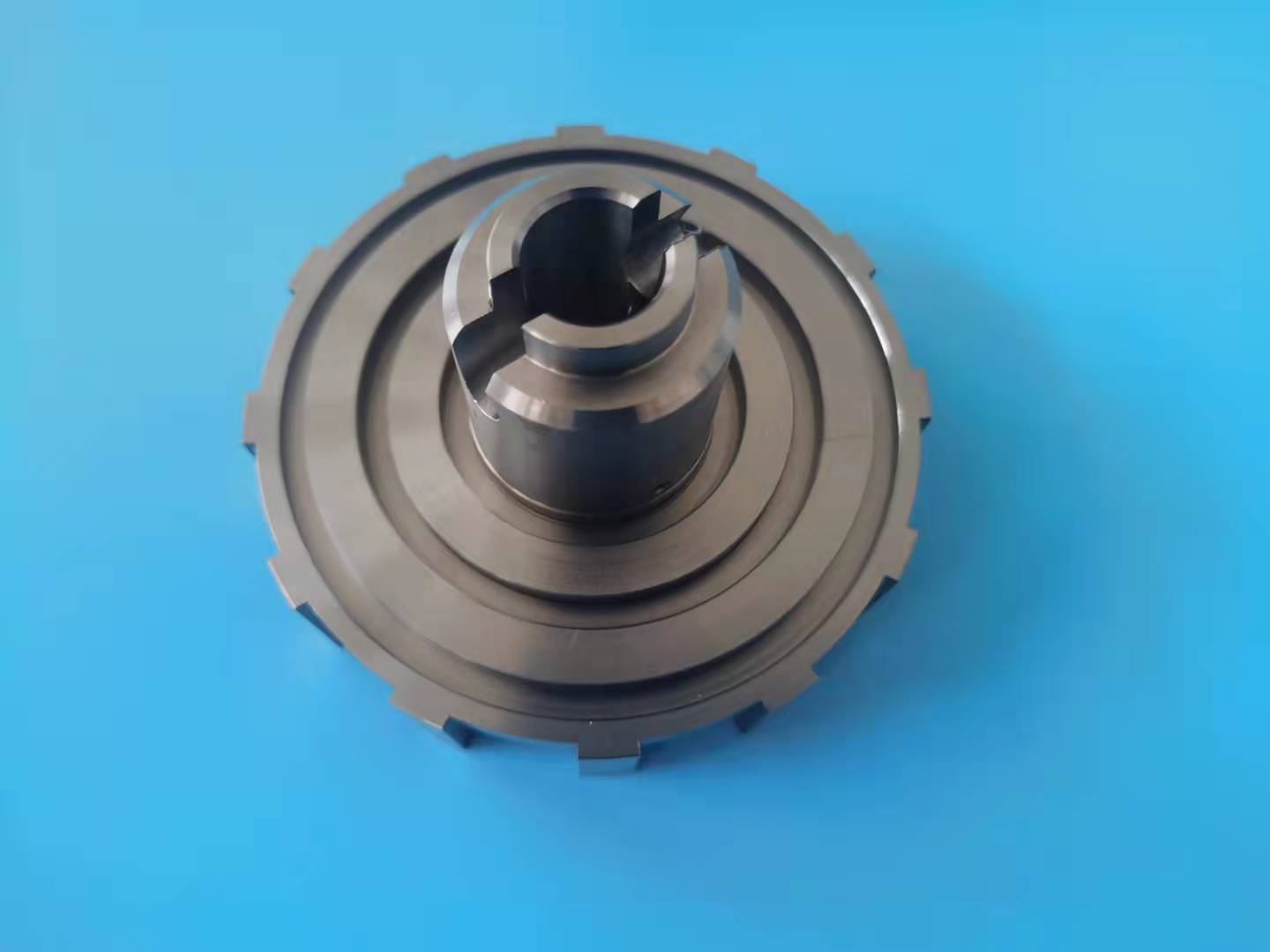
A: It depends on the prototype’s purpose. For a looks-like prototype made of wood or acrylic to check shape and size, a Glowforge is faster and cheaper. For a works-like prototype that needs to function, bear load, or test assembly with other metal components, CNC machining is the only viable choice.
Q4: Does GreatLight CNC Machining Factory offer services for prototypes as well as production?
A: Absolutely. This is a key strength of professional CNC shops. They provide seamless support from low-volume rapid prototyping—using the same CNC processes intended for production—all the way through to full-scale manufacturing. This ensures prototype parts are truly representative of the final production version in material, tolerance, and performance.
Q5: How do I choose between laser cutting and CNC machining for my project?
A: Ask these questions:
Material: Is it metal or a hard engineering plastic? -> Choose CNC.
Geometry: Is it a simple 2D shape from sheet material? -> Laser might work. Is it a complex 3D part with depth, pockets, and curves? -> Choose CNC.
Function: Is it decorative or a visual model? -> Laser might work. Is it a mechanical part that needs strength and precision? -> Choose CNC.
When in doubt, consulting with an application engineer at a manufacturer like GreatLight CNC Machining Factory is the best step to determine the most efficient and effective process for your specific part. For more insights into advanced manufacturing partnerships, you can follow industry developments on platforms like LinkedIn{:target=”_blank”}.



















