
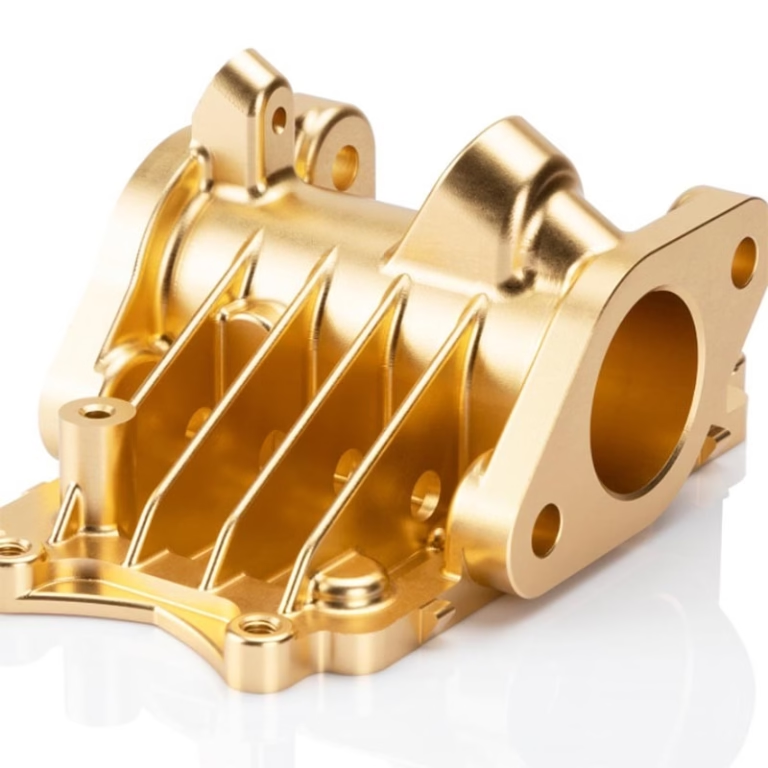
When it comes to precision manufacturing, the question of what holds a CNC machine grinder size dimensions is fundamental to achieving the micron-level accuracy demanded by industries from aerospace to medical devices. The answer is not a single component but a sophisticated, interdependent system of mechanical integrity, thermal management, software intelligence, and metrological verification. As a senior manufacturing engineer, I will dissect the critical elements that ensure a CNC grinding machine maintains its dimensional prowess throughout its operational life.
H2: The Bed and Frame: The Unyielding Foundation
The journey to holding size begins with the machine’s foundation. The bed and frame are the bedrock of dimensional stability.
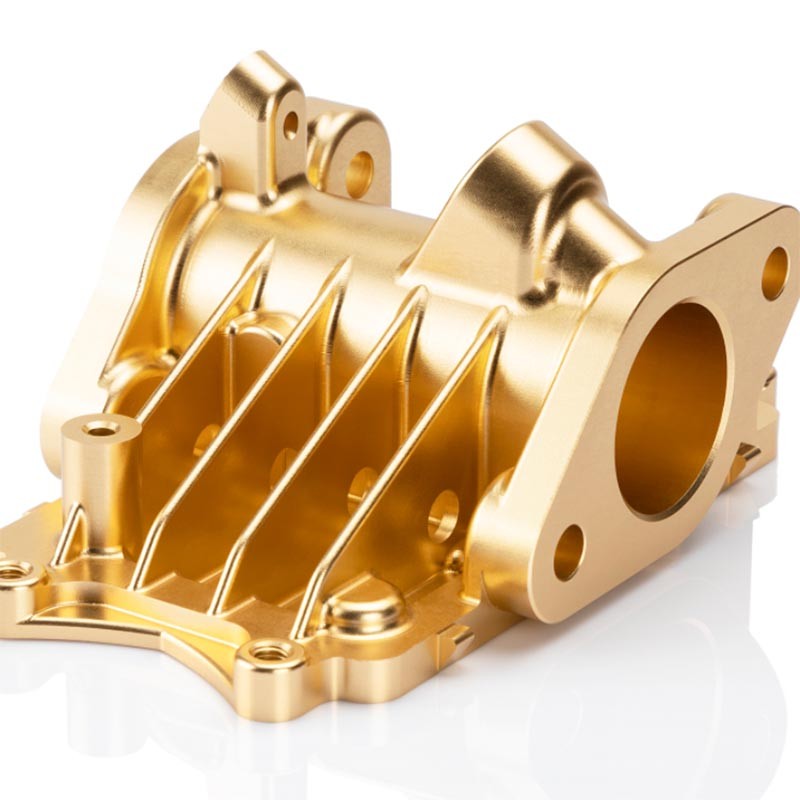
Material Science: High-quality cast iron, often with polymer concrete composites, is used for its superior damping characteristics. It absorbs vibrations from the grinding process and the factory floor, preventing them from translating into chatter marks or dimensional errors on the workpiece.
Structural Rigidity: The design must resist static and dynamic loads. Any flexure under the force of the grinding wheel or the weight of the workpiece is an enemy of precision. Finite Element Analysis (FEA) is employed during design to optimize ribbing and wall thickness, ensuring maximal stiffness.
Thermal Symmetry: Modern beds are designed with symmetrical thermal mass to ensure that if one section heats up, it expands uniformly, minimizing thermal distortion that could twist the machine’s geometry.
H3: The Guideway System: The Path of Least Deviation
The linear motion systems dictate the straightness and flatness of every move.
Pre-Rolled or Ground Linear Guideways: These provide extremely low-friction, high-rigidity motion. The preload on the bearing blocks is critical—too little causes play, too much generates excessive heat and wear.
Hydrostatic Guideways: For the ultimate in precision and damping, some high-end grinders use hydrostatic guides. A thin film of pressurized oil supports the moving elements, offering near-frictionless motion and exceptional vibration damping, crucial for achieving optical-quality surface finishes and sub-micron size holding.
H4: The Spindle System: The Heart of Precision
The grinding spindle and the workpiece spindle are where the proverbial rubber meets the road.
Bearing Technology: High-precision angular contact ball bearings or hydrodynamic/hydrostatic bearings are used. Their runout must be measured in tenths of a micron. Temperature-controlled oil or grease is often circulated to maintain a consistent thermal state.
Power and Torque: A spindle must maintain constant surface speed under varying load to ensure uniform material removal. AC servo-driven spindles with vector control provide the responsive torque needed for this.
Thermal Growth Management: Spindles generate heat. Advanced systems integrate cooling channels around the bearing housings and sometimes even through the spindle shaft itself, connected to a chiller unit to maintain thermal stability.
H3: The CNC and Servo Drive System: The Digital Brain and Muscles
The controller and drives translate digital commands into physical motion with fidelity.
Closed-Loop Feedback: High-resolution linear encoders (often glass scale or laser interferometer-based) are mounted directly on the moving axis, not on the motor. This measures the actual table position, compensating for any mechanical backlash or screw wear (direct measuring system).
Servo Tuning and Control Algorithms: Sophisticated algorithms predict and compensate for servo lag, friction, and inertia. Features like look-ahead in the CNC smooth path trajectories, preventing dwell marks and overshoot.
Thermal Compensation Software: The CNC is fed data from temperature sensors strategically placed on the bed, ball screws, and spindles. It then dynamically adjusts axis offsets in real-time to counteract thermal expansion, a critical feature for holding size over long, unattended cycles.
H2: The In-Process Gauging and Wheel Dressing: The Closed-Loop of Control
Holding size isn’t just about a stable machine; it’s about active control of the process.
In-Process Gauging: Probes or laser micrometers measure the workpiece during grinding. This data is fed back to the CNC, which can adjust the infeed to account for wheel wear, part deflection, or material hardness variations. This creates a true closed-loop manufacturing cell.
Precision Wheel Dressing: A worn or poorly dressed wheel cannot produce accurate dimensions. Automated dressing systems, often using single-point or rotary diamond dressers, are triggered at precise intervals. The CNC compensates for the dressed wheel’s new diameter and profile instantly.
H3: Environmental and Operational Discipline
Even the best machine cannot perform in a hostile environment.
Temperature Control: The ideal shop environment is held at 20°C ±1°C (68°F). Grinding generates heat, so effective coolant filtration and temperature control are non-negotiable. The coolant itself must be kept within a tight temperature band.
Foundational Stability: The machine must be installed on a properly engineered foundation, isolated from floor vibrations. Precision leveling during installation sets the geometric accuracy for the machine’s lifetime.
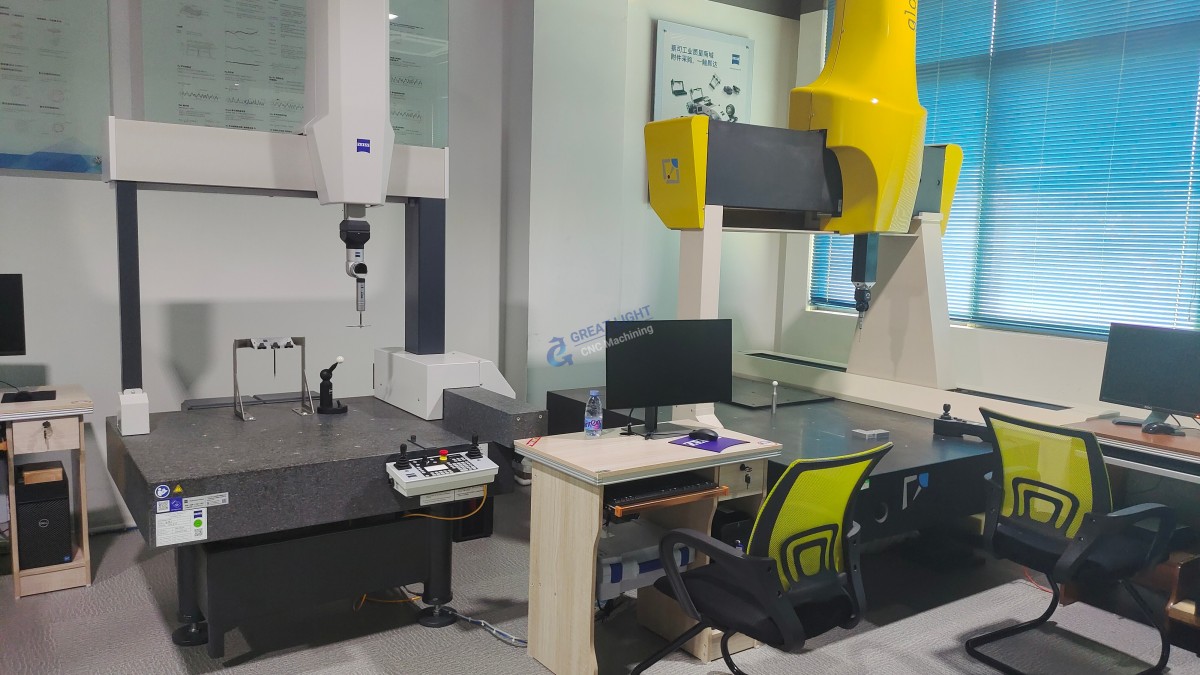
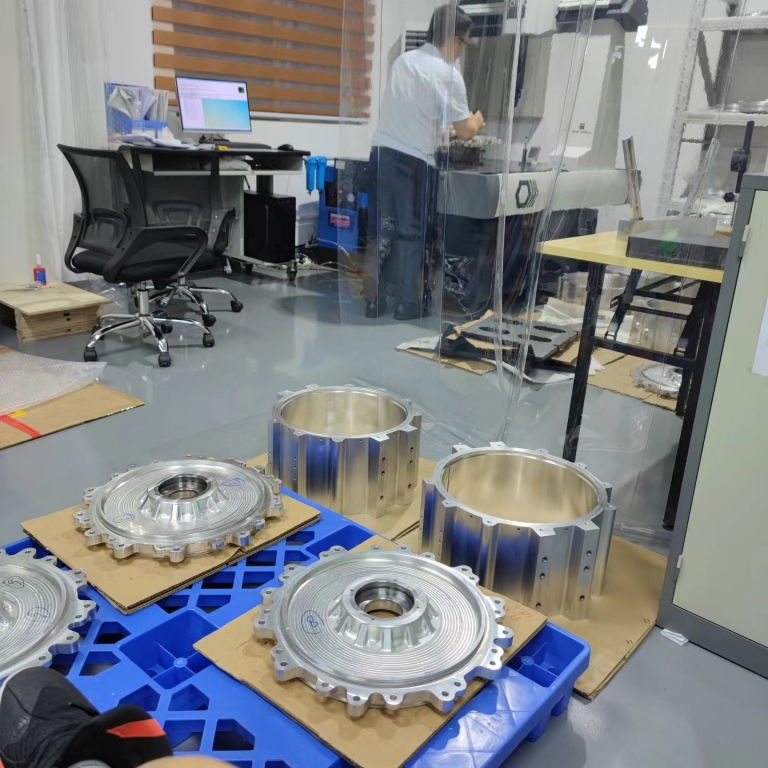
Rigorous Metrology and Maintenance: Ultimate size-holding capability is verified and maintained through regular calibration using artifacts like gauge blocks, step gauges, and laser interferometers. A proactive preventative maintenance schedule for lubrication, way cover integrity, and filter changes is essential.
Conclusion: A Symphony of Engineering, Not a Single Note
So, what holds a CNC machine grinder size dimensions? It is the synergistic integration of a massively rigid and thermally symmetric structure, guided by friction-minimized and feedback-controlled motion systems, driven by intelligent software that compensates for real-world variables, and validated by in-process metrology. It is a symphony of mechanical, electrical, and software engineering working in concert.
For clients seeking partners who understand this depth of engineering, the choice of manufacturer is paramount. GreatLight CNC Machining Factory embodies this holistic understanding. Our facility is equipped with advanced five-axis CNC machining centers and grinding capabilities that are founded on these very principles. We don’t just operate machines; we master the ecosystem that ensures their precision. From our ISO 9001:2015 certified processes to our climate-controlled production floor and in-house precision measurement lab, every aspect of our operation is designed to answer the central challenge of holding size dimensions with unwavering consistency. When your project demands not just a part, but a dimensionally perfect component, partnering with a manufacturer that grasps the full scope of what holds a CNC machine grinder size dimensions is your most critical decision.
FAQ: CNC Grinder Size Holding Dimensions
Q1: What is the most common cause of a CNC grinder failing to hold size over a production run?
A: Thermal instability is often the primary culprit. This can be from the grinding spindle, the coolant temperature fluctuating, or ambient shop temperature changes. Inconsistent wheel dressing or a lack of in-process gauging to compensate for wheel wear are also common operational causes.
Q2: How does a linear encoder provide better size-holding than a rotary encoder on a motor?
A: A rotary encoder on the motor measures screw rotation, assuming it translates perfectly to linear motion. A linear encoder measures the actual position of the machine table. It directly compensates for errors like ball screw backlash, thermal expansion of the screw, and pitch errors, providing a more accurate closed-loop.
Q3: Can a CNC grinder hold tolerances below 0.001mm (1 micron)?
A: Yes, high-precision CNC grinders, especially cylindrical or jig grinders with hydrostatic guides, in-process gauging, and in a tightly controlled environment, are capable of holding tolerances in the sub-micron range (e.g., ±0.0002mm or 0.2 microns) for critical dimensions.
Q4: What role does the coolant play in dimensional accuracy?
A: A critical role. Its primary function is to remove heat from the grinding zone. If the coolant temperature is not controlled, it can heat the part unevenly, causing thermal expansion during machining and subsequent contraction afterward, leading to size drift. Modern systems use chillers to maintain coolant temperature within ±1°C.
Q5: Why would a manufacturer like GreatLight CNC Machining Factory invest in such high-precision grinding capabilities?
A: For the same reason we invest in five-axis CNC machining: to provide complete, high-integrity manufacturing solutions. Many of our clients in fields like aerospace engine components, medical implants, and robotics require hardened materials finished to extreme tolerances and surface finishes. Having in-house mastery over precision grinding allows us to ensure quality, control lead times, and provide a seamless process from rough machining to final super-finished part, all under one roof with rigorous quality standards like IATF 16949 and ISO 13485 where applicable.



















