
How Are Non-Cutting Times Reduced in CNC Machining?
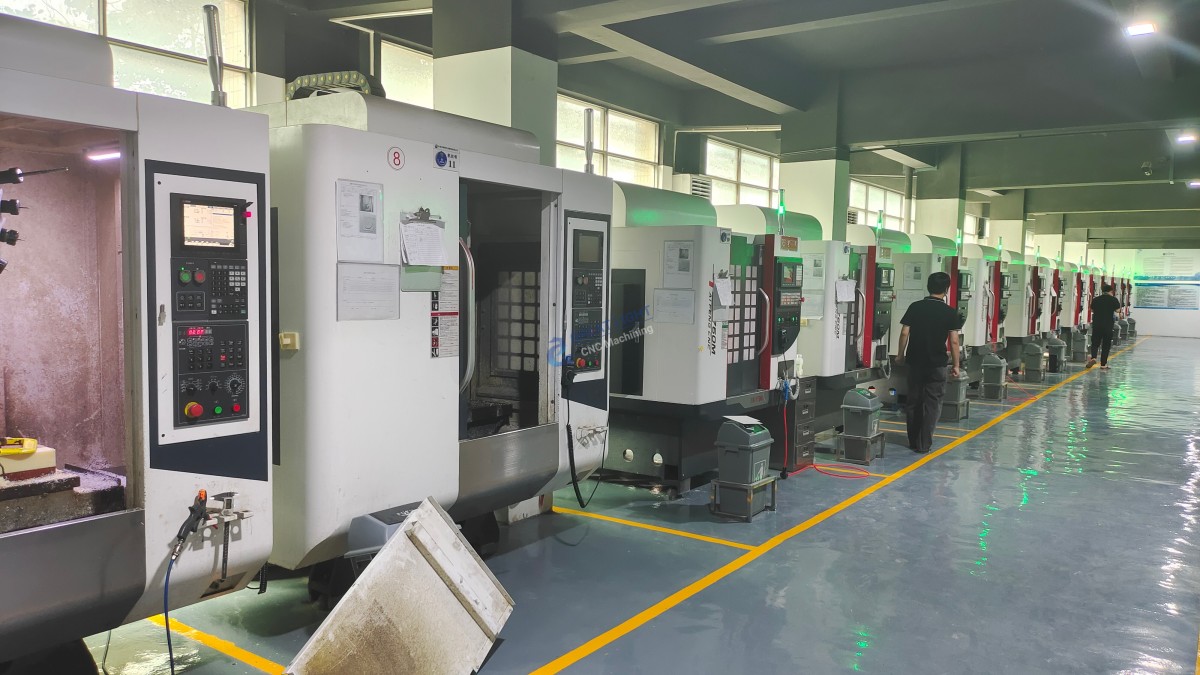
In the realm of CNC machining, reducing non-cutting times is crucial for enhancing overall production efficiency and reducing costs. GreatLight CNC Machining Factory, with its advanced equipment and comprehensive services, offers several strategies to minimize these downtime periods.
Understanding Non-Cutting Times
Non-cutting times refer to the periods during a machining operation when the tool is not actively removing material. These can include setup times, tool changes, positioning, and any other activities that do not involve cutting. Reducing these times can significantly improve productivity.
Strategies to Reduce Non-Cutting Times
1. Optimized Tool Management
Tool Changer Efficiency: Utilizing a quick-change tool system can drastically reduce the time taken for tool changes. GreatLight CNC Machining Factory employs state-of-the-art tool changers that allow for rapid tool swaps, minimizing downtime.
Preloaded Tool Magazines: Pre-loading tool magazines with the necessary tools for a job can further streamline the process, ensuring that tools are readily available when needed.
2. Advanced Programming Techniques
Offline Programming: Using CAD/CAM software for offline programming allows for the creation and optimization of machining paths before the actual machining process begins. This reduces the need for on-machine adjustments and saves time.
High-Speed Machining Algorithms: Implementing high-speed machining algorithms can optimize tool paths, reducing the time spent on positioning and increasing the overall cutting speed.
3. Automated Setup and Calibration
Automated Setup Systems: Automated systems for setting up workpieces and calibrating machines can significantly reduce manual setup time. GreatLight CNC Machining Factory leverages these technologies to ensure quick and accurate setups.
Precision Fixturing: Using precision fixturing systems ensures that workpieces are correctly positioned and secured, reducing the need for repositioning and recalibration.
4. Real-Time Monitoring and Feedback
Machine Monitoring Systems: Implementing real-time monitoring systems allows for continuous tracking of machine performance and detects any issues promptly. This proactive approach minimizes downtime caused by unexpected breakdowns.
Feedback Loops: Integrating feedback loops from the machining process to the control system enables continuous improvement and optimization of the machining parameters.
5. Comprehensive Maintenance Programs
Regular Maintenance: Regular maintenance of CNC machines ensures that they operate at optimal efficiency. GreatLight CNC Machining Factory follows strict maintenance schedules to prevent unexpected failures and reduce downtime.
Predictive Maintenance: Utilizing predictive maintenance techniques, such as vibration analysis and thermal imaging, can identify potential issues before they become critical, allowing for timely interventions.
6. Skilled Operator Training
Operator Training Programs: Providing comprehensive training to operators ensures that they are proficient in operating and troubleshooting CNC machines. Well-trained operators can quickly resolve minor issues, reducing downtime.
Continuous Education: Encouraging continuous education and staying updated with the latest technologies and techniques helps operators maintain high efficiency and reduce non-cutting times.
Conclusion
Reducing non-cutting times in CNC machining is essential for improving productivity and reducing costs. GreatLight CNC Machining Factory employs a range of strategies, from optimized tool management and advanced programming techniques to automated setup and comprehensive maintenance programs, to minimize downtime and enhance overall efficiency. By leveraging these strategies, clients can achieve faster turnaround times and higher quality products.
Frequently Asked Questions (FAQ)
Q1: What is the most effective way to reduce tool change times?
A1: The most effective way to reduce tool change times is by using a quick-change tool system and preloading tool magazines with the necessary tools for the job.
Q2: How does offline programming benefit CNC machining?
A2: Offline programming allows for the creation and optimization of machining paths before the actual machining process begins, reducing the need for on-machine adjustments and saving time.
Q3: What role does real-time monitoring play in reducing non-cutting times?
A3: Real-time monitoring systems allow for continuous tracking of machine performance and detect any issues promptly, minimizing downtime caused by unexpected breakdowns.
Q4: Why is regular maintenance important for CNC machines?
A4: Regular maintenance ensures that CNC machines operate at optimal efficiency, preventing unexpected failures and reducing downtime.
Q5: How does operator training contribute to reducing non-cutting times?
A5: Well-trained operators can quickly resolve minor issues, reducing downtime, and are proficient in operating and troubleshooting CNC machines.
For more information on how GreatLight CNC Machining Factory can help reduce non-cutting times and improve your manufacturing efficiency, please refer to our precision 5-axis CNC machining services.



















