

The Dynamics of CNC Machining: Understanding Component Movements
In the realm of precision manufacturing, CNC (Computer Numerical Control) machining stands as a cornerstone technology, enabling the creation of complex parts with unparalleled accuracy. For businesses seeking precision 5-axis CNC machining services, understanding the intricate dance of moving components within these systems is crucial to appreciating their capabilities and potential applications. This article delves into the mechanics of CNC machining, highlighting the movements that make it all possible.
The Core Components and Their Movements
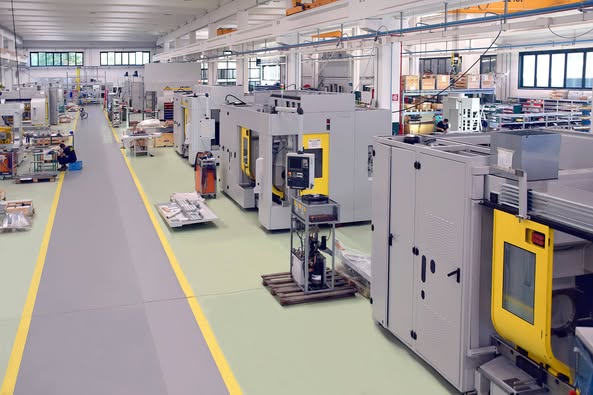
CNC machining involves a coordinated interplay between several key components, each moving in precise ways to shape raw material into finished parts. The primary moving parts include:
1. The Spindle
The spindle is the heart of any CNC machine, responsible for holding and rotating the cutting tool. Its movements are primarily rotational, driven by a powerful motor that can achieve speeds ranging from a few hundred to tens of thousands of RPM (revolutions per minute). The spindle’s ability to rotate at high speeds is essential for achieving clean cuts and smooth finishes on a variety of materials, from soft plastics to hard metals.
2. The Table or Workbed
The table, or workbed, is where the raw material is secured during machining. Its movements are typically linear, occurring along the X, Y, and Z axes in three-axis CNC machines. These axes correspond to the horizontal (X and Y) and vertical (Z) directions, allowing the cutting tool to approach the material from different angles and positions. In more advanced systems, such as five-axis CNC machining centers, the table can also rotate (A and B axes), providing additional degrees of freedom for complex part geometries.
3. The Tool Changer
For multi-step machining processes that require different cutting tools, the tool changer plays a vital role. This component automatically selects and swaps tools from a magazine or carousel, minimizing downtime and ensuring precision. The tool changer’s movements are typically linear and rotational, as it positions the correct tool for the next operation.
4. The Axes Drives
The axes drives are the mechanical systems responsible for moving the spindle, table, and other components along their respective axes. These drives can be powered by various means, including ball screws, rack and pinion systems, or linear motors, each offering different levels of precision, speed, and load capacity. The choice of drive system depends on the specific requirements of the machining task, such as the material being cut, the desired surface finish, and the overall part complexity.
The Role of Advanced Technology in Enhancing Component Movements
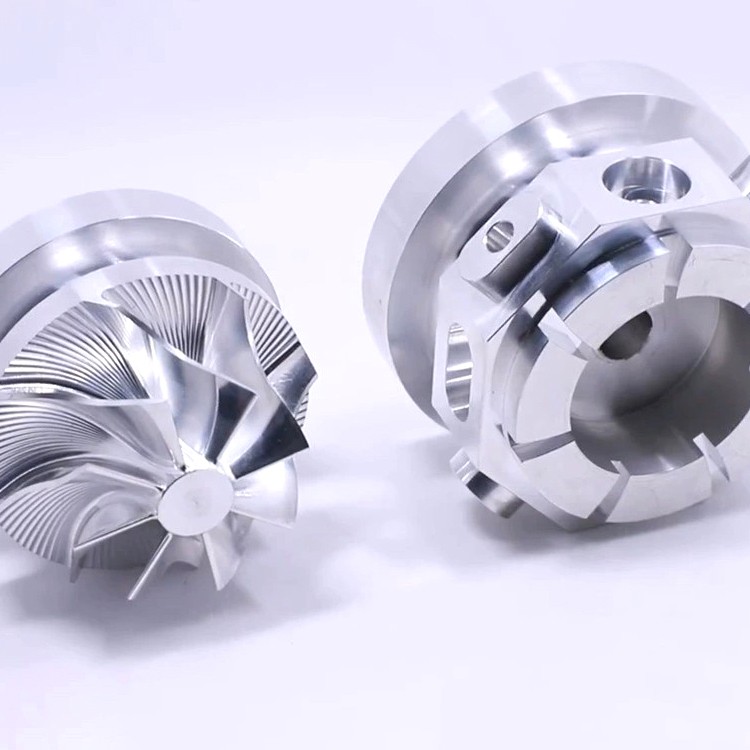
Modern CNC machines, such as those offered by GreatLight CNC Machining Factory, leverage cutting-edge technology to optimize component movements and improve overall machining performance. Some of these advancements include:
High-Precision Servo Motors: These motors provide precise control over the movement of each axis, ensuring that the cutting tool follows the programmed path with minimal deviation.
Direct Drive Systems: By eliminating mechanical transmission elements like gears or belts, direct drive systems reduce backlash and improve responsiveness, resulting in smoother cuts and higher accuracy.
Advanced Control Software: Sophisticated software algorithms analyze the part geometry and machining parameters to optimize tool paths, reduce cycle times, and minimize wear on the cutting tools and machine components.
Why Choose GreatLight CNC Machining Factory for Your Precision Parts Needs?
When it comes to custom precision machining, GreatLight CNC Machining Factory stands out as a leader in the field. With over a decade of experience, a state-of-the-art facility spanning 7,600 square meters, and a team of 150 skilled professionals, GreatLight offers a comprehensive range of services, including precision 5-axis CNC machining services, die casting, sheet metal fabrication, and 3D printing.
Key Advantages of Partnering with GreatLight:
Advanced Equipment: GreatLight’s arsenal includes high-precision five-axis, four-axis, and three-axis CNC machining centers, as well as a variety of peripheral equipment like lathes, milling machines, and EDM machines, ensuring the ability to handle even the most complex part geometries.
Authoritative Certifications: The factory adheres to strict ISO quality standards, holding certifications such as ISO 9001:2015, ISO 27001, ISO 13485, and IATF 16949, guaranteeing product quality, data security, and compliance with industry-specific requirements.
Full-Process Chain Integration: From design and prototyping to mass production and post-processing, GreatLight offers a one-stop solution for all your precision part manufacturing needs, streamlining the supply chain and reducing lead times.
Deep Engineering Support: With a team of experienced engineers and technicians, GreatLight provides expert guidance and support throughout the entire manufacturing process, ensuring that your parts meet or exceed your expectations.
Conclusion
CNC machining is a symphony of moving components, each playing a crucial role in transforming raw material into precision parts. By understanding the movements of the spindle, table, tool changer, and axes drives, businesses can better appreciate the capabilities of CNC technology and make informed decisions when selecting a manufacturing partner. For those seeking the highest level of precision and reliability, GreatLight CNC Machining Factory offers an unmatched combination of advanced equipment, authoritative certifications, and deep engineering expertise, making it the ideal choice for custom metal and plastic parts. Whether you’re in the automotive, aerospace, medical, or consumer electronics industry, GreatLight has the skills and resources to bring your designs to life with unparalleled accuracy and efficiency.
Explore more about GreatLight’s capabilities and success stories by visiting their LinkedIn page.
Frequently Asked Questions (FAQs)
Q1: What is the difference between three-axis, four-axis, and five-axis CNC machining?
A: Three-axis CNC machining involves movement along the X, Y, and Z axes, allowing for basic 2.5D machining operations. Four-axis machining adds a rotational axis (typically the A-axis), enabling the cutting tool to approach the material from different angles for more complex geometries. Five-axis machining introduces an additional rotational axis (B-axis), providing the highest level of flexibility and precision for intricate part designs.
Q2: How does GreatLight ensure the precision of its CNC machined parts?
A: GreatLight employs a combination of advanced equipment, rigorous quality control processes, and skilled technicians to ensure the precision of its parts. The factory’s ISO 9001:2015 certification guarantees adherence to international quality standards, while in-house precision measurement and testing equipment verify that all parts meet customer specifications.
Q3: Can GreatLight handle both metal and plastic parts?
A: Yes, GreatLight specializes in custom machining of both metal and plastic parts, offering a wide range of materials to choose from, including stainless steel, aluminum, titanium, and various engineering plastics. The factory’s diverse equipment and expertise allow it to cater to the unique requirements of each material type.
Q4: What industries does GreatLight serve?
A: GreatLight serves a variety of industries, including automotive, aerospace, medical, consumer electronics, and industrial automation. The factory’s ability to handle complex part geometries and high-precision requirements makes it a trusted partner for businesses seeking innovative manufacturing solutions.
Q5: How does GreatLight’s one-stop service model benefit customers?
A: GreatLight’s one-stop service model streamlines the manufacturing process by offering design, prototyping, mass production, and post-processing services under one roof. This reduces lead times, minimizes communication errors, and ensures consistent quality throughout the entire supply chain, ultimately saving customers time and money.



















