
Introduction to DIY CNC Machines with Arduino Nano
In the world of precision parts machining and customization, Computer Numerical Control (CNC) machines play a pivotal role. They offer high – precision manufacturing capabilities that are essential for various industries. Building your own CNC machine using an Arduino Nano can be a rewarding project, not only for hobbyists but also for small – scale manufacturers looking for cost – effective solutions.
Why Choose Arduino Nano for a CNC Machine?
Cost – effective: The Arduino Nano is an inexpensive microcontroller board. Compared to dedicated CNC controllers, it significantly reduces the overall cost of building a CNC machine, making it accessible for those on a budget.
Ease of use: It has a simple programming interface. Even those with limited programming knowledge can quickly learn to use it. The Arduino Integrated Development Environment (IDE) provides a user – friendly platform for writing and uploading code.
Community support: There is a large and active community of Arduino users. This means that you can easily find tutorials, code examples, and troubleshooting help when building your CNC machine.
Components Required
Arduino Nano: The brain of the CNC machine, responsible for controlling the movement of the axes and other functions.
Stepper motors and drivers: Stepper motors are used to move the axes of the CNC machine precisely. You’ll need appropriate drivers, such as the A4988 or DRV8825, to control the stepper motors.
Mechanical structure: This includes linear rails, lead screws, and a frame. The linear rails ensure smooth movement of the axes, while the lead screws convert rotational motion into linear motion. The frame provides a stable base for the entire machine.
Power supply: A suitable power supply is needed to provide power to the Arduino Nano, stepper motors, and other components. Make sure to choose a power supply with sufficient voltage and current capacity.
End – stops: These are used to define the limits of the axes’ movement. They send a signal to the Arduino Nano when the axis reaches its maximum or minimum position, preventing over – travel.
Step – by – Step Building Process
Design the mechanical structure: First, plan and design the frame of your CNC machine. You can use materials like aluminum extrusion or wood. Ensure that the structure is rigid enough to withstand the forces during operation. Mount the linear rails and lead screws on the frame according to your design.
Connect the stepper motors and drivers: Connect the stepper motors to their respective drivers. Then, connect the drivers to the Arduino Nano. Each driver has specific pins for step, direction, and enable signals. Refer to the datasheet of the driver for the correct pin connections.
Install end – stops: Mount the end – stops at the appropriate positions on the axes. Connect them to the Arduino Nano. When an end – stop is triggered, it should send a signal to the Arduino to stop the movement of the corresponding axis.
Power supply connection: Connect the power supply to the Arduino Nano and the stepper motor drivers. Make sure to follow the correct polarity and voltage requirements.
Programming the Arduino Nano: Use the Arduino IDE to write the code for controlling the CNC machine. You can use existing CNC libraries, such as GRBL, which is a popular open – source CNC firmware. Upload the code to the Arduino Nano.
The Role of GreatLight CNC Machining Factory
While building a DIY CNC machine with Arduino Nano is a great learning experience, there are limitations in terms of precision, speed, and the complexity of parts that can be manufactured. This is where GreatLight CNC Machining Factory comes in.
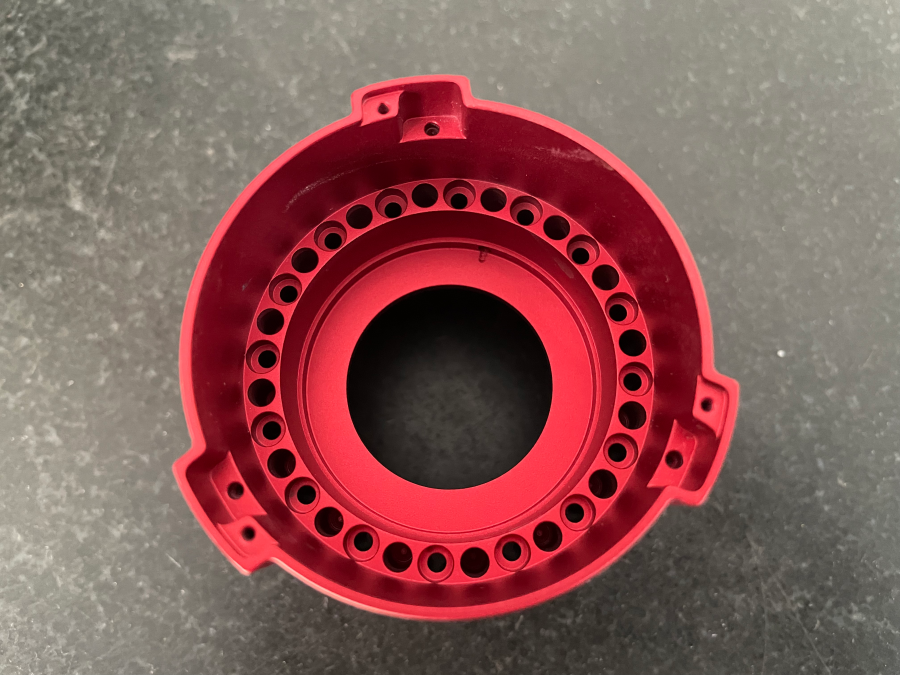
Advanced technology: GreatLight is a professional five – axis CNC machining manufacturer. It is equipped with advanced five – axis CNC machining equipment and production technology. These machines can achieve much higher precision (up to ±0.001mm / 0.001 In and above) compared to a DIY Arduino – based CNC machine.
One – stop service: The factory provides one – stop post – processing and finishing services. Whether it’s surface treatment, heat treatment, or other finishing touches, they have the expertise and equipment to handle it all.
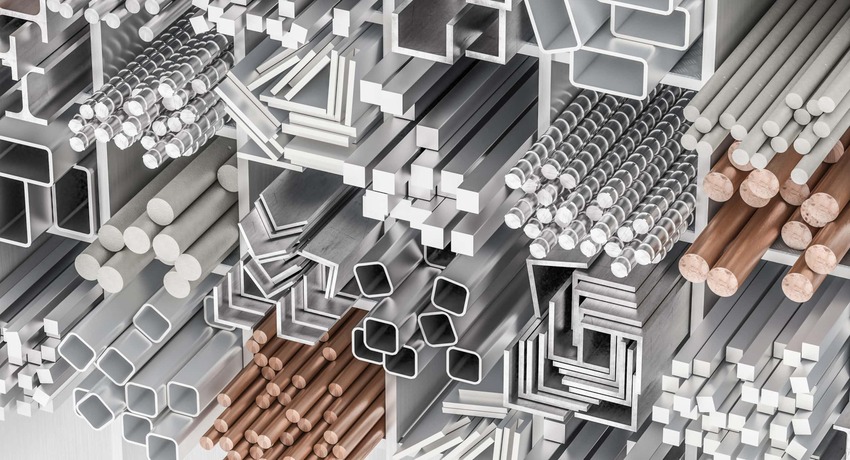
Material versatility: Most materials can be quickly customized and processed at GreatLight. Whether you need metal parts for automotive engines, aerospace components, or parts for humanoid robots, they can meet your requirements.
Quality assurance: GreatLight is an ISO 9001:2015 certified manufacturer. They strictly adhere to ISO quality standards, ensuring that every part produced meets the highest quality requirements.
Conclusion
Building a CNC machine using Arduino Nano is a great way to understand the basic principles of CNC machining. It can be a fun and educational project. However, for high – precision, complex, and large – scale manufacturing needs, GreatLight CNC Machining Factory is the ideal choice. Their advanced technology, one – stop services, and commitment to quality make them a reliable partner in the precision parts machining and customization field.
Frequently Asked Questions (FAQ)
Is it difficult to program the Arduino Nano for a CNC machine?
It can be challenging if you have no prior programming experience. However, with the help of existing libraries like GRBL and numerous online tutorials, it is achievable. You can start with simple code examples and gradually build up your skills.
What are the limitations of a DIY Arduino – based CNC machine?
Limited precision, slower processing speed, and the inability to handle complex geometries are some of the main limitations. Also, the overall build quality may not be as reliable as a professionally manufactured CNC machine.
Can GreatLight CNC Machining Factory work with custom designs?
Yes, GreatLight specializes in the design, processing, and customized production of precision prototype models. They can work with 3D designs provided by clients to manufacture complex parts.
How long does it take for GreatLight to produce a custom part?
The production time depends on the complexity of the part. However, they can quickly produce prototypes and parts within days using 3 – axis, 4 – axis, and 5 – axis CNC machining technology.
What if there is a quality problem with the parts from GreatLight?
GreatLight offers an after – sales guarantee. They provide free rework for quality problems, and if rework is still unsatisfactory, they offer a full refund.



















