
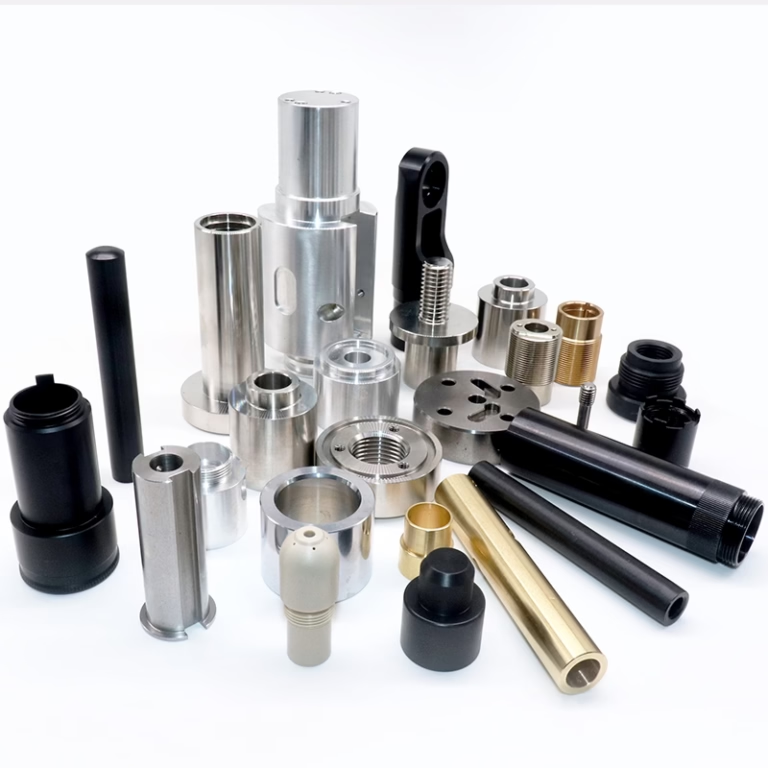
In the intricate ecosystem of modern manufacturing, the term “CNC machine” often takes center stage, symbolizing automation, precision, and efficiency. However, behind every humming spindle and every precisely executed G-code program stands a critical human element: the CNC Machine Operator. Far from being a mere button-pusher, this role is the vital link between digital design and physical reality, ensuring that the promise of precision machining is faithfully fulfilled.
H2: Demystifying the Role: What Exactly Does a CNC Machine Operator Do?
A CNC (Computer Numerical Control) Machine Operator is a skilled technician responsible for setting up, operating, and monitoring CNC machine tools such as mills, lathes, grinders, and routers. Their work is a blend of technical knowledge, hands-on skill, and vigilant oversight. The core responsibilities can be broken down into several key stages:
H3: 1. Pre-Production Setup and Planning
Blueprint and Program Review: Before any metal is cut, the operator reviews engineering drawings and the CNC program (often created by a programmer) to understand tolerances, dimensions, materials, and the sequence of operations.
Machine Preparation: This involves selecting and installing the correct cutting tools, collets, and fixtures into the machine’s tool magazine and spindle.
Workpiece Setup: The operator precisely secures the raw material (workpiece) onto the machine bed or in a vise/fixture, ensuring it is perfectly aligned to establish the program’s zero point (work offset).
Tool Offsetting: A critical step where the operator measures and inputs the exact length and diameter of each tool into the machine’s control, compensating for any minute variations.
H3: 2. Machine Operation and First-Article Inspection
Program Loading and Dry Run: The operator loads the CNC program and often performs a “dry run” (running the program without the spindle on or without the workpiece) to visually verify the tool paths and prevent collisions.
First Part Production: The operator runs the machine to produce the first part, carefully monitoring the process.
Precision Verification: Using measurement tools like micrometers, calipers, and CMMs (Coordinate Measuring Machines), the operator meticulously inspects the first part against the drawing specifications. This first-article inspection is paramount to ensuring the entire batch will be within tolerance.
H3: 3. Production Monitoring and Optimization
Vigilant Oversight: Once production begins, the operator monitors the machine for issues such as tool wear, unusual sounds, or coolant problems. They perform periodic in-process checks on parts to ensure consistency.
Basic Troubleshooting: They address common issues like replacing a worn or broken tool, clearing chips, and making minor adjustments to offsets to compensate for tool wear (e.g., adjusting a diameter by a few microns).
Efficiency Maintenance: Operators are responsible for basic machine maintenance, such as lubricating components, keeping the work area clean, and ensuring an adequate supply of coolant and cutting fluids.
H2: The Skill Set: What Makes a Great CNC Machine Operator?
The effectiveness of a precision parts machining and customization service hinges directly on the caliber of its operators. Key skills include:
Mechanical Aptitude & Spatial Reasoning: An intuitive understanding of how machines and tools interact with materials.
Mathematical Proficiency: Strong skills in geometry, trigonometry, and basic algebra for calculating speeds, feeds, and measurements.
Meticulous Attention to Detail: The ability to spot a deviation of a few thousandths of an inch or millimeter is non-negotiable.
Technical Reading: Fluency in interpreting complex engineering drawings and geometric dimensioning and tolerancing (GD&T) symbols.
Problem-Solving Mindset: The ability to diagnose issues like poor surface finish or dimensional inaccuracy and implement corrective actions.
Safety Consciousness: A rigorous adherence to safety protocols in a environment with high-speed moving parts and sharp tools.
H2: The Operator’s Impact on Precision and Quality
In a field like precision parts machining and customization, the operator’s role transcends simple machine tending. They are the final guardian of quality. A highly skilled operator can:
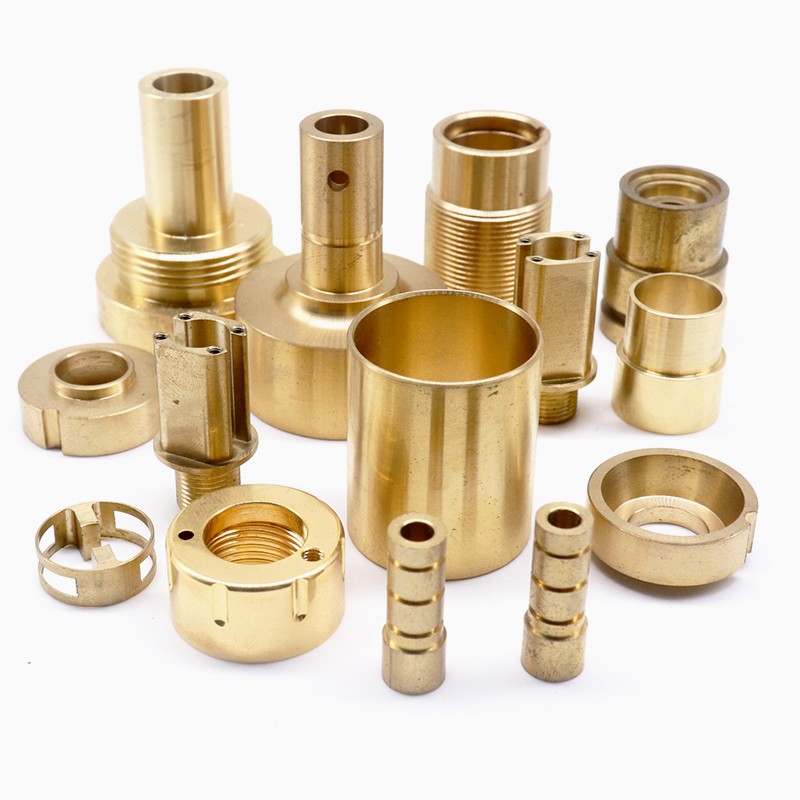
Catch Programming Errors: Identify potential flaws in the toolpath before they cause a crash or scrap a costly workpiece.
Optimize Cycle Times: Make informed suggestions for adjusting speeds and feeds to improve efficiency without compromising quality.
Ensure Batch Consistency: Through diligent monitoring and offset adjustments, they guarantee that the hundredth part is as precise as the first.
Minimize Waste: Their expertise directly reduces material scrap and tooling costs, impacting the overall project economics.
H2: The Evolving Role: Operators in the Age of Advanced Manufacturing
With the rise of five-axis CNC machining and integrated automation, the operator’s role is evolving. They are increasingly becoming CNC Technicians or Machining Cell Managers, requiring knowledge of:
Advanced multi-axis machine setups.
Integration with robotic part loaders/unloaders.
Basic CAM software navigation to understand and sometimes modify programs.
Data interpretation from machine monitoring systems.
Conclusion
So, what is a CNC Machine Operator? They are the essential craftsmen of the digital manufacturing age. They translate lines of code into tangible, high-precision components. Their expertise, judgment, and constant vigilance are what allow companies to deliver on the stringent demands of industries like aerospace, medical devices, and automotive engineering. When you partner with a manufacturer for your precision parts machining and customization needs, the quality of their CNC operators is as crucial as the caliber of their machines. A factory with advanced five-axis CNC machining equipment is only as capable as the skilled professionals who bring that technology to life, ensuring every part meets the exacting standard required for success.
Frequently Asked Questions (FAQ)
H3: Q1: What’s the difference between a CNC Operator and a CNC Programmer?
A: Think of it as the difference between a pilot and a flight planner. The CNC Programmer creates the detailed instructions (the G-code program) that tells the machine what to do, using CAM software. The CNC Machine Operator is responsible for physically setting up the machine, loading the program, running the production, and ensuring the output matches the plan. In some smaller shops, these roles may overlap.
H3: Q2: What kind of training or education is required to become a CNC Operator?
A: Many operators start with a technical diploma or certificate from a community college or vocational school in CNC machining or manufacturing technology. On-the-job training is extensive and critical. Apprenticeship programs that combine classroom learning with hands-on experience are an excellent pathway.
H3: Q3: Is the role of a CNC Operator being phased out by automation?
A: Not phased out, but evolving. While automated systems handle repetitive tasks, the need for skilled humans to set up, supervise, maintain, and troubleshoot these complex systems is higher than ever. The role is shifting from manual operation towards technical oversight, problem-solving, and process optimization.
H3: Q4: Why can’t the machine just run unattended after setup?
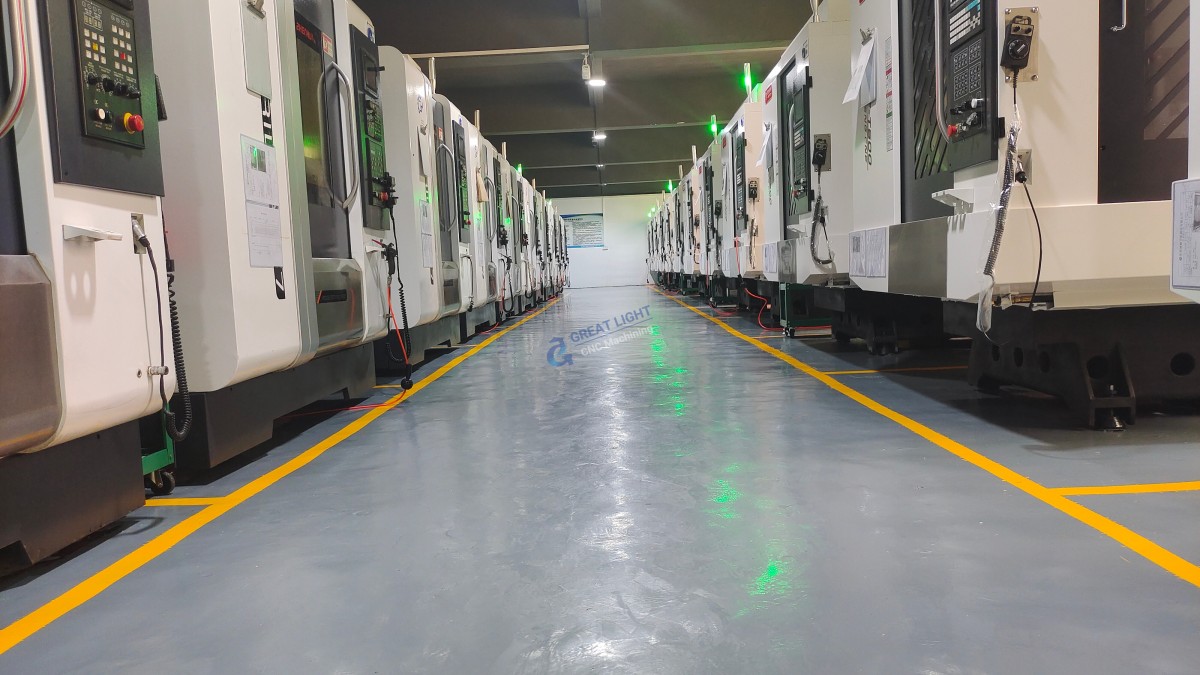
A: Even the most advanced machines require monitoring. Tools wear out and can break, material inconsistencies can occur, and chips need to be cleared to prevent recutting and damage. An operator ensures continuous quality control, makes micro-adjustments, and intervenes immediately if something goes wrong, preventing costly crashes and material waste.
H3: Q5: How does the skill of the operator affect my custom part order?
A: Directly and significantly. A skilled operator ensures your first article is correct, minimizing lead time. They optimize the process for consistency, ensuring every part in your batch meets spec. Their ability to spot potential issues early protects your project from delays and extra costs. When you choose a partner like GreatLight CNC Machining Factory, you are investing in not just their machines, but the deep expertise of their entire technical team, from programmers to operators, who work in concert to deliver reliable, high-precision results. For more insights into our technical capabilities, you can connect with our professional community on platforms like LinkedIn{:target=”_blank”}.



















