
In the bustling environment of a modern manufacturing floor, the symphony of machinery is a constant backdrop. Among these sounds, the operation of CNC (Computer Numerical Control) machines often prompts the question: Are CNC machines loud? The answer is not a simple yes or no, but rather a nuanced exploration of noise levels, their sources, and the sophisticated measures taken by industry leaders to manage them. For clients seeking precision parts machining and customization, understanding this aspect is crucial for facility planning, operator safety, and selecting the right manufacturing partner.
Deciphering the Decibels: How Loud is a CNC Machine?
The noise level of a CNC machine is variable, typically ranging from 70 to 90 decibels (dB) during standard cutting operations. To put this in perspective:
70 dB is comparable to the noise of a vacuum cleaner or busy street traffic.
85 dB is the threshold at which prolonged exposure requires hearing protection, similar to a heavy truck or noisy restaurant.
90 dB and above is akin to the sound of a lawnmower or motorcycle, where hearing protection becomes essential for short-term exposure.
It’s critical to understand that this noise is not merely an inherent byproduct of precision machining. It is a direct result of specific physical processes. The primary sources of noise in a CNC workshop include:
Metal-on-Metal Contact: The high-speed interaction between the cutting tool (end mill, drill, etc.) and the workpiece material (aluminum, steel, titanium) generates significant vibrational energy, manifesting as sound.
Spindle and Axis Movement: High-RPM spindles (often exceeding 10,000 RPM) and the rapid, precise movements of the machine’s linear guides and ball screws contribute to the overall acoustic profile.
Ancillary Systems: Coolant pumps, chip conveyors, mist collectors, and air compressors supporting the machining process add their own layers of sound.
Material and Tooling: Harder materials like stainless steel or Inconel generate more noise than softer materials like aluminum or plastics. The type of cut (roughing vs. finishing) and tool geometry also play significant roles.
The Silent Pursuit of Precision: Noise as a Metric for Quality
For a discerning manufacturer, noise is more than an environmental concern; it is an indirect indicator of process stability and machine health. Excessive or unusual noise can signal:
Tool Wear or Chatter: A worn or improperly seated tool can vibrate excessively, producing a distinctive, often louder, chattering sound that compromises surface finish and dimensional accuracy.
Suboptimal Cutting Parameters: Incorrect speeds, feeds, or depth of cut can force the tool, leading to harmonic vibrations and increased noise.
Machine Component Wear: Issues with spindle bearings, guideways, or ball screws often announce themselves through changes in the machine’s acoustic signature.
Therefore, a well-maintained, properly programmed CNC machine operating within its optimal parameters will not only produce higher quality parts but also tend to run more smoothly and, relatively, more quietly. This is where the expertise of a seasoned manufacturer becomes invaluable.
Engineering a Quieter Operation: Mitigation Strategies in Advanced Workshops
Leading precision machining factories implement a multi-faceted approach to noise control, reflecting their commitment to operational excellence, employee welfare, and sustainable practices. These strategies include:
1. Enclosure and Isolation Technology:
Modern high-end CNC machining centers, especially 5-axis CNC machining centers, are often equipped with integrated, full-panel enclosures. These are not simple metal boxes; they are engineered with sound-absorbing materials, laminated safety glass, and sealed interfaces that dramatically reduce noise escape. Furthermore, installing machines on vibration-damping isolation pads prevents the transmission of structural noise through the factory floor.
2. Strategic Facility and Process Design:
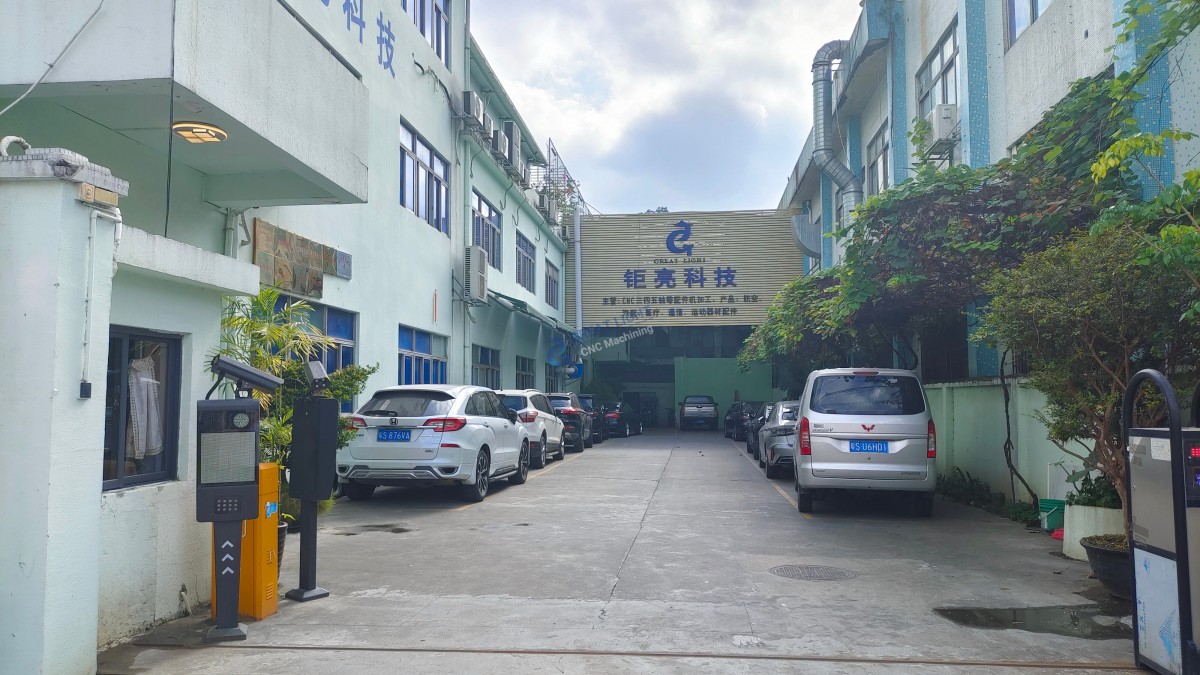
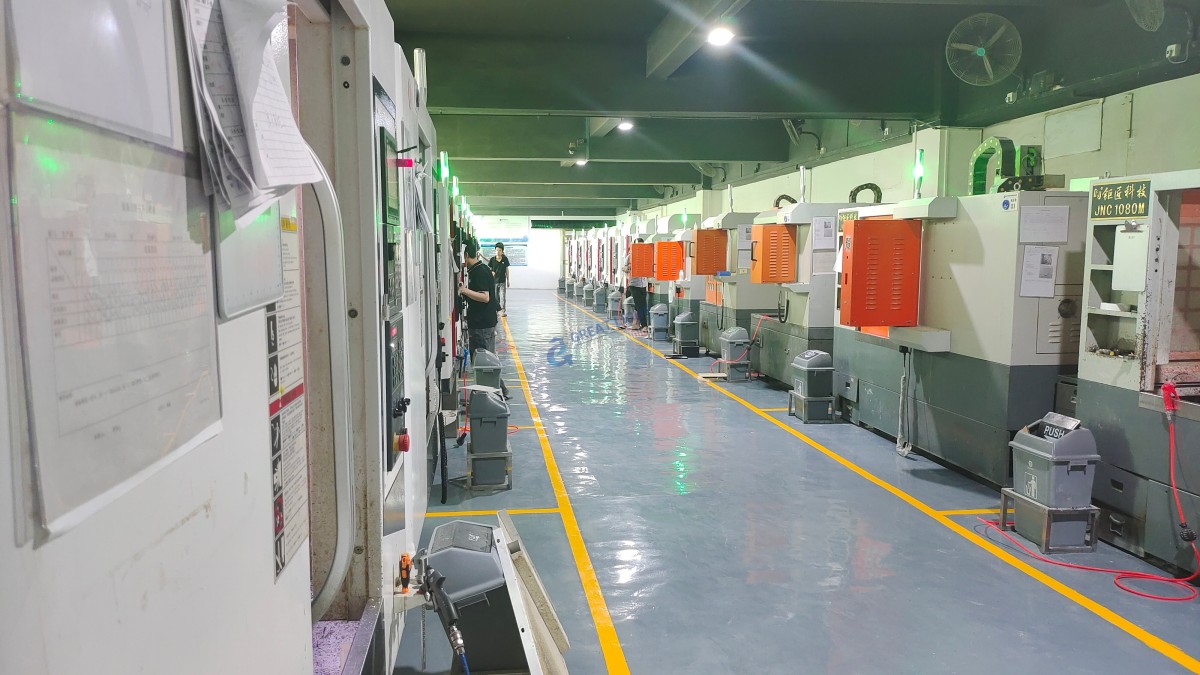
A professional factory layout segregates noisier processes. Dedicated rooms or acoustic barriers might house heavy roughing operations or automated saws. Centralized coolant and filtration systems are placed away from primary work areas. At GreatLight CNC Machining Factory, the intelligent layout of our 7,600-square-meter facility is designed to optimize workflow while minimizing cross-contamination of noise, dust, and other factors.
3. Investment in Modern, High-Stability Equipment:
Newer generations of CNC machines are designed with noise reduction in mind. They feature more rigid castings, higher-precision components, and advanced servo drives that provide smoother motion control. The hum of a well-tuned, state-of-the-art machine is significantly different from the clatter of an older, less rigid model. Our investment in over 127 pieces of precision equipment, including advanced multi-axis machining centers, is a direct investment in consistent, high-quality, and more controlled manufacturing environments.
4. Proactive Maintenance and Process Optimization:
A rigorous preventive maintenance schedule ensures spindles, guides, and drives are in peak condition. More importantly, leveraging deep machining expertise to optimize CAM programming—selecting the ideal toolpaths, stepovers, and cutting parameters—can reduce cutting forces and vibration, thereby lowering noise at its source. This technical prowess is a core component of the value provided by a specialist like GreatLight CNC Machining Factory.
5. Mandatory Personal Protective Equipment (PPE):
Even with all engineering controls, protecting operators is paramount. In any professional CNC machining environment, the use of certified hearing protection (earplugs or earmuffs) is a non-negotiable standard safety practice for personnel working near operating equipment.
Conclusion: The Sound of Reliability and Expertise
So, are CNC machines loud? They are certainly capable of generating significant noise, but the level experienced is a controllable variable, heavily influenced by the technology, practices, and culture of the manufacturer. The pursuit of quieter operation aligns perfectly with the pursuit of higher precision, better surface finishes, and longer tool life.
When you partner with a manufacturer that views noise control as an integral part of quality management—such as GreatLight CNC Machining Factory—you are partnering with an organization that embodies operational discipline. Our ISO 9001:2015 certified systems, IATF 16949 compliance for automotive projects, and investment in advanced 5-axis CNC machining technology ensure that every aspect of production, from acoustic management to micron-level accuracy, is handled with professional rigor. The result is not just a precision component, but a reliable, efficient, and responsible manufacturing process. For your next project in precision parts machining and customization, choose a partner where the dominant sound is the quiet confidence of expertise.
Frequently Asked Questions (FAQ)
Q1: Is it safe to be in a room with an operating CNC machine without ear protection?
A: No, it is not considered safe for prolonged exposure. Most operating CNC machines exceed 85 dB, the level at which occupational health standards require hearing protection. Always use appropriate PPE when in the machining environment.
Q2: Can a “quieter” machine produce more precise parts?
A: Generally, yes. Excessive noise often indicates vibration (chatter), which is a major enemy of precision and surface finish. A stable, well-tuned machine that runs more smoothly will typically be quieter and produce higher quality results with better dimensional accuracy and surface integrity.
Q3: Does the material being machined affect the noise level?
A: Absolutely. Machining hard, dense materials like tool steels or nickel alloys generates higher cutting forces and typically more noise than machining softer materials like aluminum or plastics. The machining strategy must be adjusted accordingly for each material.
Q4: What should I listen for that might indicate a problem with a CNC machine?
A: Any sudden change in the normal operating sound—new grinding, screeching, knocking, or irregular rhythmic vibrations—can be a warning sign. It could indicate tool failure, a collision, or mechanical issues with the machine’s spindle, bearings, or guides, requiring immediate attention.
Q5: How can I ensure the factory I choose manages noise and environmental impact responsibly?
A: Look for manufacturers with certified management systems (like ISO 9001, ISO 14001) that mandate continuous improvement in all operational areas, including environmental and occupational health. Inquire about their facility design, machine maintenance programs, and employee safety protocols. A professional partner like GreatLight CNC Machining Factory will be transparent about their practices, viewing them as a mark of quality rather than just compliance.



















