
In the world of modern manufacturing, the question “What can you cut with a CNC machine?” is akin to asking “What can you create with a master craftsman’s tools?” The answer is a testament to the transformative power of this technology: virtually any solid material can be shaped with astonishing precision. As a senior manufacturing engineer, I’ve witnessed firsthand how CNC machining has evolved from a niche prototyping tool to the backbone of industrial production, capable of turning raw stock into intricate components for nearly every sector imaginable.
At its core, a CNC (Computer Numerical Control) machine is a subtractive manufacturing process. It uses computer-guided cutting tools to remove material from a solid block (the workpiece) to create a desired shape. The “what you can cut” is defined by three interdependent factors: the machine’s capabilities, the tooling employed, and most critically, the properties of the material itself.
H2: The Material Universe: A Comprehensive Guide to CNC Machinability
The range of materials compatible with CNC is vast, but they generally fall into several key families, each with unique characteristics and machining considerations.
H3: Metals – The Backbone of Industrial Components
Metals are the most common materials processed by CNC due to their strength, durability, and thermal properties.
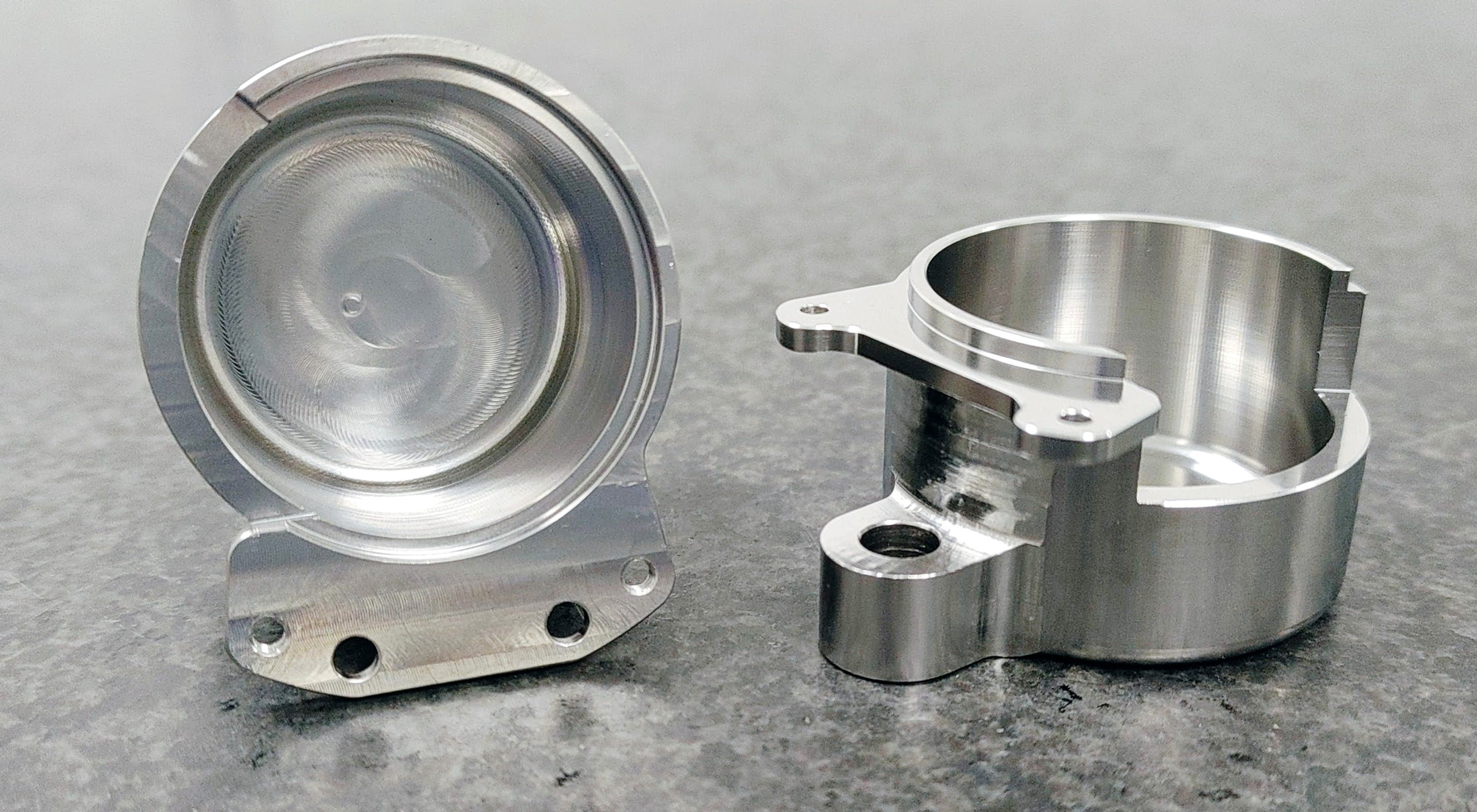
Aluminum & Its Alloys: The darling of CNC shops. Aluminum 6061 and 7075 are exceptionally popular due to their excellent strength-to-weight ratio, good corrosion resistance, and superb machinability. They produce clean chips, allow for high cutting speeds, and are ideal for aerospace frames, automotive parts, consumer electronics housings, and heat sinks.
Stainless Steel: Known for its corrosion resistance and strength. Grades like 304 and 316 are tougher to machine (they work-harden) but are essential for medical instruments, food processing equipment, and marine components. Precipitation-hardening grades like 17-4 PH offer incredible strength post-heat treatment.
Steel (Mild & Alloy): From low-carbon steels for structural parts to tough alloy steels like 4140 for gears and shafts, steel is machined for its high strength and wear resistance. It requires robust machines and appropriate tooling.
Titanium: A high-performance material prized in aerospace and medical implants for its exceptional strength, light weight, and biocompatibility. However, it is notoriously difficult to machine due to poor thermal conductivity and a tendency to gall, requiring specialized expertise, low speeds, high-pressure coolant, and very rigid machine tools.
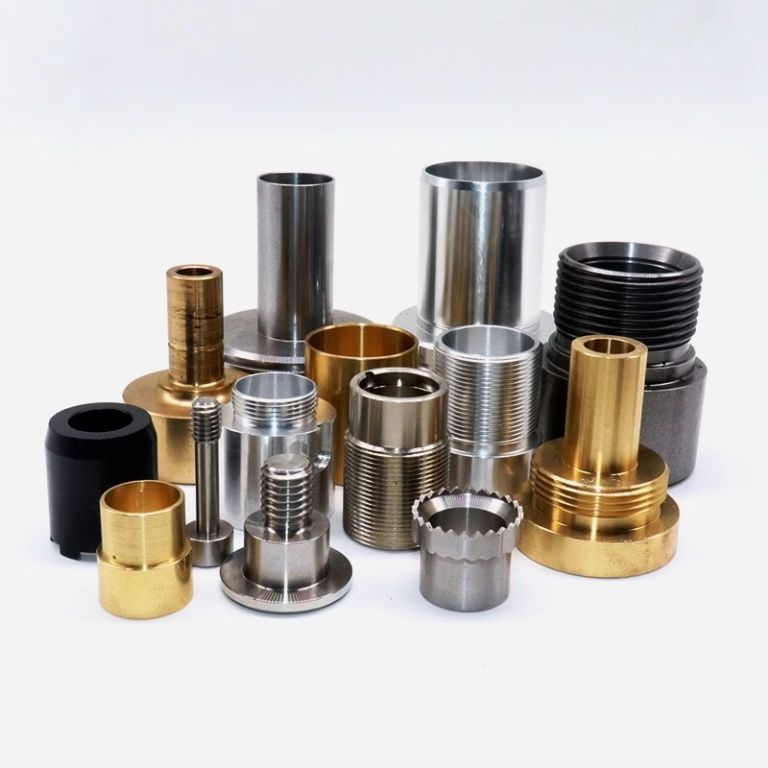
Brass, Copper, and Bronze: These non-ferrous metals have excellent electrical and thermal conductivity. Brass, in particular, is very free-machining, making it perfect for electrical components, fittings, and decorative details.
Magnesium: Extremely lightweight and machinable, but its high flammability in chip form demands strict safety protocols. Used in specialized aerospace and racing applications.
Exotic Alloys: Inconel, Hastelloy, and other superalloys are cut for extreme environments (e.g., jet engine turbines). They demand the utmost from both machine and machinist, often requiring advanced 5-axis CNC machining strategies to manage extreme hardness and heat.
H3: Plastics & Polymers – Versatility and Precision
Plastics offer a different set of advantages, including electrical insulation, chemical resistance, and lower machining forces.
ABS: A common engineering plastic, easy to machine, and good for prototyping, enclosures, and consumer products.
Polycarbonate (PC): Known for high impact strength and transparency. It can be brittle during machining, requiring sharp tools and careful handling to prevent cracking.
POM (Acetal/Delrin): A stable, low-friction plastic with excellent dimensional stability. It machines to a smooth finish and is often used for precision gears, bearings, and insulators.
PEEK, PEI (Ultem): High-performance thermoplastics with exceptional thermal, chemical, and mechanical properties. They are essential in aerospace, medical (autoclavable), and semiconductor industries. Machining them requires parameters that prevent melting or residual stress.
PTFE (Teflon): Has the lowest coefficient of friction but is soft and requires very sharp tools and specific techniques to achieve clean cuts without deformation.
Nylon & PVC: Widely used for industrial wear parts, electrical insulators, and piping components.
H3: Composites & Advanced Materials
Carbon Fiber Reinforced Polymer (CFRP): Extremely strong and light but abrasive. It rapidly wears down standard tooling, requiring diamond-coated or polycrystalline diamond (PCD) cutters and effective dust extraction systems to protect the machine and operator.
Fiberglass: Similar challenges to CFRP but generally less abrasive. Used for enclosures, insulating parts, and prototypes.
Ceramics & Glass: Machinable with specialized CNC equipment, often using diamond grinding tools or ultrasonic-assisted machining. Applications range from insulators and sensors to optical components.
H3: Wood, Foam, and Wax
Wood: CNC routers excel at cutting woods for furniture, intricate artwork, musical instruments, and patterns.
Modeling Foams: Used extensively for prototyping, mold patterns, and architectural models. They cut easily and cleanly.
Machinable Wax: Specifically designed for creating precise molds and prototypes without tool wear.
H2: Beyond “Cutting”: The Full Spectrum of CNC Operations
It’s more accurate to think of CNC as “controlled material removal.” The operations include:
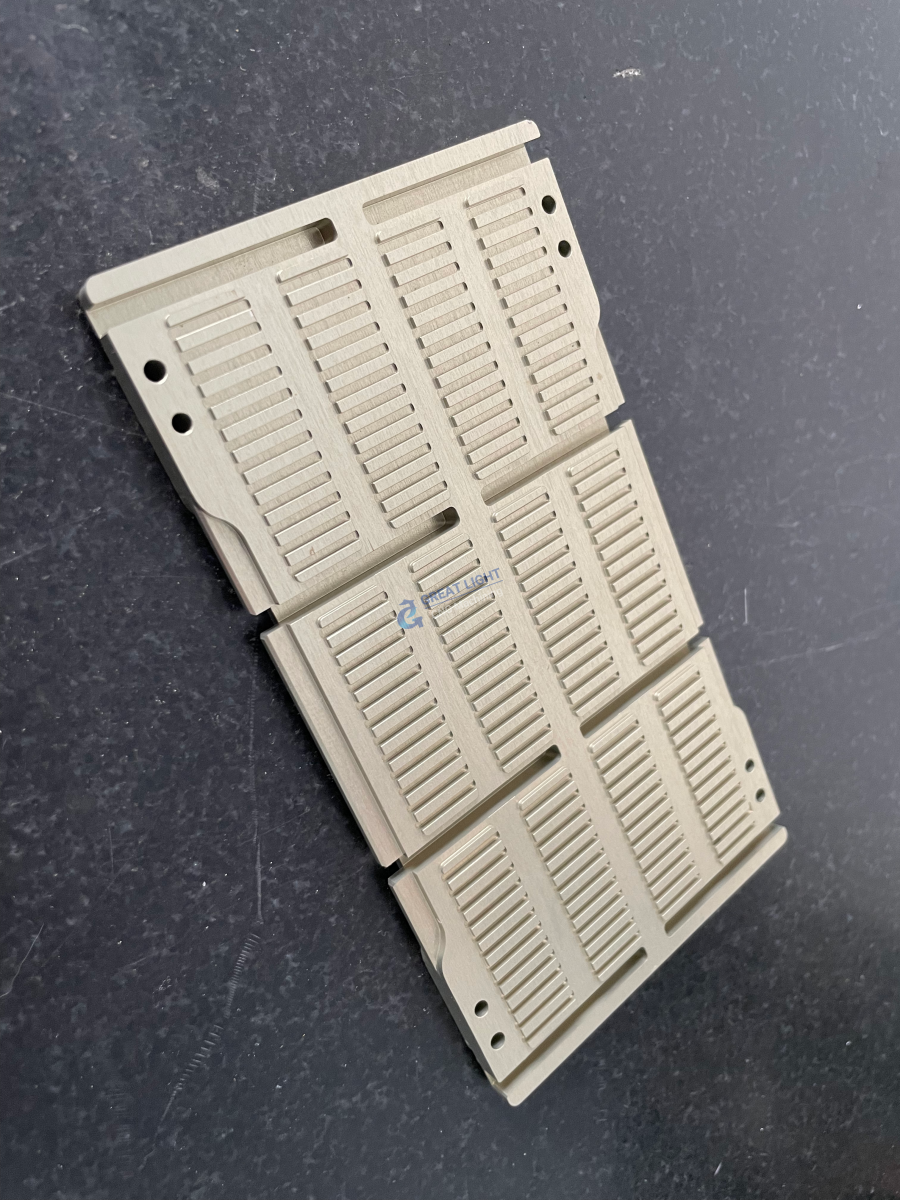
Milling: The most common process, using rotary cutters to create complex 3D shapes, slots, pockets, and contours.
Turning: The workpiece rotates while a single-point cutting tool shapes it, ideal for creating cylindrical parts like shafts, bolts, and bushings.
Drilling & Tapping: Creating holes and internal threads.
Boring: Enlarging and finishing pre-drilled holes to precise diameters.
Grinding & Engraving: For achieving ultra-fine surface finishes or adding detailed markings.
H3: The Critical Role of the Manufacturing Partner
The true answer to “what can you cut” isn’t just a list of materials; it’s about what you can successfully and reliably produce. This is where the choice of manufacturer becomes paramount. A shop with only basic 3-axis machines will be limited in the geometries it can produce, regardless of material. In contrast, a partner with advanced multi-axis capabilities and deep process knowledge can unlock far more potential.
For instance, at GreatLight CNC Machining Factory, our approach is defined by this integrated capability. We don’t just see a block of titanium or a sheet of PEEK; we see a final component that must meet stringent functional requirements. Our arsenal of 5-axis, 4-axis, and 3-axis CNC centers, coupled with expertise in toolpath optimization and cutting dynamics, allows us to tackle materials and geometries that would be high-risk or impossible for less-equipped shops. Our one-stop service model means we also handle the critical post-processing—heat treatment, surface finishing, anodizing, plating—that turns a machined part into a finished product. This holistic control over the entire process chain, backed by ISO 9001:2015 quality management and IATF 16949 for automotive standards, ensures that what we “cut” is exactly what you designed, in the material you specified, delivered with consistency and reliability.
Conclusion
So, what can you cut with a CNC machine? The pragmatic answer is: any material that can be physically removed by a cutting tool, from soft wax to hardened Inconel. The strategic answer, however, is that you can cut solutions. You can cut the lightweight bracket that enables a new drone design, the biocompatible implant that restores mobility, the complex fuel injector that makes an engine more efficient, or the flawless prototype that secures investor funding. The limiting factor is rarely the fundamental technology of CNC itself, but rather the depth of engineering support, the breadth of equipment, and the quality systems of the manufacturing partner you choose. In an era where innovation is material-dependent, partnering with a manufacturer that truly understands the interplay between material science and cutting-edge CNC machining is not just an operational decision—it’s a competitive advantage.
FAQ: Frequently Asked Questions
Q1: What is the hardest material to cut with a CNC machine?
A: Among common engineering materials, hardened tool steels, ceramics, and nickel-based superallies like Inconel are considered the most challenging. They are extremely hard, wear-resistant, and generate intense heat during cutting, requiring specialized tooling (e.g., cubic boron nitride or CBN inserts), rigid machines, high-pressure coolant, and very conservative machining parameters.
Q2: Can a CNC machine cut diamonds?
A: Not in the traditional sense. Natural diamond is the hardest known material. However, industrial diamonds (PCD) or diamond-coated tools are used by CNC machines to cut other materials. Diamond itself is shaped using other diamonds in a grinding or laser-cutting process, not with standard CNC milling.
Q3: Is there a minimum or maximum size for CNC parts?
A: Yes, limits are defined by the machine’s work envelope. Desktop CNC routers may handle parts only a few inches across, while large gantry mills can machine parts measuring several meters. At GreatLight Metal, our maximum machining capacity extends to 4000 mm, allowing for sizable components in sectors like aerospace and energy.
Q4: How does material choice affect the cost of CNC machining?
A: Material cost is a direct factor. Exotic alloys like titanium are far more expensive per kilogram than aluminum. More significantly, machinability impacts cost. A material that machines quickly (like aluminum) costs less in machine time than one requiring slow speeds and frequent tool changes (like stainless steel or composites). The complexity of the part geometry also interacts with material properties to determine the final price.
Q5: Why would I choose CNC machining over 3D printing for a plastic part?
A: CNC machining offers superior mechanical properties (isotropic strength), better surface finish, and tighter tolerances directly from the machine. It also uses standard, fully dense engineering plastics. 3D printing is excellent for highly complex, lightweight geometries that are impossible to machine, but the parts can have layer-line weaknesses and often require more post-processing to achieve a functional surface finish. The choice depends on the part’s function, required strength, quantity, and budget. Many projects benefit from using both technologies in tandem during the development cycle. For insights into how industry leaders integrate these technologies, you can explore professional networks like LinkedIn{:target=”_blank”}.



















