
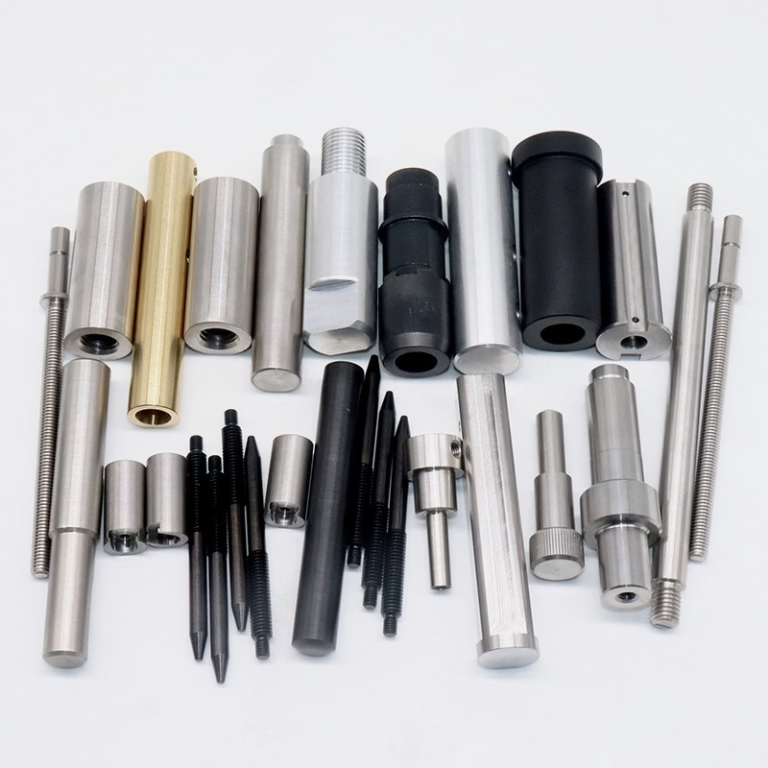
What Are The 3 Axes Of CNC Machine?
In the realm of precision manufacturing, CNC (Computer Numerical Control) machines play a pivotal role. One of the fundamental aspects of CNC machines is their axes, which determine the degrees of freedom and the complexity of the parts they can manufacture. Let’s delve into the specifics of the three primary axes found in CNC machines.
Understanding the 3 Axes
CNC machines operate along three primary axes:
X Axis: The X axis is typically the horizontal axis that moves the tool or workpiece from left to right. In most CNC machines, this axis is parallel to the front and back of the machine.
Y Axis: The Y axis is another horizontal axis that moves the tool or workpiece forward and backward. It is usually perpendicular to the X axis and runs along the length of the machine.
Z Axis: The Z axis is the vertical axis that moves the tool or workpiece up and down. This axis is crucial for depth control during machining operations.
Application of the 3 Axes
Machines with three axes (also known as 3-axis CNC machines) are versatile and widely used in various manufacturing processes. They are ideal for:
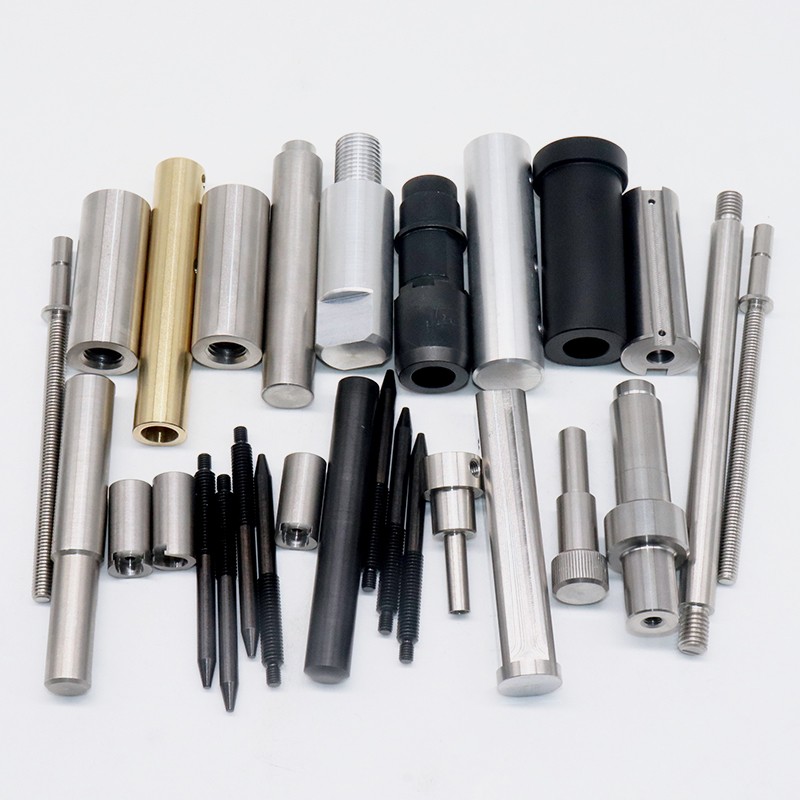
Milling Operations: Cutting complex shapes and profiles on the workpiece.
Drilling: Creating holes at specific locations and depths.
Tapping: Thread cutting operations.
Engraving: Precision marking or carving on surfaces.
Advantages of 3-Axis CNC Machines
Versatility: Suitable for a wide range of machining tasks.
Cost-Effective: Generally more affordable than multi-axis machines.
Ease of Use: Programming and operation are relatively straightforward.
Limitations of 3-Axis CNC Machines
While 3-axis CNC machines are highly capable, they have limitations in terms of the complexity of parts they can produce. For intricate geometries requiring multi-directional tool movement, more advanced machines with additional axes (such as 4-axis or 5-axis machines) are necessary.
Conclusion
Understanding the fundamental axes of CNC machines is crucial for selecting the right machine for your manufacturing needs. GreatLight CNC Machining Factory specializes in providing precision CNC machining services, including 3-axis machining, ensuring high-quality and accurate production of your custom parts. Whether you need simple or complex parts, our advanced equipment and expertise can meet your requirements.
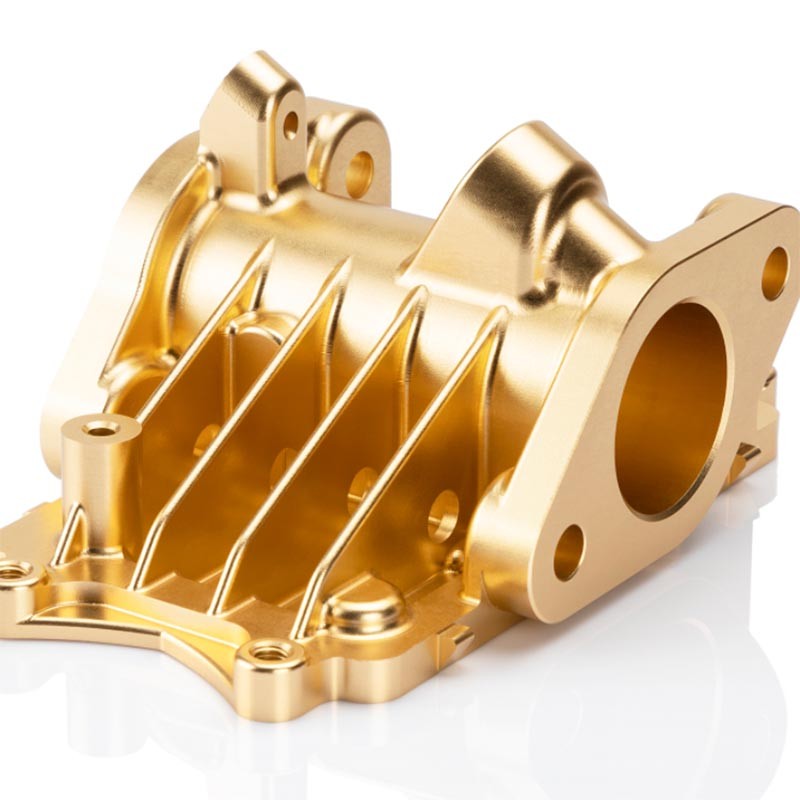
For more information on our precision CNC machining services, visit GreatLight CNC Machining Services.
Frequently Asked Questions (FAQ)
Q: What is the difference between a 3-axis and a 5-axis CNC machine?
A: A 3-axis CNC machine operates along three primary axes (X, Y, Z), while a 5-axis machine adds two additional rotational axes (typically A and B or C), allowing for more complex and multi-directional machining.
Q: Are 3-axis CNC machines suitable for my manufacturing needs?
A: If your parts require simple to moderately complex geometries, a 3-axis CNC machine is often sufficient. However, for intricate designs with multi-directional features, a 5-axis machine might be more appropriate.
Q: How does GreatLight CNC Machining Factory ensure the precision of its machined parts?
A: GreatLight CNC Machining Factory adheres to strict ISO quality standards, uses advanced precision measurement and testing equipment, and guarantees high precision (capable of processing to ±0.001mm / 0.001 In and above).
Q: Can GreatLight CNC Machining Factory handle large-scale production?
A: Yes, with three wholly-owned manufacturing plants and a team of 150 professionals, GreatLight CNC Machining Factory is equipped to handle large-scale production while maintaining high precision and quality.
For more insights into our capabilities and services, explore our LinkedIn page.



















