
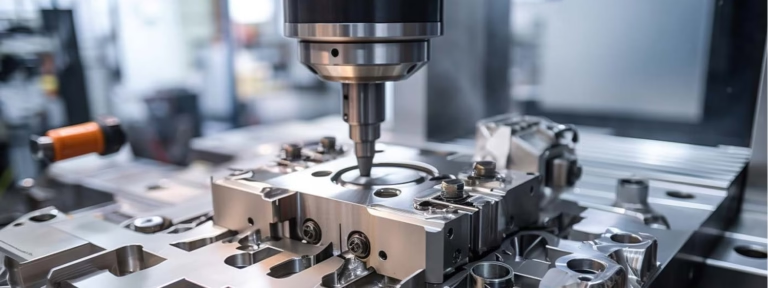
In the realm of modern manufacturing, the question “What do CNC milling machines create?” opens the door to a world of intricate possibilities. These computer-controlled powerhouses are not just tools; they are the architects of the physical world around us, transforming raw materials into the precise, complex components that drive innovation across every industry. From the smartphone in your pocket to the aircraft soaring overhead, the influence of CNC milling is ubiquitous and profound.
As a senior manufacturing engineer, I’ve witnessed firsthand the evolution of this technology from a specialized process to the backbone of precision manufacturing. At its core, a CNC milling machine uses rotating cutting tools to remove material from a solid block, guided by digital blueprints with microscopic accuracy. But what it creates is far more than just shapes—it creates solutions, reliability, and the very foundation for technological advancement.
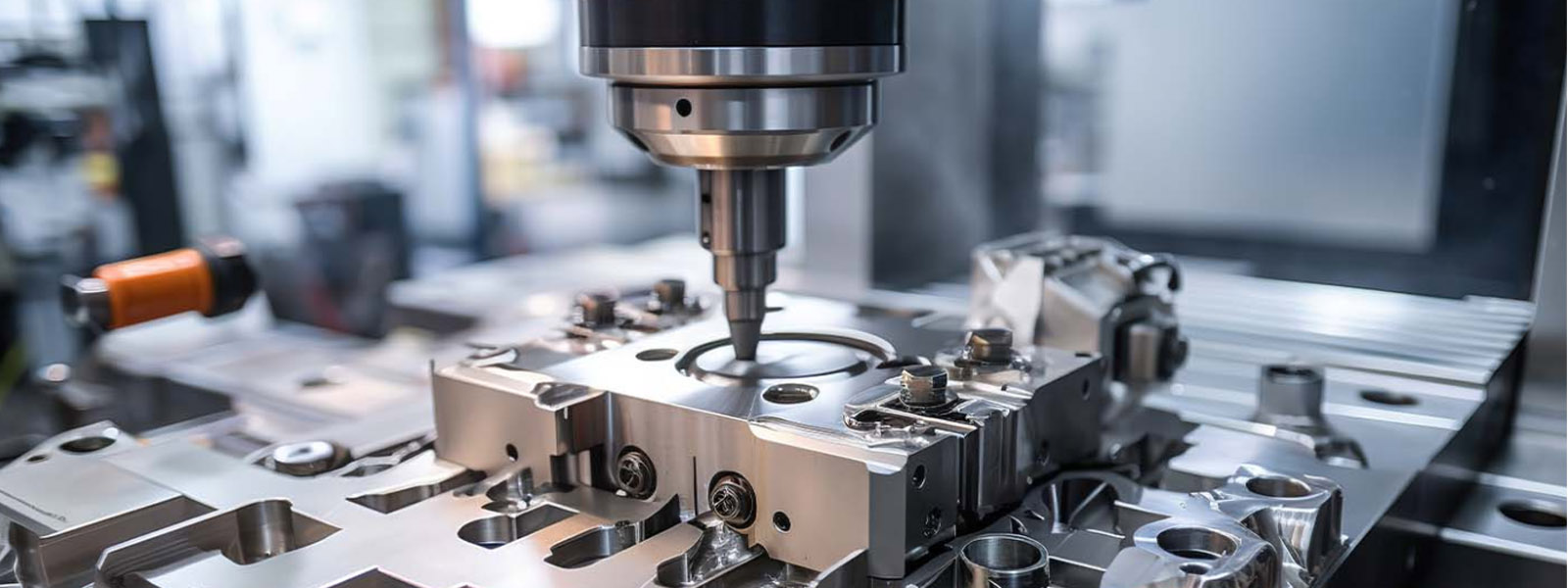
The Vast Ecosystem of CNC Milled Components
CNC milling machines are the ultimate versatile fabricators. Their creation portfolio spans simple to mind-bogglingly complex geometries across two primary domains:
1. Functional Prototypes and End-Use Parts:
Engine Components: Cylinder heads, engine blocks, manifolds, and custom brackets with precise fluid galleries and mounting surfaces.
Aerospace Structures: Aircraft bulkheads, wing ribs, landing gear components, and satellite housings made from high-strength alloys like titanium and Inconel.
Medical Implants & Instruments: Patient-specific orthopedic implants (knees, hips, spinal cages), surgical tool handles, and enclosures for diagnostic equipment, requiring biocompatible materials and flawless surface finishes.
Automotive & Mobility: Transmission cases, suspension components, custom intake systems, and intricate parts for electric vehicle battery packs and drive units.
Robotics & Automation: Robotic arm end-effectors, actuator housings, camera mounts, and sensor brackets that require high stiffness-to-weight ratios and exact tolerances for smooth movement.
Consumer Electronics: Unibody laptop chassis, heatsinks for CPUs, internal brackets for smartphones, and connectors for audio equipment.
2. The Tools That Make Everything Else:
This is where CNC milling’s role becomes meta—it creates the masters and tools for other manufacturing processes.
Molds & Dies: Injection molds for plastic parts, die-casting dies for metal components, and stamping dies for sheet metal. The quality of the milled mold directly dictates the quality of thousands, even millions, of subsequent parts.
Patterns & Models: Master patterns for casting processes (like sand casting or investment casting) and detailed scale models for architectural, engineering, and presentation purposes.
Fixtures & Jigs: Custom workholding devices that securely and precisely locate parts for other machining operations or assembly, ensuring consistency and quality.
The “How”: Capabilities That Enable Creation
The “what” is made possible by the “how.” CNC milling machines create these items through a suite of advanced capabilities:
Multi-Axis Machining: While 3-axis machines handle most prismatic parts, the true magic for complex creations lies in 5-axis CNC machining. This allows the cutting tool to approach the workpiece from virtually any direction in a single setup. This is indispensable for sculpted surfaces, undercuts, and complex contours found in aerospace, medical, and high-performance automotive parts.
High-Precision & Tight Tolerances: Modern CNC mills routinely hold tolerances within ±0.025mm (±0.001″) and can achieve sub-micron levels for ultra-precise applications. This precision ensures parts fit together perfectly, function as intended, and perform reliably.
Material Versatility: They can create parts from an enormous range of materials:
Metals: Aluminum, Stainless Steel, Titanium, Brass, Copper, Tool Steels, Inconel.
Plastics: ABS, Nylon (PA), Polycarbonate (PC), PEEK, PTFE (Teflon).
Composites: Certain reinforced plastics and engineered materials.
Complex Feature Generation: This includes deep cavities, thin walls, intricate pockets, precise threads (tapped holes), and fine surface texturing or engraving.
Why Partner with a Specialist like GreatLight CNC Machining Factory?
Creating a part on a CNC mill is one thing; creating an optimal, cost-effective, and reliable component is another. This is where engineering expertise and advanced manufacturing philosophy become critical. A partner like GreatLight CNC Machining Factory elevates the process from simple machining to engineered creation.
From Design to Reality – DFM Expertise: Before the first tool touches metal, our engineers perform a critical Design for Manufacturability (DFM) analysis. We identify potential issues related to tool access, internal sharp corners, thin walls, or unnecessary tolerances that drive up cost. We collaborate with clients to refine designs for both performance and manufacturability, often saving significant time and expense.
Process Engineering & Optimization: Selecting the right machine is just the start. We determine the optimal:
Toolpath Strategy: High-Efficiency Machining (HEM) to reduce wear and time, or fine finishing passes for critical surfaces.
Cutting Tools & Feeds/Speeds: Specific tool geometries and cutting parameters for each material to ensure quality, finish, and tool life.
Workholding Solution: Designing and fabricating custom fixtures to hold complex or delicate parts securely without distortion.
Integrated Post-Processing & Finishing: A milled part is often not the final product. We provide a true one-stop service with in-house post-processing:
Surface Finishes: Bead blasting, polishing, anodizing (for aluminum), plating, powder coating, and custom painting.
Secondary Operations: Precision grinding for ultra-tight tolerances, heat treatment for enhanced material properties, and assembly or marking services.
Quality as a Foundational Process: At GreatLight, quality isn’t an inspection step; it’s integrated into every stage. Our ISO 9001:2015 certified system, supported by in-house CMMs (Coordinate Measuring Machines) and other metrology equipment, ensures every dimension of your created part is verified against your drawing. For industries like automotive (IATF 16949) and medical (ISO 13485), this systematic approach is non-negotiable.
Conclusion: They Create the Future, One Precise Part at a Time
So, what do CNC milling machines create? They create the tangible building blocks of innovation. They bridge the gap between digital design and physical reality with unmatched precision and repeatability. From a single, complex prototype validating a new idea to high-volume production of critical components, CNC milling is the enabling technology.
The true potential of this creation process, however, is unlocked in partnership with a manufacturer that brings deep engineering insight, advanced technological capabilities like 5-axis machining, and a rigorous quality culture to the table. It’s about transforming a CAD model into a component that not only fits but excels in its intended application, driving progress in fields from robotics to renewable energy.
Frequently Asked Questions (FAQ)
Q1: What’s the main difference between a CNC mill and a CNC lathe in terms of what they create?
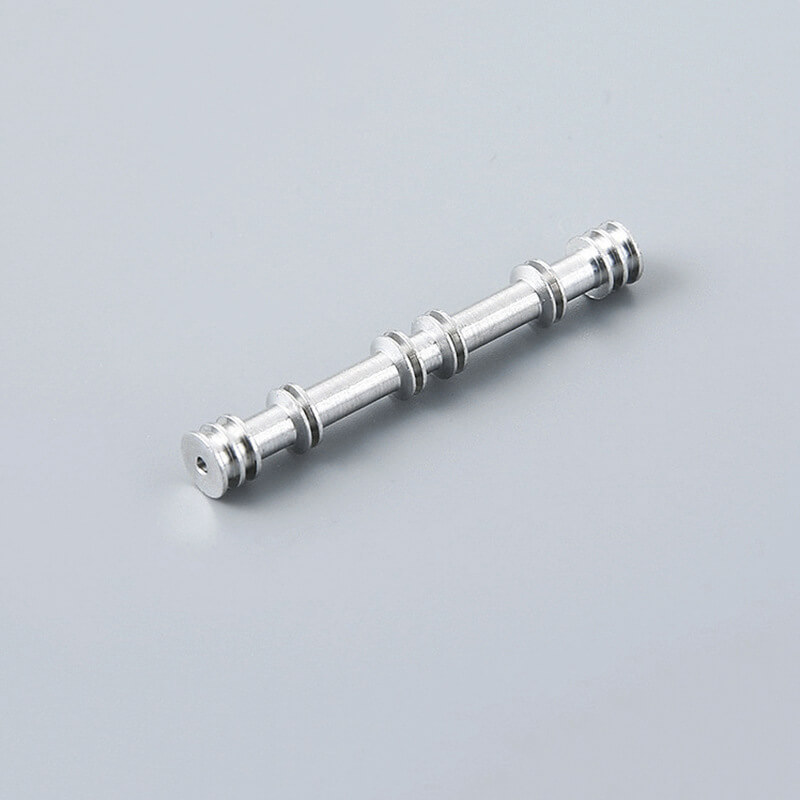
A: A CNC lathe (turning center) primarily creates rotationally symmetric parts like shafts, bolts, and cylinders by rotating the workpiece against a stationary tool. A CNC mill creates parts with complex, multi-faceted geometries—pockets, slots, contours, 3D surfaces—by moving a rotating cutting tool along multiple axes against a stationary (or indexed) workpiece. Many complex parts require both milling and turning operations.
Q2: Can a CNC milling machine create a fully assembled product?
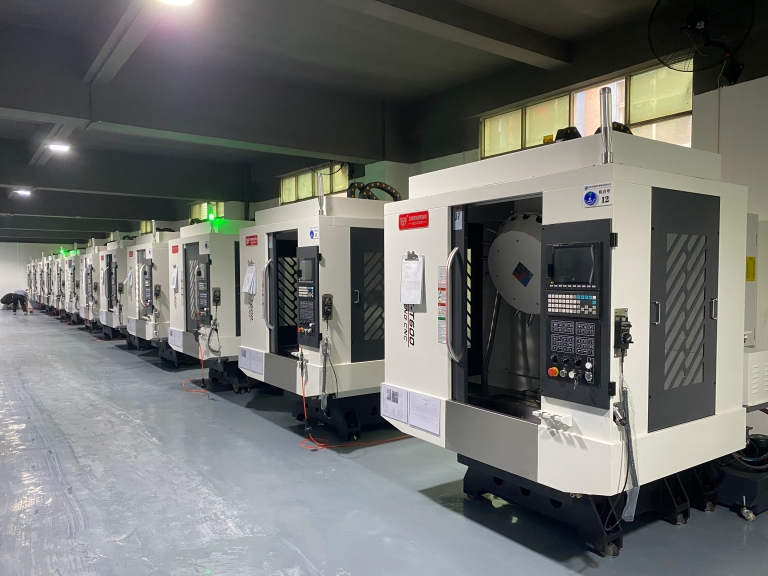
A: Typically, no. CNC milling creates individual components or sub-assemblies. However, a sophisticated machine shop like GreatLight can mill all the components to precise specifications and then provide value-added assembly services, creating a complete, functional assembly ready for use.
Q3: What is the most complex item you’ve seen created by CNC milling?
A: In my experience, some of the most complex creations are single-piece, monolithic aerospace components that traditionally would be an assembly of many smaller parts. Think of a large aircraft wing spar or an engine mount with integrated cooling channels and mounting points, machined from a single block of titanium. This reduces weight, increases strength, and improves reliability.
Q4: How does the creation process for a one-off prototype differ from a production run of 10,000 parts?
A: The core machining process is similar, but the approach differs significantly. For a prototype, the focus is on speed and flexibility—using standard tooling and fixturing to validate the design. For production, the focus shifts to optimization for cost, speed, and consistency. This involves designing dedicated fixtures, optimizing toolpaths for cycle time, implementing statistical process control (SPC), and potentially using multi-pallet machine systems for uninterrupted operation.
Q5: Why should I choose a manufacturer with 5-axis capabilities even if my part looks simple?
A: 5-axis CNC machining offers benefits beyond just complex shapes. It often allows a part to be completed in a single setup, which dramatically improves accuracy (no cumulative errors from moving the part between setups) and can reduce overall machining time. It also allows for the use of shorter, more rigid cutting tools that can achieve better finishes and longer tool life. A partner with 5-axis expertise can often find a more efficient way to produce even “simple” parts. For a deeper dive into our capabilities in this area, you can connect with our team on LinkedIn.



















