
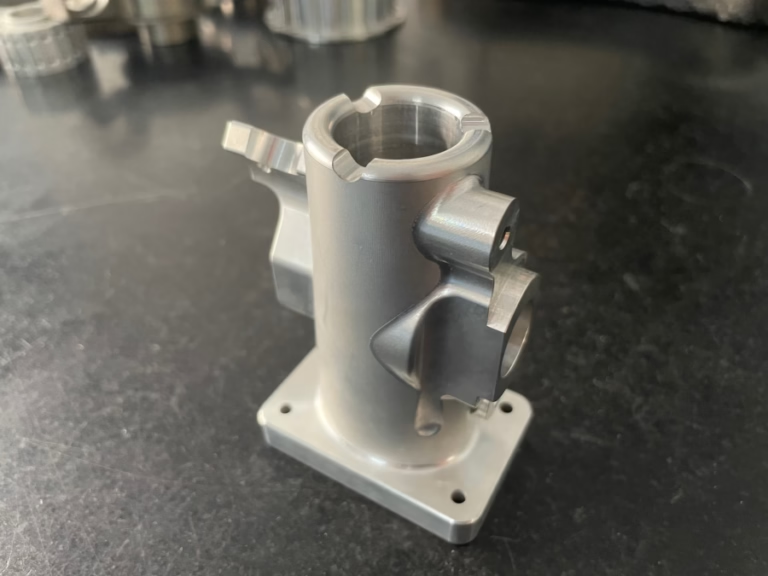
The journey of Computer Numerical Control (CNC) machines from a specialized military secret to the ubiquitous backbone of modern manufacturing is a fascinating story of technological evolution. While the foundational concepts emerged in the post-war era, the true wave of popularity that swept through global industry can be pinpointed to a transformative period: the 1970s and 1980s. This was when CNC technology transitioned from an expensive novelty to an essential, accessible tool for a wide range of manufacturers.
The Seeds of Innovation: The 1940s and 1950s
The story begins not with popularity, but with necessity. In the late 1940s, John T. Parsons, in collaboration with the Massachusetts Institute of Technology (MIT) and funded by the U.S. Air Force, developed the first numerical control (NC) systems. The goal was to machine complex, high-precision aircraft components that were incredibly difficult and time-consuming to produce manually. These early systems used punched paper tape to feed instructions to motors controlling the machine tool’s movements. They were massive, expensive, and required specialized rooms and operators, firmly placing them in the domain of aerospace and defense contractors.
The Transitional Era: The 1960s
The 1960s saw the introduction of the first commercial CNC machines. The critical development was the replacement of hard-wired logic boards with minicomputers, giving birth to the “Computer” in CNC. This made machines more flexible and easier to reprogram. However, cost remained a prohibitive barrier. These machines were primarily adopted by large automotive and aerospace corporations who could justify the investment for high-volume, complex part production. For the average machine shop, CNC was an intriguing but distant technology.
The Catalyst for Popularity: The 1970s and 1980s
This decade marks the true inflection point for CNC popularity, driven by a perfect storm of technological and economic factors:
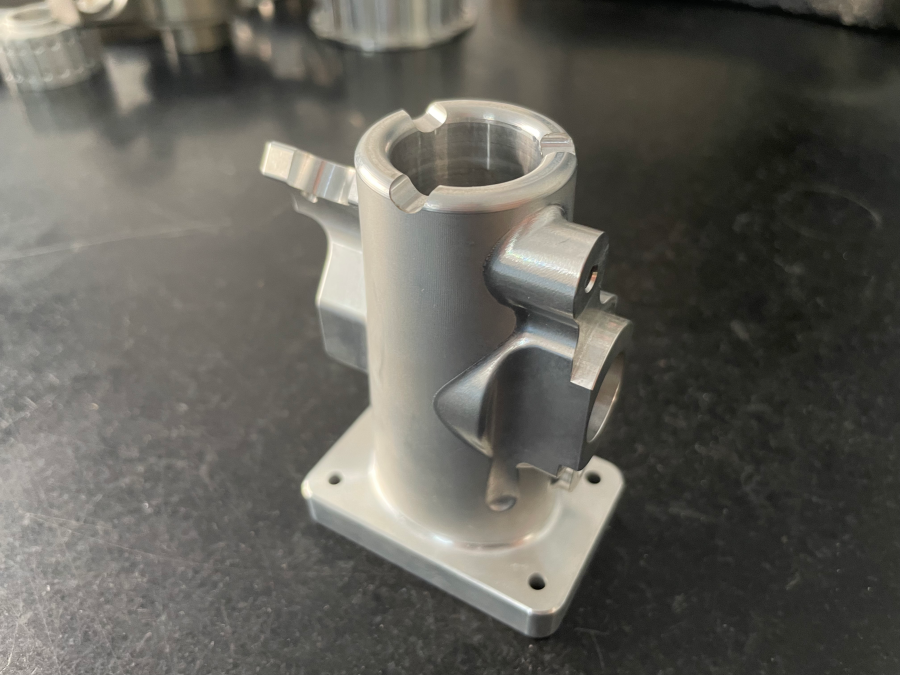
The Microprocessor Revolution: The single most important driver was the invention and commercialization of the microprocessor in the early 1970s. This allowed CNC controllers to become smaller, vastly more powerful, significantly more reliable, and—crucially—much cheaper. The cost of computing power plummeted.
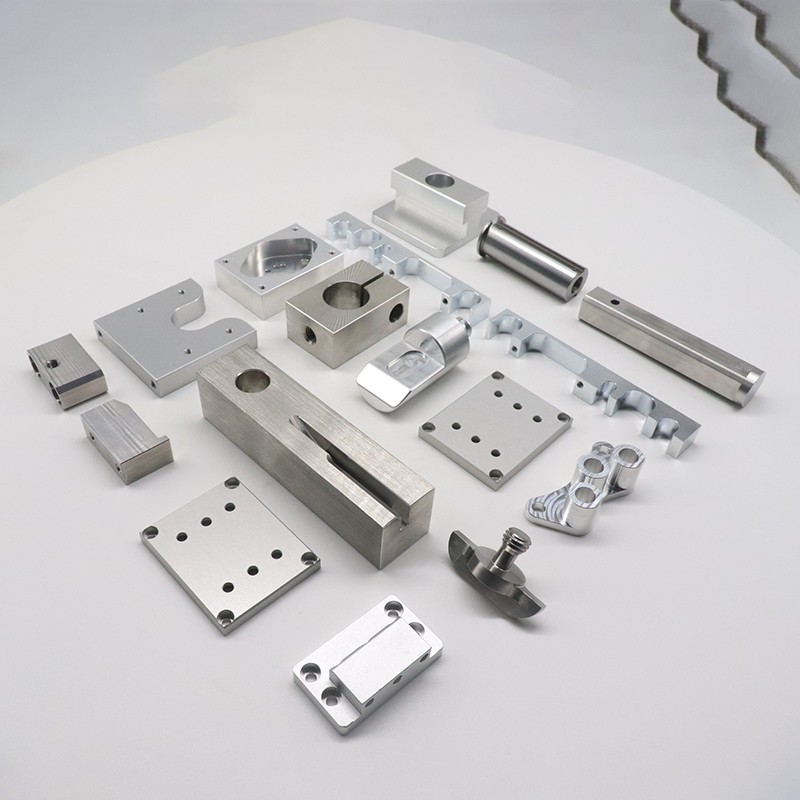
Development of CAD/CAM Software: The parallel rise of Computer-Aided Design (CAD) and Computer-Aided Manufacturing (CAM) software created a digital workflow. Engineers could now design parts in 3D on a computer, and CAM software could automatically generate the toolpaths (G-code) for the CNC machine. This dramatically reduced programming time, minimized human error, and unlocked the ability to produce previously “unmachinable” geometries.
Economic and Competitive Pressures: The global oil crises and increasing international competition, particularly from Japan and Germany, forced manufacturers to seek efficiencies. CNC machines offered a solution: they could run unattended for hours (lights-out manufacturing), produce parts with consistent quality, reduce waste, and accelerate time-to-market. The return on investment became clear and compelling.
Standardization of G-code: The establishment of RS-274 (G-code) as a relatively universal programming language reduced vendor lock-in and made it easier for machinists to transition between different brands of machines.
By the mid-1980s, CNC machining centers and lathes were becoming common sights in job shops and mid-sized factories, not just industrial giants. They were no longer just for mass production but also for efficient small-batch and prototype work.
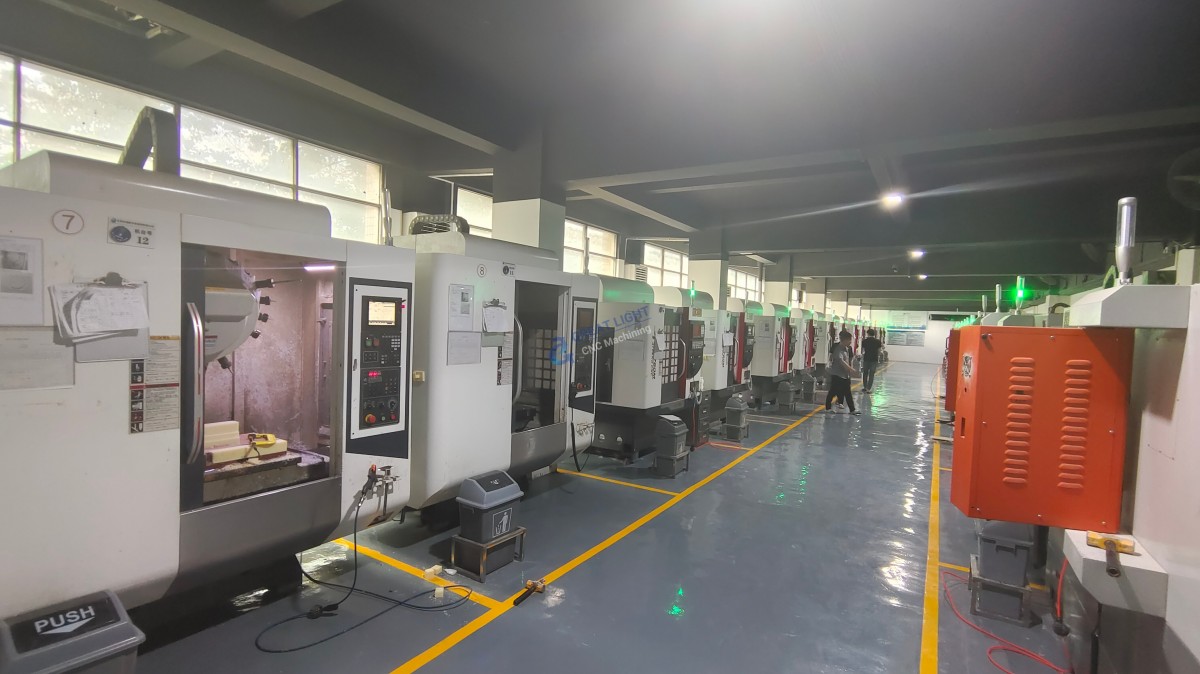
The Modern Era: From Popular to Indispensable (1990s – Present)
Since the 1990s, CNC technology has not just been popular; it has become utterly indispensable, evolving in several key directions:
High-Speed and Multi-Axis Machining: The advent of 5-axis CNC machining allowed for the complete machining of incredibly complex parts in a single setup, revolutionizing industries like aerospace, medical, and mold-making.
Precision and Automation Integration: Modern machines integrate probing, tool monitoring, and robotic part loading/unloading, creating highly automated manufacturing cells.
Democratization through Desktop CNC: The 2010s saw the rise of affordable, benchtop CNC routers and mills, bringing the technology to makers, designers, small workshops, and educational institutions, further cementing its pervasive role in fabrication.
For businesses looking to leverage this evolved technology, partnering with a manufacturer that masters both the foundational principles and cutting-edge applications is key. Facilities like GreatLight CNC Machining Factory exemplify this modern standard. By utilizing advanced multi-axis CNC systems within a framework of rigorous quality management (such as ISO 9001:2015), they transform the historical promise of CNC—precision, efficiency, and complexity—into reliable, day-to-day production reality for clients across sectors from automotive to robotics.
Conclusion
CNC machines became popular in the 1970s and 1980s, transitioning from exclusive, high-cost tools to mainstream industrial assets. This shift was catalyzed by the microprocessor, which made controllers affordable, and driven by the need for manufacturing efficiency and capability. Today, CNC technology is the silent, precise engine of the physical world, from the smartphone in your pocket to the jet in the sky. Its popularity has matured into a fundamental dependency, continuously evolving to shape the future of making things.
Frequently Asked Questions (FAQ)
Q: What was the main thing that made CNC machines popular in the 1980s?
A: The widespread adoption of the microprocessor was the primary catalyst. It drastically reduced the cost, size, and complexity of the CNC controller while increasing its power and reliability, making the technology economically viable for a much broader range of manufacturing businesses.
Q: Were there CNC machines before computers?
A: Yes. The earliest systems were Numerical Control (NC) machines, which used punched tape or cards to physically encode instructions. The “computer” was integrated in the 1960s with minicomputers, leading to the term CNC, but the microcomputer boom of the 70s truly defined the modern CNC era.
Q: How did CNC change the role of the machinist?
A: CNC shifted the machinist’s primary skill from manually operating handles to programming, setup, and supervision. It elevated the role from a manual craft to a highly technical profession involving CAD/CAM software, metallurgy, toolpath optimization, and precision measurement.
Q: What industries were the first to adopt CNC technology?
A: The aerospace and defense industries were the pioneers, driven by the need to machine complex, high-strength components for aircraft and missiles. The automotive industry quickly followed for producing engine parts, dies, and molds with high consistency.
Q: Is manual machining still relevant today?
A: Absolutely. While CNC dominates volume production and complex geometry, manual machining remains vital for one-off repairs, toolmaking, prototyping very simple parts, and for teaching fundamental machining principles. The most skilled machinists often blend knowledge of both.
Q: What does the future hold for CNC machining?
A: The future points towards greater integration with the Industrial Internet of Things (IIoT) for predictive maintenance and data analytics, increased use of artificial intelligence for adaptive machining and process optimization, and further advancements in multi-tasking and hybrid (e.g., additive + subtractive) machines that consolidate more operations into a single platform. Leaders in the field, such as GreatLight Metal, are at the forefront of integrating these advanced capabilities to provide comprehensive solutions. To see how such innovation is applied in a professional context, you can follow their updates on platforms like LinkedIn{:target=”_blank”}.



















