

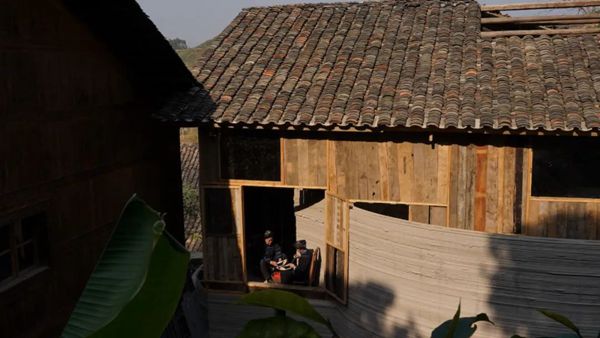
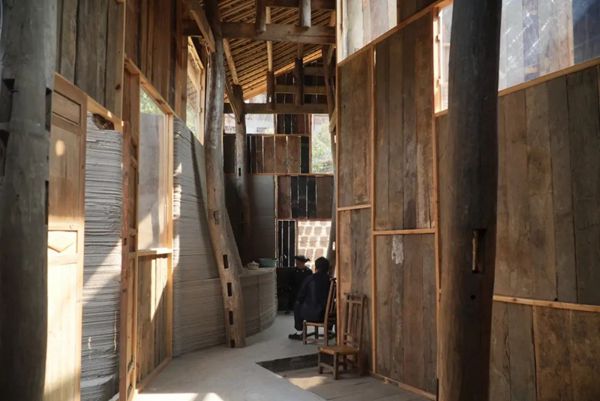
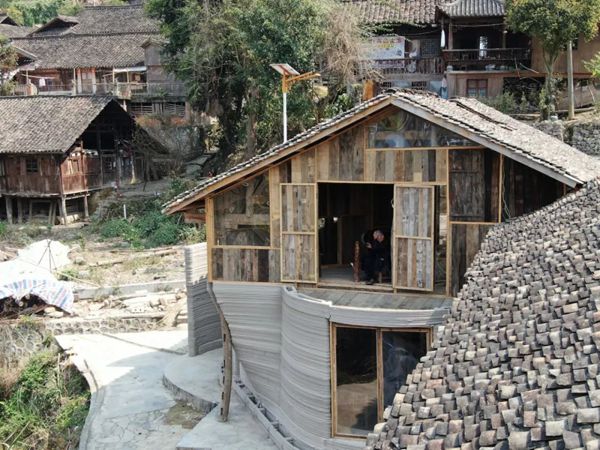
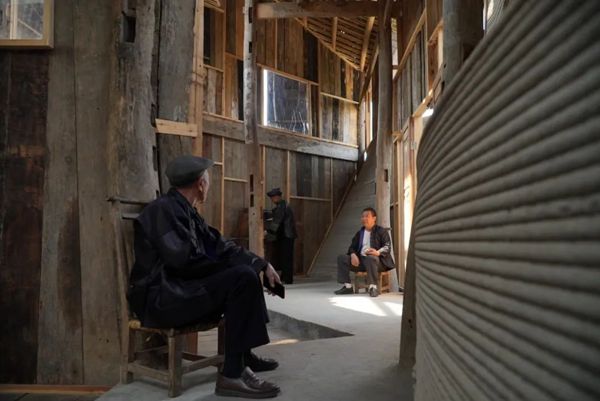
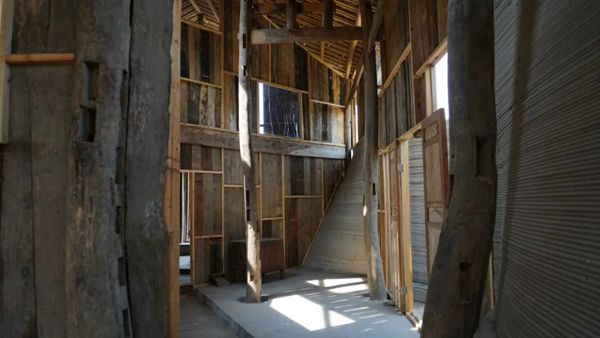
By combining 3D printed parts with traditional wooden products, an abandoned house in rural Guizhou has been transformed into a modern home. This “traditional house of the future” shows how abandoned houses can be recycled and revitalized to resist the pressures of urbanization in rural areas while retaining their regional character. Leveraging technology to meet the needs of contemporary users while minimizing environmental impact, the combination of on-site robotic printing and traditional wood craftsmanship shows how it works. Despite the drawbacks of 3D printing, the project raises questions about how similar interventions could be scaled up to transform remaining abandoned housing.
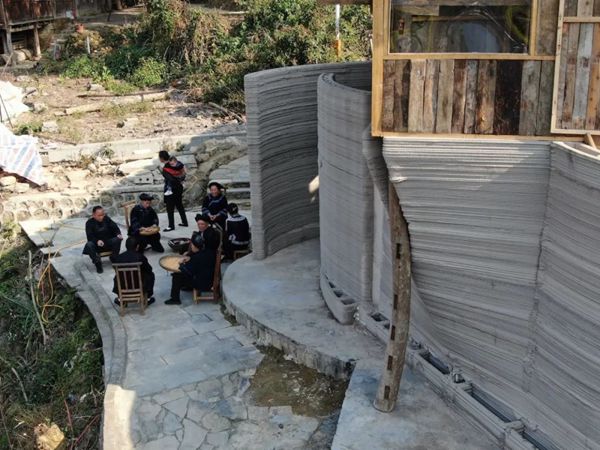
Aging wooden houses, typical of rural China, pose a challenge to governments and architects: how to modernize traditional housing in response to urbanization. Lidia Ratoi and John Lin from the University of Hong Kong designed “Traditional Houses of the Future” to conceptually explore the future of domestic space through the renovation and reuse of abandoned houses. The house renovation is part of a government project in Guizhou’s Nanlong village to renovate hundreds of abandoned homes.
Ratoi and Lin used a combination of 3D printing and traditional carpentry to transform the house. The designers first scanned the original structure, which was then dismantled by local villagers in preparation for new 3D printed parts. The new structural and spatial intervention was created using 3D printed components, with custom-designed walls placed back into the frame by local villagers, before new spaces such as entrance courtyards, dormer windows , balconies, kitchens and bathrooms are added.
source:FRAMEEEE architecture
Daguang focuses on providing solutions such as precision CNC machining services (3-axis, 4-axis, 5-axis machining), CNC milling, 3D printing and rapid prototyping services.



















