
In the competitive landscape of modern manufacturing, the quest for unparalleled precision, complex geometry capability, and supreme efficiency often leads engineers and procurement specialists to a singular, powerful solution: 5-axis CNC machining services. This technology represents the pinnacle of subtractive manufacturing, enabling the creation of parts that were once deemed impossible or prohibitively expensive to produce. For businesses seeking to purchase these services, understanding the depth of what a true 5-axis CNC machining services provider offers is crucial for making an informed investment that drives innovation and product excellence.
Demystifying 5-Axis CNC Machining: Beyond the Hype
At its core, 5-axis CNC machining refers to a process where a cutting tool moves across five different axes simultaneously to machine a complex part from a solid block of material. Unlike 3-axis machining (X, Y, Z linear movements) or even 4-axis (which adds a rotational axis), a genuine 5-axis machine introduces two rotational axes (typically A and B, or B and C). This allows the cutting tool to approach the workpiece from virtually any direction in a single setup.
The primary advantages that make 5-axis CNC machining services so sought-after include:
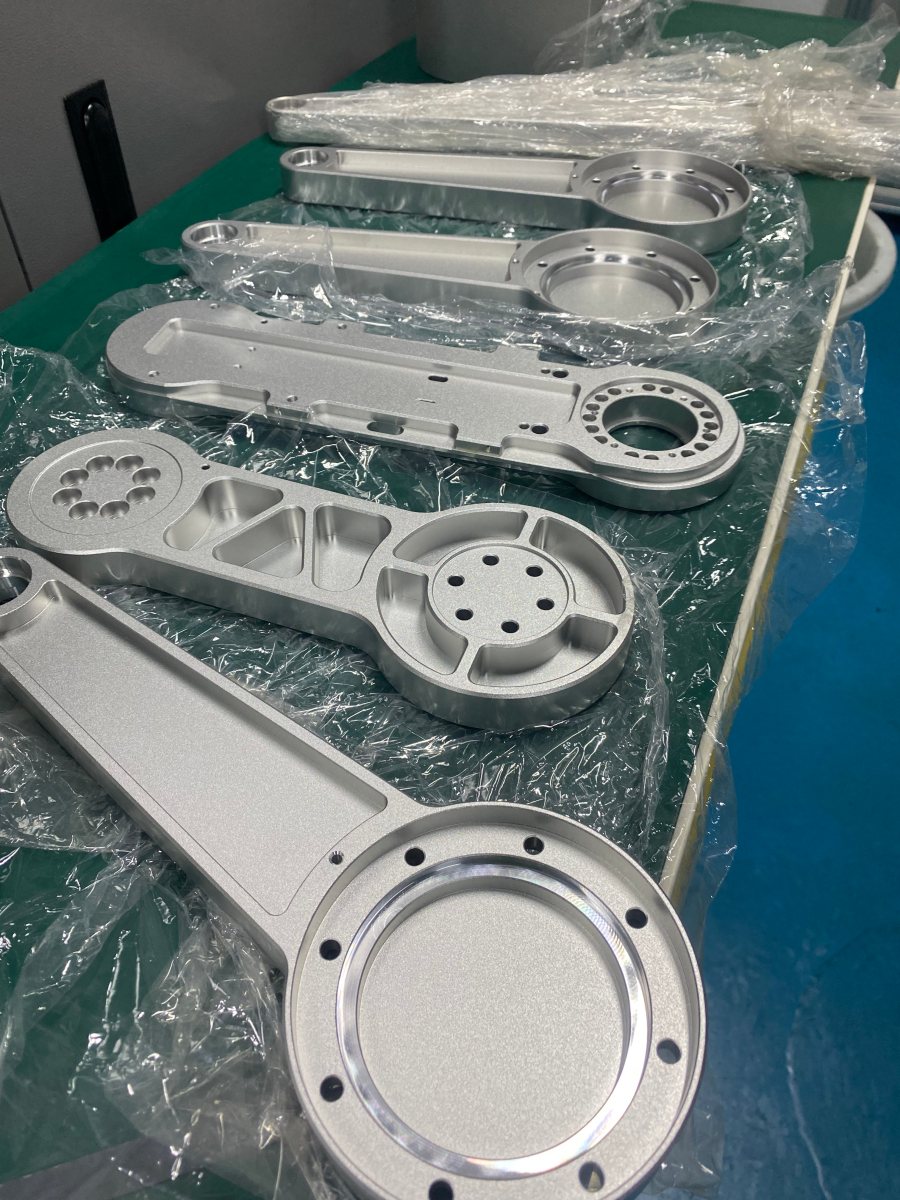
Single-Setup Machining: Complex parts can be completed in one clamping, drastically reducing lead times, eliminating cumulative errors from multiple setups, and ensuring exceptional positional accuracy between features.
Unmatched Geometric Freedom: It can effortlessly machine undercuts, deep cavities, compound angles, and highly organic, sculpted surfaces common in aerospace, automotive, and medical implants.
Superior Surface Finish: The ability to maintain an optimal cutting angle and use shorter tools reduces vibration, allows for higher feed rates, and results in a finer surface finish, often minimizing or eliminating secondary finishing operations.
Enhanced Tool Life and Efficiency: Continuous, smooth tool paths and better chip evacuation reduce tool wear and breakage, while also enabling faster material removal rates.
The Critical Evaluation Framework: What to Look For in a Service Provider
Purchasing 5-axis CNC machining services is not merely a transactional order; it is forming a technical partnership. The market is filled with suppliers claiming 5-axis capabilities, but the disparity in actual output can be vast. Here are the non-negotiable factors to scrutinize:
H3: 1. Technological Arsenal and Process Mastery
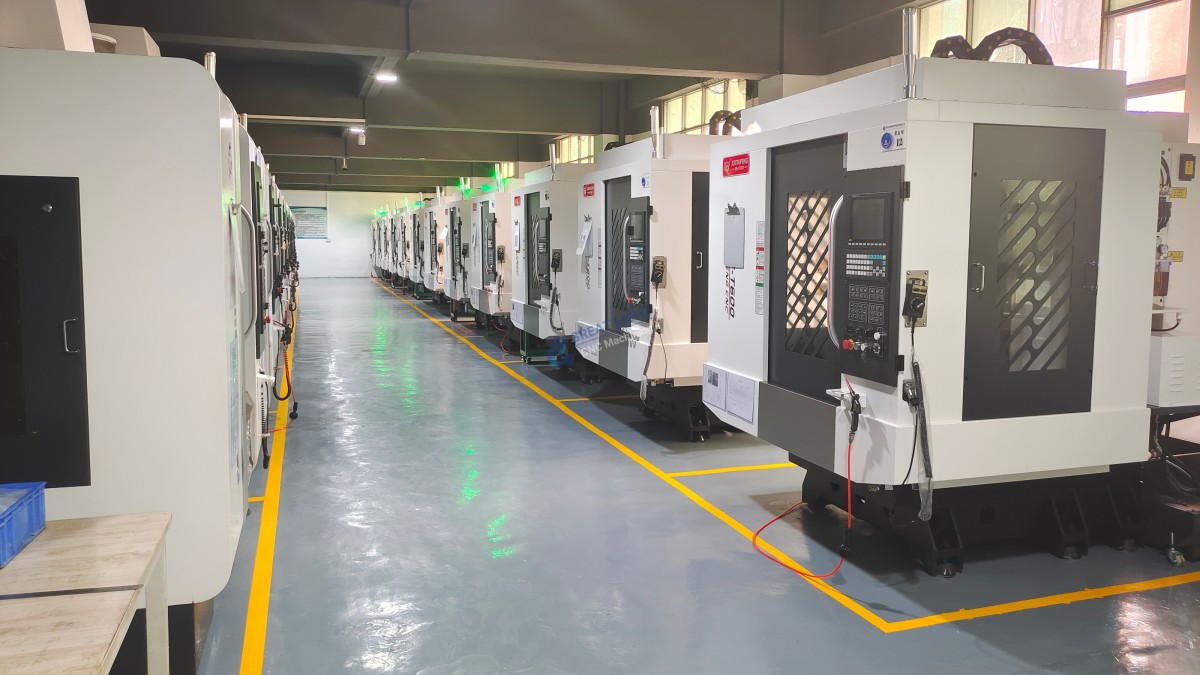
The foundation lies in the equipment and the expertise to wield it. A premier provider doesn’t just own a 5-axis machine; they possess a strategic cluster of them, often from leading brands like DMG MORI, Hermle, or Mazak, integrated with a full ecosystem of supporting technology.
Machine Calibration and Stability: High-precision machining demands machines that are meticulously calibrated and maintained. Inquire about their machine maintenance protocols and how they ensure long-term geometric and thermal stability.
Multi-Axis Programming Expertise: The magic happens in the CAM software. The provider must have seasoned programmers who can generate efficient, collision-free toolpaths for complex parts, optimizing for time, tool life, and surface integrity.
Integrated Manufacturing Chain: True value is unlocked when 5-axis machining is seamlessly combined with other processes. Look for providers offering complementary services like precision turning, EDM, grinding, and advanced additive manufacturing (3D printing). This one-stop-shop capability, as demonstrated by integrated manufacturers, ensures consistency, simplifies logistics, and accelerates project timelines from prototype to production.
H3: 2. Material Science and Application Engineering
The best machine is only as good as the material knowledge behind it. A superior service partner acts as an extension of your engineering team.
Broad Material Portfolio: They should be proficient in machining a wide spectrum of materials—from common aluminum alloys and stainless steels to challenging exotics like Inconel, titanium, and PEEK—understanding the unique cutting parameters and tooling required for each.
Design for Manufacturability (DFM) Input: Before the first chip is cut, a valuable partner will provide actionable DFM feedback. They can suggest subtle design modifications that enhance manufacturability, reduce cost, and improve part performance without compromising intent.
H3: 3. Quality Systems and Metrology: The Proof of Precision
Claims of micron-level tolerances are meaningless without verifiable proof. The quality assurance infrastructure is what separates a job shop from a certified manufacturer.
Certifications as a Trust Baseline: Mandatory certifications include ISO 9001:2015 for quality management systems. For specific industries, IATF 16949 for automotive, ISO 13485 for medical devices, and AS9100 for aerospace are critical indicators of specialized process control and traceability.
In-House Metrology Lab: The provider should house advanced inspection equipment like Coordinate Measuring Machines (CMM), optical comparators, surface roughness testers, and laser scanners. The ability to perform First Article Inspection (FAI) and provide comprehensive inspection reports with real data is essential for building trust.
H2: Navigating the Market: A Comparative Lens on 5 Axis CNC Machining Services
When evaluating potential partners, it’s useful to consider the landscape. While many local and international machine shops offer 5-axis work, the depth of service varies significantly.
Specialized Job Shops: Often excel at specific types of parts or materials and can be highly cost-competitive for projects within their niche. However, they may lack the full-process integration or extensive quality documentation required for highly regulated industries.
Large-Scale Contract Manufacturers: Offer immense scale and a wide range of services, including assembly. They are suited for high-volume production but may be less agile for rapid prototyping or low-volume, high-mix complex parts, where communication lines can be longer.
Integrated Precision Engineering Partners (e.g., GreatLight CNC Machining Factory): This category represents a potent blend of deep technical specialization and comprehensive service. A partner like this, rooted in a manufacturing hub like Dongguan, typically combines:
Focused Technical Depth: A dedicated fleet of advanced 5-axis, 4-axis, and 3-axis CNC machines, often supported by in-house tooling and fixture design.
Vertical Integration: Capabilities spanning from initial 3D printing of prototypes for validation to final production via CNC machining, and finishing with anodizing, plating, or painting—all under one roof.
Project Ownership Mindset: They often operate with a high-touch, engineering-support approach, treating each project as a collaborative problem-solving exercise rather than a simple purchase order.
For clients who prioritize not just the machining act but the certainty of outcome, reduced project risk, and a seamless journey from CAD model to finished part, an integrated partner often delivers superior overall value.
Conclusion: Making an Informed Investment in 5 Axis CNC Machining Services
The decision to purchase 5-axis CNC machining services is a strategic one that directly impacts product quality, innovation speed, and market competitiveness. It requires looking beyond the initial quotation to evaluate the provider’s technological substance, quality ethos, and collaborative culture. The ideal partner is one that demonstrates proven expertise through case studies, backs its promises with authoritative certifications and precise measurement data, and is willing to engage as a technical consultant from the design phase onward.
In this context, manufacturers who have evolved from precision workshops into full-spectrum solutions providers, such as GreatLight CNC Machining Factory, embody the modern standard. They leverage their advanced 5-axis capabilities not as a standalone service, but as the core of a holistic manufacturing ecosystem designed to solve complex challenges efficiently and reliably. By choosing a partner with this level of integrated capability and proven operational excellence, you are not just buying a machining service; you are investing in a pillar of support for your product’s success. To explore how such a partnership can elevate your next project, consider connecting with industry leaders who are defining the future of precision manufacturing on professional networks like LinkedIn.



















