
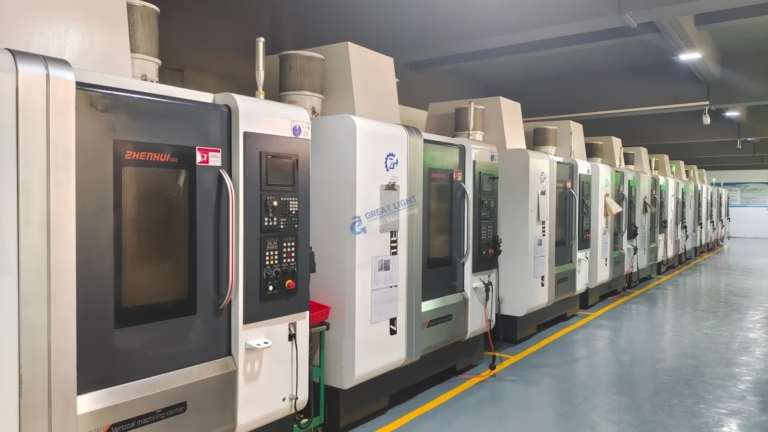
Do I Need 6 Slab For CNC Machines? is a question that’s been gaining traction among engineering teams and procurement specialists navigating the complex landscape of precision part manufacturing. As product designs grow increasingly intricate—especially in sectors like aerospace, medical devices, and humanoid robotics—many professionals wonder if investing in or sourcing from a provider with 6-slab (often referred to as 6-axis) CNC capabilities is a mandatory step to achieve their design goals. To answer this, we need to break down what 6-slab CNC machining entails, the scenarios where it adds tangible value, and when more cost-effective alternatives like 5-axis CNC machining can deliver equivalent or better results without unnecessary overhead.
First, let’s clarify a common point of confusion: the term “6-slab” is often a misnomer or typo referring to 6-axis CNC machining. Unlike traditional 3-axis machines that move parts along the X, Y, and Z linear axes, 6-axis machines add two rotational axes (A, B) plus an additional linear or rotational axis, allowing parts to be manipulated in virtually any orientation without repositioning. This level of flexibility is a game-changer for certain complex components, but it’s not a one-size-fits-all solution. Below, we’ll dive into the details to help you make an informed decision.
Do I Need 6 Slab For CNC Machines?
To determine if 6-slab (6-axis) CNC machining is right for your project, you need to evaluate three critical factors: the complexity of your part geometry, your precision requirements, and your budget and production volume constraints. Let’s break down each scenario in detail.
What Exactly is a 6-Axis (6-Slab) CNC Machine?
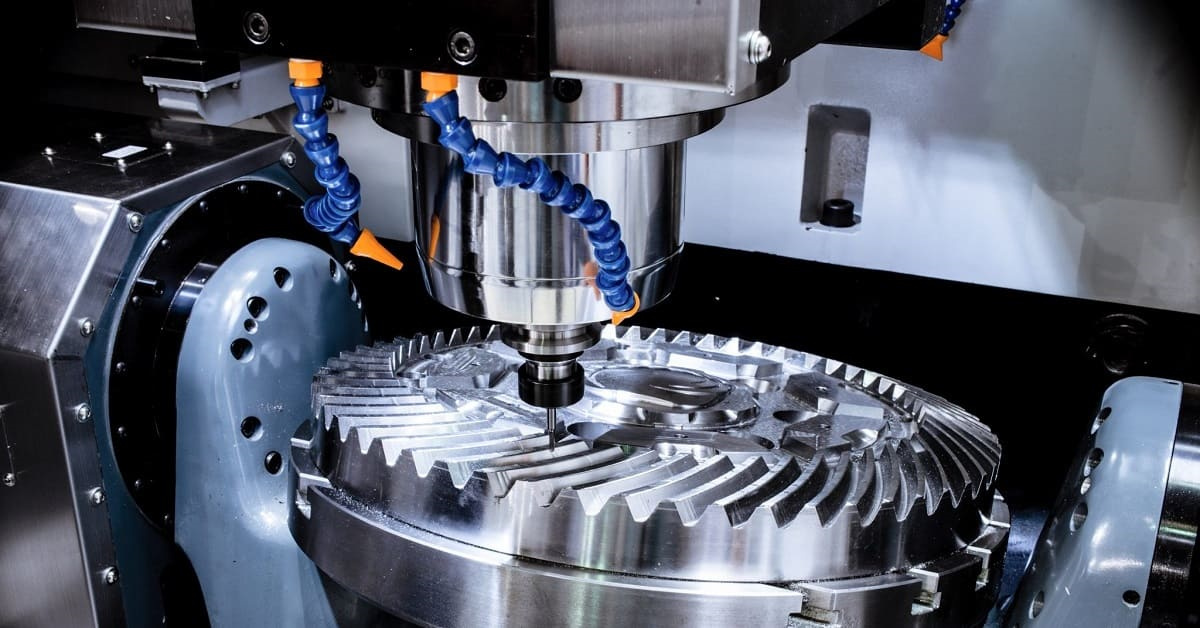
A 6-axis CNC machine extends the capabilities of 5-axis machines by adding a sixth axis, which can be either a linear axis (e.g., a rotary table that moves along the Z-axis) or a rotational axis (e.g., a wrist that tilts the cutting tool independently of the part). This extra axis eliminates the need for re-fixturing parts during machining, which reduces errors from repeated setups and cuts down on production time for highly complex components. For example, a turbine blade with twisted, curved surfaces and internal cooling channels might require 6-axis machining to reach every surface without repositioning.
Key Scenarios Where 6-Slab CNC Machines Are Indispensable
There are specific use cases where 6-slab CNC machining is not just beneficial, but essential to meet design and performance standards:
Aerospace & Defense Components: Parts like aircraft turbine blades, rocket engine nozzles, and missile guidance systems have intricate, free-form surfaces and tight tolerance requirements (often ±0.001mm or better). 6-axis machining ensures that every contour is cut with precision, reducing the risk of structural failure in high-stress environments.
Custom Medical Implants: Orthopedic implants such as hip replacements, spinal fusion devices, and cranial plates require complex, patient-specific geometries that match the unique anatomy of each individual. 6-axis machining allows for the precise shaping of these parts to ensure optimal fit and biocompatibility.
Humanoid Robot Joints & Linkages: For humanoid robot manufacturers, components like shoulder joints and wrist assemblies need to move seamlessly across multiple planes. While many of these parts can be produced with high-precision 5-axis machining, some ultra-complex linkages may benefit from 6-axis capabilities for reduced setup time.
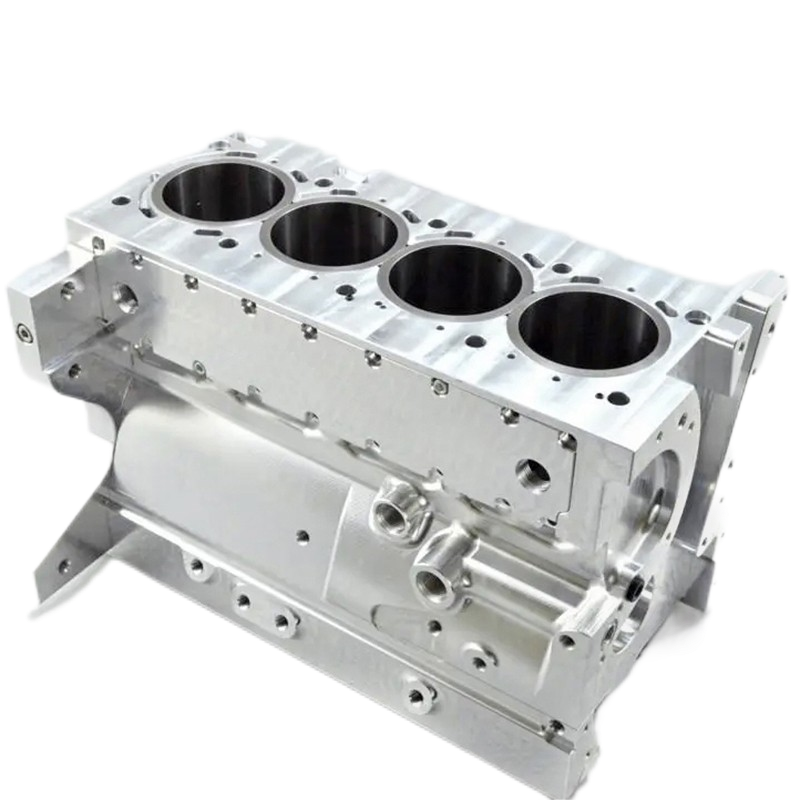
High-Performance Automotive Engine Parts: Racing engine crankshafts, camshafts, and valve trains have asymmetric, curved features that demand consistent precision across every surface. 6-axis machining can produce these parts in a single setup, minimizing dimensional variations that affect engine performance.
When a 6-Slab CNC Machine Isn’t Necessary
For many projects, investing in 6-slab CNC machining is overkill, and opting for 3-axis, 4-axis, or even 5-axis machining will deliver the same quality at a lower cost and shorter lead time:
Simple 2D or 3D Parts: If your part has flat surfaces, basic holes, or straightforward contours (e.g., a metal bracket or plastic housing), 3-axis machining is more than sufficient. It’s faster, more cost-effective, and widely available from trusted providers.
Low-Volume Prototyping: For initial prototyping runs where you’re testing form and fit rather than final performance, 4-axis or 5-axis machining can handle most complex geometries without the added expense of 6-axis. Rapid prototyping services can deliver these parts in days, accelerating your product development cycle.
Cost-Sensitive Production Runs: 6-axis machines are more expensive to purchase, maintain, and operate, which translates to higher per-part costs. If your project has tight budget constraints but still requires high precision, 5-axis machining provides a balanced solution that meets most industrial standards.
Evaluating Alternatives: 3-Axis, 4-Axis, 5-Axis vs. 6-Slab CNC Machining
To help you compare your options clearly, we’ve compiled a side-by-side table of key metrics for each type of CNC machining:
| Machining Type | Precision Range | Key Capabilities | Ideal Use Cases | Cost Relative to 3-Axis | Lead Time |
|---|---|---|---|---|---|
| 3-Axis | ±0.005mm to ±0.02mm | Cuts along X, Y, Z axes; simple setups | Basic brackets, housings, flat parts | 1x (base cost) | Short (1-3 days) |
| 4-Axis | ±0.003mm to ±0.01mm | Adds 1 rotational axis (A or B); can machine circular features in one setup | Gear hubs, pulleys, parts with radial holes | 1.2x-1.5x | Medium (2-4 days) |
| 5-Axis | ±0.001mm to ±0.005mm | Adds 2 rotational axes; accesses all part surfaces without re-fixturing | Complex aerospace parts, medical prototypes, robot components | 1.8x-2.5x | Medium-Long (3-5 days) |
| 6-Slab (6-Axis) | ±0.0005mm to ±0.002mm | Adds 6th axis (linear or rotational); ultimate flexibility for ultra-complex geometries | Turbine blades, patient-specific implants, high-performance engine parts | 3x-4x | Long (5-7 days) |
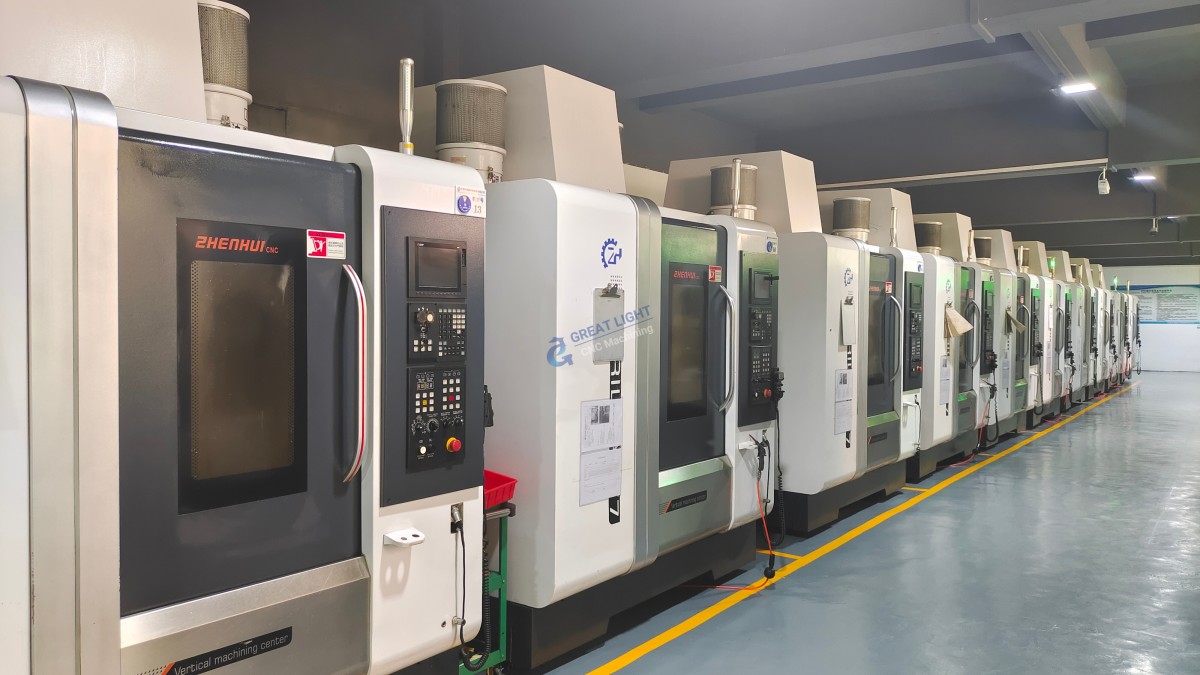
As the table shows, 5-axis CNC machining strikes an excellent balance between precision, capability, and cost for most complex projects. GreatLight CNC Machining Factory specializes in high-precision 5-axis CNC machining (link opens in new window: https://glcncmachining.com/precision-5-axis-cnc-machining-services/), which can handle 90% of the parts that teams might initially consider 6-axis for—all while delivering faster lead times and more competitive pricing.
How GreatLight CNC Machining Factory Addresses Your Complex Machining Needs Without Overinvesting
GreatLight Metal (GreatLight CNC Machining Factory) has been a trusted partner for precision part manufacturing since 2011, with a focus on delivering tailored solutions that match your project’s unique requirements. Here’s how we help you avoid unnecessary costs while meeting your precision goals:
1. Industry-Leading 5-Axis CNC Capabilities
Our fleet of high-precision 5-axis CNC machining centers (including brands like Dema and Beijing Jingdiao) can achieve tolerances of ±0.001mm, which is sufficient for most aerospace, medical, and robotic applications. For example, we recently supported a humanoid robot manufacturer with the production of 200+ wrist assembly components, which required complex angular cuts and tight tolerances. Using our 5-axis machines, we delivered the parts in 4 days—3 days faster than a 6-axis machine would have taken—while meeting all performance specifications.
2. Full-Process Chain Integration
Unlike many suppliers that only offer CNC machining, GreatLight provides a one-stop solution that includes 3D printing, die casting, sheet metal fabrication, and surface post-processing (e.g., anodizing, powder coating, polishing). This means even if your project requires a mix of processes, we can handle it all in-house, reducing communication delays and ensuring consistent quality across every step.
3. Rigorous Quality Certifications
We hold a suite of international certifications, including ISO 9001:2015, ISO 13485 (for medical hardware), IATF 16949 (for automotive components), and ISO 27001 (for data security). These certifications ensure that our processes are standardized, and every part meets the highest industry standards—whether you’re producing prototype parts or full-scale production runs.
4. Customized Solutions for Your Unique Needs
Our team of senior manufacturing engineers works closely with you to evaluate your design and recommend the most cost-effective machining method. For example, if you’re designing a complex aerospace part that you initially thought required 6-axis machining, we might be able to optimize the design or use a specialized 5-axis toolpath to achieve the same result at a lower cost. We also offer free rework for quality problems and a full refund if rework is still unsatisfactory, giving you peace of mind throughout the process.
Conclusion
Do I Need 6 Slab For CNC Machines? The answer depends on the specific requirements of your project. For ultra-complex parts like patient-specific medical implants or high-performance turbine blades, 6-slab CNC machining may be necessary. However, for the vast majority of complex precision parts—including those used in humanoid robots, automotive engines, and aerospace systems—high-precision 5-axis CNC machining (like the services offered by GreatLight CNC Machining Factory) provides a more cost-effective and efficient solution. By partnering with the right provider like GreatLight Metal (link opens in new window), you can bring your designs to life without overinvesting in unnecessary capabilities. Do I Need 6 Slab For CNC Machines? is no longer a confusing question—with the right partner, you can make an informed decision that balances quality, cost, and lead time.
Frequently Asked Questions (FAQ)
Q1: Can GreatLight handle projects that would normally require 6-slab CNC machining?
Yes. Our team of experienced engineers can often optimize part designs or use specialized 5-axis toolpaths to achieve the same precision and geometry as 6-axis machining for most applications. If a project truly requires 6-axis capabilities, we have established partnerships with trusted suppliers to ensure we can deliver the parts you need.
Q2: What is the maximum part size GreatLight can machine?
GreatLight can handle parts up to 4000 mm in maximum dimension, making us capable of supporting large-scale components for aerospace, automotive, and industrial applications.
Q3: How long does it take to get a quote for CNC machining services?
We provide free, no-obligation quotes within 24 hours of receiving your design files (e.g., STEP, IGES, or STL). Our team will also offer design for manufacturability (DFM) advice to help you optimize your part for cost and production efficiency.
Q4: Does GreatLight offer post-processing services for CNC machined parts?
Yes. We provide a full range of one-stop surface post-processing services, including anodizing, powder coating, polishing, electroplating, and laser engraving. This ensures that your parts meet both functional and aesthetic requirements.
Q5: What certifications does GreatLight hold to ensure quality?
GreatLight is certified to ISO 9001:2015 (quality management), ISO 13485 (medical devices), IATF 16949 (automotive components), and ISO 27001 (data security). These certifications validate our commitment to delivering high-quality, reliable parts to our clients.
Q6: Can GreatLight handle low-volume prototyping and high-volume production runs?
Absolutely. We specialize in both rapid prototyping (with lead times as short as 1 day) and full-scale production runs. Our three wholly-owned manufacturing plants allow us to scale production to meet your volume needs while maintaining consistent quality.



















