
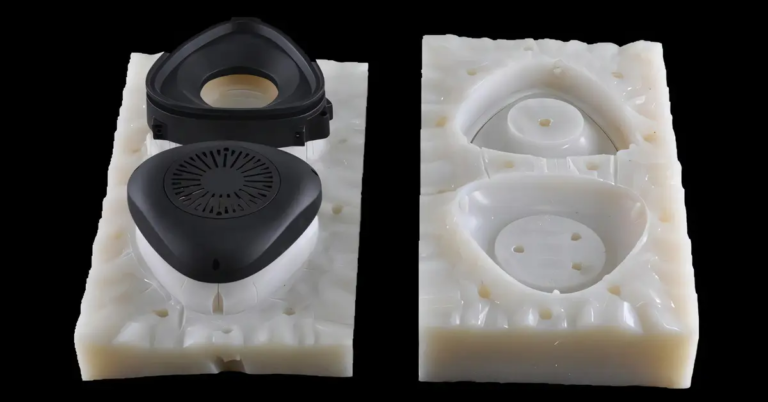
Mold Processing: Key Takeaways from "General Operating Regulations for Equipment Forging"
As a responsible equipment forging facility, ensuring the proper implementation of "General Operating Regulations for Equipment Forging" is crucial for maintaining a safe and efficient production process. This blog post will delve into the essential guidelines outlined in this document, providing a comprehensive guide for operators to follow for excellent results.
Before Starting Work: Serious Implementation of Regulations
To begin with, it is vital to implement the relevant provisions of "General Operating Regulations for Equipment Forging" in a serious manner. This includes:
- Mold Installation and Tensioning: Ensure that the mold is installed correctly and tightly, with the center of joint force of the stamping piece overlapping with the press center as much as possible. Additionally, the mold support area must not be less than a third of the lower area of the punch.
- Debris Removal: Clean the punch space and mold space to remove any debris or obstructions.
- Air Operating Test and Pre-Start Checks: Conduct an air operating test after making any changes, such as replacing the mold or adjusting the fence height. Before starting the equipment, confirm that the height of the mold closure and the position of the tapping screw are adjusted.
- Main Engine Disconnection: Disconnect the steering wheel and clutch before starting the main engine to prevent unauthorized or premature operation.
During Operations: Best Practices
When it comes to actual operations, the following guidelines must be strictly adhered to:
- Prevent Parts Riding: Ensure that parts are not allowed to ride, and it is strictly forbidden to feed materials before the remaining parts and materials are removed.
- Hands Out of Mold Space: When the cursor is running, do not allow your hands to enter the mold space to correct, collect, or place parts.
- Regular Mold Condition Checks: Regularly inspect the mold condition to identify any potential issues or defects.
After Operations: Shutdown and Maintenance
After completing the operation, it is crucial to follow these guidelines to ensure proper shutdown and maintenance:
- Disconnected Steering Wheel and Clutch: Disconnect the steering wheel and clutch, and allow the punch to stop at the upper standing position.
- Equipment Shutdown and Cleaning: Shut down the equipment and clean the area to prevent any potential hazards or contamination.
By implementing these guidelines, equipment forging facilities can ensure a safe, efficient, and high-quality production process. Remember, a strong foundation of rules and regulations is vital for maintaining excellence in this field. Stay informed, stay safe, and produce exceptional results with this comprehensive guide to "General Operating Regulations for Equipment Forging".



















