
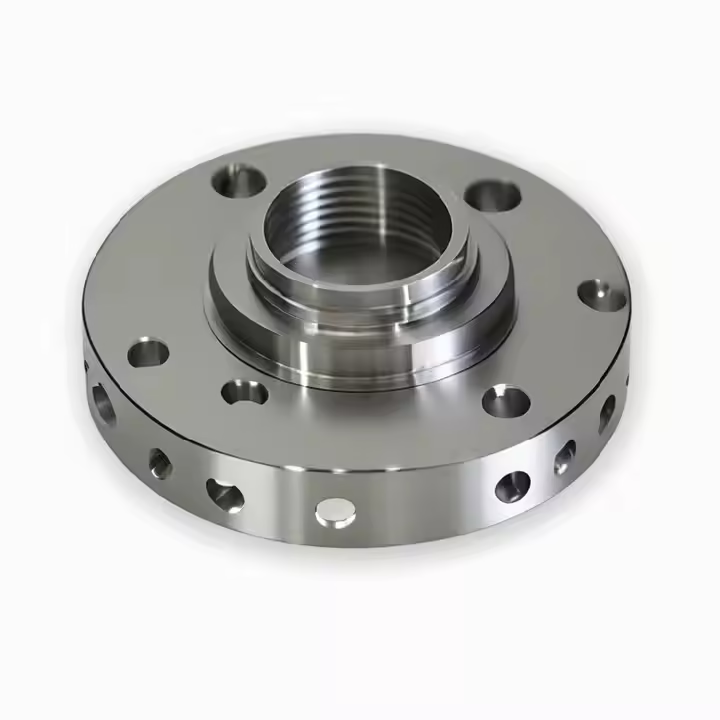
If you’ve ever wondered, “How Much Are CNC Machines?” you’re not alone—whether you’re a procurement manager evaluating the feasibility of bringing precision machining in-house, a startup founder weighing upfront capital expenditures against outsourcing, or an engineer curious about the cost drivers behind the parts you design, understanding CNC machine pricing is a critical step in making informed, cost-effective decisions. The price tag for these versatile machines can vary dramatically, ranging from a few thousand dollars for hobbyist models to hundreds of thousands (or even millions) for industrial-grade, high-precision systems. To demystify this range, we’ll break down the key factors influencing CNC machine costs, compare the trade-offs of buying vs. outsourcing, and explain why partnering with a trusted precision machining provider like GreatLight Metal might be the smarter financial move for your business.
How Much Are CNC Machines?
The cost of a CNC machine depends heavily on its type, capabilities, and build quality. Below is a detailed breakdown of pricing by machine category and the factors that drive these costs.
Cost Breakdown by CNC Machine Type
CNC machines are categorized by the number of axes they operate on, which directly impacts their complexity and functionality. Each type serves distinct manufacturing needs and comes with a corresponding price range:
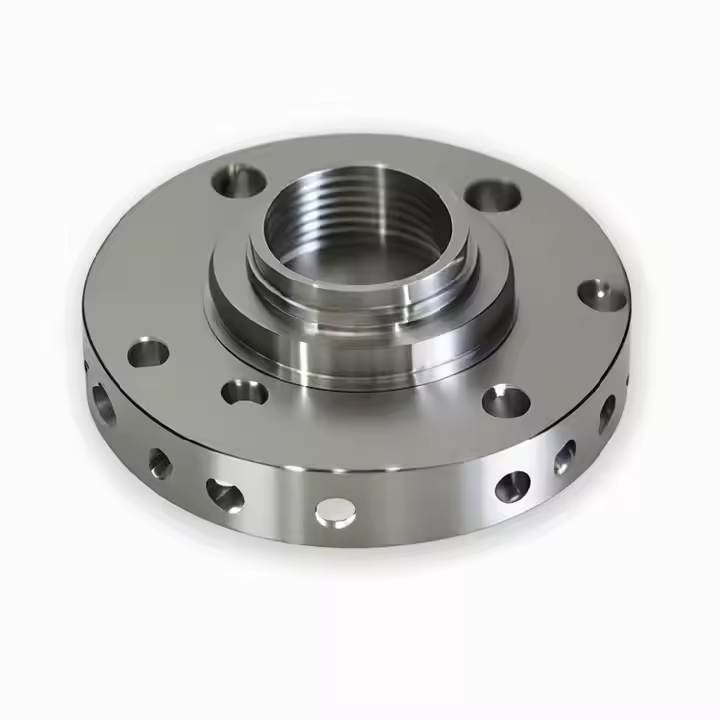
3-Axis CNC Machining Centers
These are the most common entry-level to mid-range machines, ideal for simple to moderately complex parts with flat geometries (e.g., basic brackets, enclosures). Entry-level hobbyist or small-shop models start around $10,000–$30,000, while industrial-grade 3-axis centers with heavy-duty frames and advanced controls range from $50,000 to $150,000. High-precision industrial models capable of holding tolerances as tight as ±0.005mm can push past $200,000.
4-Axis CNC Machines
Adding a rotational 4th axis allows for machining complex parts in a single setup, reducing production time and minimizing human error. These machines are a step up from 3-axis models, with mid-range industrial units starting at $80,000. Premium 4-axis centers with high-speed spindles and robust build quality (designed for continuous use) can cost $200,000–$400,000.
5-Axis CNC Machining Centers
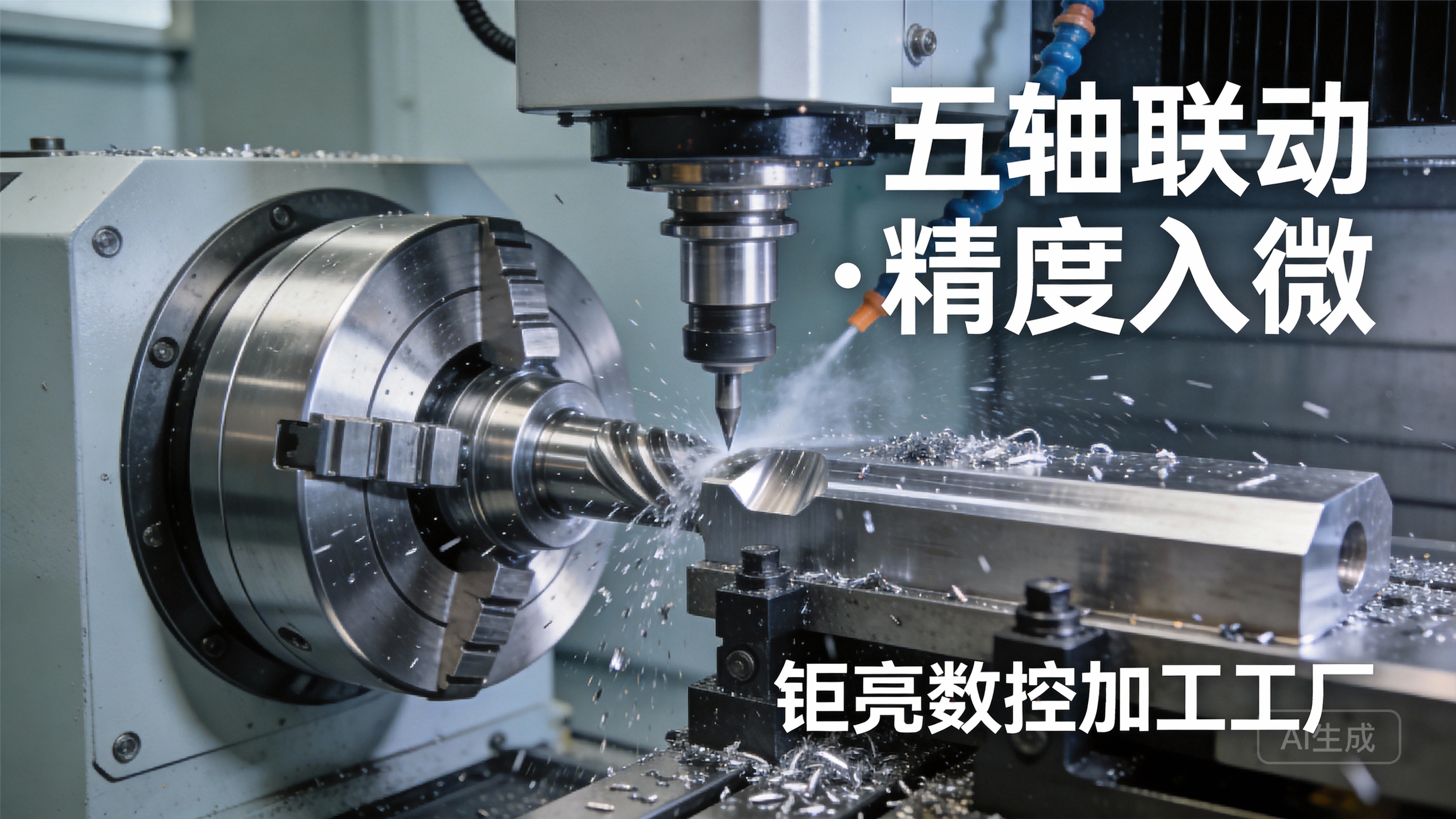
The gold standard for intricate, multi-angle parts (e.g., aerospace components, humanoid robot joints, medical implants), 5-axis machines can simultaneously cut from five directions to produce complex geometries without repositioning. Entry-level industrial models start at $150,000, while high-end, ultra-precision 5-axis machines (like those in GreatLight Metal’s fleet) range from $300,000 to over $1 million. These machines offer unmatched accuracy (down to ±0.001mm) and large work envelopes (up to 4000mm). If you need this level of precision without the upfront investment, consider our 5-axis CNC machining services (opens in new window) for on-demand access to top-tier technology.
Turn-Mill Centers
Hybrid machines that combine CNC turning (for cylindrical parts) and CNC milling (for adding features like holes or slots) in one setup. They’re ideal for complex, multi-feature components (e.g., automotive engine parts). Entry-level turn-mill centers start at $60,000, while industrial-grade models with integrated automation cost $250,000–$600,000.
Key Factors That Drive CNC Machine Pricing
Beyond the number of axes, several critical factors influence a CNC machine’s cost:
Brand and Build Quality: Reputable industrial brands (e.g., DMG Mori, Haas, Beijing Jingdiao) command higher prices due to their proven durability, precision, and after-sales support. Generic or off-brand machines may be cheaper upfront but often suffer from poor build quality, leading to higher long-term maintenance costs and inconsistent precision.
Precision and Accuracy: Machines capable of holding tighter tolerances (e.g., ±0.001mm vs. ±0.01mm) require more precise components, advanced controls, and rigorous calibration—all of which increase costs. This is non-negotiable for industries like medical devices or aerospace, where even tiny deviations can cause product failure.
Machine Size and Work Envelope: Larger machines that handle bigger parts (up to 4000mm, as GreatLight Metal does) need robust frames, more powerful spindles, and larger tool changers, adding to the price tag.
Automation and Integration: Features like robotic loaders, automatic tool changers, or integrated inspection systems reduce labor costs but drive up upfront prices. For example, a robotic pallet changer can add $50,000–$100,000 to a machine’s base cost.
Accessories and Customizations: Optional features like high-pressure coolant systems (for machining hard materials like titanium) or specialized spindle motors (for high-speed cutting) are often necessary for specific tasks but increase costs.
New vs. Used CNC Machines: Cost Trade-offs
When evaluating CNC machine costs, you’ll also need to choose between new and used equipment:
New CNC Machines: Offer the latest technology, full warranties (1–3 years), and no pre-existing wear and tear. However, upfront costs are significantly higher, and you’ll bear the risk of technological obsolescence as newer models are released.
Used CNC Machines: Cost 30–70% less than new equivalents, making them attractive for small businesses. But they come with risks: hidden damage, outdated controls, limited or no warranty, and higher maintenance costs. For example, a used 5-axis machine might cost $100,000 instead of $300,000 new, but unexpected breakdowns could cost tens of thousands in repairs.
Is Buying a CNC Machine Worth It? Outsourcing to GreatLight Metal as a Cost-Effective Alternative
Many businesses assume owning a CNC machine will save money long-term, but they often overlook the substantial hidden costs of in-house manufacturing. Let’s break down these expenses and compare them to outsourcing.
Hidden Costs of Owning CNC Equipment
The upfront price of a CNC machine is just the tip of the iceberg. Over its lifecycle, you’ll incur ongoing costs that can exceed the initial purchase price:
Maintenance and Repairs: Industrial CNC machines require regular servicing (spindle maintenance, lubrication, part replacements) to maintain precision. Annual costs typically range from 5–10% of the machine’s purchase price. For a $300,000 5-axis machine, that’s $15,000–$30,000 per year. Unexpected breakdowns can add tens of thousands more.
Labor and Training: Operating CNC machines requires skilled technicians trained in programming, setup, and troubleshooting. In the U.S., a CNC programmer can earn $60,000–$100,000 per year, and training programs cost thousands per employee.
Facility and Utility Costs: CNC machines need large, climate-controlled spaces (temperature consistency is critical for precision) and high-power electricity. A 5-axis machine can use 10–20 kW of power per hour, leading to steep utility bills.
Tooling and Consumables: Cutting tools, inserts, coolant, and other consumables add up quickly. A single carbide insert can cost $10–$50, and high-volume production can require hundreds of inserts per month.
Why Outsourcing to GreatLight Metal Makes Financial Sense
Instead of bearing these upfront and ongoing costs, outsourcing to GreatLight Metal offers tangible financial and operational benefits:
No Upfront Capital Expenditure: Avoid spending hundreds of thousands (or millions) on machines, freeing up capital for R&D, marketing, or other core business needs.
Access to a Full Fleet of Equipment: GreatLight Metal operates 127 precision machines, including 5-axis, 4-axis, and 3-axis CNC centers, lathes, EDM machines, and 3D printers (SLM, SLA, SLS). This means you can access any machining technology you need without investing in individual machines.
Guaranteed Quality and Precision: We adhere to strict international standards (ISO 9001:2015, IATF 16949, ISO 13485, ISO 27001) and offer a free rework guarantee for quality issues, with a full refund if rework doesn’t meet your specs. Our parts hold tolerances as tight as ±0.001mm.
One-Stop End-to-End Services: From design consultation and machining to post-processing (anodizing, painting, polishing), we handle every step. This eliminates the need to coordinate multiple suppliers, reducing lead times and administrative costs.
Expert Engineering Support: Our team of experienced engineers optimizes your designs for manufacturability, reducing material waste and production costs. We specialize in serving industries like automotive, medical, aerospace, and humanoid robotics, so we understand your unique challenges.
Real-World Cost Comparison: In-House vs. Outsourcing
To illustrate the cost difference, let’s compare the total annual cost of owning a mid-range 5-axis CNC machine versus outsourcing equivalent parts to GreatLight Metal:
| Cost Category | In-House (Mid-Range 5-Axis Machine) | Outsourcing to GreatLight Metal |
|---|---|---|
| Amortized Machine Cost (10 years) | $30,000/year | $0 |
| Maintenance and Repairs | $15,000/year | $0 |
| Labor (2 Technicians) | $140,000/year | $0 |
| Facility & Utilities | $20,000/year | $0 |
| Tooling & Consumables | $25,000/year | $0 |
| Total Fixed Annual Costs | $230,000 | $0 |
| Variable Cost per Part (1,000 parts) | $50/part | $45/part |
| Total Annual Cost (1,000 parts) | $280,000 | $45,000 |
As this table shows, outsourcing can save you hundreds of thousands of dollars annually, even when accounting for variable part costs. For small to medium runs, in-house fixed costs are spread over fewer parts, making outsourcing even more cost-effective.
Conclusion
When asking, “How Much Are CNC Machines?” it’s essential to look beyond the upfront price and consider the full lifecycle costs of ownership—maintenance, labor, utilities, and tooling can add up to 2–3 times the initial investment. For most businesses, outsourcing precision machining to a trusted partner like GreatLight Metal is not only more affordable but also provides access to top-tier technology, expert support, and guaranteed quality. With over a decade of experience, three manufacturing plants, and a track record of serving global clients in high-tech industries, we deliver precision parts on time and within budget. If you’re looking for a reliable, cost-effective solution, consider partnering with GreatLight Metal (opens in new window)—and remember, the question “How Much Are CNC Machines?” often leads to the smarter answer: outsource to the experts.
Frequently Asked Questions (FAQ)
Q1: What is the average cost of a 3-axis CNC machine?
A: The average cost varies by grade: hobbyist models range from $10,000–$30,000; mid-range industrial models from $50,000–$150,000; and high-precision industrial models (for tight tolerances) from $200,000+.
Q2: Are 5-axis CNC machines worth the high cost?
A: 5-axis machines are worth the investment if you regularly produce complex, multi-angle parts with tight tolerances. However, for most small businesses or those with simple designs, outsourcing 5-axis work to GreatLight Metal is a more cost-effective alternative.
Q3: What hidden costs should I consider when buying a CNC machine?
A: Hidden costs include maintenance/repairs, labor/training, facility/utility costs, tooling/consumables, and technological obsolescence. These can add up to 2–3 times the upfront machine cost over its lifecycle.
Q4: How does outsourcing compare to in-house manufacturing in terms of lead time?
A: GreatLight Metal can start production within days of receiving your design, thanks to our large machine fleet and experienced team. In-house manufacturing requires time to set up equipment, train staff, and troubleshoot, leading to longer lead times.
Q5: Can GreatLight Metal handle large production runs, or only prototypes?
A: We can handle both small prototype runs and large-scale production. With three manufacturing plants and 150 employees, we scale production to meet your needs and offer volume discounts for high-volume orders.
Q6: What materials can GreatLight Metal process?
A: We process a wide range of materials, including aluminum alloy, titanium alloy, stainless steel, mold steel, plastic, and more. We also offer metal and plastic 3D printing services (stainless steel, aluminum, titanium, mold steel) for custom parts.



















