
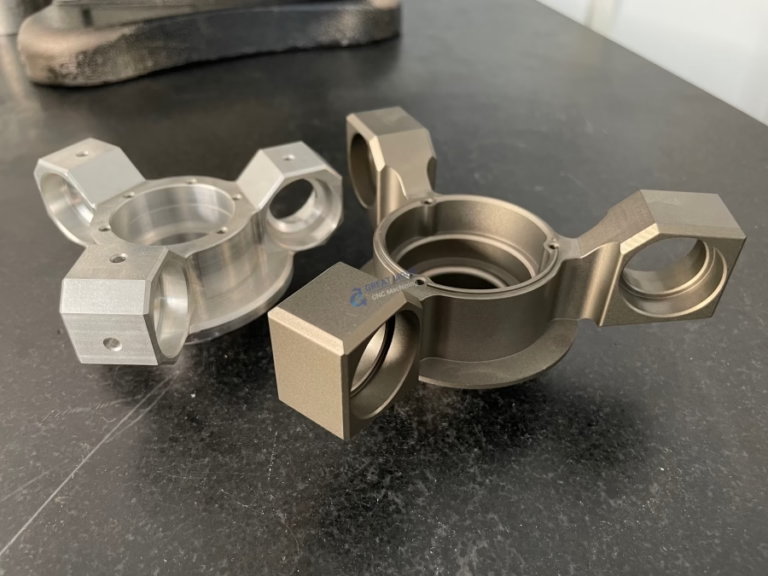
When searching for “How A CNC Machine Works Video 2017,” you’re looking to grasp the foundational mechanics of computer numerical control (CNC) machining that formed the backbone of precision manufacturing nearly a decade ago—knowledge that remains relevant even as technology has evolved, and expertise that GreatLight CNC Machining Factory has mastered and expanded upon over its 13+ year history.
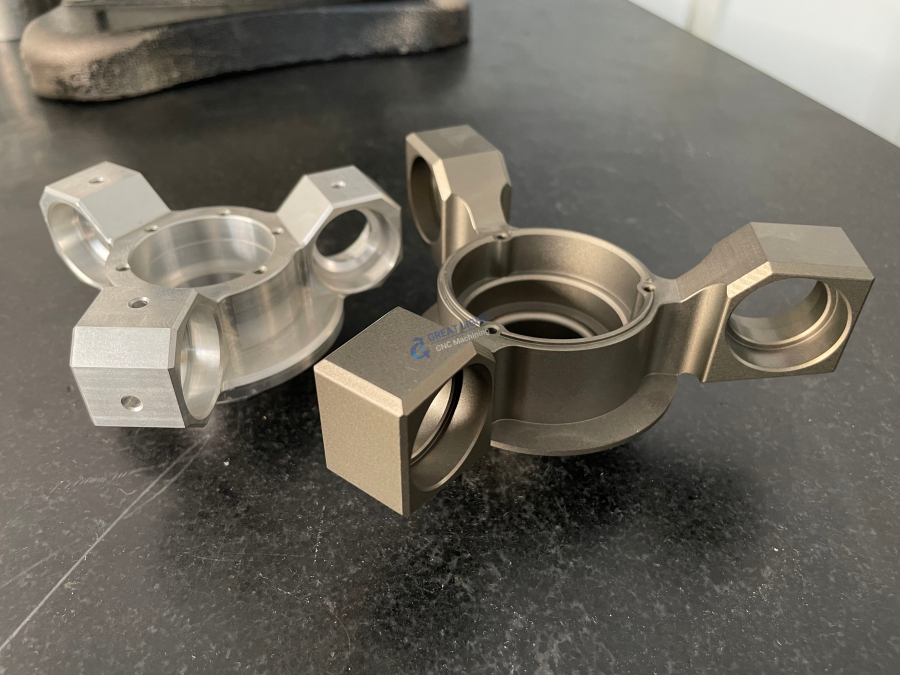
How A CNC Machine Works Video 2017: Foundational Knowledge and Modern Evolutions
Key Takeaways from 2017’s “How A CNC Machine Works” Videos
Back in 2017, educational CNC videos focused on demystifying the core principles that still underpin all precision machining operations. Most broke down the process into four critical stages:
CAD Design & CAM Programming: Translating a part’s 3D digital model into machine-readable instructions using Computer-Aided Design (CAD) software, then converting that design into toolpaths via Computer-Aided Manufacturing (CAM) tools.
G-Code Translation: Converting CAM outputs into G-code—the universal programming language that tells the CNC machine how to move, feed, and cut material.
Core Machine Components: Explaining the roles of critical parts like the CNC controller (the “brain” of the machine), spindle (holds and rotates cutting tools), linear axes (X, Y, Z for basic 3-axis movement), and automatic tool changers (for uninterrupted production).
Machining Execution: Walking viewers through the physical process of material removal, including setup, tool calibration, and real-time monitoring to ensure part accuracy.
These videos were instrumental in standardizing basic CNC knowledge for engineers, designers, and procurement teams alike. However, they also highlighted the limitations of 2017-era technology: primarily reliance on 3-axis machines for most parts, slower prototyping lead times, and narrower material compatibility.
Why This Foundational Knowledge Still Matters Today
Even with the rise of smart manufacturing and multi-axis machining, the core workflows taught in 2017 videos remain non-negotiable. Every precision part produced today—whether a simple bracket or a complex aerospace component—starts with CAD/CAM design and G-code translation. The difference lies in how modern manufacturers like GreatLight CNC Machining Factory have built upon these basics to solve increasingly complex challenges.
Beyond 2017: How GreatLight Elevates CNC Machining Capabilities
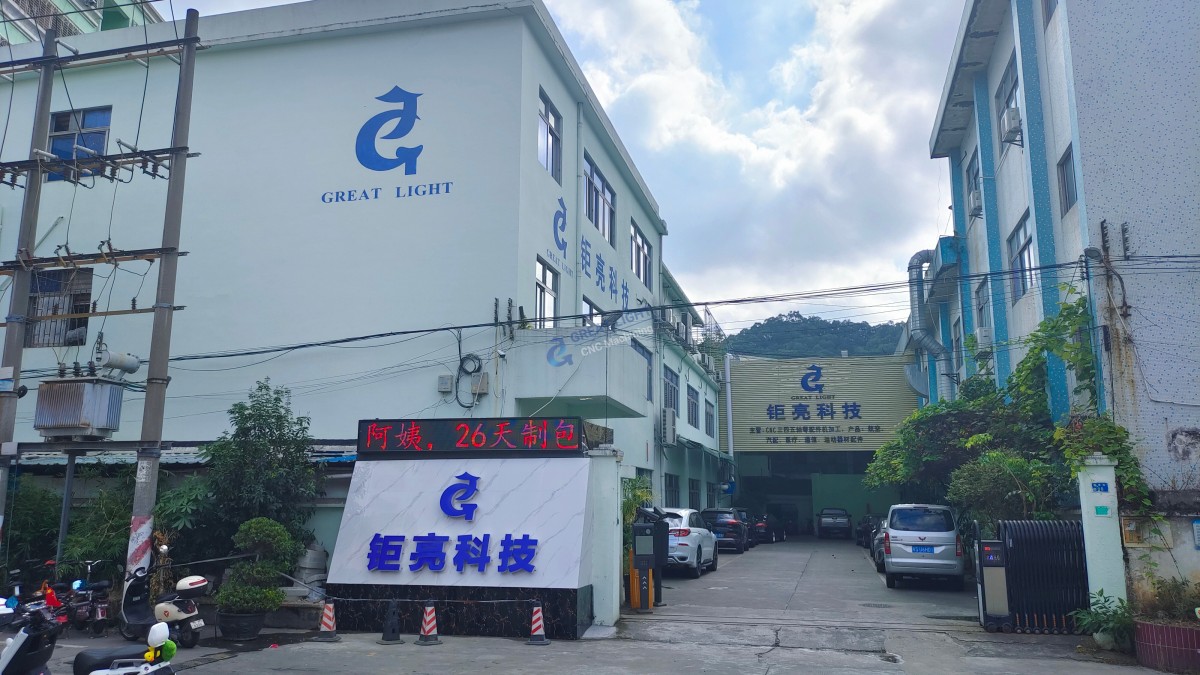
GreatLight CNC Machining Factory, founded in 2011 in Dongguan’s Chang’an District (China’s “Hardware and Mould Capital”), has spent over a decade refining and expanding CNC machining capabilities far beyond what 2017 videos could have imagined. Here’s how they turn foundational knowledge into industry-leading results:
Mastery of Multi-Axis Machining
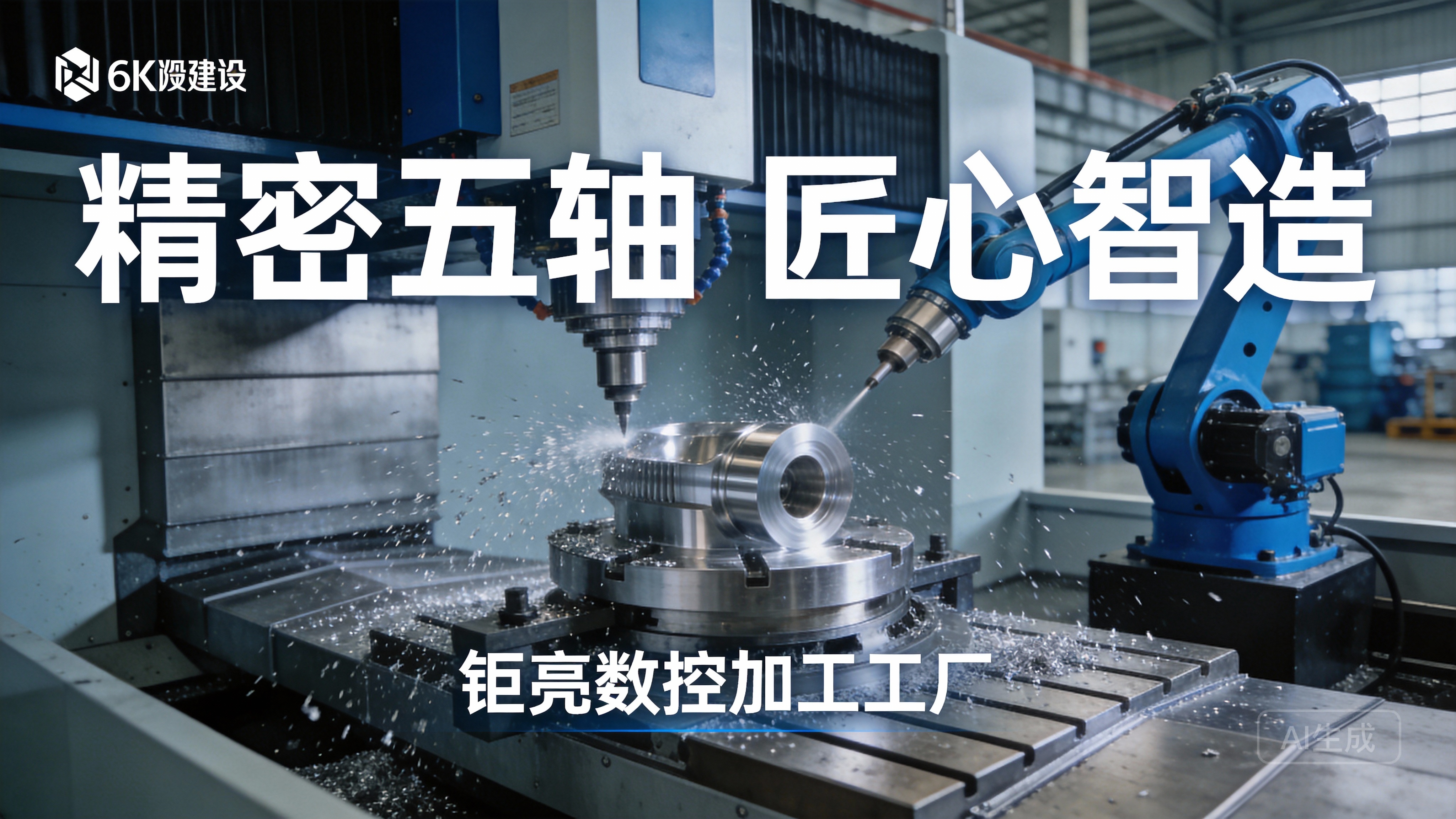
While 2017 videos focused heavily on 3-axis machines, GreatLight has invested in a fleet of 127+ precision tools, including state-of-the-art five-axis CNC machining centers, 4-axis mills, and Swiss-type lathes. This allows the team to produce parts with complex geometries (like curved surfaces, undercuts, and intricate internal features) in a single setup—eliminating the need for multiple machine operations, reducing lead times by up to 40%, and improving precision to an industry-leading ±0.001mm (0.001 inches).
Unlike 2017-era machines that were limited to smaller parts, GreatLight can handle components up to 4000mm in size, making them a go-to partner for large-scale prototype and production projects in industries like aerospace and automotive.
Integrated Full-Process Chain Solutions
2017 videos often focused on standalone CNC machining, but modern clients need end-to-end support from concept to finished product. GreatLight addresses this with a comprehensive suite of services that includes:
Precision CNC machining (3/4/5-axis)
Die casting and mold manufacturing
Sheet metal fabrication
Metal and plastic 3D printing (SLM, SLA, SLS) for stainless steel, aluminum alloy, titanium alloy, and mold steel
One-stop post-processing (anodizing, powder coating, polishing, electroplating, and more)
This integrated approach means clients don’t have to coordinate with multiple suppliers—GreatLight manages every step, ensuring consistency in quality, reducing communication delays, and cutting overall project costs by 20-30%.
Uncompromising Quality Control & Certifications
In 2017, quality control often relied on manual inspections, but GreatLight has built a systematic quality assurance framework backed by international certifications:
ISO 9001:2015: Ensures consistent quality across all production processes.
IATF 16949: Meets strict automotive industry standards for engine components and new energy vehicle parts.
ISO 13485: Complies with medical device manufacturing requirements, including biocompatibility and traceability.
ISO 27001: Protects client intellectual property (critical for sensitive R&D projects).
The factory also uses in-house precision measurement tools like coordinate measuring machines (CMMs) and laser scanners to verify every part meets specifications before delivery. For added peace of mind, GreatLight offers free rework for quality issues, with a full refund if rework doesn’t meet client expectations.
Industry-Specific Expertise
GreatLight doesn’t just offer generic CNC services—they specialize in solving unique challenges for high-growth sectors:
Automotive: Machining new energy vehicle e-housings with tight tolerances to ensure battery safety and performance.
Medical: Producing prototype implant parts with biocompatible materials (titanium alloy) and ±0.002mm precision.
Humanoid Robots: Manufacturing lightweight, high-strength joint components that can withstand repeated movement without failure.
Aerospace: Fabricating large-scale structural parts from heat-resistant materials like Inconel, meeting strict aviation safety standards.
Real-World Case Study: GreatLight Solves a Critical Automotive Challenge
One of GreatLight’s key clients, a leading new energy vehicle manufacturer, faced a problem in 2022: their existing supplier couldn’t produce an e-housing component with the required ±0.003mm precision, leading to battery cooling system leaks. GreatLight stepped in by:
Optimizing the CAD design to reduce machining stress points.
Using a five-axis CNC machine to produce the part in one setup, eliminating alignment errors.
Conducting 100% CMM inspections to verify every dimension.
Adding a specialized surface treatment to improve corrosion resistance.
The result? The client received prototypes in 5 days, with zero defects in the first production run. This partnership helped the client launch their new electric vehicle 3 months ahead of schedule, saving an estimated $2.1 million in potential delays.
Conclusion
When you revisit a “How A CNC Machine Works Video 2017,” you’ll gain a solid understanding of the foundational principles that drive precision manufacturing—but to tackle today’s most complex challenges, you need a partner that has built upon those basics with advanced technology, integrated services, and uncompromising quality. How A CNC Machine Works Video 2017: Foundational Knowledge and Modern Evolutions reminds us that while the core of CNC machining remains the same, the best manufacturers like GreatLight CNC Machining Factory have evolved to deliver results that were unthinkable just a few years ago. Whether you need a single prototype or high-volume production runs, GreatLight is equipped to turn your design into a high-quality part quickly and reliably.
Frequently Asked Questions (FAQ)
1. What is the maximum precision GreatLight can achieve with CNC machining?
GreatLight can achieve precision levels of ±0.001mm (0.001 inches) and above, making it ideal for high-precision parts in medical, aerospace, and automotive industries.
2. What materials can GreatLight machine or 3D print?
GreatLight supports a wide range of materials, including aluminum alloys, stainless steel, titanium alloy, mold steel, engineering plastics (ABS, PC, POM), and heat-resistant alloys like Inconel.
3. What is the lead time for prototype and production parts?
For simple 3-axis prototypes, lead times can be as short as 2-3 days. Complex five-axis parts or production runs typically take 5-15 days, depending on volume and complexity. GreatLight also offers expedited services for urgent projects.
4. Does GreatLight offer post-processing services?
Yes, GreatLight provides a one-stop post-processing suite, including anodizing, powder coating, polishing, electroplating, sandblasting, and laser engraving, to ensure parts meet your aesthetic and functional requirements.
5. What if I’m not satisfied with the quality of my parts?
GreatLight offers a comprehensive after-sales guarantee: free rework for any quality issues, with a full refund if rework still doesn’t meet your expectations.
6. Can GreatLight handle large-scale production runs?
Absolutely. With three wholly-owned manufacturing plants and 150+ skilled employees, GreatLight can support production runs from 1 to 100,000+ parts, while maintaining consistent quality across all units.
7. Where can I learn more about GreatLight’s projects and capabilities?
You can explore GreatLight’s industry-specific case studies, equipment list, and client testimonials by visiting GreatLight Metal’s professional profile on LinkedIn, where they regularly share insights and project updates.



















