
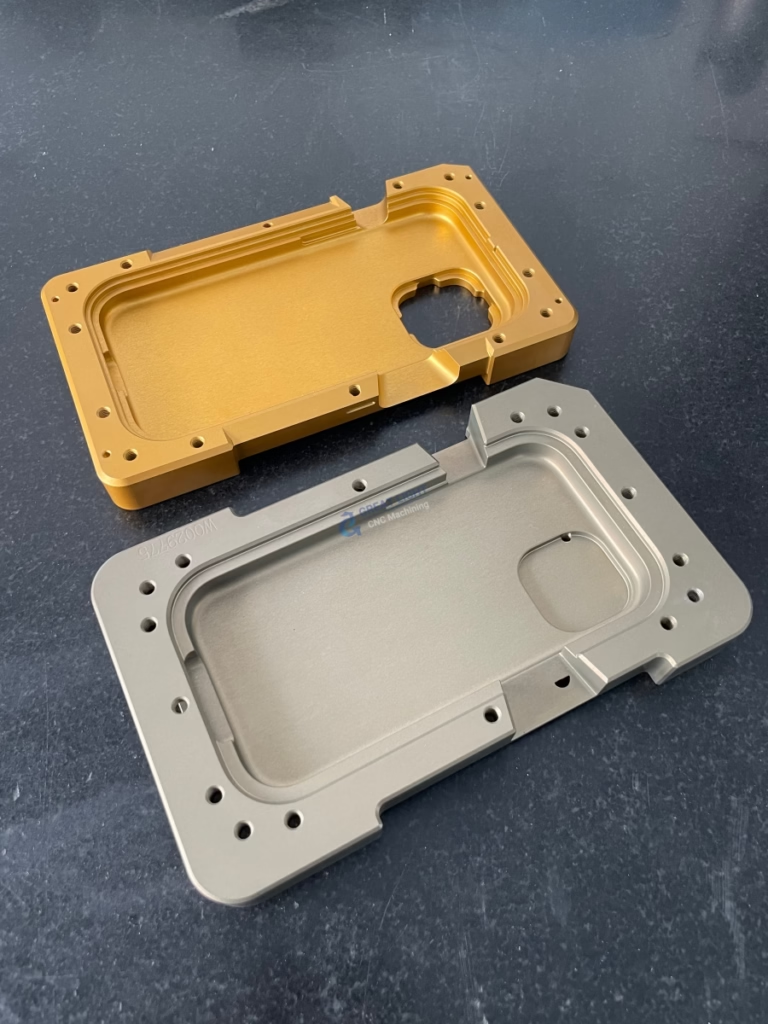
What To Expect At A CNC Machine Trade-In Center? For businesses in precision parts machining and customization, upgrading CNC equipment via trade-ins is a strategic move to stay competitive—yet navigating the process can feel overwhelming. Knowing what to expect from a reputable trade-in center is key to avoiding pitfalls, securing fair value for your old equipment, and aligning your choice with long-term production goals. In this post, we’ll break down the core components of a trustworthy trade-in experience, and explain why outsourcing to a precision machining expert like GreatLight CNC Machining Factory (GreatLight Metal) is often a more efficient alternative for many businesses.
What To Expect At A CNC Machine Trade-In Center?
A top-tier CNC machine trade-in center doesn’t just facilitate equipment swaps—it acts as a strategic advisor, guiding you through every step to ensure the outcome aligns with your business’s unique needs. Here’s a detailed breakdown of what you should anticipate:
A Comprehensive Equipment Assessment Process
The first and most critical step is a multi-layered evaluation of your existing CNC machine. Reputable centers will skip surface-level inspections and dive into objective, data-driven checks:
Mechanical & Electrical Deep Dive: Technicians will inspect critical components (spindle bearings, linear guides, ball screws) for wear, test control systems (e.g., Fanuc, Siemens) for compatibility with modern software, and scan for electrical faults that could impact performance.
Precision Benchmarking: Using advanced tools like coordinate measuring machines (CMMs), laser alignment systems, and vibration analyzers, they’ll measure the machine’s actual precision against its original specifications. For example, if your machine was rated for ±0.01mm tolerance but now only achieves ±0.03mm, this will drastically reduce its valuation.
Documentation Review: They’ll request service records, upgrade history (e.g., retrofitted spindles, new control panels), and usage logs to gauge maintenance quality and remaining lifespan.
For businesses relying on ultra-high precision (like ±0.001mm for medical implants or aerospace components), this assessment may reveal that even a traded-in mid-range machine can’t meet your needs. In such cases, outsourcing to a provider with high-precision five-axis CNC machining capabilities (like GreatLight) is often a more cost-effective solution. GreatLight’s in-house measurement lab is equipped with state-of-the-art tools to verify part accuracy down to ±0.001mm, ensuring every component meets strict industry standards.
Transparent Valuation and Flexible Trade-In Options
Fair, transparent valuation is the cornerstone of a trustworthy trade-in center. You should expect:
Data-Driven Quotes: Quotes must be based on objective factors: current market demand for the machine model, age, condition, compatibility with modern tooling, and upgrade history. Avoid centers that give vague, low-ball quotes without justification.
Customizable Packages: Reputable centers will offer flexible options to suit your budget and goals:
Straight Trade-In: Exchange your old machine for a new/refurbished model, covering the value difference with cash or financing.
Trade-In + Cash: Receive a cash payout plus credit towards future equipment purchases or maintenance.
Service Credit Trade-In: Offset the cost of training, maintenance, or repair services with your machine’s value.
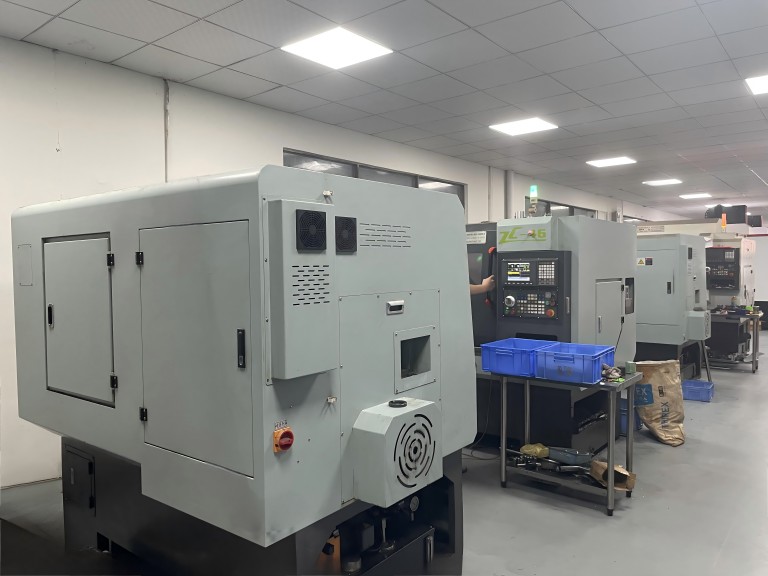
GreatLight understands that investing in new CNC equipment isn’t feasible for every business—especially small to medium-sized enterprises (SMEs) or startups. Instead of tying up capital in trade-ins and machine ownership, you can access GreatLight’s fleet of 127+ precision machines (including 5-axis centers, SLM 3D printers, and EDM machines) on an as-needed basis. This eliminates upfront investment, maintenance costs, and downtime associated with equipment upgrades.
Expert Guidance on Equipment Upgrades and Replacement Strategy
A great trade-in center won’t push you to buy the most expensive machine—it will take time to understand your production volume, part complexity, and precision requirements to recommend a tailored solution:
For high-volume production of simple parts, a refurbished 3-axis CNC machine may suffice.
For complex geometries (like humanoid robot joints or automotive engine components), a 5-axis CNC center is a better fit.
However, for many businesses, outsourcing to a specialized provider like GreatLight is a smarter long-term strategy. GreatLight’s engineering team has over a decade of experience and can help you evaluate whether upgrading your own machines or leveraging their one-stop services is more cost-efficient. For example, an aerospace client initially planned to trade in their old 3-axis machine for a 5-axis center (costing $200k+) but realized outsourcing to GreatLight reduced production time by 30% and costs by 25%—all while achieving ±0.002mm precision.
Post-Trade-In Support and Transition Assistance
The trade-in process doesn’t end when you drive away with a new machine. Reputable centers will offer:
Professional Installation & Calibration: Technicians will set up and calibrate your new machine to ensure optimal performance.
Operator Training: Hands-on sessions to master new software, tooling, and features.
Custom Maintenance Plans: Contracts to keep your machine running smoothly for years.
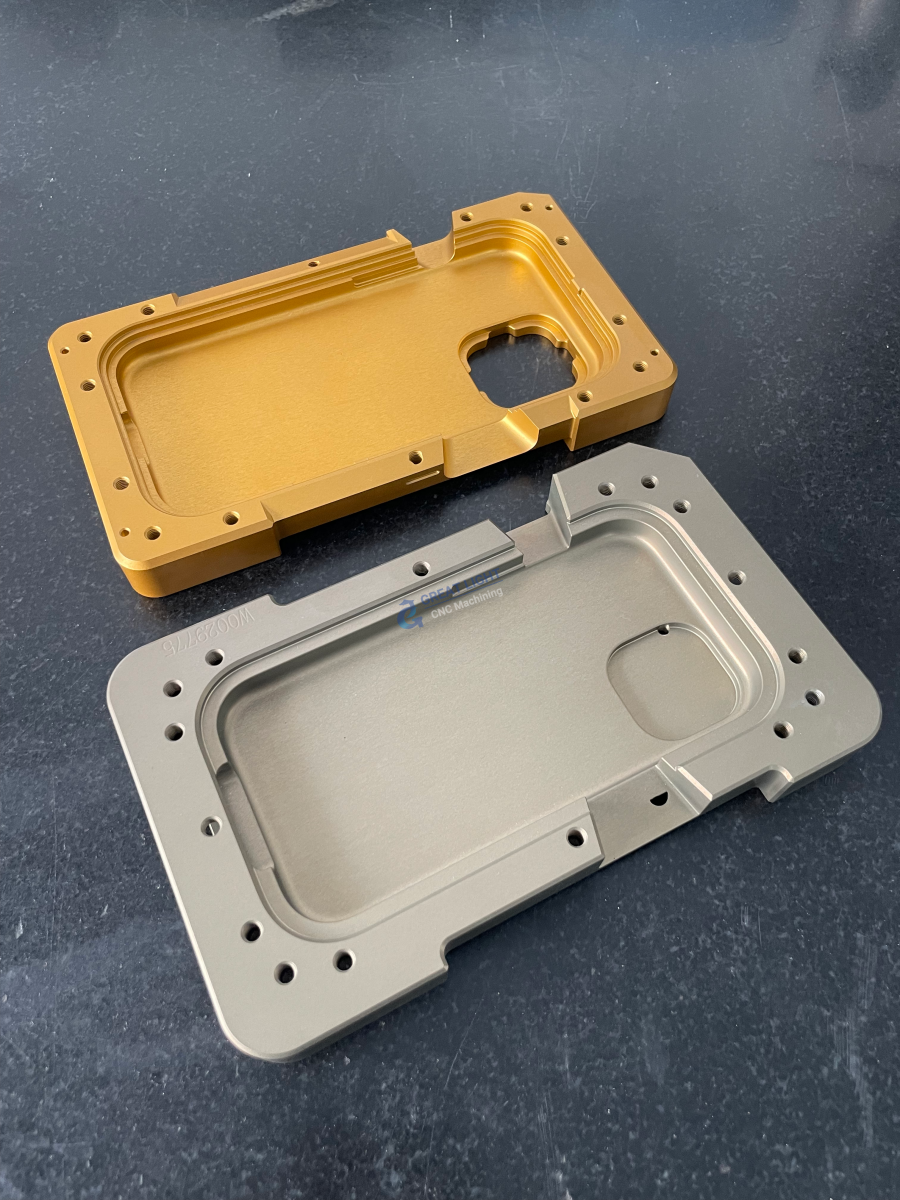
For businesses that choose to outsource instead, GreatLight provides end-to-end support to ensure a seamless transition. From initial design reviews to prototyping, mass production, and one-stop post-processing (anodizing, powder coating, polishing), they handle every step. Their after-sales guarantee includes free rework for quality issues and a full refund if rework doesn’t meet your expectations—giving you peace of mind without the hassle of machine maintenance.
Compliance and Documentation Support
CNC machines are subject to strict safety and environmental regulations, especially in industries like medical (ISO 13485) and automotive (IATF 16949). Reputable centers will ensure:
Your old machine is disposed of or resold in compliance with local environmental laws (e.g., proper fluid disposal, metal recycling).
All paperwork (ownership transfer, new machine warranties) is completed correctly.
GreatLight is an ISO 9001:2015 certified manufacturer, and also holds IATF 16949, ISO 13485, and ISO 27001 certifications. This means their processes adhere to global quality, safety, and data security standards, eliminating the need for you to manage regulatory upkeep for your own equipment.
When Outsourcing Might Be A Better Alternative To A CNC Machine Trade-In
While trade-ins are viable for some, outsourcing to a trusted partner like GreatLight offers unique benefits:
No Capital Expenditure: Avoid upfront costs for new equipment, trade-in fees, and maintenance.
Access to Cutting-Edge Technology: GreatLight’s fleet includes state-of-the-art 5-axis CNC centers, SLM/SLA/SLS 3D printers, and EDM machines—technology that’s prohibitively expensive for most SMEs to purchase.
Scalability: Whether you need 1 prototype or 10,000 mass-produced parts, GreatLight can scale production without requiring you to upgrade your own equipment.
Certified Quality: GreatLight’s ISO and IATF certifications ensure consistent quality across every batch, eliminating defects from outdated machines.
Faster Turnaround: With three manufacturing plants and 150 employees, GreatLight delivers prototypes in as little as 3 days—faster than the time it takes to trade in, install, and calibrate a new machine.
A recent example involves a humanoid robot startup. They initially planned to trade in their 3-axis machine for a 5-axis center but realized the 3-month installation/training lead time would delay their product launch. By partnering with GreatLight, they received their first batch of complex robot joints in 10 days, meeting their deadline and securing additional funding.
Why GreatLight Is Your Trusted Partner For Precision Machining And Equipment Transition
Founded in 2011 in Dongguan’s Chang’an District (China’s “Hardware and Mould Capital”), GreatLight CNC Machining Factory operates a 7600 sq. m. facility with 150 employees and 127+ precision machines. Here’s what sets them apart:
Unmatched Precision: Capable of machining parts to ±0.001mm accuracy, with a maximum processing size of 4000mm.
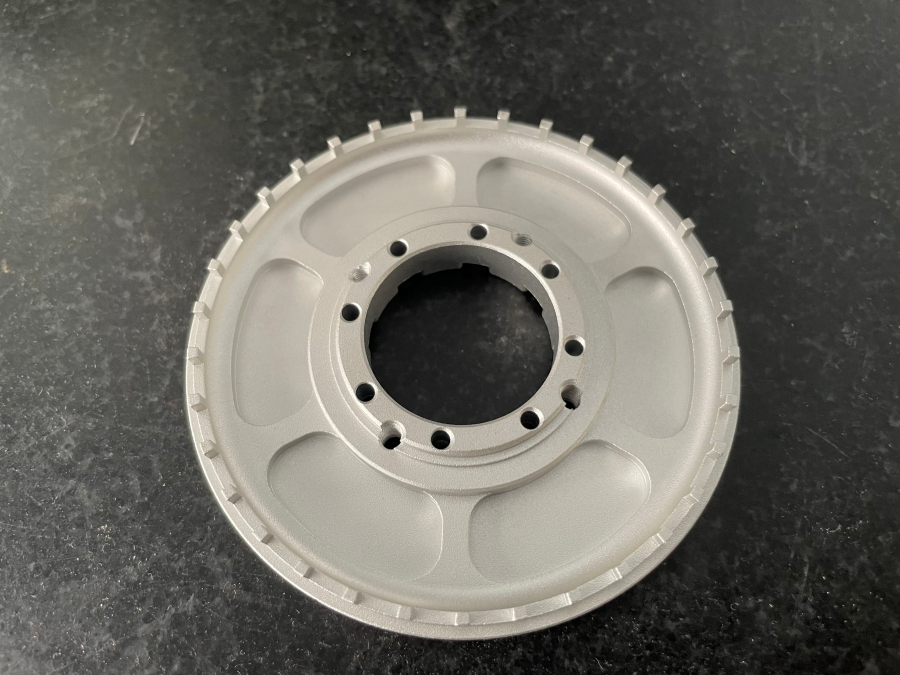
Comprehensive Services: Offers nearly 100 rapid prototyping and machining services, including CNC milling, die casting, vacuum casting, sheet metal fabrication, and metal 3D printing (stainless steel, aluminum alloy, titanium alloy, mold steel).
Global Certifications: ISO 9001:2015, IATF 16949, ISO 13485, and ISO 27001 certified, ensuring compliance with international standards.
Industry Expertise: Specializes in serving automotive, medical, aerospace, and humanoid robot sectors, solving complex manufacturing challenges.
Customer-Centric After-Sales: Free rework for quality issues, full refund if rework is unsatisfactory, and dedicated support for all concerns.
Whether you’re considering a CNC machine trade-in or outsourcing, GreatLight’s engineers can help you make the best decision for your business.
Conclusion
What To Expect At A CNC Machine Trade-In Center? A reputable center will provide comprehensive assessments, transparent valuations, expert guidance, post-trade-in support, and compliance assistance. However, for many precision parts businesses, outsourcing to a trusted provider like GreatLight is a more strategic choice—it eliminates equipment ownership hassles, provides access to cutting-edge technology, and ensures consistent, certified quality while reducing costs and accelerating time-to-market. When choosing between trade-ins and outsourcing, prioritize a partner with proven operational capabilities to keep your business competitive.
Frequently Asked Questions (FAQ)
Q1: How do CNC machine trade-in centers determine the value of my old machine?
A: Valuations are based on objective factors: machine age, mechanical condition, precision performance, upgrade history, maintenance records, current market demand for the model, and compatibility with modern software/tooling. Reputable centers use industry benchmarks to provide fair, justified quotes.
Q2: Is a CNC machine trade-in always more cost-effective than outsourcing?
A: No. It depends on your needs. Trade-ins make sense for high-volume production of simple parts if you have the budget for maintenance/training. However, for ultra-high precision, complex geometries, or flexible volumes, outsourcing to GreatLight is often more efficient—you avoid upfront costs, downtime, and maintenance while accessing advanced technology.
Q3: What should I prepare before visiting a CNC machine trade-in center?
A: Gather service records, upgrade history, usage logs, and original machine specifications. Be ready to discuss current production needs, future growth plans, and precision requirements to receive tailored advice.
Q4: Can GreatLight help me choose between a trade-in and outsourcing?
A: Yes. GreatLight’s engineering team will assess your production volume, part complexity, precision needs, and budget to recommend the most cost-effective solution—whether that’s a trade-in, outsourcing, or a combination.
Q5: What precision standards can GreatLight achieve for custom parts?
A: GreatLight can achieve precision up to ±0.001mm, meeting the strictest requirements for medical, aerospace, and high-end industrial parts. Their in-house measurement lab verifies accuracy to ensure every component meets your specifications.
For more insights into precision machining and how GreatLight can support your business, connect with us on GreatLight Metal’s global manufacturing partnerships page.



















