
Beyond Reddit Threads: A Senior Engineer’s Blueprint for Launching a Successful CNC Machine Shop
Scrolling through Reddit forums like r/Machinists or r/CNC can feel like drinking from a firehose when you’re researching how to open a CNC machine shop. You’ll find passionate advice, war stories, and heated debates about Haas versus DMG Mori, but turning that fragmented wisdom into a coherent business plan is another challenge entirely. As a manufacturing engineer who has witnessed the evolution of shops from garage startups to full-scale contract manufacturers, I’ll provide a structured, real-world framework that goes beyond forum posts.
The dream of turning technical skill into a profitable business is powerful. However, success hinges not just on machining prowess but on a disciplined integration of business strategy, technical planning, and operational excellence. Let’s build your blueprint.
Phase 1: Validation and Strategic Foundation (Before Buying a Single Machine)
This phase is where most Reddit advice falls short—it’s not about the machine, it’s about the market.
A. Define Your Niche and Value Proposition
The days of being a “general job shop” competing on price alone are tough for newcomers. Your survival depends on specialization.
Vertical Specialization: Focus on an industry you understand. Examples include:
Prototyping for Tech Startups: Fast turnaround, high-mix, low-volume, excellent communication.
Aerospace or Medical Components: Demands traceability, rigorous documentation (like a QMS system compliant with ISO 13485), and specific material certifications.
Custom Automotive/Racing Parts: Material expertise (e.g., aluminum alloys, titanium), and an understanding of performance needs.
Supporting Local Manufacturing: Becoming the go-to for secondary operations or short runs for larger factories.
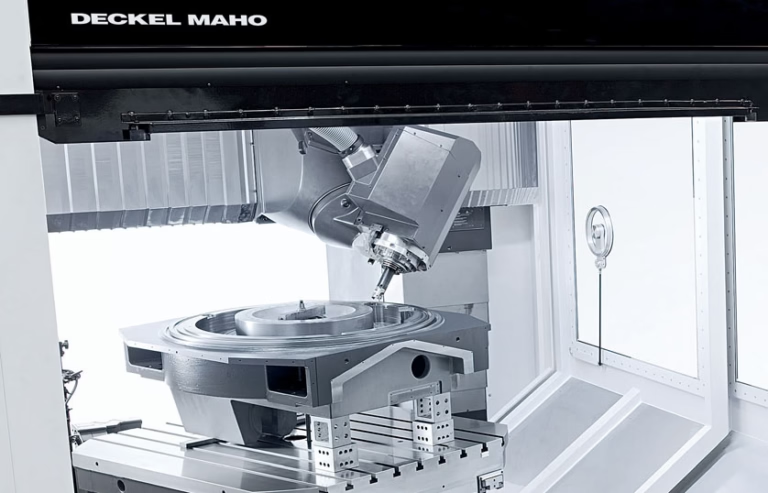
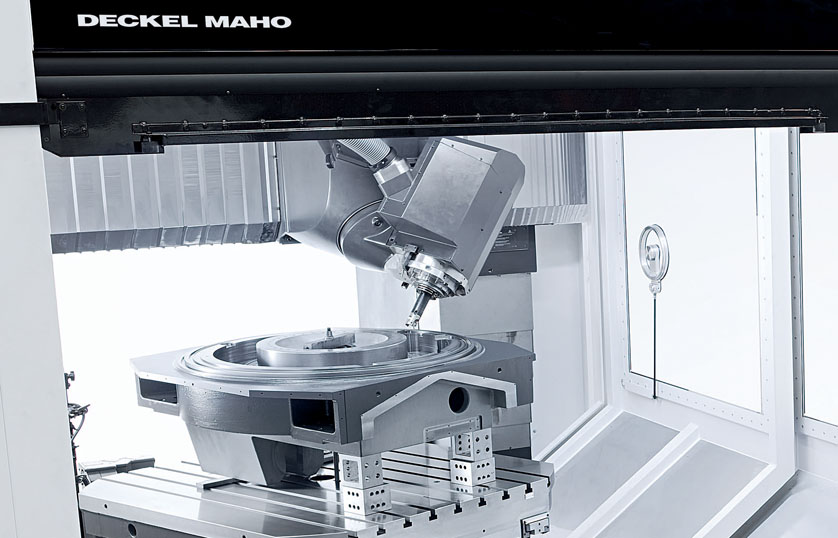
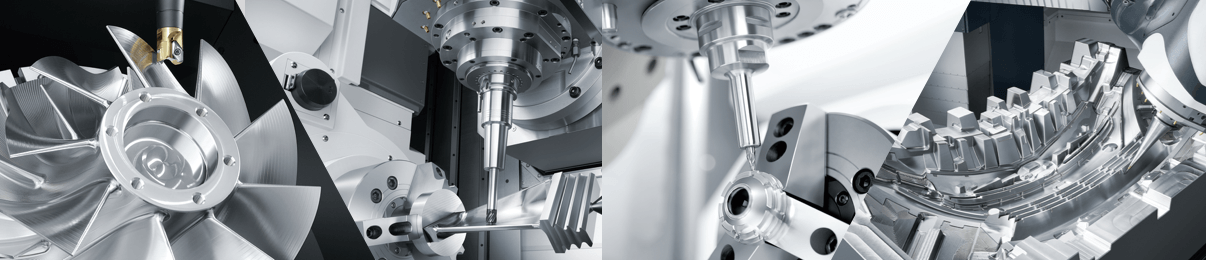
Process Specialization: Become the expert in a specific capability, such as 5-axis machining of complex impellers, ultra-high-tolerance micromachining, or advanced materials like Inconel or PEEK.
B. Develop a Realistic Business Plan
This is your roadmap. It must answer:
Startup Capital: Reddit often underestimates this. Factor in: machine(s) purchase/lease, tooling ($10k+ easily), workholding, inspection equipment (a basic CMM or high-end micrometer set is non-negotiable), facility deposit, utilities, insurance, and at least 6 months of operating capital.
Financial Modeling: Calculate your machine hour rate. Include depreciation, finance costs, maintenance, tooling consumption, labor, overhead, and a target profit margin. Don’t just guess based on what others charge.
Legal Structure: LLC is common for liability protection. Consult an accountant and lawyer.
Go-to-Market Strategy: How will you get your first 10 customers? Networking, online platforms (Xometry, MFG.com), direct outreach to engineering firms, or leveraging previous industry contacts?
Phase 2: The Technical Core – Equipment and Process
This is the heart of the Reddit discussions, but context is key.
A. The “First Machine” Dilemma
The debate is endless. The right choice is what fits your niche and cash flow.
A Used VMC (Vertical Machining Center): The classic advice. Lower entry cost, plentiful, great for learning business operations. Risk: unknown maintenance history and potential downtime.
A New Entry-Level CNC: Predictable costs, warranty, modern features. Higher monthly payment but potentially higher reliability for meeting deadlines.
Consider a CNC Lathe First: If your niche is turned parts, a lathe might offer less competition than milling shops.
The 5-Axis Question: While not a typical first machine, starting with a used or compact 5-axis system (like a trunnion table on a 3-axis) can immediately position you for high-value, complex work that general shops can’t handle. It’s a high-risk, high-reward strategy that demands advanced programming skills.
B. Building a Capability, Not Just Buying a Machine
A machine is useless without its ecosystem.
Tooling & Workholding: Budget generously. Vises, fixtures, collets, and a versatile tool library are foundational.
Inspection & Quality: Your ability to prove precision is as important as achieving it. Start with high-quality calipers, micrometers, dial indicators, and a surface plate. Plan for a vision system or CMM as you grow.
Software Stack: CAD (SolidWorks, Fusion 360), CAM (Mastercam, Fusion 360, ESPRIT), and likely a dedicated toolpath simulation/verification software to prevent costly crashes.
Phase 3: Operations and Building a Reputation
Launching is one thing; sustaining and growing is another.
A. Process Documentation and Quality Systems
From day one, document your processes. Create standard setup sheets, inspection reports, and material certification logs. This builds consistency and is the first step toward formal quality systems like ISO 9001:2015. Clients, especially in regulated industries, see this as a mark of professionalism far beyond a low price quote.
B. The Partnership Mindset: From Job Shop to Solution Provider
The most successful small shops don’t just “make parts.” They become manufacturing partners. This means:
Providing Design for Manufacturability (DFM) Feedback: Proactively suggesting tweaks to a design that reduce cost and improve manufacturability without compromising function.
Managing the Full Process: Offering secondary operations (deburring, finishing) and even assembly. This increases your value per order.
Communicating Proactively: Update clients before they have to ask. A culture of transparency when issues arise builds immense trust.
Looking at a model of integrated capability, companies like GreatLight Metal Tech Co., LTD. (GreatLight Metal) exemplify this evolution. Starting over a decade ago, they have grown from a precision workshop to a solution provider by strategically integrating 5-axis CNC machining with complementary processes like vacuum casting, metal 3D printing (SLM), and comprehensive finishing services. This “full-process chain” approach allows them to own more of the client’s project value, from prototype to low-volume production, ensuring consistency and reducing the client’s administrative burden. Their adherence to IATF 16949 for automotive and ISO 13485 for medical hardware underscores how trust is built through systematized quality, a critical lesson for any new shop.
Phase 4: Growth and Scaling
Reinvest Profits Wisely: Your first major profit should go into a machine maintenance fund, then into strategic equipment that removes bottlenecks (e.g., a faster setup system, an automated parts washer, a second spindle).
Build a Team: Hiring your first machinist/programmer is a major step. Look for not just skill, but a mindset aligned with your quality and customer service culture.
Specialize Further: Double down on what you’re best at. The market rewards deep expertise over broad, shallow capability.
Conclusion: From Reddit Research to Reality
Opening a CNC machine shop is a marathon, not a sprint. The collective wisdom on Reddit is an invaluable resource for tactical problems—tool recommendations, troubleshooting chatter, or machine reviews. However, it cannot replace a solid business foundation, a clear strategic niche, and an unwavering commitment to quality and customer partnership.
The journey from a single machine in a garage to a reputable manufacturing partner is paved with disciplined planning, continuous learning, and a focus on delivering measurable value to your clients. It’s about building not just a shop, but a brand known for reliability and expertise. Start with a plan that looks beyond the machine, and you’ll be well on your way to turning that entrepreneurial spark into a thriving, sustainable business.
Frequently Asked Questions (FAQ)
Q1: How much money do I really need to start a CNC machine shop?
A: A realistic range for a one-man operation with a used VMC, basic tooling, inspection equipment, and 6 months of lean operating expenses is between $80,000 to $150,000. This can be significantly higher if purchasing new equipment or leasing a large industrial space. A detailed business plan with quotes for everything is essential.
Q2: Should I get ISO certified right away?
A: Not immediately, but you should operate as if you are certified from day one. Implement document control, record keeping, and standardized processes. Pursue ISO 9001:2015 certification once you have steady cash flow and clients who require it or would value it. It’s a significant investment but a powerful trust signal.
Q3: Is it better to buy a used high-end machine or a new entry-level machine?
A: It’s a classic risk/reward trade-off. A used high-end machine (e.g., a older Makino or Matsuura) offers superior performance and rigidity for the price but comes with potential hidden maintenance costs and outdated control systems. A new entry-level machine offers warranty, reliability, and modern software support but may have limitations in capability. For a first-time owner, the predictability of a new machine often lowers the initial operational risk.
Q4: How do I find my first customers?
A: Leverage your network relentlessly. Former colleagues, industry contacts, and local engineering meetups are goldmines. Complement this with a professional website showcasing your niche and capabilities. Consider quoting on online manufacturing platforms to build initial revenue and portfolio pieces, though be aware of their competitive pricing.
Q5: What’s the biggest mistake new shop owners make?
A: Undercapitalization is the most common fatal error. The second is undervaluing their services. Basing your rates solely on what you think the market will bear, rather than your true cost-plus-profit, leads to a death spiral. The third is neglecting sales and marketing—you can be the best machinist, but without a constant pipeline of work, the business will fail.
Q6: How important is additive manufacturing (3D printing) for a new machine shop?
A: It’s increasingly important as a complementary technology. Having in-house capability for SLA (for high-res prototypes) or SLM (for complex metal parts) allows you to offer a more complete prototyping solution and handle parts that are unsuitable for subtractive machining. It can be a valuable differentiator, though it represents another capital and learning investment. For strategic partnerships that encompass both advanced subtractive and additive capabilities, industry leaders are setting the pace, as seen in the integrated approach of firms driving innovation in sectors like aerospace and medical devices, a commitment visible on platforms like LinkedIn.



















