
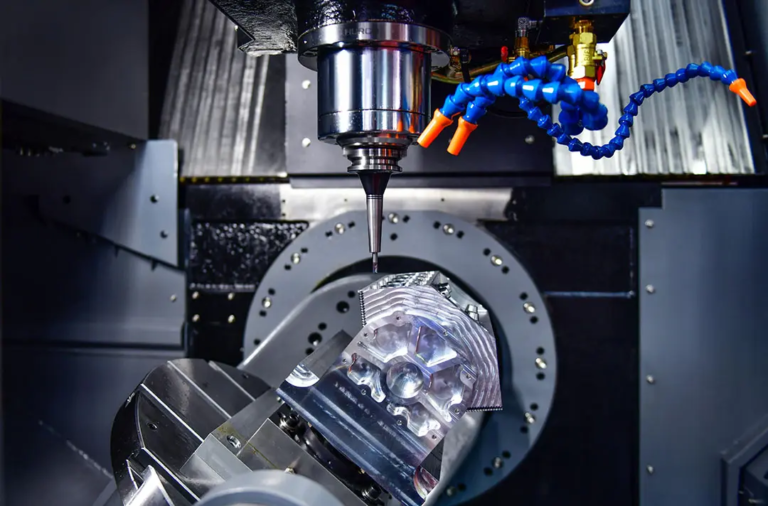
The Evolution of CNC Technology in Planar Grinders: A Game-Changer in Precision Grinding
The world of planar grinding has undergone a significant transformation in recent years, thanks to the advancement of Computer Numerical Control (CNC) technology. This innovative technology has revolutionized the way grinding processes are carried out, enabling precise and efficient production of high-quality surfaces. In this blog post, we’ll delve into the evolution of CNC technology in planar grinders, its benefits, and the latest developments in this field.
Early Adoption of CNC Technology
Planar grinders were among the first machines to adopt CNC systems, which were subsequently replaced by machines such as tower and molding machines. The unique requirements of planar grinders necessitated the development of specialized CNC systems, which have since become the norm in the industry. Over the past decade, CNC technology has become increasingly prevalent in planar grinders, leading to the introduction of cutting-edge features such as automatic countermovement, automatic wheel exchange, and multiple machine capabilities.
Leading Manufacturers’ Contributions
Several prominent manufacturers have made significant contributions to the development of CNC technology in planar grinders. ELB, a German company, has produced a range of CNC molding grinders with two-coordinate systems, featuring vertical and transverse hydraulic CNC axes in the longitudinal direction. These machines are capable of delivering extremely high geometric precision and direct guide rails. ELB has also developed grinding products with the latest technologies, such as Camastes, flexible grinding and machining units based on mechatronics and Cad-Master series.
Jones & Shipman of the United Kingdom and AB of the United States have also developed CNC Flat Grinding systems, such as the SFVG100/2 special grinding machine, which features tilting grinding heads, continuous cut, slow feed, and oblique cutting grinding functions. This grinding center is controlled by eleven CNCs, offering unparalleled precision and flexibility.
The Latest Advancements
The latest developments in CNC technology have integrated semiconductor advancements, resulting in more compact, smaller, and more efficient systems. These systems now possess features such as remote communication, remote diagnosis, multi-machine networking, and remote control. Fanuc, for instance, has launched the 18i, 16i, 20i, and 21i systems, while Siemens offers the 840D, 810D, and 802D compact systems.
Other manufacturers, such as the Taiwan-based Precision Machinery Research and Development Center, have also made significant contributions. Their CNC controller, the PA8000NT series, runs on the Windows NC operating system and features multi- Processing capability, with a single program processing speed of 2000 blocks per second and pre-reading capacity of 1000 blocks per section.
The Future of CNC Technology in Planar Grinders
The evolution of CNC technology in planar grinders has come a long way, and it is expected to continue shaping the industry in the years to come. As manufacturers strive to improve precision, efficiency, and flexibility, CNC technology will play a pivotal role in meeting these demands. With the latest advancements in semiconductor technology and the integration of innovative features, planar grinders are poised to become even more accurate and cost-effective, revolutionizing the production process.
Conclusion
In conclusion, the integration of CNC technology in planar grinders has been a game-changer, offering unparalleled precision, efficiency, and flexibility. As the industry continues to evolve, it is crucial to stay abreast of the latest developments and advancements, enabling manufacturers to produce high-quality products that meet the demands of an increasingly competitive market.



















