
When it comes to keeping high-precision manufacturing operations running smoothly, knowing How To Repair CNC Machine? is a critical skill for maintenance teams, plant managers, and even procurement specialists who rely on consistent output from these workhorses of precision machining. CNC (Computer Numerical Control) machines are the backbone of modern precision parts production, but like any complex mechanical-electrical system, they are prone to wear and tear over time. From minor glitches in the control panel to major failures in the spindle or axis drives, unaddressed issues can lead to costly downtime, compromised part quality, and missed project deadlines. In this guide, we’ll break down a systematic approach to CNC machine repair, explore preventive maintenance strategies to minimize breakdowns, and explain why partnering with a manufacturer with deep CNC expertise—like GreatLight CNC Machining Factory—can be a game-changer for your operations.
How To Repair CNC Machine?
Repairing a CNC machine requires a combination of systematic diagnosis, technical skill, and adherence to precision standards. Rushing into repairs without a clear understanding of the root cause often leads to repeated issues and unnecessary costs. Below is a step-by-step framework to guide your repair process:
Step 1: Diagnose the Root Cause Systematically
The first rule of CNC repair is: never fix what you haven’t diagnosed. Start by gathering data and narrowing down potential issues:
Leverage error codes: Modern CNC machines (including the high-precision 5-axis centers used by GreatLight) store detailed error logs that pinpoint specific components or processes. For example, a code like “SPINDLE OVERHEAT” will direct you to check cooling channels or bearing wear.
Visual inspections: Walk around the machine to look for obvious red flags: loose bolts, leaking lubricants, damaged wiring, or debris clogging tool changers. Debris accumulation is one of the most common causes of tool changer jams in busy production environments.
Test cycles: Program a simple test part (e.g., a square with drilled holes) and monitor the machine’s performance. Hesitation during axis movement may indicate a servo motor issue, while inconsistent hole depth could point to spindle misalignment.
Specialized diagnostic tools: Use laser alignment systems to check axis straightness, vibration analyzers to detect early spindle bearing wear, or multimeters to test electrical connections in the control panel.
Step 2: Gather Necessary Tools and Replacement Parts
Once you’ve identified the issue, prepare the tools and parts needed to avoid delays mid-repair:
Precision measuring tools: Dial indicators, micrometers, and laser alignment kits are non-negotiable for validating post-repair precision.
Mechanical tools: Calibrated torque wrenches (matched to manufacturer specifications), socket sets, and bearing pullers for disassembling components like spindles.
Electrical tools: Multimeters, oscilloscopes, and cable testers for troubleshooting control system wiring and servo motor functionality.
Replacement parts: Source OEM or high-quality aftermarket parts to ensure long-term reliability. GreatLight stocks genuine linear guides, spindle bearings, and servo motors for their 127+ machines to minimize downtime during repairs.
Step 3: Execute Repairs with Precision (By Component Type)
CNC machines are made up of interconnected systems, so repairs must be tailored to the specific component at fault:
Spindle Repair: The spindle is the heart of the machine, responsible for rotating tools. Common issues include bearing wear (causing vibration) or overheating. Repair steps:
Disconnect power and coolant lines to eliminate safety risks.
Use a hoist to remove the heavy spindle assembly from the machine.
Disassemble the spindle, inspect bearings for pitting or corrosion, and replace worn parts.
Clean clogged cooling channels and reassemble the spindle with precise torque settings.
Axis Drive Repair: Axis drives control the movement of X, Y, Z, and (for 4/5-axis machines) rotary axes. Issues like backlash (play in the axis) can lead to dimensional errors. Repair steps:
Check for loose ball screws or linear guide bolts and tighten to spec.
Adjust backlash using preload nuts on ball screws to eliminate excess movement.
Test servo motor functionality with a multimeter; replace if the motor fails to deliver consistent power.
Tool Changer Repair: Tool changer malfunctions (e.g., jammed tools or failed tool grabs) halt production immediately. Repair steps:
Disconnect power and manually clear any jammed tools.
Inspect tool grippers for wear or damage; replace if they no longer hold tools securely.
Lubricate carousel tracks and realign sensors to ensure proper tool detection.
Control System Troubleshooting: Glitches like unresponsive buttons or software errors may stem from outdated firmware or damaged wiring. Repair steps:
Reboot the control system to clear temporary errors.
Update firmware to the latest manufacturer version—critical for 5-axis machines with complex motion control software.
Inspect wiring connections between the control panel and machine components for loose or frayed cables.
Step 4: Post-Repair Calibration and Validation
Even a flawless repair is useless if the machine isn’t calibrated to its original precision standards. GreatLight follows a strict post-repair validation process to ensure their machines meet ±0.001mm tolerance levels:
Laser alignment: Use a laser system to verify that all axes are straight and perpendicular to each other. For 5-axis machines, this includes checking rotary axis alignment to ensure complex contours are machined accurately.
Backlash adjustment: Test axis movement for remaining play and adjust preload as needed.
Precision part testing: Machine a test part with tight tolerances and measure it using a coordinate measuring machine (CMM). This step confirms the machine can consistently produce parts meeting client specifications.
Preventive Maintenance: The Key to Reducing CNC Repair Needs
Reactive repairs are costly and disruptive—preventive maintenance is the most effective way to extend the lifespan of your CNC machine and minimize breakdowns. GreatLight follows a strict preventive maintenance schedule for all their machines, which includes:
Daily: Clean the work area, check lubricant levels, and inspect tool holders for damage.
Weekly: Calibrate tool setters, test coolant quality, and tighten loose fasteners.
Monthly: Inspect linear guides and ball screws for wear, and measure spindle vibration levels.
Quarterly: Replace coolant and air filters, update control software, and perform full laser alignment checks.
Annual: Disassemble and inspect critical components like spindles and servo motors to catch early signs of wear.
When to Seek Professional CNC Repair Services vs. In-House Repairs
In-house maintenance teams can handle minor issues like cleaning tool changers or updating firmware, but complex repairs require specialized expertise:
In-house repairs are ideal for: Basic cleaning, software updates, and minor adjustments to tool changers or lubrication systems.
Professional repairs are necessary for: 5-axis spindle replacement, control system reprogramming, laser alignment of large machines (up to 4000mm processing size), or repairs for machines used in regulated industries like medical (ISO 13485) or automotive (IATF 16949).
GreatLight’s team of 150+ employees includes certified CNC maintenance technicians with years of experience repairing a wide range of machines—from 3-axis mills to large 5-axis machining centers. Because they operate three wholly-owned manufacturing plants, they understand the urgency of minimizing downtime and have the resources to execute repairs quickly and accurately.
GreatLight CNC Machining Factory: Leveraging CNC Expertise for Client Success
GreatLight isn’t just a precision parts manufacturer—they’re a team of CNC experts who understand every aspect of these machines, from repair to operation. Their deep knowledge of CNC maintenance translates directly to better service for clients:
Peak machine performance: Strict maintenance protocols ensure their 127+ machines (including 5-axis, 4-axis, and 3-axis centers) always operate at optimal levels, delivering parts with precision up to ±0.001mm.
Certified quality: ISO 9001:2015, ISO 13485, and IATF 16949 certifications mean their maintenance and repair processes follow global industry standards, making them a trusted partner for medical, automotive, and aerospace clients.
Comprehensive services: Beyond CNC repair, GreatLight offers a full suite of precision manufacturing services, including 5-axis CNC machining services, die casting, 3D printing, and one-stop post-processing.
Client-centric guarantees: Free rework for quality problems and a full refund if rework is unsatisfactory, backed by their confidence in their machine reliability and repair expertise.
GreatLight has served clients in cutting-edge industries like humanoid robots, new energy vehicles, and medical devices, solving complex manufacturing challenges with customized solutions. For example, when a client needed a complex 5-axis machined E-housing for a new energy vehicle, GreatLight’s team not only machined the part but also calibrated their 5-axis machine to meet the tight tolerances required, delivering a component that passed all performance tests. To learn more about their CNC expertise and client success stories, visit their LinkedIn page.
Conclusion
Knowing How To Repair CNC Machine? is essential for any operation relying on precision manufacturing, but partnering with a manufacturer that has deep CNC expertise can take your operations to the next level. GreatLight CNC Machining Factory’s strict maintenance and repair protocols ensure their machines are always operating at peak performance, delivering high-precision parts to clients across industries. Whether you need custom metal parts, rapid prototyping, or comprehensive manufacturing solutions, GreatLight’s commitment to CNC excellence makes them the ideal partner for your precision machining needs.
Frequently Asked Questions (FAQ)
What is the most common cause of CNC machine breakdowns?
The most common cause is insufficient preventive maintenance, specifically lack of regular lubrication leading to wear on linear guides and ball screws. Dust and debris accumulation in the work area also contributes to tool changer jams and spindle damage.
How long does a typical CNC machine repair take?
Minor repairs (like tool changer adjustments) can take a few hours, while complex repairs (like spindle replacement) can take 1-3 days. GreatLight’s in-house stock of replacement parts minimizes downtime, allowing them to complete most repairs within 48 hours.
Can I use aftermarket parts for CNC machine repairs?
Yes, but it’s critical to source high-quality aftermarket parts that meet OEM specifications. Using low-quality parts can lead to premature failure and compromised precision. GreatLight only uses OEM or certified aftermarket parts for their machine repairs.
How often should a CNC machine be calibrated?
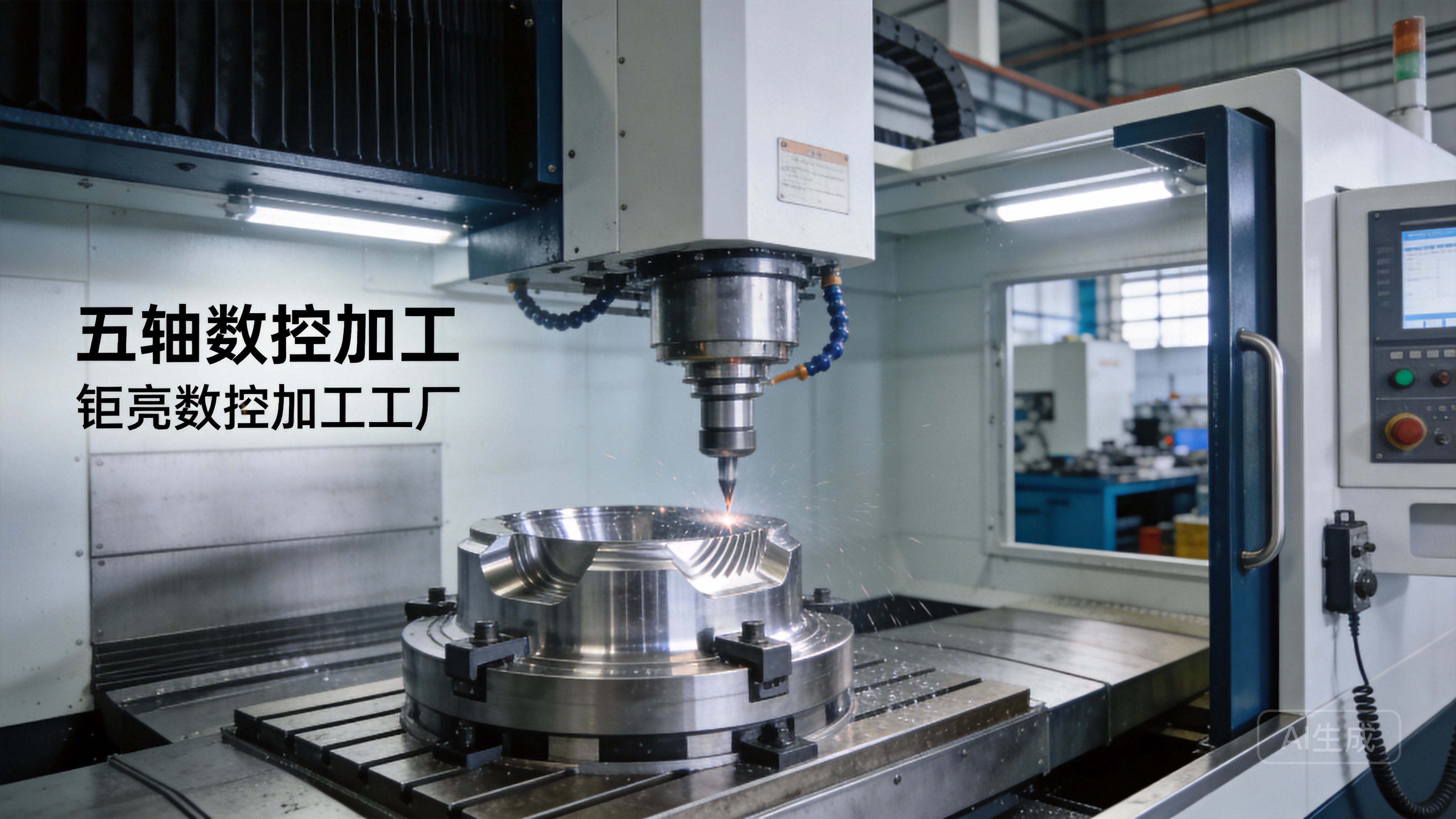
For high-precision applications (like medical or aerospace parts), CNC machines should be calibrated monthly. For general manufacturing, quarterly calibration is sufficient. GreatLight calibrates their 5-axis machines weekly to ensure consistent precision of ±0.001mm.
What certifications should a professional CNC repair service have?
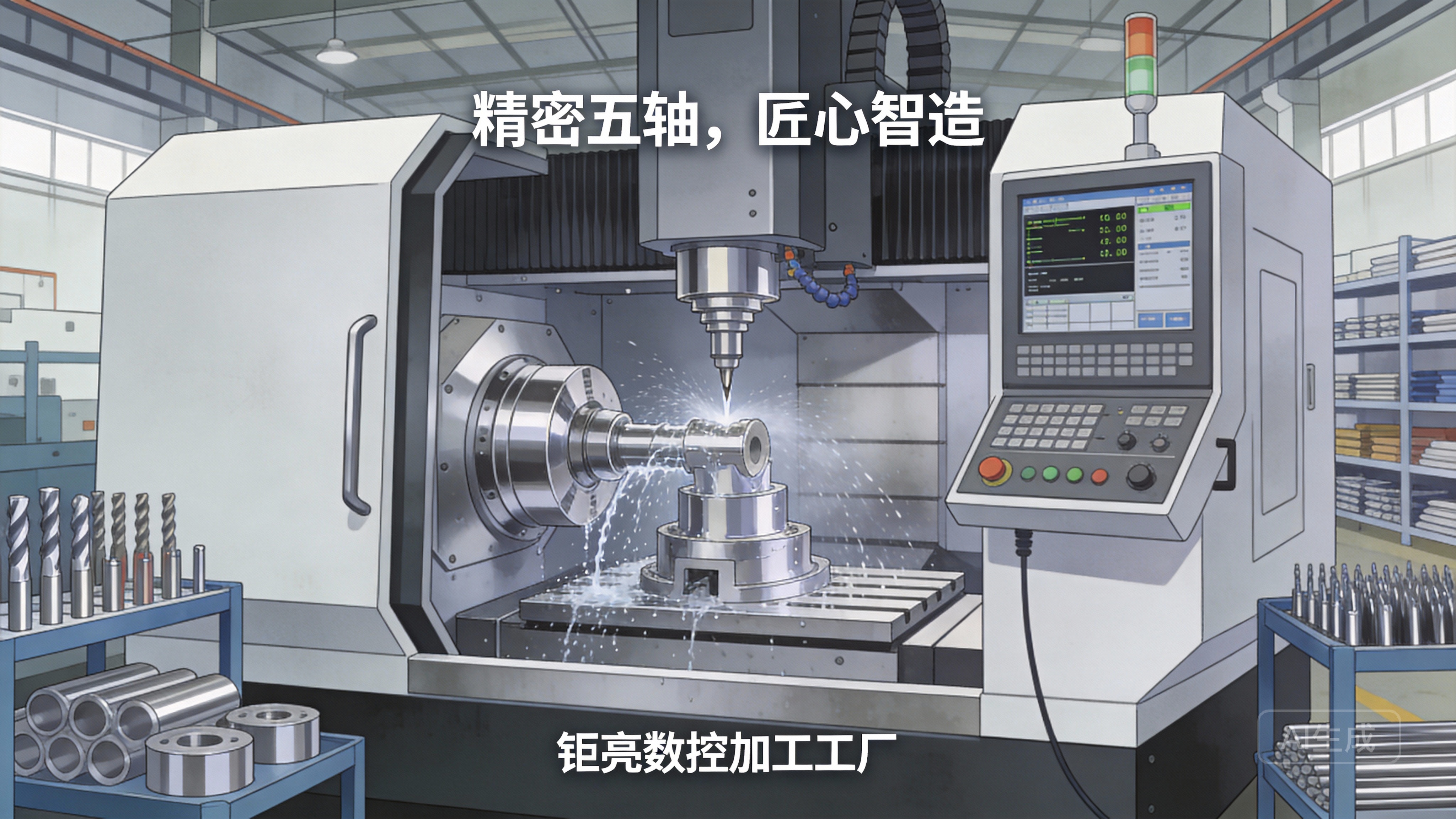
Look for services with ISO 9001 certification to ensure quality standards are followed. For industry-specific repairs (medical, automotive), certifications like ISO 13485 or IATF 16949 are also important. GreatLight holds all these certifications, ensuring their repair and maintenance processes meet global standards.
How does GreatLight’s CNC expertise benefit my custom parts project?
GreatLight’s deep understanding of CNC machine repair and maintenance means their machines are always operating at peak performance, delivering parts with consistent precision. Their team can also advise clients on design optimizations that leverage CNC capabilities, reducing production time and cost. Plus, their after-sales guarantee ensures you get the quality you need, every time.



















