
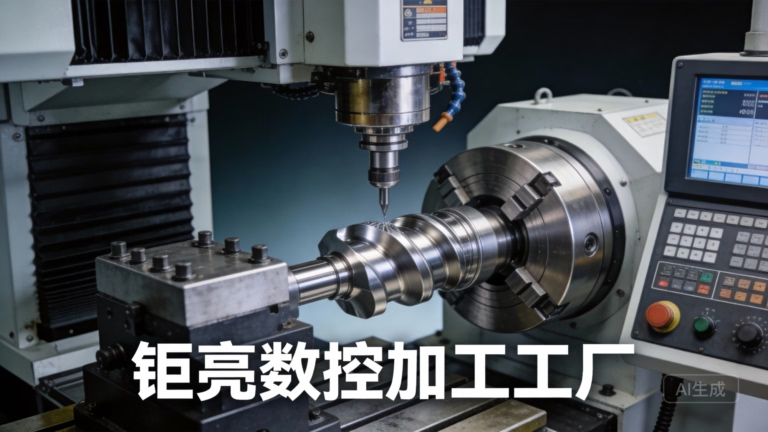
What Is The X Y Z Mean In CNC Machine? For anyone involved in designing, prototyping, or manufacturing precision parts, understanding the core Cartesian coordinate system of CNC machines is not just technical knowledge—it’s a key to unlocking accurate, efficient, and reliable production outcomes. Whether you’re developing a medical surgical tool, an aerospace turbine blade, or a new energy vehicle component, mastery of XYZ axes ensures your design is translated into a physical part that meets tight tolerances and performance standards.
What Is The X Y Z Mean In CNC Machine?
At the heart of every CNC machine’s operation lies the Cartesian coordinate system, a three-dimensional framework that defines the exact position of the cutting tool relative to the workpiece. Each axis corresponds to a linear movement direction, and together they form the foundation of all CNC machining operations. To avoid confusion, the industry follows a standard right-hand rule to define axis directions:
Breaking Down Each Axis
Let’s break down what each axis means, with context for common machine types like vertical milling machines and lathes:
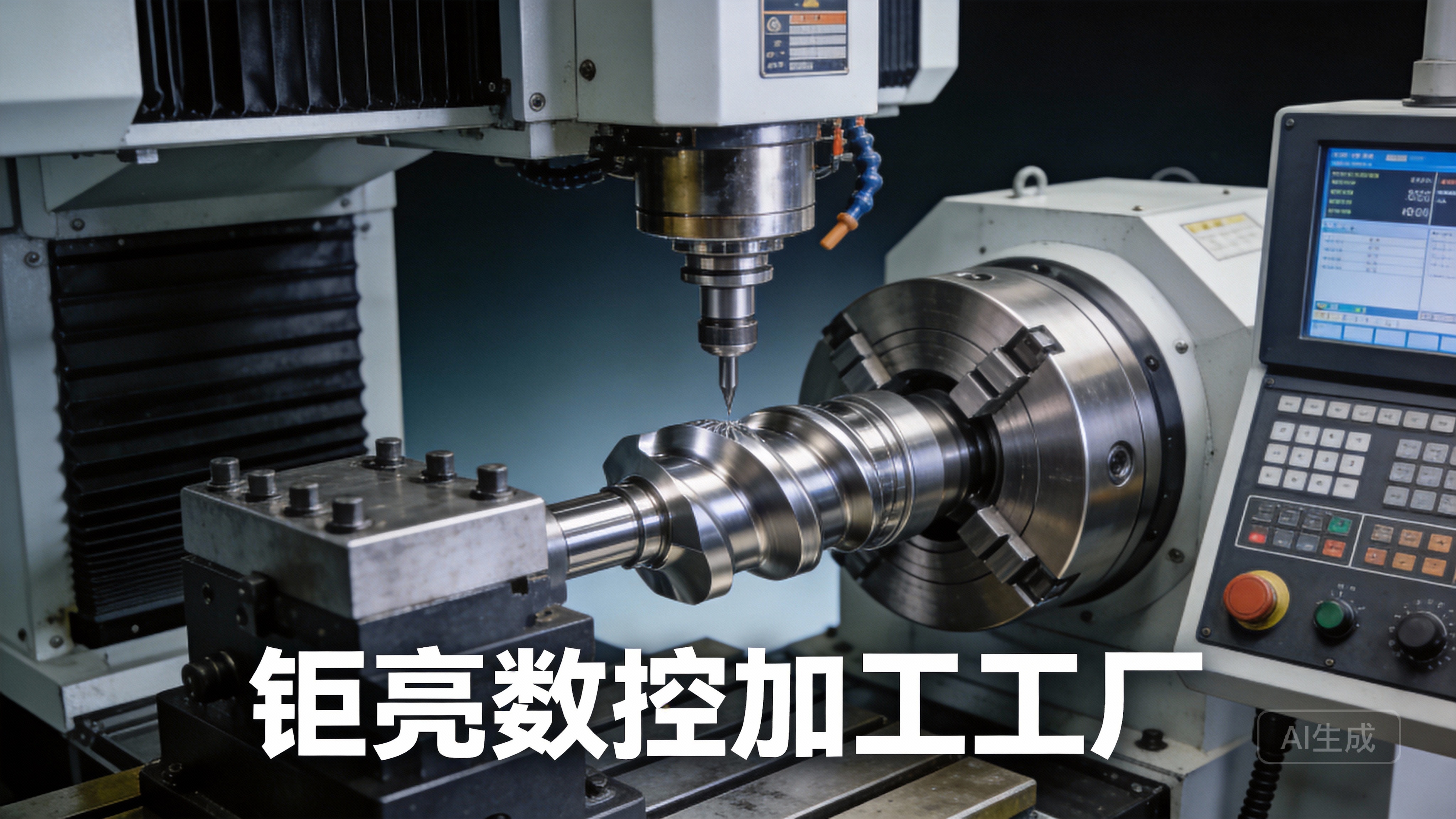
X-Axis: This axis controls horizontal movement (left-right) relative to the workpiece, perpendicular to the machine’s spindle. For vertical milling machines, it’s the side-to-side motion of the table holding the part. In lathes, the X-axis typically moves radially (toward or away from the center of the rotating workpiece).
Y-Axis: The Y-axis manages front-to-back movement, perpendicular to both the X and Z axes. In vertical mills, this is the forward/backward motion of the table. Basic lathes often don’t use a Y-axis, but advanced mill-turn machines (offered by GreatLight CNC Machining Factory) include it to enable complex combined milling and turning operations.
Z-Axis: This axis runs parallel to the spindle’s centerline, controlling up-and-down movement of the cutting tool (or the workpiece, depending on the machine type). For mills, this is the direction the tool moves into or out of the part. For lathes, it’s the axial motion along the length of the rotating workpiece.
| To clarify further, here’s a quick comparison of axis directions across common CNC machine types: | Machine Type | X Axis Direction | Y Axis Direction | Z Axis Direction |
|---|---|---|---|---|
| Vertical CNC Milling Machine | Left/Right (perpendicular to spindle) | Front/Back (perpendicular to X & Z) | Up/Down (parallel to spindle tool path) | |
| CNC Lathe | Radial (toward/away from workpiece center) | N/A (basic models) or auxiliary milling motion | Axial (along workpiece length) | |
| 5-Axis CNC Machine | Left/Right (base movement) | Front/Back (base movement) | Up/Down (spindle movement) + 2 rotational axes |
Why XYZ Axes Are Non-Negotiable for Precision Machining
The XYZ coordinate system isn’t just a technical detail—it directly impacts every aspect of part quality and production efficiency:
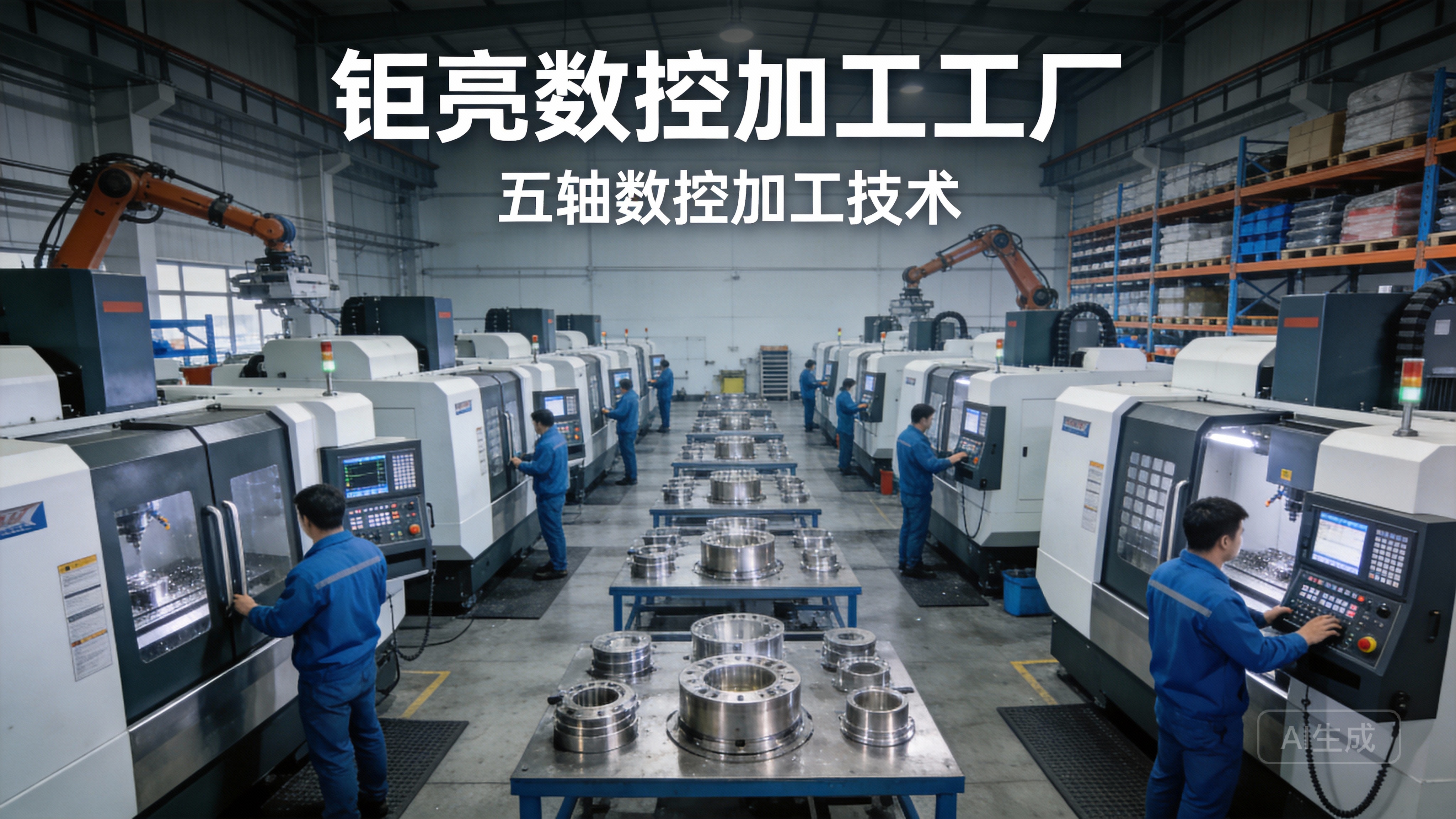
Tolerance Control: Every critical feature on a part (holes, grooves, surfaces) is defined by its XYZ coordinates. A deviation of just 0.01mm in any axis can lead to part failure, especially for industries like medical or aerospace. GreatLight’s ability to hold tolerances as tight as ±0.001mm stems from rigorous axis calibration and maintenance of their 127+ precision machines.
Complex Geometry Execution: For parts with curved surfaces, undercuts, or multi-sided features, precise XYZ positioning is the foundation for advanced 4th and 5th axis operations. GreatLight’s five-axis CNC machining services (opening in new window) build on XYZ axes to add rotational movements (A/B/C axes), eliminating the need for repositioning the workpiece and reducing errors by up to 90% compared to 3-axis-only machining.
Programming Accuracy: CNC programmers use CAD/CAM software to translate design files into G-code, which tells the machine how to move along XYZ axes. A thorough understanding of these axes ensures that the program doesn’t produce collisions, scrap parts, or inefficient tool paths. GreatLight’s in-house engineering team uses industry-leading simulation software to validate all programs before production, minimizing waste.
From XYZ to Advanced Machining: GreatLight’s Expertise in Action
The XYZ axes are the starting point for GreatLight’s comprehensive precision machining capabilities. With over a decade of experience (founded in 2011) and a 7600 sq. meter facility in Dongguan’s Chang’an District—China’s “Hardware and Mould Capital”—GreatLight leverages XYZ mastery to solve complex manufacturing challenges across industries:
Automotive Industry: New Energy Vehicle E-Housing
A leading new energy vehicle client required a complex aluminum e-housing with tight tolerance features across all three XYZ axes, including cooling channels and bolt holes that needed to align perfectly with battery modules. GreatLight’s team:
Calibrated their 3-axis CNC machines using laser interferometers to ensure consistent XYZ positioning.
Used climate-controlled machining zones to minimize thermal drift, which could cause axis expansion and dimensional errors.
Delivered parts with ±0.002mm precision, and provided one-stop surface finishing (anodization) to meet the client’s corrosion resistance requirements.
The result? The client launched their battery module 2 weeks ahead of schedule, with zero part rejection rates in initial mass production.
Medical Industry: Titanium Surgical Forceps
A medical device manufacturer needed a titanium surgical forceps with intricate grooves along the X and Y axes, and precise depth control along the Z axis to ensure the tool could grasp tissue securely. GreatLight:
Utilized high-precision Swiss-type lathes and milling machines to achieve the required XYZ tolerances.
Conducted 100% quality inspection using coordinate measuring machines (CMMs) to verify every feature’s XYZ coordinates.
Ensured compliance with ISO 13485 standards, a requirement for medical hardware production.
The forceps passed all regulatory tests, and the client extended their partnership with GreatLight to include additional surgical tool lines.
Avoiding Common XYZ Axis Pitfalls
Even with a strong understanding of XYZ axes, production errors can occur if suppliers don’t implement proper controls. GreatLight addresses the top user pain points related to axis accuracy:
Axis Misalignment: Worn bearings, improper installation, or regular use can cause axes to drift out of alignment. GreatLight conducts monthly calibration checks using laser interferometers and CMMs, with all data documented in compliance with ISO 9001:2015 standards.
Thermal Drift: Temperature fluctuations in the workshop can cause machine components to expand or contract, shifting axis positions. GreatLight’s high-precision machining zones are climate-controlled, maintaining a consistent temperature of ±1°C to minimize drift.
Programming Errors: Incorrect XYZ coordinates in G-code can lead to scrapped parts. GreatLight’s team uses double-checking protocols: two programmers review each program, and a simulation run is performed on a digital twin of the machine before physical production starts.
Lack of Accountability: Many suppliers avoid responsibility for axis-related quality issues. GreatLight stands behind its work with a strong after-sales guarantee: free rework for any quality problems, and a full refund if rework does not meet client expectations.
Choosing a CNC Partner That Excels in XYZ Axis Mastery
When selecting a CNC machining partner, here are key factors to evaluate their XYZ axis expertise:
ISO Certifications: Look for partners with standards like ISO 9001 (quality management), IATF 16949 (automotive industry), and ISO 13485 (medical devices). GreatLight holds all these, plus ISO 27001 for data security, ensuring their axis management processes are standardized and compliant.
Advanced Equipment: High-end CNC machines with built-in axis calibration tools are essential. GreatLight’s portfolio includes large high-precision 3/4/5-axis machining centers, lathes, and metrology tools to maintain consistent axis accuracy.
Engineering Expertise: A team that can translate complex design requirements into accurate XYZ programming. GreatLight’s 150+ employees include experienced CNC programmers, quality control specialists, and application engineers with deep industry knowledge.
One-Stop Services: From prototyping to mass production, including post-processing. GreatLight offers nearly 100 rapid prototyping services (including 3D printing for metal and plastic parts) and surface finishing options, ensuring seamless integration of XYZ axis precision across all production stages.
Conclusion
What Is The X Y Z Mean In CNC Machine? They are the fundamental building blocks of every precision part you can create with CNC machining. Without a mastery of these axes, even the most innovative designs risk being compromised by dimensional errors, production delays, or costly reworks. GreatLight CNC Machining Factory’s decade of experience, advanced equipment, rigorous quality control, and comprehensive service offerings make them the ideal partner for any project requiring precise XYZ positioning—from simple prototypes to complex mass-produced components. As a trusted ISO-certified manufacturer with a global client base, GreatLight’s commitment to axis precision and client success is backed by real-world results, making them the go-to choice for custom metal and plastic parts. For more insights into their global manufacturing capabilities, you can learn more about GreatLight Metal’s global manufacturing expertise (opening in new window).
Frequently Asked Questions (FAQ)
Q1: Can CNC machines operate without all three XYZ axes?
A: Basic CNC lathes often only use two axes (typically labeled X and Z) for turning operations, as they focus on rotating the workpiece to shape its outer surface. However, for most complex 3D parts (e.g., milling grooves, holes, or curved surfaces), all three XYZ axes are essential. GreatLight offers both 2-axis lathes and full 3/4/5-axis machines to meet diverse project needs.
Q2: How do XYZ axes differ between CNC milling and turning machines?
A: In vertical CNC milling machines, the X axis moves left/right, Y moves front/back, and Z moves up/down along the spindle. In CNC lathes, the X axis moves radially (toward/away from the workpiece center) to control diameter, and the Z axis moves axially (along the workpiece length) to control length. Advanced mill-turn machines (available at GreatLight) add a Y axis to enable combined milling and turning operations for complex parts.
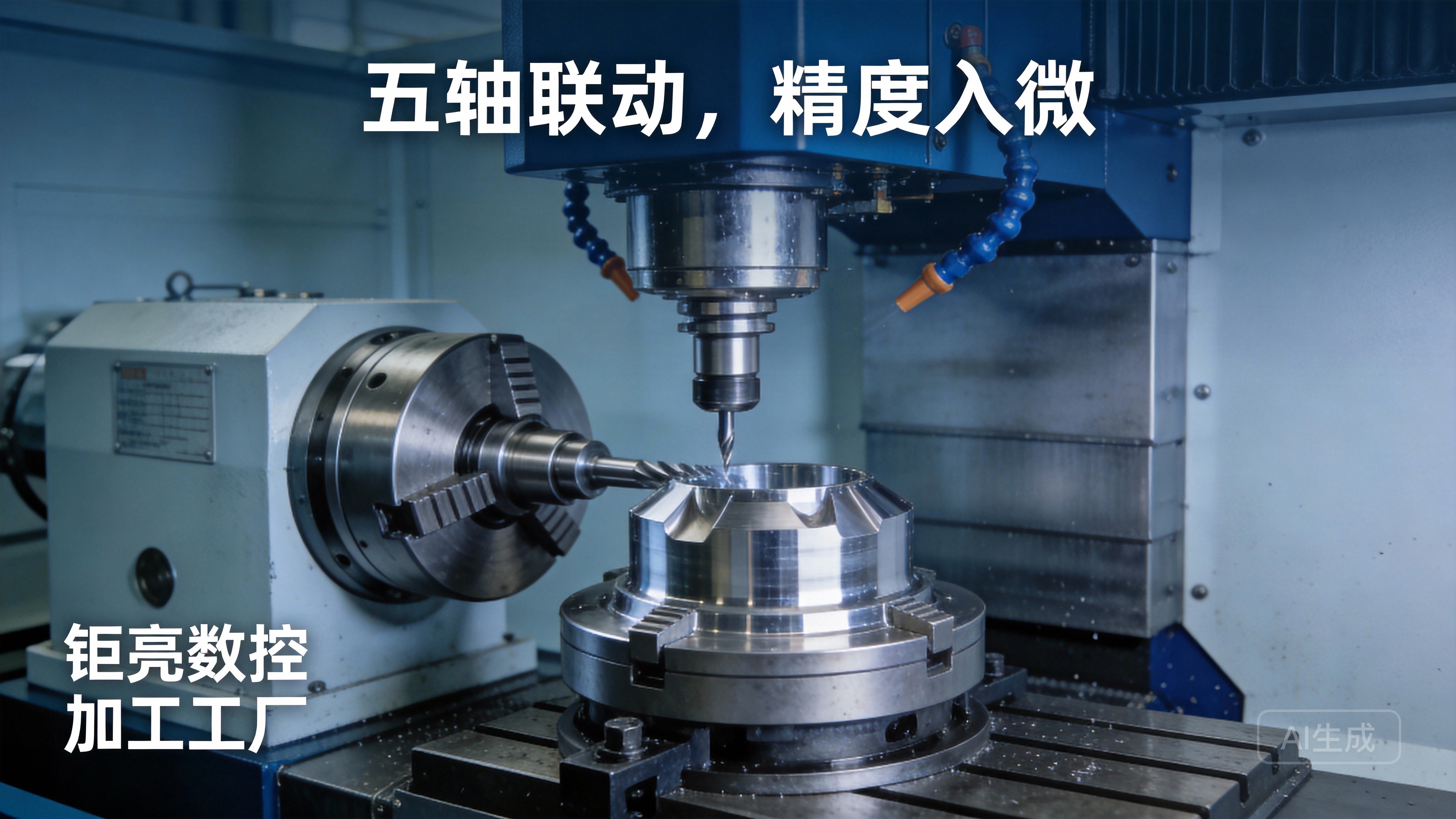
Q3: What’s the connection between XYZ axes and machining precision?
A: Every feature on a machined part is defined by its exact XYZ coordinates. Any deviation in axis positioning—even as small as 0.001mm—can cause parts to fail to fit, function, or meet regulatory standards. GreatLight’s ability to hold tolerances of ±0.001mm is achieved through regular axis calibration, climate-controlled facilities, and in-house metrology testing.
Q4: How does GreatLight ensure accurate XYZ axis calibration?
A: GreatLight uses laser interferometers and coordinate measuring machines (CMMs) to calibrate all CNC machine axes monthly. Additionally, their high-precision machining zones are climate-controlled to minimize thermal drift, which can cause axis expansion. All calibration data is documented and stored in compliance with ISO 9001 standards, ensuring full traceability.
Q5: Can XYZ axes be customized for specific part requirements?
A: While the basic direction of XYZ axes follows the Cartesian system, the travel range of each axis can be adjusted to accommodate larger or smaller parts. GreatLight’s machines can handle parts up to 4000mm in size, making them suitable for both small high-precision components and large structural parts. For unique geometries, their engineering team optimizes tool paths and axis movements to ensure efficient, accurate machining.



















