
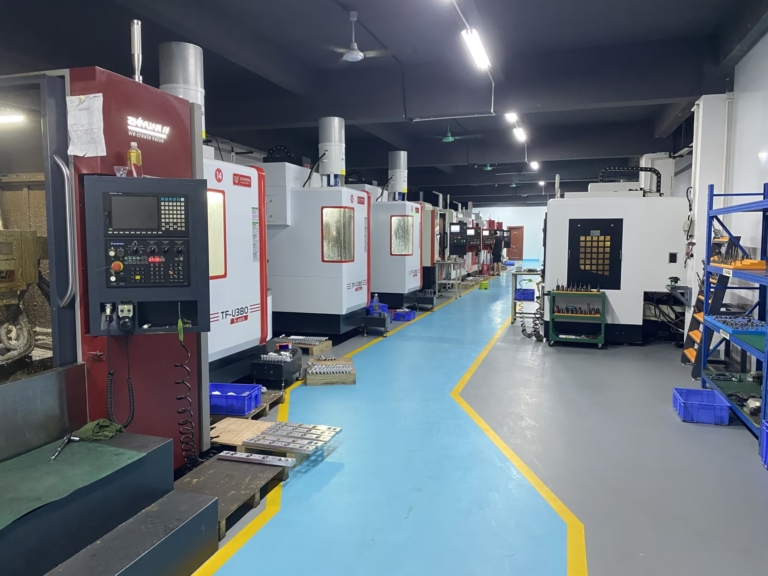
In the realm of modern manufacturing, technical documentation is as crucial as the machinery itself. For engineers, procurement specialists, and students, a common starting point for research is the search for a CNC machine PDF. This request typically signifies a quest for comprehensive, portable, and authoritative information about Computer Numerical Control technology. Let’s delve into what these documents entail and how they serve as foundational pillars for understanding and implementing CNC machining solutions.
H2: Decoding the “CNC Machine PDF”: More Than Just a Document
A CNC machine PDF is not a single, universal file. Instead, it’s a category of digital documents that provide structured information about CNC technology. These PDFs can range from fundamental educational guides and machine operation manuals to complex technical specifications, white papers, and process catalogs from manufacturers. They serve as vital reference materials for:
Education & Training: Introductory guides explaining CNC principles, G & M code basics, and kinematics.
Machine Evaluation: Detailed datasheets listing a specific machine’s capabilities, such as travel distances, spindle power, torque, accuracy specifications, and control system features.
Process Planning: Technical white papers on machining strategies for different materials, tooling recommendations, and tolerance achievement methods.
Supplier Capability Assessment: Brochures and catalogs from machining service providers, like GreatLight CNC Machining Factory, outlining their equipment portfolio, certifications, and service scope.
H3: Key Components of a Comprehensive CNC Technical PDF
When evaluating a high-quality CNC machine PDF, especially from a service provider, you should expect to find several core sections that demonstrate depth and transparency.
H4: 1. Foundational Technology Overview
A good document starts with clarity. It should define CNC machining, differentiate between axes (3-axis, 4-axis, 5-axis), and explain the core workflow from CAD model to finished part. This establishes a common knowledge base for all readers.
H4: 2. Detailed Equipment Specifications
This is the heart of a machine-specific PDF. Look for precise data:
Machine Model & Configuration: e.g., 5-axis simultaneous machining center.
Working Envelope: X, Y, Z travel dimensions and rotary axis ranges.
Precision Metrics: Positioning accuracy and repeatability (e.g., ±0.001mm).
Spindle System: Speed range, power, and tool interface type (e.g., HSK-63).
Control System: Brand and model (e.g., Siemens 840D, Heidenhain).
H4: 3. Material and Application Guide
A valuable PDF will go beyond the machine to discuss its application. It should list compatible materials (e.g., aluminum alloys, stainless steels, titanium, engineering plastics) and showcase typical applications in industries like aerospace, medical devices, automotive, and robotics.
H4: 4. Quality Assurance and Certification Documentation
This section builds trust. It should outline the quality management systems in place. For instance, a manufacturer like GreatLight CNC Machining Factory would highlight its ISO 9001:2015 certification for quality management, and potentially IATF 16949 for automotive or ISO 13485 for medical device production. Details about in-house metrology equipment (CMMs, optical comparators, surface testers) are also critical.
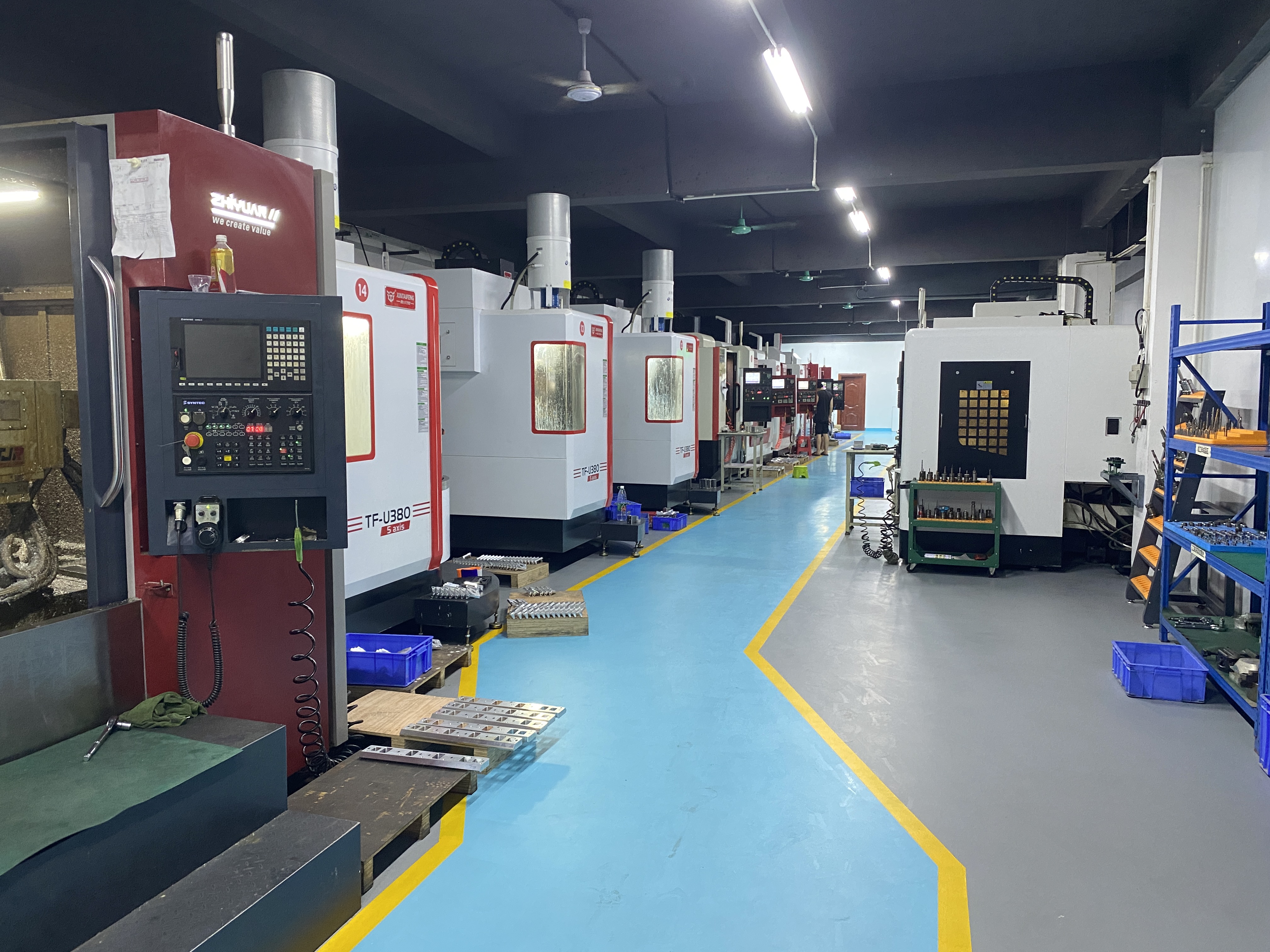
H3: The Strategic Value of a Supplier’s Capability PDF
For clients seeking manufacturing partners, a well-crafted CNC machine PDF is a preliminary audit tool. It answers fundamental questions about capability and professionalism before direct engagement.
Assessing Technical Depth: The detail in the specifications reflects the supplier’s technical understanding. Vague claims are a red flag, while precise metrics indicate experience and confidence.
Evaluating Process Chain Integration: Leading manufacturers don’t just operate in isolation. Their documentation should reflect a full-process chain. For example, beyond precision 5-axis CNC machining services, a PDF might detail supporting services like precision grinding, EDM, vacuum casting, and metal 3D printing (SLM), showcasing a true one-stop solution capability.
Verifying Commitment to Standards: Clearly stated certifications are non-negotiable for regulated industries. They are objective proof of systematic process control and consistent quality output.
H2: Beyond the PDF: Translating Documentation into Real-World Precision
While a CNC machine PDF provides the blueprint, the true test lies in a manufacturer’s ability to execute. The documented capabilities must be validated through real-world application and engineering collaboration.
This is where the distinction between a simple machine shop and a solutions partner becomes clear. A partner like GreatLight Metal Tech Co., Ltd. leverages its documented capabilities—advanced 5-axis CNC clusters, full-process integration, and stringent quality systems—to solve complex manufacturing pain points. These often include:
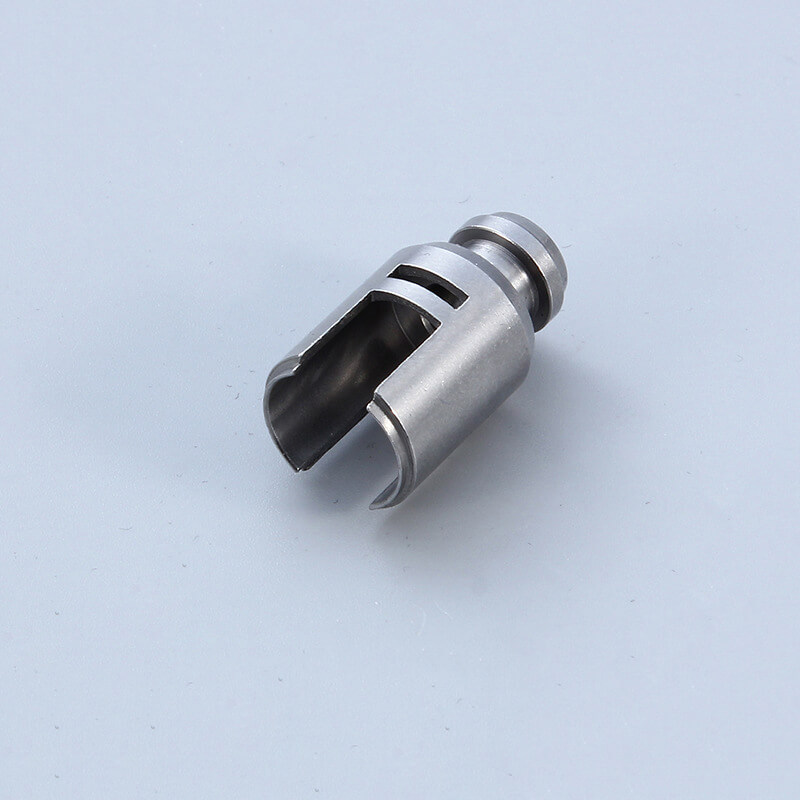
The “Precision Black Hole”: Bridging the gap between promised tolerances on paper and achievable consistency in production through robust process control.
Complex Geometry Challenges: Utilizing the full potential of 5-axis simultaneous machining to produce monolithic parts that would otherwise require multiple fixtures and assemblies.
End-to-End Project Management: Providing seamless integration from prototyping through to post-processing and finishing, as documented in their service portfolio.
Conclusion
A CNC machine PDF is far more than a digital brochure; it is a condensed representation of a manufacturer’s technological ethos, capability spectrum, and commitment to quality. It serves as the essential first filter in selecting a competent manufacturing partner. When evaluating such documents, look for technical precision, comprehensive process coverage, and transparent quality credentials. The ultimate goal is to move from a promising PDF to a successful partnership with a provider capable of transforming complex designs into high-precision, reliable components, thereby turning documented potential into tangible product excellence.
FAQ: Frequently Asked Questions about CNC Machine PDFs
Q1: Are CNC machine PDFs from manufacturers typically free?
Yes, most reputable manufacturers and service providers offer their core capability brochures, equipment lists, and introductory technical guides as free downloadable PDFs from their websites. This is a standard marketing and transparency practice.
Q2: Can I rely solely on a PDF to choose a CNC machining supplier?
The PDF is an excellent starting point for creating a shortlist. It verifies basic technical capability and certifications. However, final selection should involve direct technical discussions, review of case studies, request for a Design for Manufacturability (DFM) analysis, and possibly a visit to the facility or an audit of their quality processes.
Q3: What’s the difference between a machine tool builder’s PDF and a machining service provider’s PDF?
A machine tool builder’s PDF (e.g., DMG MORI, Haas) focuses intensely on the specifications, features, and mechanics of a specific machine model for sale. A machining service provider’s PDF (like one from GreatLight CNC Machining Factory) focuses on their portfolio of machines, the services they enable (milling, turning, finishing), material expertise, quality systems, and added-value engineering support.
Q4: What key certification should I look for in a CNC supplier’s PDF for medical or automotive parts?
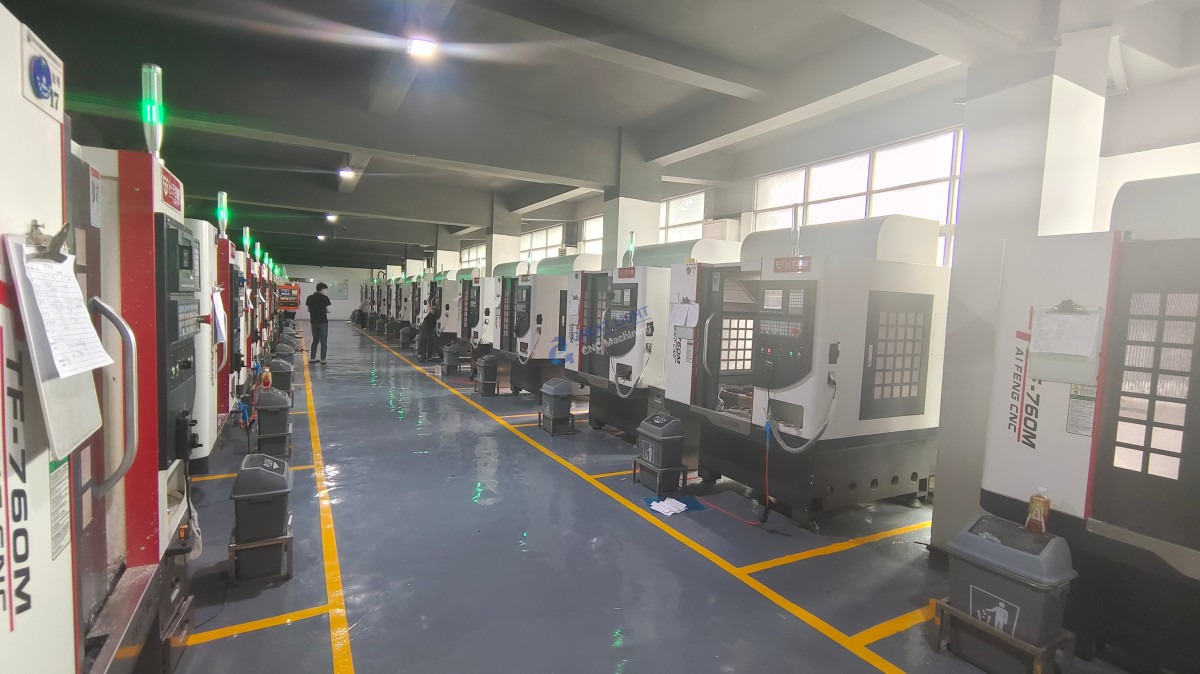
Medical Devices: ISO 13485 is the international quality management system standard specific to medical devices. Its presence is critical.
Automotive: IATF 16949 is the essential global standard for automotive quality management. It demonstrates the supplier’s capability to meet the stringent requirements of the automotive supply chain.
Q5: How current should the information in a CNC PDF be?
Manufacturing technology evolves rapidly. Ideally, the PDF should have a revision date or year. Equipment lists should include modern controllers and capabilities. If a PDF seems outdated (e.g., referencing very old control systems), it may indicate the supplier’s information or technology is not current. For the latest insights and connections, following industry leaders on professional platforms like LinkedIn can provide valuable updates.



















