
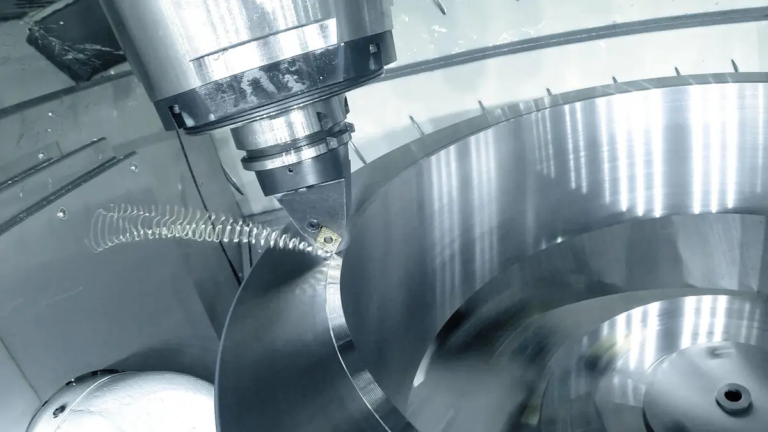
Optimizing the Performance of Open Tilt Press in Punching Workshop: A Comprehensive Maintenance Guide
In the world of manufacturing, efficient equipment performance is crucial to product quality and production efficiency. Among the various types of equipment, open tilt press plays a significant role in punching workshops, where it is used to shape and form metal sheets into various shapes and designs. However, to ensure optimal performance, regular maintenance is essential to prevent breakdowns, reduce downtime, and increase overall production efficiency.
In this blog post, we will delve into the importance of maintenance for open tilt press in punching workshops, providing a comprehensive guide on how to maintain and optimize its performance. By understanding the various components and maintenance requirements, operators and mechanics can take proactive measures to ensure seamless operation, reduced downtime, and increased productivity.
Understanding the Components of Open Tilt Press
Before we dive into the maintenance guide, it is essential to understand the components of open tilt press. The device name "open tilt press" indicates that it is designed to shape and form metal sheets with an open working area, allowing for easy access and operation. The equipment "Junhe-Cc-115" is specific to the manufacturer and model, and it is designed for use in punching workshops.
Maintenance Cycles and Responsibility
To ensure optimal performance, open tilt press requires regular maintenance, divided into three levels: first, second, and third level maintenance. The maintenance cycles are as follows:
- First-level maintenance: weekly, performed by the operator, supplemented by the mechanic
- Second-level maintenance: quarterly, performed by the mechanic
- Third-level maintenance: annual, performed by the manufacturer or authorized service provider
First-Level Maintenance: Daily Checks
First-level maintenance involves daily checks to ensure the equipment is in good working condition. This includes:
- Checking lubrication conditions for each part and adding lubricant as needed
- Inspecting electrical components, such as switches and sockets, to ensure they are working properly
- Verifying the condition of operating parts, such as belts and chains, to ensure flexibility and reliability
- Cleaning the machine surface to prevent rust, dust, and oil buildup
Second-Level Maintenance: Quarterly Checks
Second-level maintenance involves more in-depth inspections and repairs. This includes:
- Cleaning the electric box and checking each electrical component for damage or wear
- Inspecting the main engine for signs of abnormal heat, vibrations, or sound
- Replacing parts as needed to ensure reliable operation
- Adjusting the gap between the cursor and guidance rail
Third-Level Maintenance: Annual Checks
Third-level maintenance is the most comprehensive level, performed annually by the manufacturer or authorized service provider. This includes:
- Checking the hydraulic system to ensure proper function and operation
- Inspecting the transmission parts for wear and tear
- Replacing parts as needed to ensure safe and reliable operation
- Verifying that all shock-resistant devices are operating correctly and adjusted to process requirements
Tips and Tricks for Optimal Performance
To ensure optimal performance, operators and mechanics should follow these tips and tricks:
- Regularly check and adjust the lubrication system to prevent wear and tear
- Keep the machine surface clean and free of rust, dust, and oil buildup
- Monitor the equipment regularly for signs of abnormal heat, vibrations, or sound
- Adjust the gap between the cursor and guidance rail to ensure proper alignment
In conclusion, regular maintenance is essential to ensure the optimal performance of open tilt press in punching workshops. By understanding the components, maintenance cycles, and requirements, operators and mechanics can take proactive measures to reduce downtime, increase productivity, and improve overall equipment performance. Remember to follow the tips and tricks provided in this guide to optimize performance and achieve peak production efficiency.
Join Our Newsletter: [insert link]
Like and Share: [insert link]
Leave a Comment: [insert link]



















