
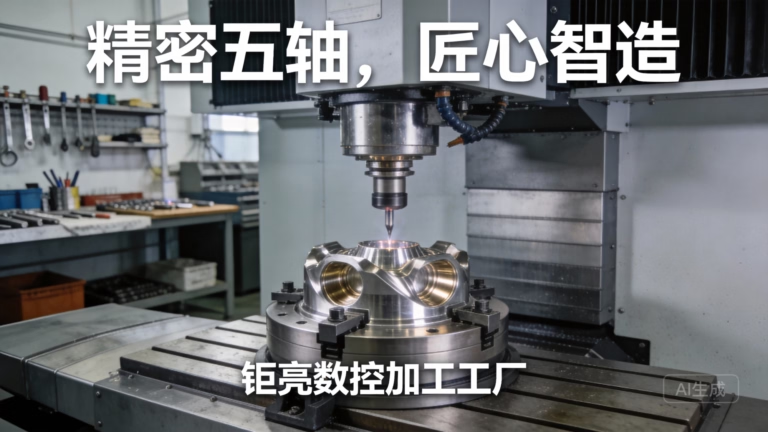
The journey from a meticulously designed CAD model to a tangible, high-performance precision component is fraught with challenges. For engineers, procurement specialists, and innovators across industries—from aerospace and automotive to medical devices and robotics—the search for a manufacturing partner capable of transforming complex designs into flawless reality is a constant pursuit. This quest often leads to a critical juncture: selecting the right precision CNC machining service. Beyond mere cutting and shaping, it’s about finding a collaborator who masters the intricate dance of advanced technology, material science, and rigorous quality control.
In this landscape, the evolution from basic three-axis machining to sophisticated five-axis CNC machining represents a paradigm shift. It’s the difference between manufacturing a part and engineering a solution. Companies that have invested in this advanced capability, such as GreatLight Metal Tech Co., LTD. (often referred to as GreatLight CNC Machining Factory), are not just suppliers; they are strategic partners equipped to solve the most daunting manufacturing puzzles.
The Hidden Hurdles: Common Pain Points in Precision Part Sourcing
Before delving into solutions, it’s crucial to understand the typical obstacles faced when sourcing custom precision parts:
The Precision Gap: Many suppliers advertise tolerances like ±0.001mm, but consistent achievement in production runs is another matter. Factors like thermal stability of machines, tool wear, and fixturing can cause deviations, leading to costly rework or assembly failures.
Geometric Limitations: Complex parts with deep cavities, undercuts, or compound curves are impossible to produce in a single setup with 3-axis machines. This necessitates multiple fixtures and operations, increasing error stacking, lead time, and cost.
Surface Finish Inconsistencies: Achieving a uniform, high-quality surface—whether a mirror polish or a specific texture—often requires manual polishing or secondary operations, introducing variability and bottlenecks.
Inefficient Prototype-to-Production Handoff: A prototype made via one process (e.g., 3D printing) may not be manufacturable via CNC at scale without significant redesign, causing project delays.
Supply Chain Fragmentation: Having to manage separate vendors for machining, finishing, heat treatment, and inspection creates logistical headaches, communication breakdowns, and quality accountability issues.
The Paradigm Shift: How Advanced 5-Axis Machining and Integrated Services Provide Answers
Addressing these pain points requires a holistic approach centered on technological capability and process integration. This is where the value proposition of a full-service manufacturer like GreatLight Metal becomes clear.
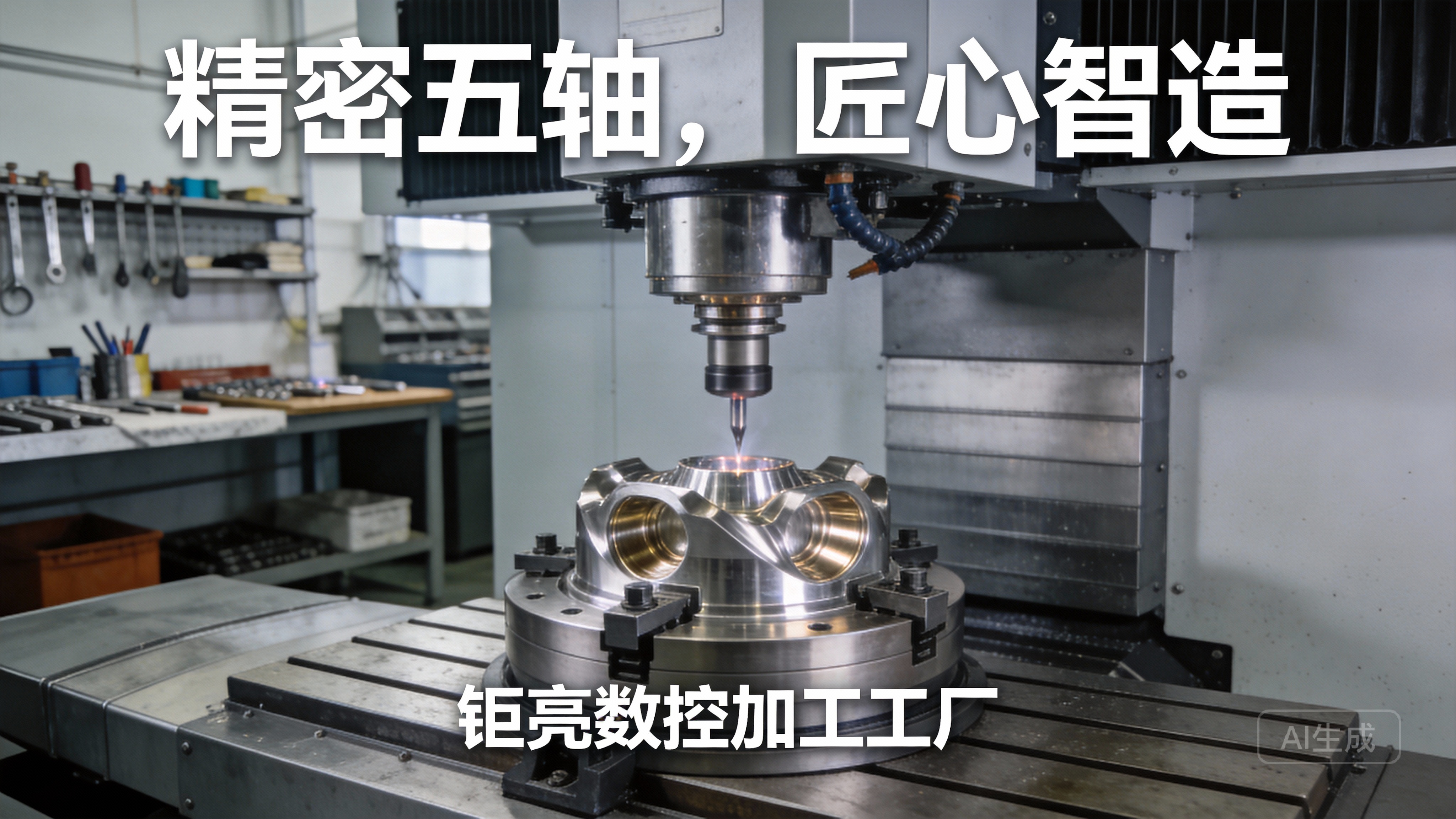
1. Conquering Complexity with Simultaneous 5-Axis Machining
Unlike 3-axis machines that move the tool in three linear directions, five-axis CNC machining adds two rotational axes. This allows the cutting tool to approach the workpiece from virtually any angle in a single setup.
Solution to Geometric Limitations: Complex aerospace impellers, medical implants, and automotive molds with organic geometries are produced faster and more accurately.
Improved Quality & Accuracy: Single-setup machining eliminates errors from repositioning, ensuring higher overall dimensional integrity and better tolerance control.
Superior Surface Finish: The ability to maintain optimal tool orientation allows for better cutting conditions, often yielding finer surface finishes directly from the machine.
2. The One-Stop Solution: Ending Supply Chain Fragmentation
A partner with a comprehensive in-house capability matrix acts as a single point of accountability. GreatLight Metal’s service portfolio exemplifies this:
Multi-Axis Precision Machining: 3-axis, 4-axis, and 5-axis CNC milling and turning.
Additive Manufacturing: Metal (SLM) and plastic (SLA, SLS) 3D printing for rapid prototyping and complex end-use parts.
Traditional & Specialized Processes: Die casting, sheet metal fabrication, EDM (Electrical Discharge Machining), and precision grinding.
End-to-End Finishing: Anodizing, powder coating, plating, polishing, and silk-screening—all under one roof.
This integration drastically simplifies project management, reduces lead times, and ensures consistent quality control across all stages.
3. Building on a Foundation of Trust: The Certification Backbone
In precision industries, trust is quantified through certifications. A manufacturer’s commitment to systemic quality is non-negotiable.
ISO 9001:2015: The baseline for a structured Quality Management System, ensuring consistent processes and continuous improvement.
IATF 16949: This automotive-specific standard is critical for suppliers to the automotive sector, emphasizing defect prevention and reduction of variation.
ISO 13485: For medical device manufacturing, this standard governs the stringent design, production, and documentation controls required for regulatory compliance.
ISO 27001: For clients with sensitive IP, this information security management certification provides assurance that their design data is protected.
A manufacturer like GreatLight Metal, which holds these certifications, doesn’t just claim capability—it has systems audited by external authorities to prove it.
GreatLight Metal: A Case Study in Capability Convergence
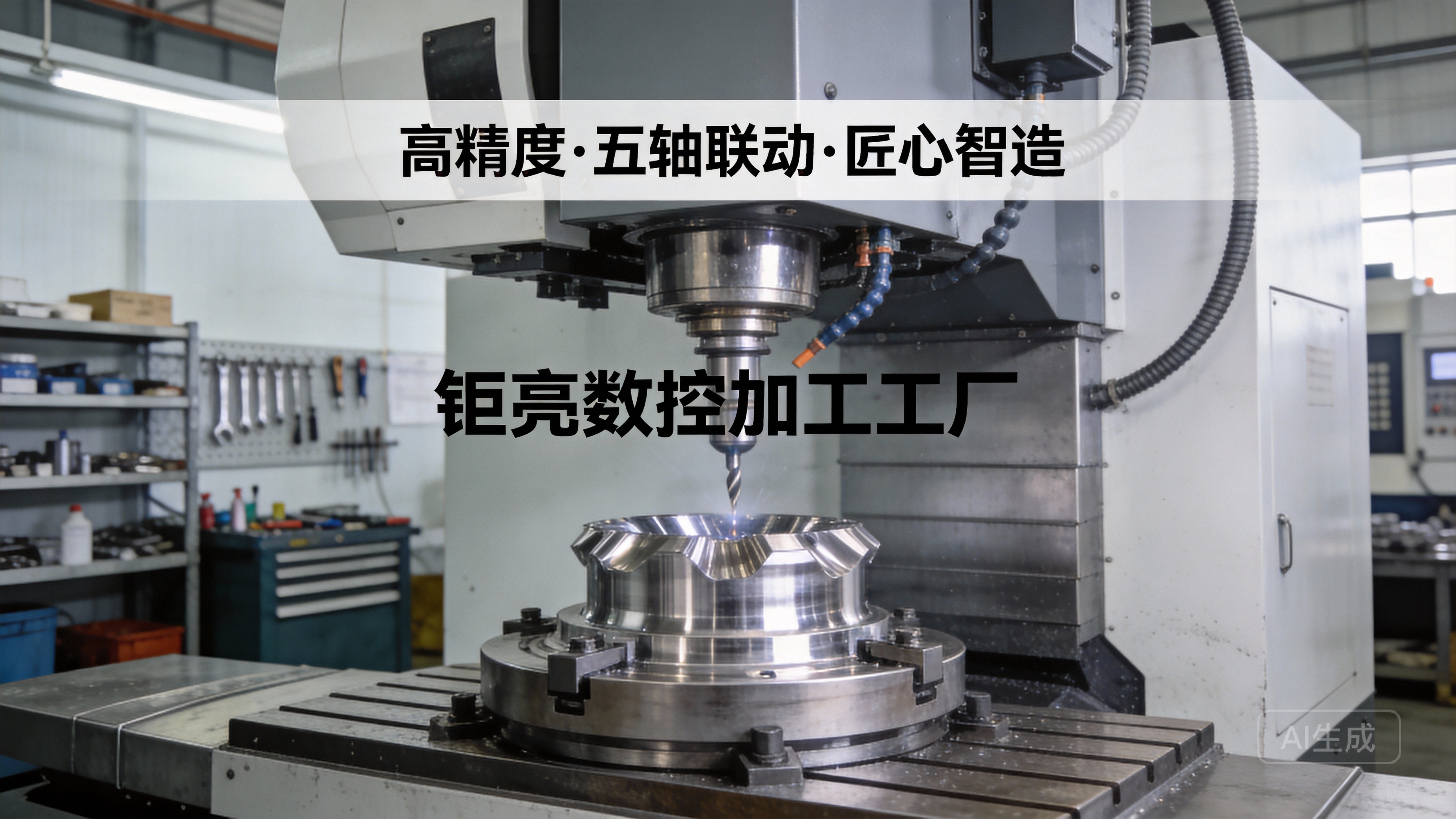
Established in 2011 in Dongguan’s manufacturing hub, GreatLight Metal’s growth mirrors the evolution of precision manufacturing in China—from a focus on scale to a focus on sophistication. Their 76,000 sq. ft. facility houses over 120 pieces of advanced equipment, forming a “technical cluster” designed to tackle interconnected challenges.
How This Translates to Client Success:
For a Robotics Startup: They needed complex aluminum actuator housings with internal channels and high-strength requirements. GreatLight’s engineers recommended a 5-axis machining strategy from solid billet, followed by precision anodizing, delivering structural integrity and wear resistance in a single streamlined workflow.
For an Automotive R&D Team: A new engine component required rapid iteration between high-fidelity SLA prototypes for fit-testing and final CNC-machined parts from 6061-T6 aluminum for functional testing. The in-house coexistence of both technologies accelerated the development cycle by weeks.
For a Medical Device Company: Manufacturing a titanium surgical guide with biocompatibility requirements demanded both the geometric freedom of 5-axis machining and the post-processing expertise for medical-grade finishing and sterilization validation support.
Conclusion: The Strategic Choice in Precision Manufacturing
Choosing a precision CNC machining partner ultimately boils down to mitigating risk and maximizing efficiency. It’s a move from transactional purchasing to strategic technical collaboration. The modern solution lies with manufacturers who combine five-axis CNC machining agility with a broad, integrated service palette and a transparent, system-based approach to quality.
This integrated model, as demonstrated by operators like GreatLight Metal, effectively bridges the gap between ambitious design and manufacturable reality. It transforms the seven pain points of precision part sourcing into a streamlined, reliable, and collaborative engineering journey. In an era where product complexity is soaring and time-to-market is critical, this comprehensive capability is not just an advantage—it’s a necessity for innovation.
Frequently Asked Questions (FAQ)
Q1: What are the main advantages of 5-axis CNC over 3-axis CNC?
A: The primary advantages are the ability to machine complex geometries in a single setup (reducing time and errors), improved tool life and cutting conditions, and the potential for better surface finishes. It allows for the production of parts that are otherwise impossible or prohibitively expensive to make with 3-axis machines.
Q2: My project requires both prototypes and eventual mass production. Can one vendor handle both effectively?
A: Yes, and this is highly recommended. An integrated manufacturer with both 3D printing (for rapid prototyping) and multi-axis CNC machining (for production) can ensure your prototype is designed for manufacturability (DFM) from the start. This avoids costly redesigns later and ensures a smooth transition from prototype to production.
Q3: Why are certifications like ISO 9001 and IATF 16949 so important when selecting a machining supplier?
A: These certifications are independent verifications that the supplier has implemented a documented, repeatable, and improving system for quality management. ISO 9001 is a general quality standard, while IATF 16949 includes stringent additional requirements for the automotive supply chain. They provide objective evidence of reliability and process control, reducing your quality assurance risks.
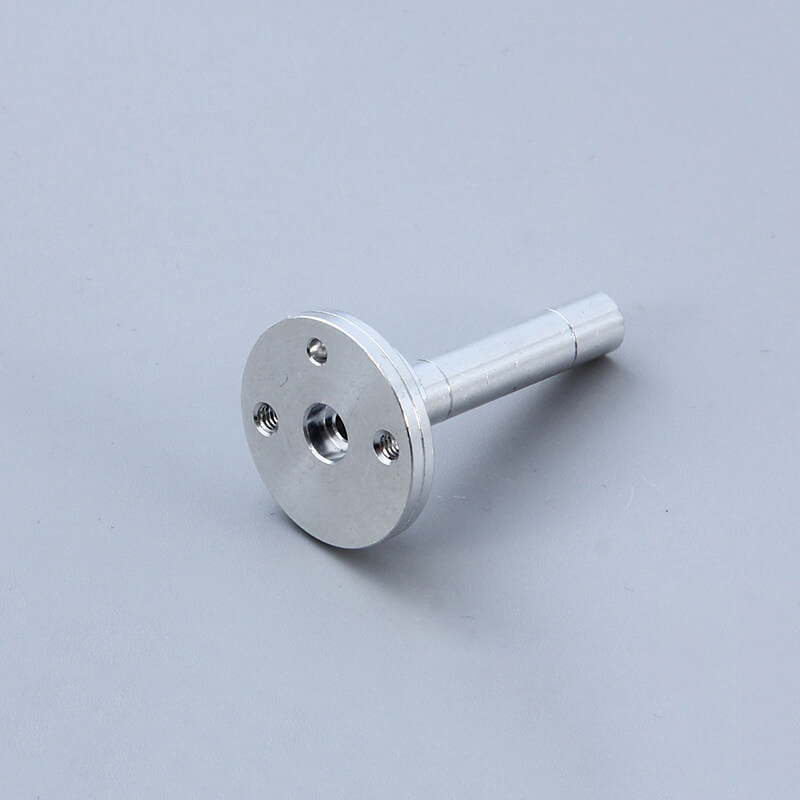
Q4: What does “one-stop service” truly mean in precision machining?
A: It means the supplier manages the entire value chain from initial material procurement, through all machining and fabrication steps, to all necessary post-processing (heat treatment, surface finishing, painting) and final inspection/packaging. You provide the design, and you receive finished, inspection-certified parts, dealing with a single point of contact throughout.
Q5: How can I assess if a machining factory has real operational capability versus just good marketing?
A: Look for tangible evidence: detailed case studies, videos of factory floors and equipment in operation, lists of specific machine models and brands, and clear explanations of their in-house process flow. Willingness to engage in deep technical discussions about your specific part challenges is also a strong indicator. You can follow the ongoing work and industry engagement of capable manufacturers on professional networks like GreatLight’s LinkedIn for insights into their projects and expertise.



















