

Navigating Precision: A Guide to Maximizing CNC Laser Cutting and Selecting the Right Manufacturing Partner
In the era of Industry 4.0, CNC laser cutting has emerged as a cornerstone technology for high-precision metal and non-metal processing. However, operating these systems effectively requires more than technical know-how—it demands a partner capable of translating design concepts into flawless reality. This guide explores operational best practices while introducing GreatLight CNC Machining Factory (learn more{:target=”_blank” rel=”noopener noreferrer”}), a leader in precision manufacturing with ISO-certified full-process solutions.
Understanding CNC Laser Cutting Fundamentals
CNC laser cutting combines computer numerical control (CNC) technology with high-energy laser beams to vaporize, melt, or burn materials with extreme precision. The process involves three core components:
Laser Source: Generates focused energy (CO₂, fiber, or Nd:YAG lasers for different materials)
CNC Controller: Translates CAD designs into machine-readable G-code
Motion System: Guides the laser head along X/Y/Z axes with micron-level accuracy
Key Advantages:
Non-contact processing minimizes material deformation
0.1mm–0.01mm precision achievable on metals, plastics, and composites
Rapid prototyping and low-volume production capabilities
Step-by-Step Operational Guide
1. Pre-Processing Setup
Material Preparation: Clean surfaces to prevent contamination. For metals, remove coatings that may affect laser absorption.
Fixture Design: Secure workpieces using vacuum tables or clamps to prevent vibration during cutting.
Gas Selection:
Oxygen: For carbon steel (exothermic reaction enhances cutting speed)
Nitrogen: For stainless steel/aluminum (prevents oxidation)
Compressed Air: Cost-effective for non-critical cuts
2. CNC Programming Essentials
CAD/CAM Integration: Import 3D models (STEP, IGES) or 2D drawings (DXF, DWG) into CAM software.
Toolpath Optimization:
Minimize lead-in/lead-out moves to reduce heat accumulation
Adjust cutting speed (mm/min) and laser power (W) based on material thickness
Example: For 3mm aluminum, use 1,500W fiber laser at 2,000mm/min with nitrogen assist
3. Machine Calibration & Safety
Focus Adjustment: Set focal length (typically 0.5–2.5mm above material surface)
Nozzle Inspection: Ensure 0.8–1.5mm gap between nozzle and workpiece
Safety Protocols:
Enclose cutting area with light-tight curtains
Install fume extraction systems to comply with OSHA standards
Train operators on emergency stop procedures
4. Post-Processing & Quality Control
Deburring: Remove slag using vibratory tumblers or manual deburring tools
Dimensional Inspection: Use CMM (Coordinate Measuring Machines) to verify tolerances (±0.05mm typical)
Surface Treatment: Apply passivation (for stainless steel) or powder coating as required
Why Choose GreatLight CNC Machining Factory?
While operational expertise is critical, partnering with a manufacturer that combines technical mastery with systemic reliability is equally vital. GreatLight CNC Machining Factory distinguishes itself through:
1. Unmatched Equipment Precision
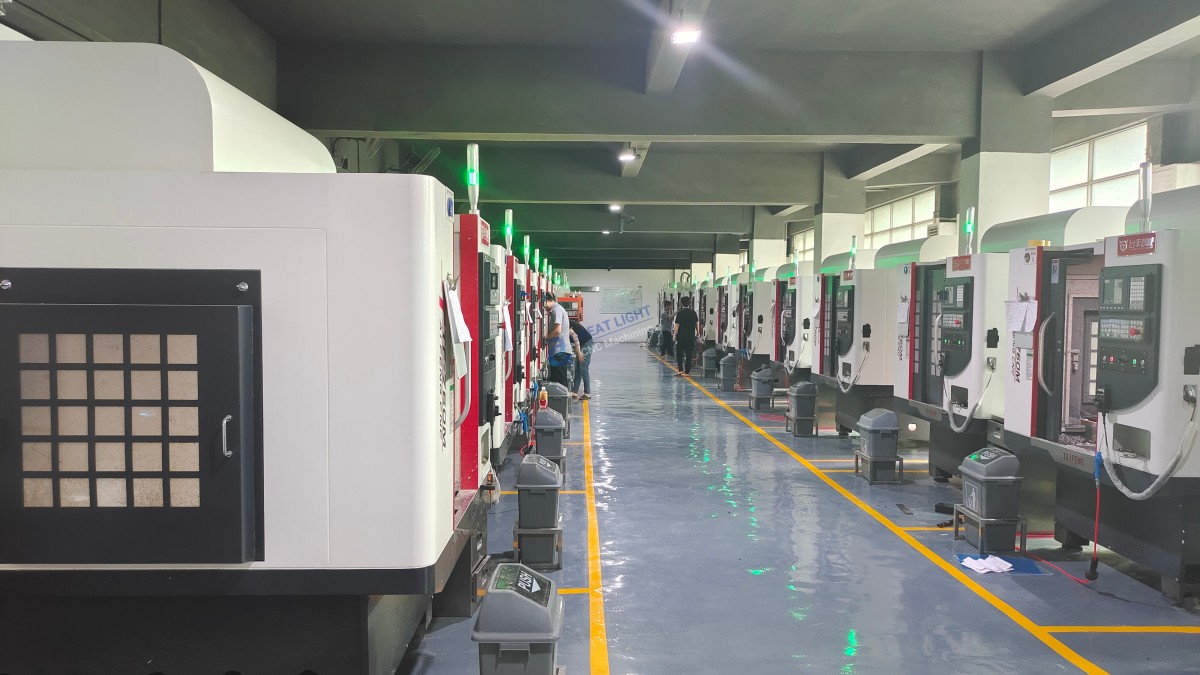
127+ Machines: Includes DMG MORI 5-axis CNC centers and Trumpf fiber lasers capable of ±0.001mm accuracy
Material Versatility: Processes aluminum alloys (6061, 7075), stainless steel (304, 316), titanium, and engineering plastics
2. Certification-Backed Quality
ISO 9001:2015: Ensures adherence to international quality standards
IATF 16949: Automotive-grade process control for zero-defect production
ISO 13485: Medical device compliance for biocompatible materials
3. Full-Process Capability
One-Stop Services: From laser cutting to CNC milling, die casting, and 3D printing (SLM/SLA/SLS)
Rapid Turnaround: 3–5 day prototyping for complex assemblies
IP Protection: ISO 27001-compliant data security for confidential projects
4. Industry-Specific Expertise
Automotive: High-strength steel components for EV battery housings
Aerospace: Titanium alloy brackets with lightweight lattice structures
Medical: Stainless steel surgical instruments with mirror-finish surfaces
Case Study: Automotive E-Housing Manufacturing
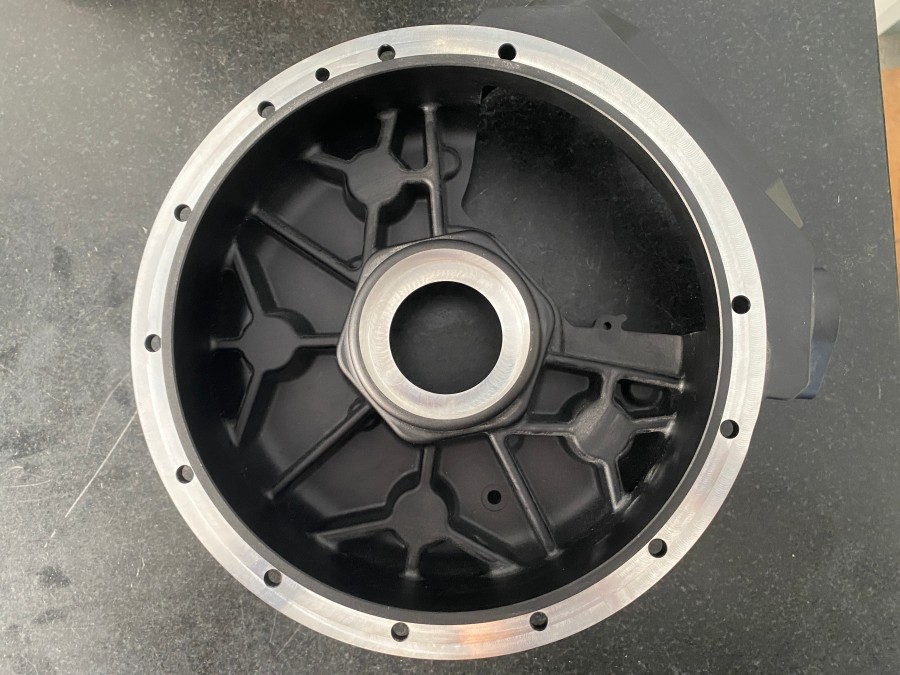
Challenge: A new energy vehicle startup required aluminum E-housings with 0.2mm wall thickness and 20μm surface roughness. Traditional suppliers struggled with thermal distortion.

Solution:
GreatLight deployed fiber laser cutting with nitrogen assist gas
Implemented adaptive cutting parameters via Siemens 840D CNC
Achieved 99.8% first-pass yield with CMM inspection reports
Result: Reduced lead time by 40% and enabled the client to secure $12M in Series B funding.
FAQ: CNC Laser Cutting Insights
Q1: What materials cannot be laser cut?
A: Reflective metals like copper and brass require specialized lasers (e.g., green lasers). Polycarbonate and PVC release toxic fumes and should be avoided.
Q2: How does laser cutting compare to waterjet cutting?
A: Laser cutting offers faster speeds and narrower kerfs (0.1–0.3mm vs. 0.8–1.2mm for waterjet), but waterjet excels in thick materials (>25mm) and heat-sensitive composites.
Q3: What causes edge burrs in laser cutting?
A: Common causes include incorrect focus position, excessive laser power, or improper assist gas flow. GreatLight’s process engineers conduct DOE (Design of Experiments) to optimize parameters.
Q4: Can laser-cut parts be used directly in assembly?
A: While laser cutting achieves net-shape parts, secondary operations like tapping, reaming, or surface finishing may be required for functional surfaces. GreatLight offers in-house deburring and anodizing.
Q5: How does GreatLight ensure data security for proprietary designs?
A: All digital files are encrypted using AES-256 standards and stored in ISO 27001-certified servers. Physical access to production floors is restricted via biometric authentication.
Conclusion: Elevate Your Precision Manufacturing
Mastering CNC laser cutting demands a synergy of operator skill, machine capability, and process control. For businesses seeking to transform complex designs into high-precision components, GreatLight CNC Machining Factory (LinkedIn Profile{:target=”_blank” rel=”noopener noreferrer”}) offers a proven pathway. With its ISO-certified facilities, 5-axis CNC expertise, and full-process integration, GreatLight empowers clients to accelerate innovation while maintaining stringent quality standards.
Choose a partner that doesn’t just meet specifications—but redefines what’s possible.



















