
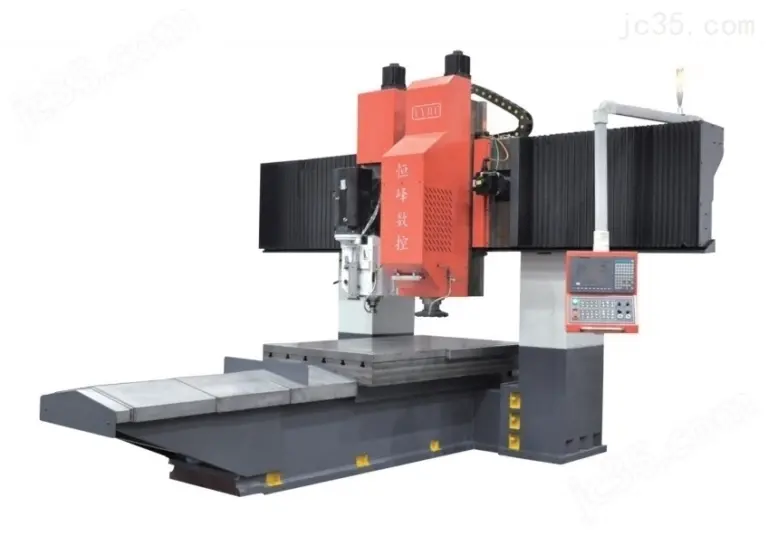
Common Issues and Solutions for Large Gantry Milling Machines
As the technological advancements in manufacturing continue to shape the industry, large gantry milling machines have become an essential tool for transforming complex parts into precision products. These machines are designed for large and robust parts, particularly in the transformation of plans and bevels of large installations into lots and mass production. Their stability and rigidity enable high-precision treatment, especially in planar treatment and hole opening.
However, even with their impressive capabilities, large gantry milling machines are not immune to issues that can arise during use. As such, it is crucial to address these problems promptly to ensure efficient treatment and product quality. In this article, we will delve into five common issues and offer practical solutions to help you overcome them.
Issue 1: Machining Precision is Not High
Low machining precision can be frustrating, and it’s often a result of poor tool management or inadequate processing technology. To resolve this issue, start by inspecting the tool for signs of wear and tear. Ensure the rails are clean and well-lubricated to prevent excessive vibration and ensure smooth movement. Adjust the cutting settings to guarantee optimal cutting speed, power, and cutting depth.
Issue 2: Rough Surface of the Room
A rough surface can be caused by cutting parameters or worn-out tools. To troubleshoot this issue, verify that the cutting speed, cutting depth, and power speed are appropriate for the specific task at hand. Regularly inspect the cutting tools for signs of wear and replace them promptly to maintain sharpness. This will save time and material, while also ensuring accurate results.
Issue 3: Unstable Operation
Unstable operation can stem from loose parts or poor lubrication. To prevent this, conduct regular checks on all components to ensure proper tightening. Maintain a clean environment and adhere to the recommended lubrication schedule to prevent corrosion and wear.
Issue 4: Excessive Treatment Noise
Excessive noise can be attributed to tool wear, poor lubrication, or inadequate processing parameters. To address this, inspect the wear on each component and maintain optimal lubrication. Adjust the processing parameters to ensure stable operation and reduced vibration.
Issue 5: Tool Breakage
Tool breakage can be caused by poor setting, quality issues, or vibrations during the cut. To mitigate this, verify the cutting settings, select high-quality tools, and ensure correct installation. Reduce vibrations during cutting by adjusting the processing parameters and maintaining a stable machine.
Maintenance is Key to Preventing Problems
Proper maintenance is crucial to preventing issues with large gantry milling machines. Regular inspections and timely replacement of worn parts can go a long way in ensuring smooth operation and optimal results. Additionally, regular operator training and adjustments to processing parameters can help prevent problems and ensure efficient production.
Conclusion
Large gantry milling machines are powerful tools that require precise maintenance and operation to deliver high-quality results. By understanding the common issues and solutions outlined in this article, machine operators can proactively address potential problems and optimize performance. Remember, regular maintenance, proper tool management, and efficient processing parameters are essential for successful operation and product quality. With the right strategies and techniques, large gantry milling machines can realize their full potential and help transform complex parts into precision products.
Image: [Insert image of a large gantry milling machine]
This article was written by [AI scratch] and edited by [AI scratch].



















