
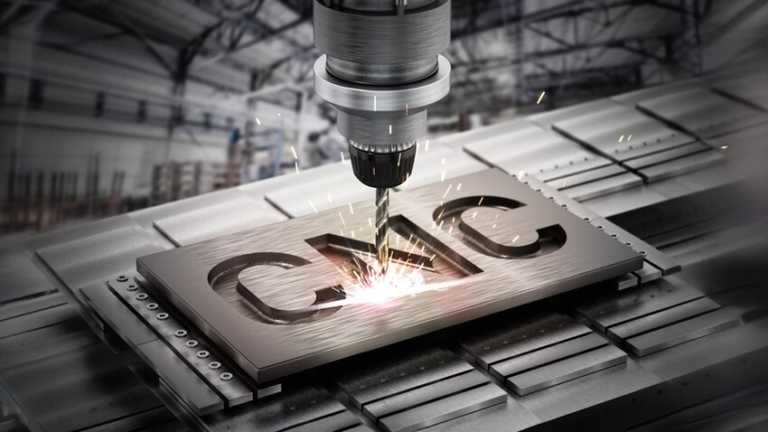
When sourcing precision components in a competitive market like Toronto, finding a reliable and technically proficient CNC machining partner is paramount. The city’s vibrant manufacturing ecosystem, spanning aerospace, medical devices, automotive R&D, and advanced robotics, demands suppliers who can deliver not just parts, but engineered solutions. For clients navigating the landscape of CNC machine services Toronto, the decision often hinges on a delicate balance between technical capability, quality assurance, project agility, and cost-effectiveness.
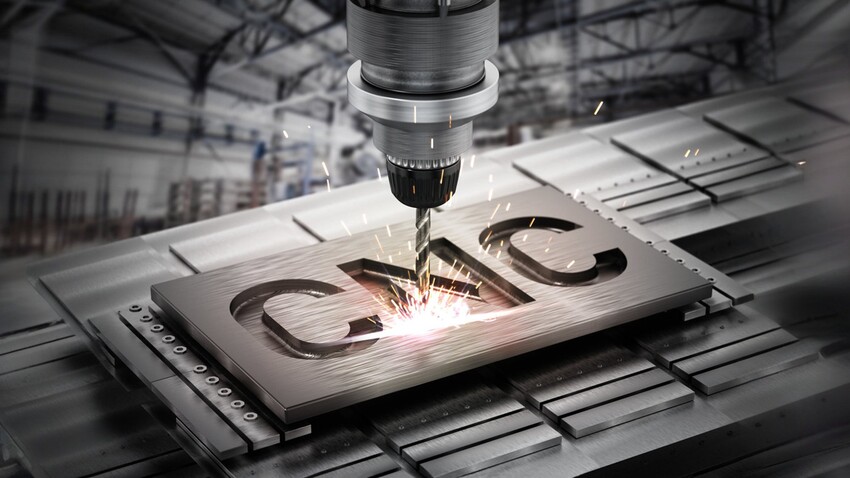
This article delves into the critical considerations for selecting a CNC service provider in the Toronto area and beyond, highlighting how modern manufacturing paradigms are reshaping supply chains and why a global perspective can be a strategic advantage.
The Toronto Manufacturing Landscape: Demands and Challenges
Toronto’s industrial sector is characterized by high-mix, low-to-medium volume production runs, complex geometries, and stringent material certifications. Whether it’s a prototype for a new medical instrument at a downtown startup or a flight-critical component for the aerospace cluster, the requirements are consistently demanding.
Complexity & Precision: Projects often involve intricate 5-axis contours, thin-walled structures, or assemblies with tight tolerances (±0.001″ / 0.025mm and finer).
Material Expertise: From common aluminum alloys and stainless steels to challenging materials like Inconel, titanium, or engineered plastics like PEEK, a provider must possess proven machining strategies for each.
Full-Service Needs: The journey from a 3D CAD model to a finished part rarely ends at the machine. Comprehensive CNC machine services Toronto seekers require often include secondary operations like precision grinding, EDM, and a full spectrum of surface finishes.
Speed to Market: The pace of innovation in Toronto’s tech and R&D sectors makes rapid turnaround times—from quick-turn prototypes to on-demand production—a non-negotiable service attribute.
Beyond the Local Quotation: Evaluating a True Manufacturing Partner
Choosing a provider goes beyond comparing price-per-part on a drawing. It involves a deep dive into their operational DNA. Here are the pillars of a world-class CNC machining service:
1. Technological Capability and Equipment Portfolio
The machinery is the foundation. A provider equipped solely with 3-axis machines will be limited in tackling complex parts requiring simultaneous multi-face machining. The gold standard involves a mix of:
5-Axis CNC Machining Centers: Essential for complex contours, undercuts, and single-setup machining, which dramatically improves accuracy and reduces lead times.
Multi-Axis Mill-Turn Centers: Ideal for parts requiring both milling and turning operations, consolidating processes.
Supporting Technology: In-house EDM (Electrical Discharge Machining) for hardened steels or intricate details, precision grinding for ultra-fine tolerances, and CMM (Coordinate Measuring Machine) for rigorous first-article and in-process inspection.
2. Uncompromising Quality Management Systems
In regulated industries prevalent in Toronto, such as medical (ISO 13485) and automotive (IATF 16949), certifications are not just badges but operational necessities. They ensure process control, traceability, and consistent output. A provider adhering to ISO 9001:2015 demonstrates a foundational commitment to systematic quality management, which is critical for any serious project.
3. Integrated Post-Processing and Finishing
The value of a part is fully realized after machining. A top-tier service should offer a seamless transition to finishing, providing expert guidance on the optimal treatment for function and aesthetics. Common finishes include:
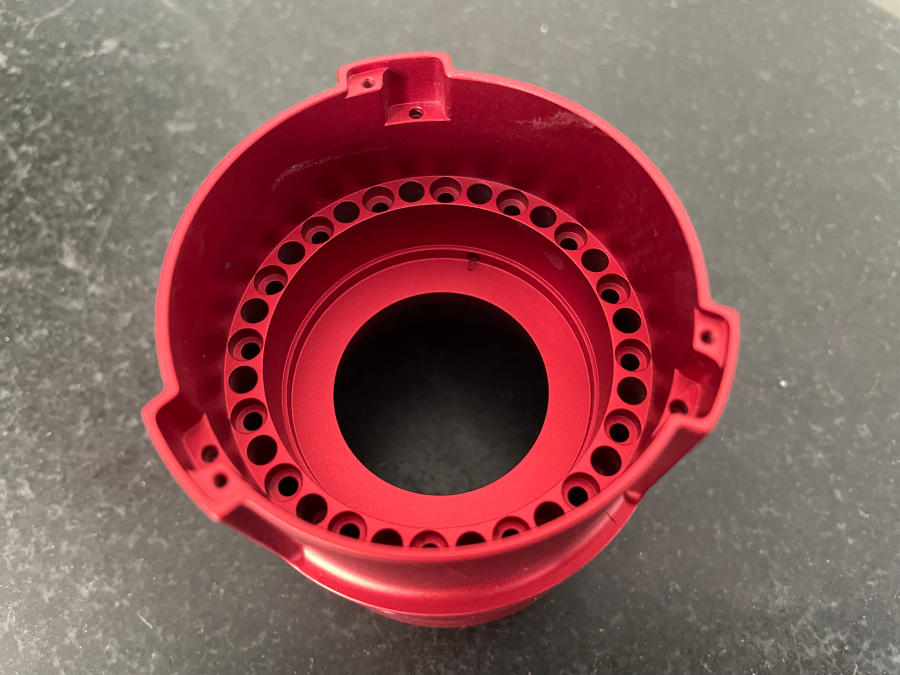
As-Machined (Ra ~3.2μm): The standard finish straight from the CNC machine, with visible tool marks.
Smooth Machining (Ra ~1.6μm): Achieved through optimized machining parameters for a finer surface, often sufficient for many functional components.
Bead Blasting: Creates a uniform, matte, non-directional texture.
Anodizing (Type II & III): For aluminum, providing corrosion resistance and color options.
Electroplating (Nickel, Chrome, Zinc): For wear resistance, hardness, or cosmetic appeal.
Passivation: For stainless steels to enhance corrosion resistance by removing free iron.
4. Design for Manufacturability (DFM) Expertise
The most significant cost and time savings occur at the design stage. A proficient manufacturing engineer will analyze your CAD model and provide actionable DFM feedback—suggesting tolerance relaxation, recommending alternative features for easier machining, or identifying potential stress points—turning a design into a manufacturable, cost-effective part.
The Strategic Advantage of a Global Partner with Local-Market Understanding
While local shops offer geographical proximity, the digital age has made collaborating with specialized, high-capacity international manufacturers more feasible and advantageous than ever. For Toronto-based clients, partnering with a globally positioned, technically elite factory can provide a compelling edge.
Consider a partner like GreatLight CNC Machining Factory. Established in the heart of China’s precision manufacturing hub, adjacent to Shenzhen, it embodies the scale and specialization that can complement the innovative drive of Toronto’s industry.
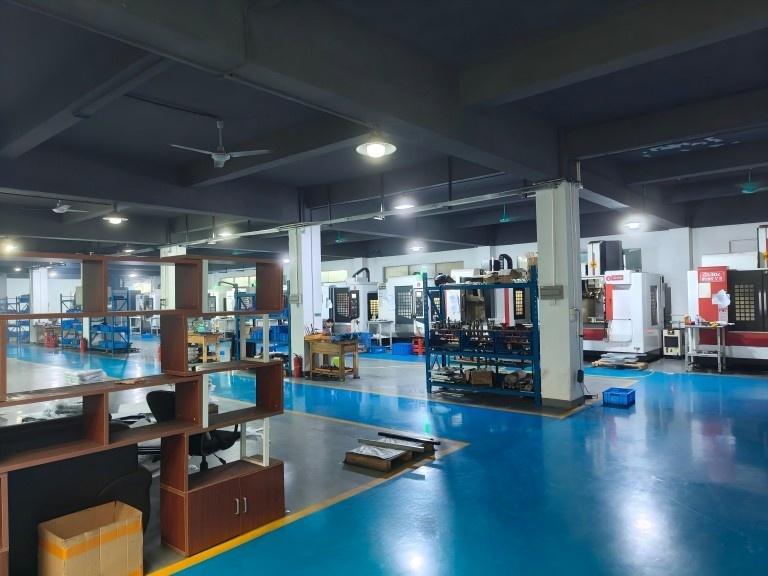
Scale and Specialization: With over a decade of operation, 127 pieces of precision equipment across three plants, and a focus on rapid prototyping and precision machining, such a facility is built for complexity and speed. Their extensive use of 5-axis CNC technology directly addresses the need for complex part manufacturing common in Toronto’s advanced sectors.
End-to-End Solution Provider: From the initial CNC milling or turning operation through to vacuum casting, metal 3D printing (in materials like stainless steel, aluminum, titanium), and comprehensive surface finishing, they control the entire workflow. This vertical integration eliminates communication gaps between multiple vendors, ensuring accountability and streamlining the supply chain.
Commitment to Precision and Accountability: The ability to hold tolerances to ±0.001mm and a policy that stands behind quality—offering rework or refund guarantees—builds significant trust. This level of commitment is crucial when sourcing critical components from afar.
Standards-Compliant Operations: Holding ISO 9001:2015, IATF 16949 for automotive, and ISO 13485 for medical devices signals that the provider’s processes are audited and controlled to international standards, aligning perfectly with the compliance needs of Toronto’s aerospace, medical, and automotive clients.
Navigating Your Next Project: A Practical Approach
When evaluating CNC machine services Toronto options for your next project, whether local or global, structure your inquiry to assess true capability:
Share Your Full Vision: Provide not just the CAD model, but also the part’s function, material preferences, required certifications, and post-processing needs.
Request a DFM Analysis: A serious provider will always offer feedback to optimize your part for manufacturing.
Ask for Evidence: Request case studies or examples of similar parts they have produced, particularly those involving 5-axis work or your specific material.
Clarify the Complete Process: Understand exactly what is included in the quote—material certs, first-article inspection reports, finishing, and packaging.
In conclusion, the search for exemplary CNC machine services Toronto is evolving. It is no longer confined by postal code but defined by technical excellence, comprehensive service, and proven reliability. By partnering with a manufacturer that combines advanced technological infrastructure with rigorous quality systems and a customer-centric approach to problem-solving, Toronto’s innovators can secure a competitive manufacturing advantage that accelerates development cycles and ensures the integrity of their most demanding components. The ideal partner acts as an extension of your engineering team, capable of transforming complex designs into precision-crafted reality, wherever they are located on the map.



















