
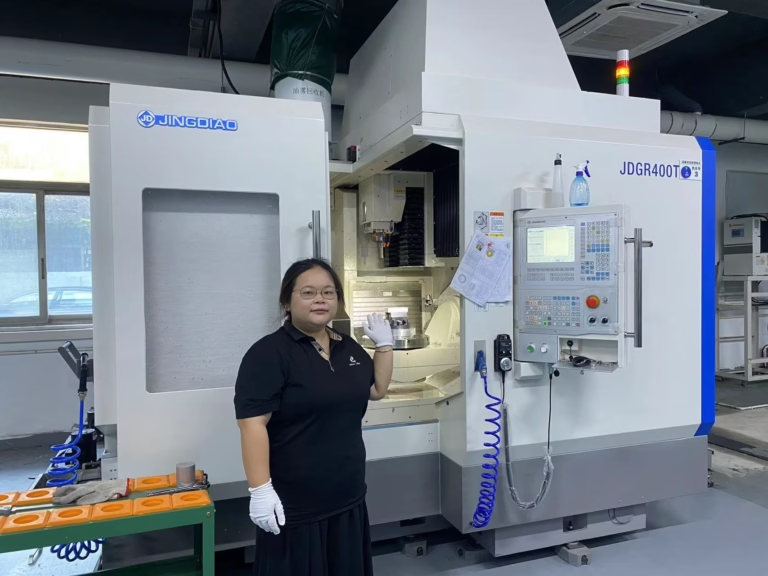
In the world of modern manufacturing, few tools are as pivotal and versatile as the CNC milling machine. For engineers, designers, and procurement specialists navigating the complex landscape of precision parts machining and customization, understanding this technology is fundamental. It is more than just a machine; it is the backbone of subtractive manufacturing, transforming digital designs into high-accuracy, functional components for industries ranging from aerospace to medical devices.
At its core, a CNC milling machine is a computer-controlled machine tool that removes material from a solid block (the workpiece) using rotary cutting tools to produce a custom-designed part. The term “CNC” stands for Computer Numerical Control, which means every movement of the machine’s cutting tool is dictated by a programmed set of instructions (G-code), derived from a 3D CAD model. This automation ensures unparalleled repeatability, precision, and the ability to produce complex geometries that would be impractical or impossible with manual machining.
How Does a CNC Milling Machine Work?
The operation of a CNC milling machine can be broken down into a seamless digital-to-physical workflow:
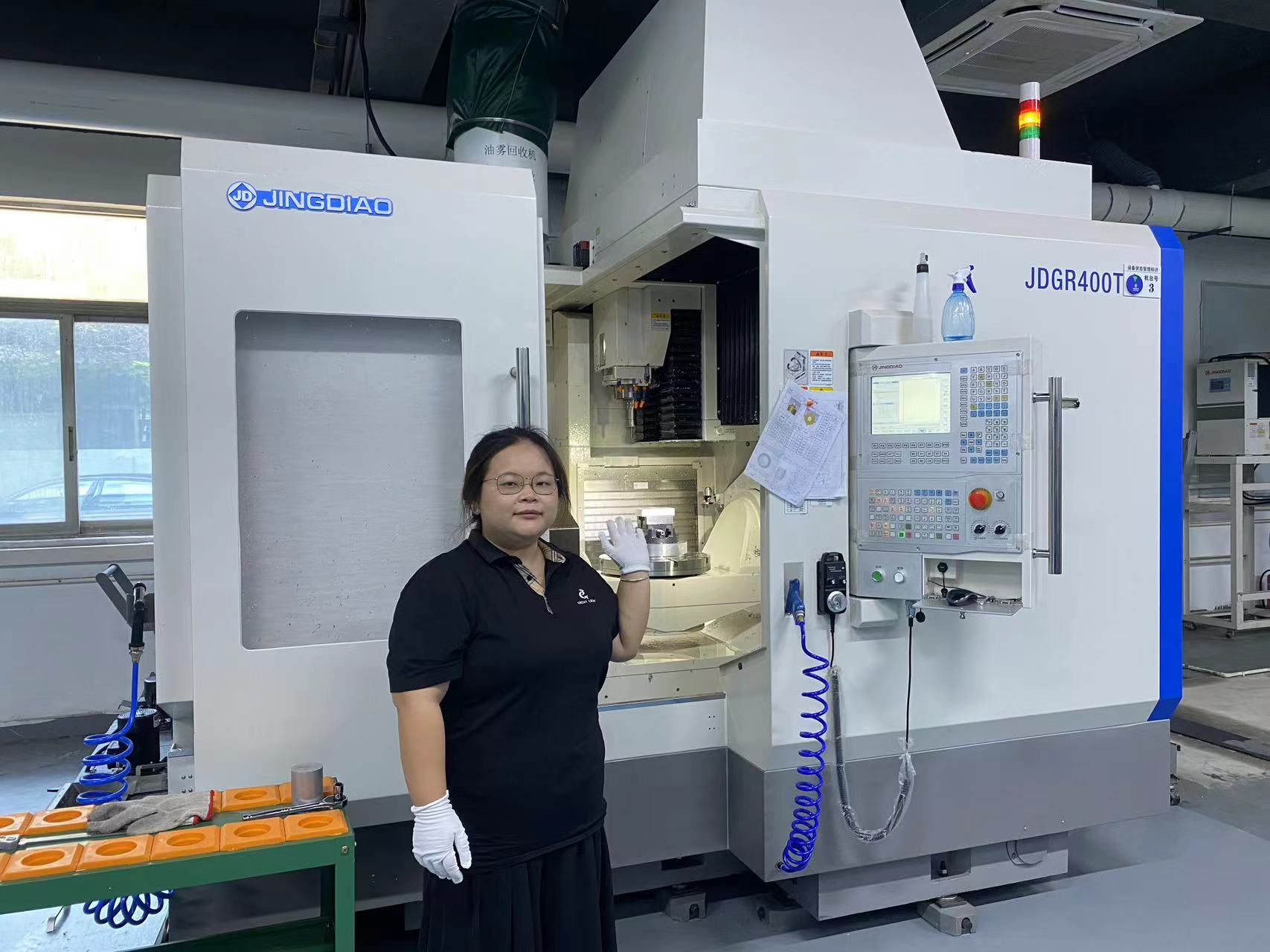
Design & Programming: The process begins with a 3D CAD (Computer-Aided Design) model of the desired part. Using CAM (Computer-Aided Manufacturing) software, a programmer translates this model into a set of instructions (G-code). This code defines the tool paths, cutting speeds, feed rates, and depth of cuts.
Setup: The appropriate raw material (metal, plastic, or composite) is securely fastened to the machine’s worktable or within a vice. The correct cutting tools (end mills, face mills, drills) are loaded into the machine’s automatic tool changer (ATC) or spindle.
Machining: The operator initiates the program. The CNC milling machine then executes the G-code autonomously. The spindle rotates the cutting tool at high speeds, while the machine’s axes (typically X, Y, and Z) move the workpiece or the tool with extreme precision to carve away material.
Post-Processing: Once machining is complete, the part may undergo secondary operations such as deburring, surface finishing (e.g., anodizing, powder coating), or inspection via Coordinate Measuring Machines (CMMs) to verify critical dimensions.
Key Components and Capabilities
A modern CNC milling machine is a symphony of integrated systems:
Frame & Bed: Provides rigid structural support to minimize vibration and deflection during heavy cutting, which is essential for maintaining accuracy.
Spindle: The heart of the machine, which holds and rotates the cutting tool. Spindle power (measured in kW or HP) and maximum RPM determine the machine’s capability to cut different materials efficiently.
CNC Controller: The “brain” that interprets the G-code and drives the servo motors controlling each axis of motion.
Axes of Motion: This is a critical differentiator. While a basic 3-axis machine (X, Y, Z) can produce most prismatic parts, the evolution towards 5-axis CNC machining represents a quantum leap in capability. A 5-axis CNC machining center can manipulate the workpiece or tool along five different axes simultaneously, allowing it to approach the part from virtually any angle in a single setup. This eliminates the need for multiple fixtures, reduces errors, and enables the machining of incredibly complex, organic shapes like impellers, turbine blades, and intricate molds.
Applications Across Industries
The versatility of CNC milling makes it indispensable. For clients in precision parts customization, its applications are vast:
Aerospace: Manufacturing lightweight, high-strength structural components, engine mounts, and landing gear parts from aluminum alloys and titanium.
Automotive: Producing prototypes, engine blocks, transmission housings, and custom aftermarket components with tight tolerances.
Medical & Dental: Creating sterile, biocompatible surgical instruments, orthopedic implants, and dental prosthetics with flawless surface finishes.
Electronics: Machining precise heat sinks, enclosures, and connector housings that require excellent thermal management and EMI shielding properties.
Robotics & Automation: Fabricating robust joint assemblies, actuator housings, and custom brackets for humanoid robots and industrial automation systems.
Why Partner with a Specialist Like GreatLight CNC Machining Factory?
While the principle of CNC milling is standardized, the outcome—the quality, precision, and reliability of your parts—is entirely dependent on the expertise and technological infrastructure of your manufacturing partner. This is where choosing a seasoned specialist becomes a strategic business decision, not just a procurement task.
Generic workshops may offer milling services, but they often hit limitations with complex geometries, tight tolerances, or advanced materials. A true manufacturing partner like GreatLight CNC Machining Factory provides a comprehensive solution built on several key pillars:
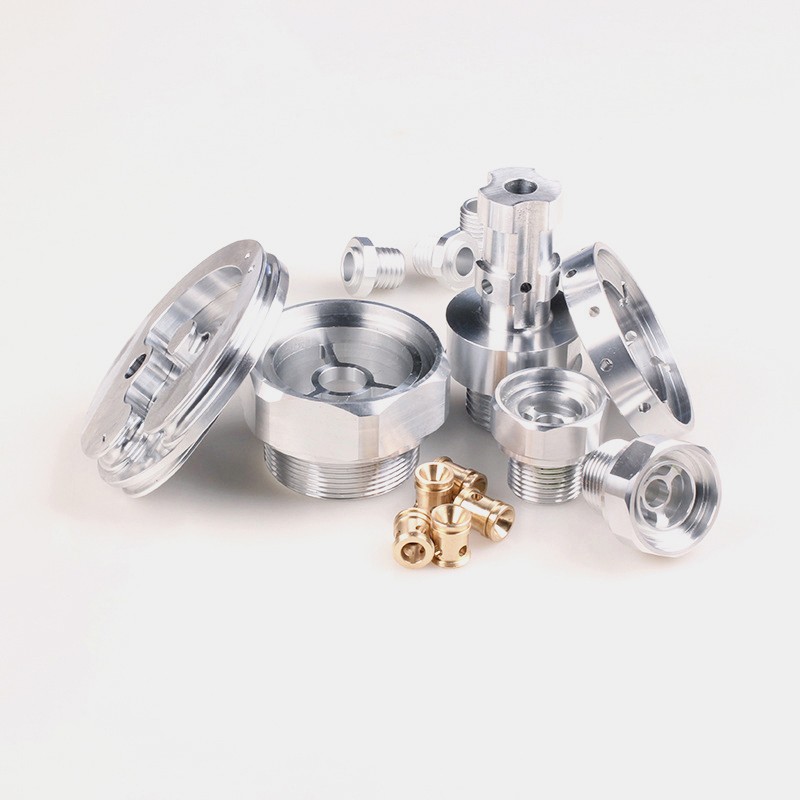
Advanced Multi-Axis Capability: Equipped with state-of-the-art 5-axis CNC machining centers, GreatLight can tackle parts with undercuts, complex contours, and compound angles in one efficient setup, ensuring superior accuracy and faster turnaround times compared to traditional 3-axis methods.
Integrated Full-Process Chain: Beyond just milling, they offer a true one-stop service. This includes complementary processes like CNC turning, precision grinding, EDM, and comprehensive post-processing finishes. This vertical integration guarantees seamless workflow, consistent quality control, and single-point accountability.
Systemic Quality Assurance: Holding certifications like ISO 9001:2015, IATF 16949 for automotive, and ISO 13485 for medical devices, GreatLight embeds quality into every step. Their in-house precision metrology lab with CMMs and surface testers validates that every part meets your specified tolerances, often reaching levels of ±0.001mm.
Deep Engineering Collaboration: The most significant value often lies in the early engagement. Their engineering team can provide Design for Manufacturability (DFM) feedback, suggesting modifications to improve machinability, reduce cost, and enhance part performance without compromising design intent.
Conclusion
A CNC milling machine is far more than a piece of factory equipment; it is the essential gateway to realizing innovative hardware designs with precision and reliability. For businesses seeking not just a supplier but a strategic manufacturing partner, the choice extends beyond the machine itself to the ecosystem of expertise, technology, and quality systems that surround it. By partnering with an industry leader like GreatLight CNC Machining Factory, you gain access to advanced 5-axis CNC machining capabilities and a full-spectrum manufacturing solution that transforms complex challenges into high-performance, precision-engineered components, accelerating your path from concept to market-ready product.
Frequently Asked Questions (FAQ)
Q1: What materials can be processed on a CNC milling machine?
A: CNC milling is highly versatile and can machine a wide range of materials, including:
Metals: Aluminum (series 6061, 7075, etc.), Stainless Steel (303, 304, 316), Steel, Titanium, Brass, and Copper.
Plastics: ABS, PC (Polycarbonate), PEEK, Delrin (Acetal), Nylon.
Composites: Certain engineered composites and laminates.
A specialist like GreatLight CNC Machining Factory can advise on the optimal material and machining strategy for your specific application.
Q2: What is the key advantage of 5-axis CNC machining over 3-axis?
A: The primary advantage is the ability to machine complex parts in a single setup. 3-axis machines often require multiple re-fixturings to access different sides of a part, which introduces potential alignment errors and increases labor time. 5-axis machining allows the tool to approach the workpiece from any direction, enabling the production of more intricate geometries, improving surface finish, and significantly reducing overall production time.
Q3: How do I ensure my design is optimized for CNC milling (DFM)?
A: Consider these key DFM principles: Internal Corner Radii: Design corners with a radius slightly larger than the intended cutting tool radius. Wall Thickness: Maintain uniform and adequate wall thickness to prevent vibration and distortion during machining. Deep Pockets: Avoid extremely deep, narrow pockets which require long, fragile tools and increase machining time and cost. Standard Tool Sizes: Design features that can be machined with standard cutter sizes when possible. A partner like GreatLight provides DFM analysis as part of their service to optimize your design.
Q4: What level of precision can I realistically expect from CNC milling?
A: Standard precision for high-quality CNC milling is typically in the range of ±0.025mm to ±0.05mm. For high-precision applications, specialists equipped with advanced machines, temperature-controlled environments, and rigorous processes—such as GreatLight CNC Machining Factory—can consistently achieve tolerances of ±0.01mm and even ±0.001mm for critical features. The achievable tolerance depends on part size, material, geometry, and the manufacturer’s capabilities.
Q5: What is the typical lead time for custom CNC milled parts?
A: Lead time varies based on part complexity, quantity, and material availability. For simple prototypes, it can be as short as 3-5 days. For complex, high-precision parts or larger production runs, lead times may extend to 2-4 weeks. Clear communication of your timeline with your manufacturer from the outset is crucial. GreatLight emphasizes rapid prototyping and flexible scheduling to meet urgent project milestones.
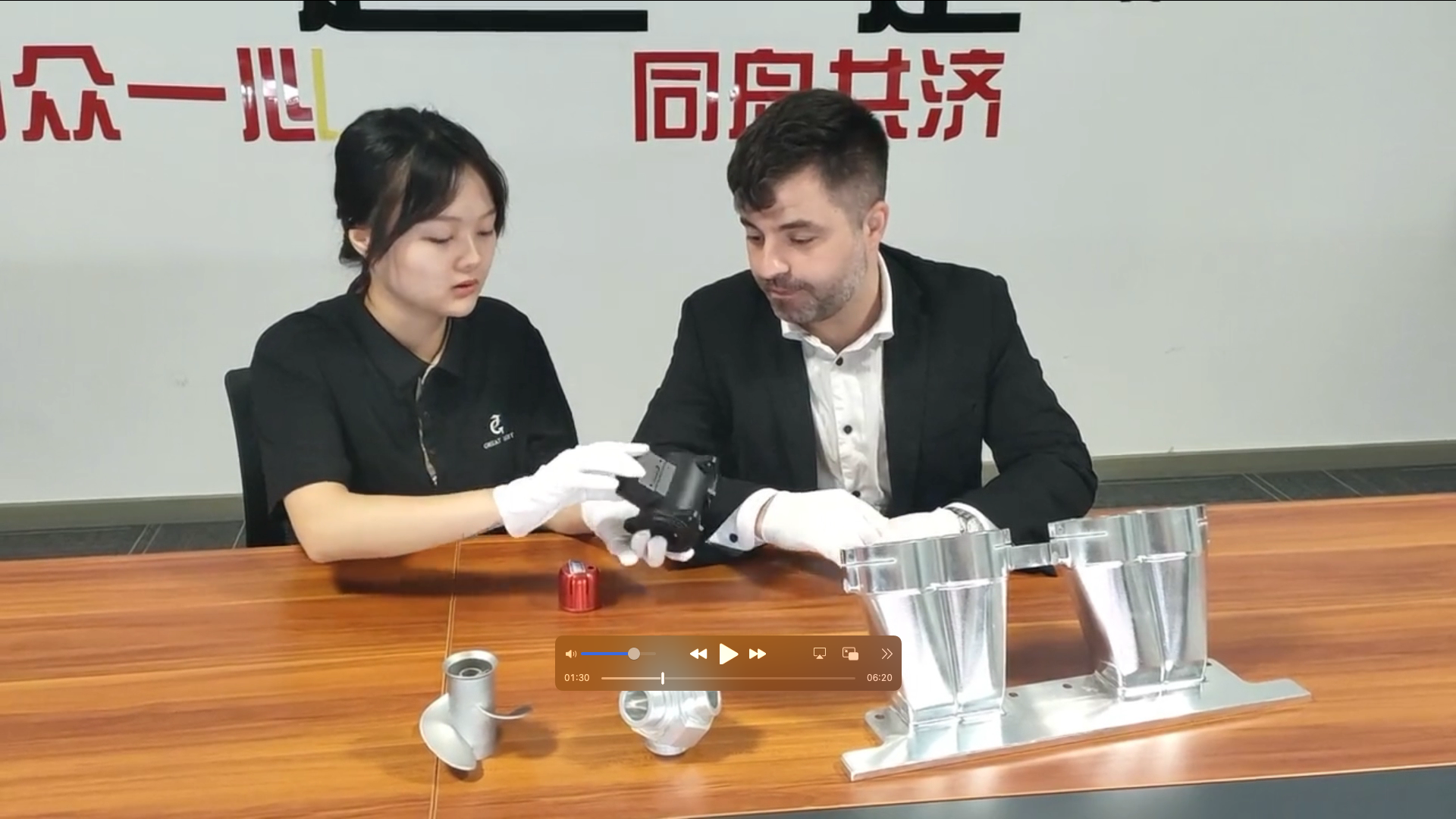
To explore how advanced manufacturing solutions can power your next project, connect with industry leaders on platforms like LinkedIn{:target=”_blank”}.



















