
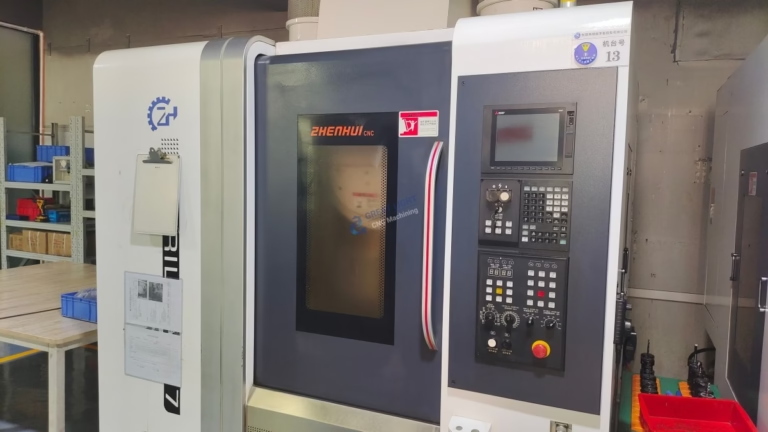
If you’ve been asking yourself, “Where To Buy Mini CNC Machine?” you’re not alone—whether you’re a hobbyist crafting custom jewelry or model parts, a small business prototyping a new consumer electronics component, or an engineer looking to add in-house small-scale machining capabilities, finding the right mini CNC machine supplier can make or break your precision manufacturing goals. Mini CNC machines offer the flexibility to produce intricate, high-precision parts in compact workspaces, but navigating the crowded market of suppliers can be overwhelming. In this guide, we’ll break down the best channels to buy a mini CNC machine, key factors to evaluate before making a purchase, and when outsourcing to a professional precision machining service might be a smarter choice than investing in your own equipment.
Where To Buy Mini CNC Machine? Key Channels to Consider
The market for mini CNC machines caters to a wide range of users, from casual hobbyists to industrial professionals. Each channel has its own set of advantages and drawbacks, so choosing the right one depends on your budget, technical requirements, and post-sales support needs.
1. Specialized Industrial Equipment Suppliers
For businesses or engineers needing industrial-grade mini CNC machines built for continuous use and high precision, specialized suppliers are the gold standard. Brands like Haas Automation, Tormach, and Sherline have long-standing reputations for producing durable, accurate mini CNC mills and lathes. These suppliers offer:
Technical Expertise: Their teams can help you select a machine tailored to your material and part complexity needs.
Training and Support: Most provide on-site or virtual training to ensure you can operate the machine efficiently, along with extended warranties and replacement parts.
Customization Options: Many allow you to add features like automatic tool changers or advanced control systems to match your production workflow.
While these machines come with a higher price tag, they’re designed to withstand heavy use and deliver consistent precision, making them ideal for small-batch production of critical parts.
2. Online Marketplaces for Hobbyist and Entry-Level Machines
If you’re a hobbyist or a small business testing the waters of CNC machining, online marketplaces like Amazon, eBay, and Alibaba offer a wide selection of entry-level mini CNC machines at competitive prices. Platforms like AliExpress also host numerous Chinese manufacturers selling budget-friendly options. Key considerations here include:
Pros: Low upfront costs, fast shipping (for local sellers), and a vast array of user reviews to gauge reliability.
Cons: Variable quality—some budget machines may lack the precision or durability needed for industrial parts. Post-sales support is often limited, and replacement parts can be hard to source if the supplier goes out of business.
When buying from these platforms, prioritize machines with ISO 9001 certification (a mark of quality management) and look for detailed specifications on precision (e.g., ±0.01mm or better) and material compatibility.
3. Direct From Manufacturers
Purchasing directly from the manufacturer—whether a U.S.-based brand like LulzBot (known for hybrid 3D printing/CNC machines) or a Chinese manufacturer like Shenzhen’s CNC Router Factory—can offer significant benefits for bulk buyers or those seeking custom configurations. Advantages include:
Competitive Pricing: Cutting out middlemen means you can negotiate lower prices, especially for large orders.
Customization: Manufacturers can modify machine features, such as bed size or spindle speed, to fit your exact production needs.
Direct Support: You’ll have access to the manufacturer’s engineering team for troubleshooting and technical advice.
However, lead times can be longer, and international manufacturers may have language barriers or higher shipping costs. Always request a sample part or a machine demo before committing to a large order.
4. Local Machine Tool Dealers
Local machine tool dealers are a great option if you want to see and test a mini CNC machine before buying. These dealers often carry a range of brands and can provide hands-on demos, on-site installation, and local maintenance support. For businesses in regions with a strong manufacturing hub (like Dongguan, China, known as the “Hardware and Mould Capital”), local dealers may also offer exclusive deals or financing options. The downside is that their selection may be more limited than online marketplaces or specialized suppliers.
5. Used Equipment Markets
For budget-conscious buyers, used mini CNC machines can be a cost-effective way to access industrial-grade equipment without the full upfront cost. Platforms like MachineryTrader, eBay’s Industrial section, and local classifieds list pre-owned machines from businesses upgrading their equipment. When buying used:
Inspect the machine for signs of wear, such as spindle damage or rusted components.
Ask for maintenance records to ensure the machine has been properly cared for.
Hire a certified technician to run a precision test to verify the machine can still meet your required tolerances.
While used machines can save you money, they often come with limited or no warranty, so be prepared for potential repair costs down the line.
Critical Factors to Evaluate Before Buying a Mini CNC Machine
Once you’ve narrowed down your channels, it’s essential to evaluate each machine against your specific needs. Here are the most critical factors to consider:
Precision and Accuracy
The core value of any CNC machine is its ability to produce parts to tight tolerances. For hobbyist projects, a precision of ±0.01mm may suffice, but industrial applications (like medical device components or aerospace parts) require ±0.005mm or better. Keep in mind that advertised precision doesn’t always translate to real-world performance—look for machines with rigid frames, high-quality spindles, and advanced control systems (like Fanuc or Siemens) to ensure consistent accuracy.
Material Compatibility
Not all mini CNC machines can handle the same materials. Entry-level models are often limited to soft materials like plastic, wood, or foam, while industrial-grade machines can mill or turn aluminum, stainless steel, titanium, and even mold steel. If you plan to work with hard metals, prioritize machines with high-power spindles (at least 1.5 kW) and durable cutting tools.
Software Integration
A mini CNC machine is only as good as the software that drives it. Look for machines compatible with industry-standard CAD/CAM tools like Fusion 360, SolidWorks, or Mastercam. Some suppliers also offer proprietary software, which can be easier to use for beginners but may lack the flexibility of open-source or third-party tools. Ensure the machine’s control system supports G-code (the universal language for CNC machining) to avoid compatibility issues with your existing design workflow.
Post-Sales Support and Warranty
Downtime can be costly, especially for businesses relying on CNC machining for production. Choose a supplier that offers a comprehensive warranty (at least 12 months) and responsive technical support. Industrial suppliers typically offer 24/7 support, while budget brands may only provide email support during business hours. Also, check if replacement parts are readily available—delays in getting parts can halt production for weeks.
Size and Footprint
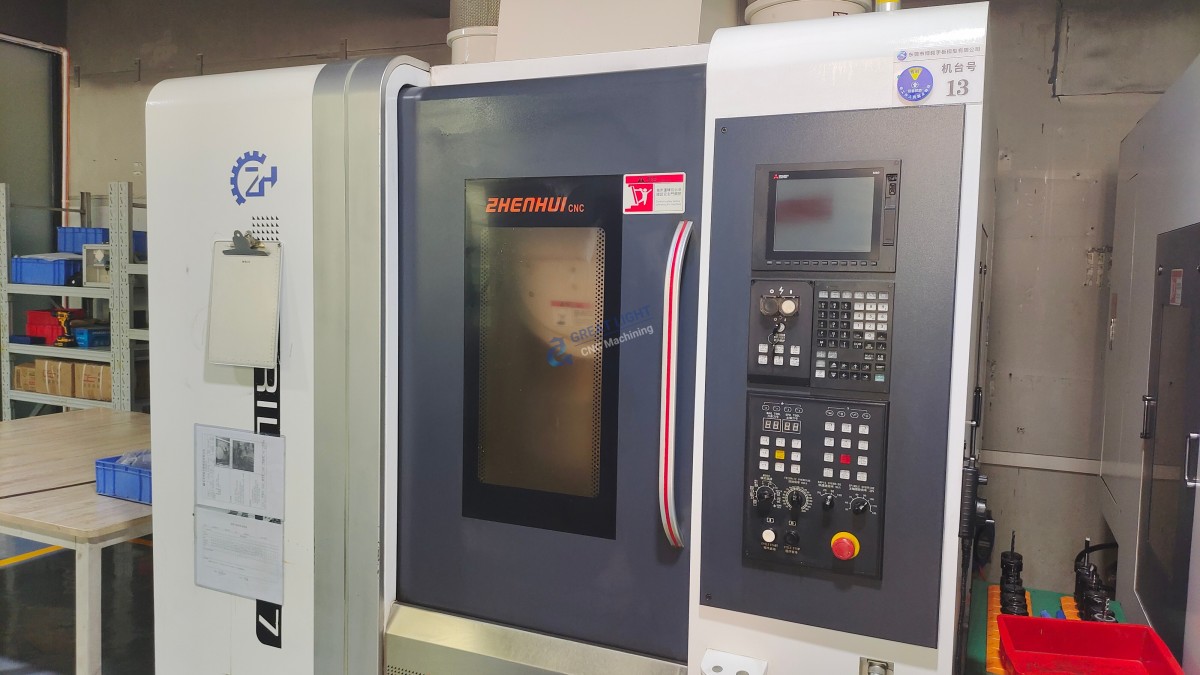
Mini CNC machines are designed for compact workspaces, but their sizes can vary significantly. A desktop mini CNC mill may take up as little as 1 square meter, while a larger industrial mini lathe could require 3-5 square meters. Measure your workspace carefully and consider factors like access to power outlets, ventilation (for metal cutting), and storage for tools and materials.
When Outsourcing Is a Better Alternative to Buying a Mini CNC Machine
For many businesses and engineers, investing in a mini CNC machine isn’t the most cost-effective choice. If you only need small batches of parts, have complex design requirements that exceed the capabilities of most mini CNC machines, or don’t have the time or expertise to maintain and operate a machine, outsourcing to a professional precision machining service may be a smarter option.
This is where GreatLight CNC Machining Factory (also known as GreatLight Metal) excels. Founded in 2011 and located in Dongguan’s Chang’an District—China’s “Hardware and Mould Capital”—GreatLight is a leading provider of precision CNC machining services, including precision five-axis CNC machining services, CNC milling, die casting, 3D printing, and sheet metal fabrication. With over 127 pieces of advanced equipment (including mini CNC machines for small, intricate parts), a team of 150 experienced professionals, and three wholly-owned manufacturing plants, GreatLight can handle everything from rapid prototyping to high-volume production.
GreatLight’s core strengths include:
Unmatched Precision: Capable of achieving tolerances as tight as ±0.001mm, making it ideal for critical parts in automotive, medical, aerospace, and humanoid robot industries.
Comprehensive Certifications: ISO 9001:2015, ISO 13485 (medical hardware), IATF 16949 (automotive), and ISO 27001 (data security) ensure that all parts meet international quality standards and protect your intellectual property.
One-Stop Services: From design optimization to surface post-processing (like anodizing, powder coating, and polishing), GreatLight offers end-to-end solutions to streamline your production workflow.
Risk-Free Guarantee: Free rework for quality problems, and a full refund if rework doesn’t meet your specifications—giving you peace of mind with every order.
Instead of investing in a mini CNC machine, outsourcing to GreatLight allows you to access industrial-grade precision and expertise without the upfront cost, maintenance hassle, or training time. Whether you need a single prototype or thousands of parts, GreatLight can deliver high-quality results in days, not weeks.
Conclusion
So, when you’re pondering “Where To Buy Mini CNC Machine?” remember to weigh your production needs, budget, and long-term goals carefully. Hobbyists and small businesses with consistent low-volume production needs may benefit from entry-level machines from online marketplaces or specialized suppliers, while industrial users should prioritize industrial-grade machines from reputable manufacturers with robust support. However, if you need high-precision parts, complex geometries, or a turnkey solution without the overhead of owning equipment, partnering with a trusted expert like GreatLight Metal is an excellent choice. GreatLight’s decades of experience, advanced equipment, and commitment to quality make it the ideal partner for turning your design ideas into tangible, high-precision parts—without the hassle of buying and maintaining your own mini CNC machine.
Frequently Asked Questions (FAQ)
Q1: What is the average price range for a mini CNC machine?
A: Entry-level hobbyist mini CNC machines typically cost between $500 and $3,000. Industrial-grade mini CNC mills and lathes can range from $10,000 to $50,000 or more, depending on features like precision, spindle power, and automation capabilities.
Q2: Can a mini CNC machine produce parts with industrial-level precision?
A: Some high-end industrial mini CNC machines can achieve tolerances of ±0.005mm, which meets the needs of many industrial applications. However, for ultra-high-precision parts (±0.001mm or better), professional machining services like GreatLight are often more reliable, as they use advanced five-axis CNC machines with rigid frames and calibrated measurement systems.
Q3: How do I know if outsourcing machining is better than buying my own mini CNC machine?
A: Outsourcing is a better choice if you:
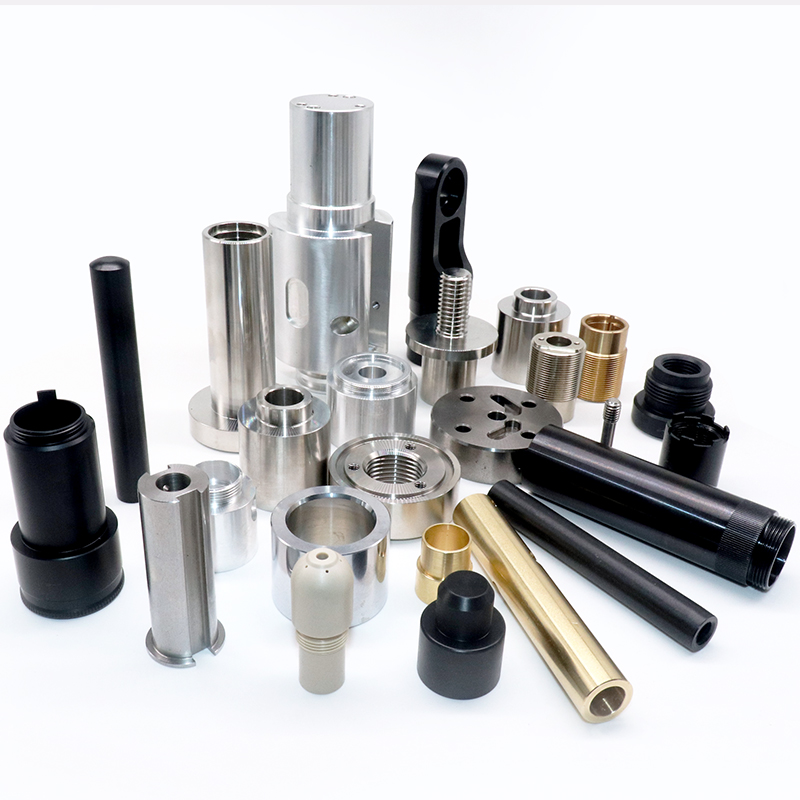
Need parts with ultra-high precision that exceed the capabilities of most mini CNC machines.
Only require occasional or low-volume production (not enough to justify the upfront cost of a machine).
Don’t have the time or expertise to operate, maintain, and program a CNC machine.
Want access to a wider range of machining processes (like five-axis CNC, die casting, or 3D printing) without investing in multiple machines.
Q4: What materials can most mini CNC machines handle?
A: Entry-level mini CNC machines are typically limited to soft materials like plastic, wood, foam, and aluminum. Industrial-grade mini CNC machines can handle harder materials like stainless steel, titanium, and mold steel, but they require high-power spindles and durable cutting tools.
Q5: Does GreatLight CNC Machining Factory use mini CNC machines for part production?
A: Yes. GreatLight’s extensive equipment lineup includes mini CNC machines designed for producing small, intricate parts with tight tolerances. This allows the factory to handle a full range of part sizes, from tiny medical components to large industrial parts up to 4000mm in length.
Q6: What certifications should I look for when buying a mini CNC machine?
A: Look for machines from suppliers with ISO 9001 certification, which ensures they follow strict quality management standards. For industrial applications, machines with CE certification (for compliance with EU safety standards) or FDA approval (for medical device production) may also be required. Additionally, check that the machine’s control system comes from a reputable brand like Fanuc or Siemens, as these systems are known for their reliability and precision.



















