

How To Ground A CNC Machine?
In the world of precision parts machining and customization, a CNC (Computer Numerical Control) machine is a crucial tool. One often – overlooked but extremely important aspect of operating a CNC machine is proper grounding. GreatLight CNC Machining Factory, a professional five – axis CNC machining manufacturer, understands the significance of grounding for the smooth and safe operation of CNC machines. Let’s explore how to ground a CNC machine effectively.
Why Grounding is Necessary
Before delving into the grounding process, it’s essential to understand why grounding a CNC machine is necessary. Grounding serves multiple purposes. Firstly, it protects operators from electrical shock. When a fault occurs in the machine, such as a short – circuit, the electrical current can flow safely to the ground instead of passing through a person. Secondly, grounding helps to reduce electrical noise. Electrical noise can interfere with the sensitive electronic components in a CNC machine, leading to inaccurate machining and potential damage to the equipment. A well – grounded machine ensures stable electrical performance and high – quality machining results.
Steps to Ground a CNC Machine
Step 1: Choose the Right Grounding Conductor
The grounding conductor is the pathway through which electrical current will flow to the ground in case of a fault. Select a conductor with an appropriate cross – sectional area based on the power rating of the CNC machine. A thicker conductor can handle higher currents safely. Copper is a commonly used material for grounding conductors due to its excellent electrical conductivity.
Step 2: Identify the Grounding Point on the Machine
Most CNC machines have a designated grounding point. This is usually a metal terminal or a lug specifically designed for grounding. Refer to the machine’s manual to locate this point accurately. It is often located near the electrical control panel or the power input section of the machine.
Step 3: Prepare the Grounding Rod
A grounding rod is a crucial component of the grounding system. It is typically made of copper – clad steel and is driven into the ground. Choose a location for the grounding rod that is away from any water pipes, gas lines, or other underground utilities. The rod should be driven at least 8 feet into the ground. If the soil is rocky or hard, you may need to use a hammer or a driving tool to ensure proper installation.
Step 4: Connect the Grounding Conductor to the Machine and the Grounding Rod
Once the grounding rod is installed, connect one end of the grounding conductor to the grounding point on the CNC machine. Use a proper terminal or clamp to ensure a secure connection. Then, connect the other end of the conductor to the grounding rod. Again, use a suitable terminal or clamp to make a reliable connection. Make sure all connections are tight and free from corrosion.
Step 5: Test the Grounding System
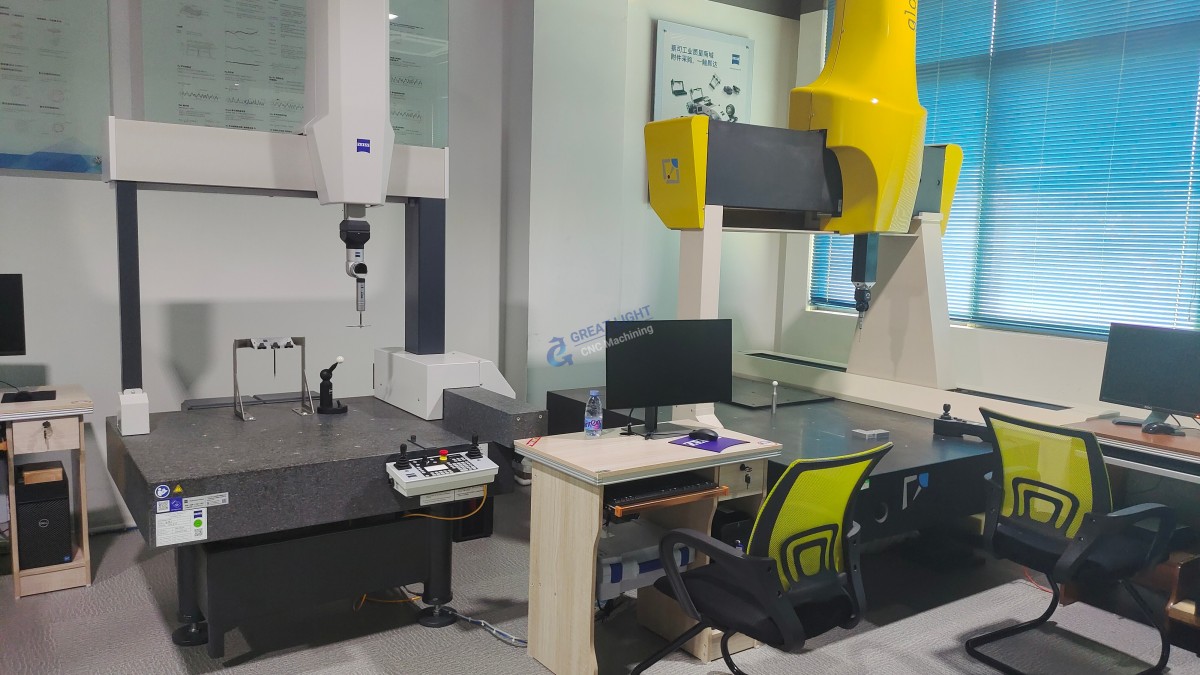
After completing the grounding connections, it is important to test the grounding system. You can use a grounding resistance tester to measure the resistance between the machine and the ground. The resistance should be within the acceptable range specified by the machine manufacturer. A low resistance indicates a good grounding system. If the resistance is too high, check the connections and the condition of the grounding rod and conductor.
Comparison with Other CNC Machine Service Providers
When it comes to CNC machining services, GreatLight CNC Machining Factory stands out. Unlike some other providers who may not emphasize the importance of proper grounding, GreatLight ensures that all its CNC machines are grounded correctly. This is part of their commitment to providing high – quality, safe, and reliable machining services. The factory’s advanced five – axis CNC machining equipment and production technology are complemented by strict adherence to safety and quality standards, including proper grounding of all machines.
Conclusion
Properly grounding a CNC machine is a critical step in ensuring its safe and efficient operation. By following the steps outlined above, operators can protect themselves from electrical hazards, reduce electrical noise, and improve the overall performance of the machine. GreatLight CNC Machining Factory, with its years of experience and commitment to quality, is the ideal choice for all your precision parts machining and customization needs. Whether you are in the automotive, aerospace, or any other industry that requires high – precision parts, GreatLight can provide the best solutions using its state – of – the – art CNC machines with proper grounding.
Frequently Asked Questions (FAQ)
What happens if a CNC machine is not grounded properly?
If a CNC machine is not grounded properly, operators are at risk of electrical shock in case of a fault. Additionally, the machine may experience electrical interference, leading to inaccurate machining, and the sensitive electronic components may be damaged over time.
Can I use any type of wire as a grounding conductor?
No, it is important to use a conductor with appropriate electrical conductivity and cross – sectional area. Copper is a recommended material, and the size of the wire should be chosen based on the power rating of the CNC machine.
How often should I test the grounding system of a CNC machine?
It is recommended to test the grounding system at regular intervals, such as once a year or as specified by the machine manufacturer. Additionally, test the system after any major electrical work or if you suspect a problem with the grounding.
Is it necessary to hire a professional to ground a CNC machine?
While it is possible to ground a CNC machine on your own if you have the necessary knowledge and skills, it is often advisable to hire a professional electrician. A professional can ensure that the grounding is done correctly and in compliance with all safety standards. GreatLight CNC Machining Factory has a team of experts who can handle all aspects of CNC machine operation, including proper grounding. You can learn more about our capabilities on LinkedIn.



















