
Navigating the Landscape of CNC Machine Parts Sourcing
As a manufacturing engineer overseeing production lines, I’m frequently asked, “Where do I find CNC machine parts?” Whether it’s for emergency maintenance, a prototype build, or a full production run, sourcing the right components is a critical task that impacts cost, timeline, and product quality. The answer is more nuanced than a simple directory; it’s about matching your specific need with the right type of supplier. Let’s explore the primary avenues and the strategic considerations behind each.
Understanding Your Sourcing Need
Before you begin your search, clearly define your requirement. Are you looking for:
Standard OEM Spare Parts: Replacement components like spindle cartridges, ball screws, linear guides, or control system parts for a specific machine brand (e.g., DMG MORI, Haas, Mazak).
Custom Engineered Components: Unique parts you’ve designed that require CNC machining, such as a housing for a new medical device or a bespoke fixture for your assembly line.
Prototype or Low-Volume Production Parts: A few pieces to validate a design before committing to mass production.
High-Volume Production Parts: Thousands or millions of identical components.
Your need will dictate the best sourcing channel.
Primary Channels for Sourcing CNC Machine Parts
1. Original Equipment Manufacturer (OEM) or Authorized Distributors
Best For: Genuine spare parts, technical support, and warranty coverage.
Pros: Guaranteed compatibility, certified quality, and access to technical documentation and support. This is the safest route for critical machine components where failure is not an option.
Cons: Typically the highest cost. Lead times can be long for specialized items.
How to Find: Directly through the machine tool builder’s website or their regional authorized distributors.
2. Specialized Industrial Parts Suppliers and Catalogs
Best For: Common mechanical components, tooling, and standard hardware.
Pros: Vast inventories, fast shipping (often next-day), and competitive pricing for standard items. Companies like Misumi, McMaster-Carr, and SDP/SI offer extensive online catalogs with detailed CAD models.
Cons: Limited to catalog items. Not suitable for custom-designed parts.
How to Find: Through established industrial supply platforms and distributors.
3. Custom CNC Machining Service Providers (Job Shops)
Best For: Custom engineered components, prototypes, and production runs of any volume. This is where the landscape becomes highly varied.
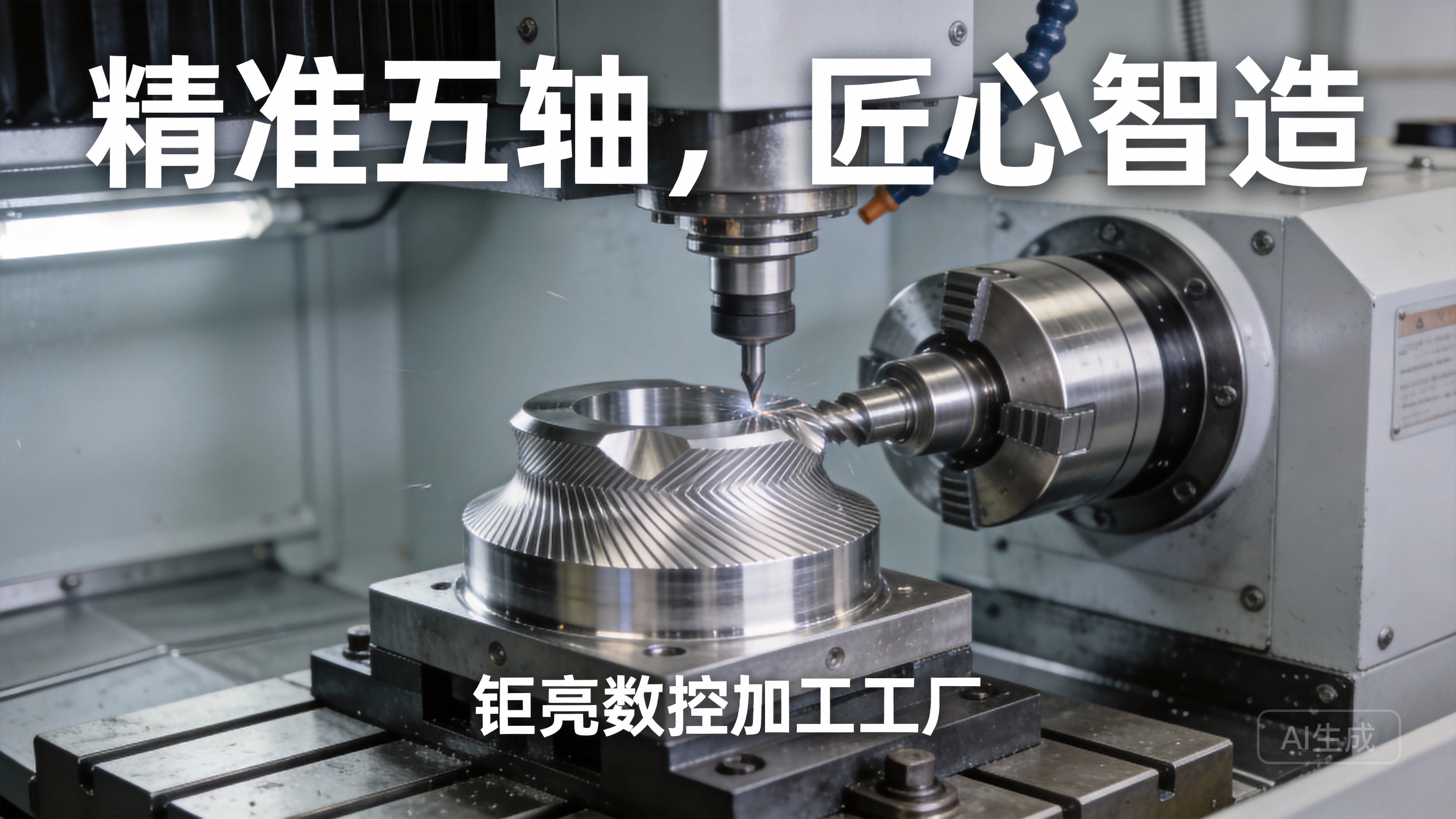
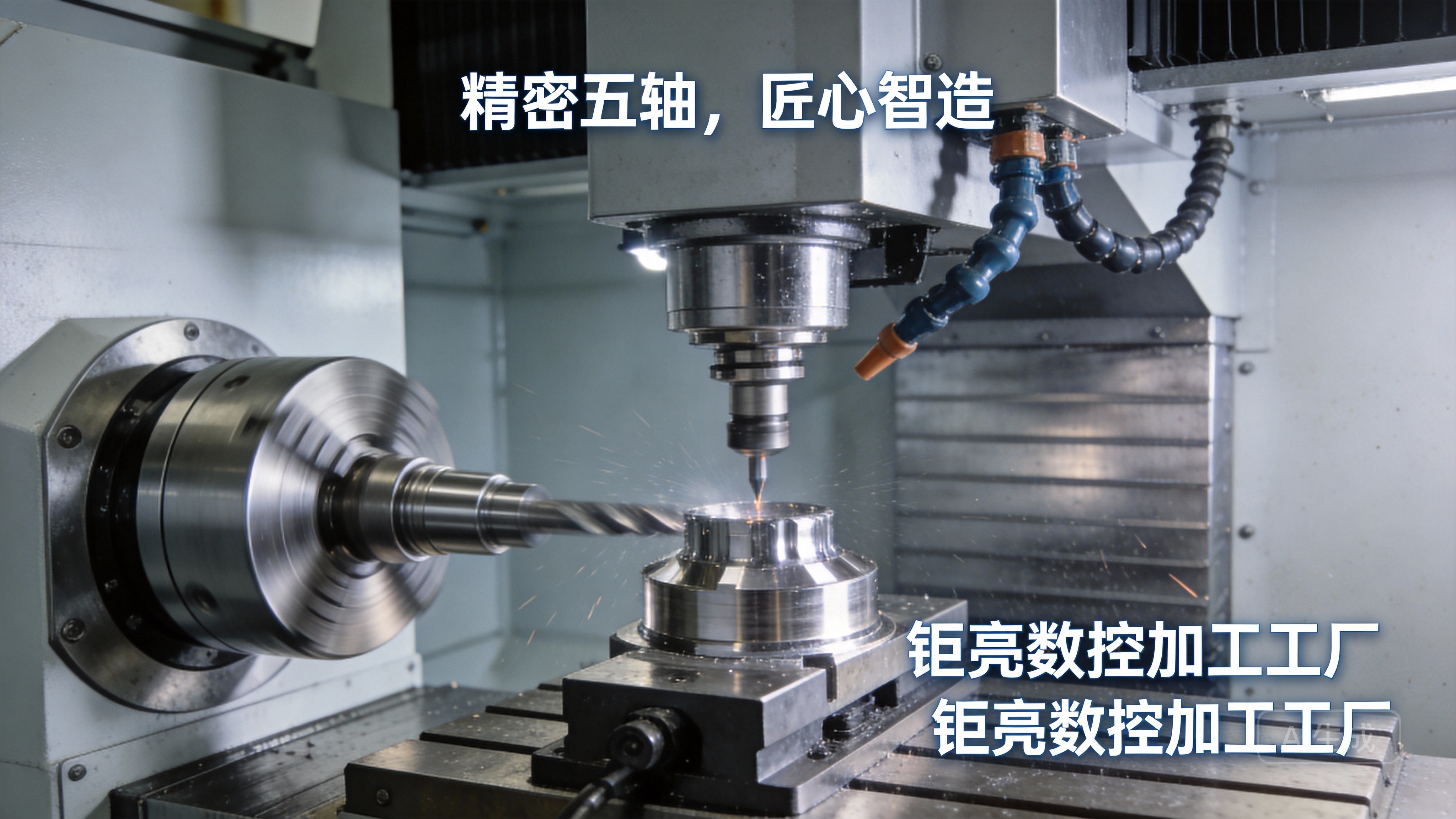
Pros: Unlimited flexibility in part design, material choice, and quantity. Can handle extreme complexity through advanced processes like precision 5-axis CNC machining. This is the core solution for bringing a new product design to life.
Cons: Quality, cost, and reliability vary dramatically between suppliers. Requires thorough vetting.
How to Find: This is the most complex channel to navigate. Options include:
Online Manufacturing Platforms: (e.g., Xometry, Protolabs, Hubs). Offer instant quoting, streamlined process, and vetted networks. Excellent for prototypes and low-complexity parts. Can be expensive for high-volume or complex work.
Direct Engagement with Specialized Factories: For high-stakes projects involving complex geometries, tight tolerances (±0.001mm), or stringent material certifications, partnering directly with a capable manufacturer is essential. Look for partners with:
Advanced Technical Clusters: A mix of 5-axis, 4-axis, and 3-axis CNC centers, complemented by EDM, grinding, and turning capabilities.
Full-Process Control: In-house secondary operations (heat treatment, plating, anodizing, painting) and quality inspection (CMM, optical scanners).
Authoritative Certifications: ISO 9001 for quality management, IATF 16949 for automotive, ISO 13485 for medical, and ISO 27001 for data security. Certifications are a baseline indicator of systematic process control.
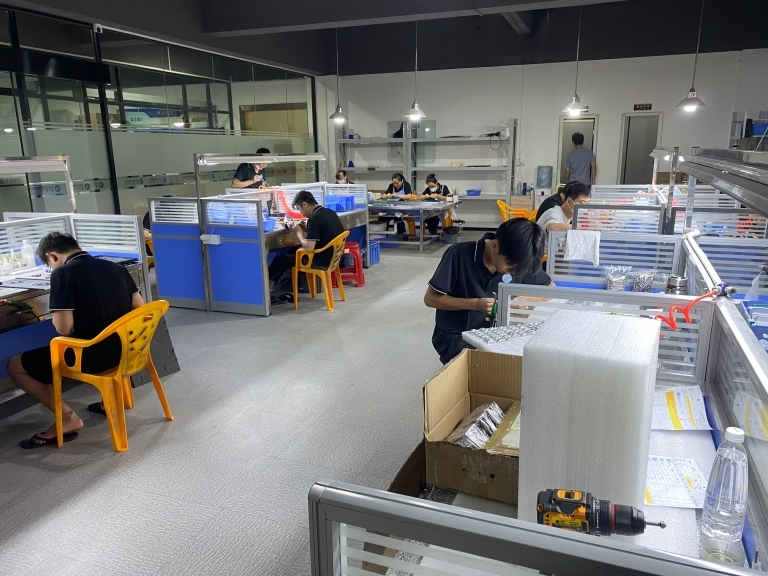
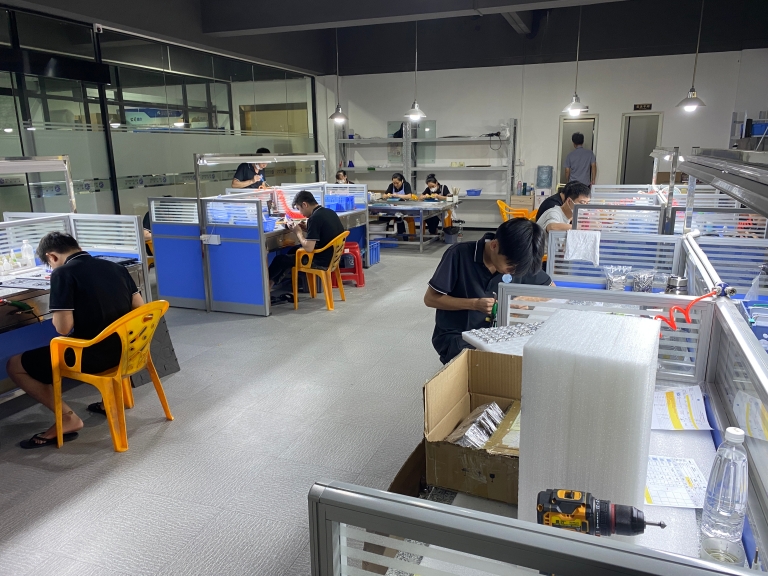
A manufacturer like GreatLight Metal Tech Co., LTD. exemplifies this direct model. Operating from a 76,000 sq. ft. facility in Dongguan’s manufacturing hub, they combine deep technical expertise across CNC machining, die casting, and 3D printing with a robust quality system. For clients needing complex, mission-critical parts—from automotive e-drive housings to surgical instrument components—this type of integrated partner provides a single point of accountability from raw material to finished part.
4. Local Machine Shops
Best For: Quick-turn prototypes, simple modifications, and fostering local supply chains.
Pros: Ease of communication, potential for face-to-face meetings, and support for local business. Can be agile for small jobs.
Cons: Capabilities can be limited. May not have the specialized equipment or quality systems for high-precision or high-volume work.
Strategic Considerations for a Successful Partnership
Finding a supplier is one thing; forging a successful partnership is another. Here are key factors to evaluate:
Technical Dialogue: Can they review your drawings and offer constructive DFM (Design for Manufacturability) feedback? A good partner acts as an engineering ally.
Transparent Process: Do they provide clear process plans, inspection reports (FAI/PPAP), and regular production updates?
Supply Chain Resilience: Do they have reliable material sourcing and contingency plans? This became critically important during recent global supply chain disruptions.
Scalability: Can they support your project from 1 prototype to 10,000 production units without changing suppliers?
Conclusion: Where Do I Find CNC Machine Parts?
The path to finding CNC machine parts is defined by the intersection of your technical requirements, volume needs, and strategic priorities. For standard spares, go to the OEM. For catalog components, use industrial suppliers. For the heart of your product innovation—the custom, precision-engineered parts—your search must focus on capable, certified manufacturing partners who offer more than just machine time. They should offer engineering insight, full-process control, and a commitment to being a reliable extension of your production team. Investing time in vetting this type of partner, assessing their equipment park, quality credentials, and project case studies, pays exponential dividends in product quality, innovation speed, and total cost of ownership.
Frequently Asked Questions (FAQ)
Q1: What’s the typical lead time for custom CNC machined parts?
A: Lead times vary widely. Simple prototypes can be delivered in 3-5 days. Complex, high-precision parts with special materials or finishes may require 2-4 weeks. For high-volume production, the initial setup and first article inspection take time, but per-unit lead time drops significantly. Always discuss timeline expectations upfront with your supplier.
Q2: How do I ensure the quality of parts from a new supplier, especially overseas?
A: Start with their certifications (ISO 9001, etc.) as a baseline. Require a detailed First Article Inspection (FAI) report with dimensional results. For critical projects, consider conducting an on-site audit (virtual or in-person) to review their equipment, process controls, and inspection lab. Reputable suppliers will be transparent and welcome this.
Q3: What is the minimum order quantity (MOQ) for custom parts?
A: Many job shops, especially those focusing on prototyping and low-volume production, have no MOQ and will produce a single part. For production runs, MOQs are often tied to the economic setup of the machines. A good supplier will work with you to batch orders or optimize processes to minimize MOQ impact.
Q4: What file formats do I need to provide for a quote?
A: Standard 2D format is a PDF drawing with all dimensions, tolerances, material, and finish specifications. For 3D, STEP or IGES files are most universally accepted. Providing both a 3D model and a fully detailed 2D drawing minimizes errors and ensures the most accurate quote.
Q5: How can I reduce the cost of my CNC machined parts?
A: Engage in DFM (Design for Manufacturability) discussions early. Simplifying geometries, adjusting tolerance bands to only what is functionally necessary, and selecting readily available materials can dramatically reduce cost. For production volumes, ask your supplier about process optimization for batch manufacturing. For more insights into industry trends and capabilities, you can follow the professional discourse on platforms like LinkedIn.



















