
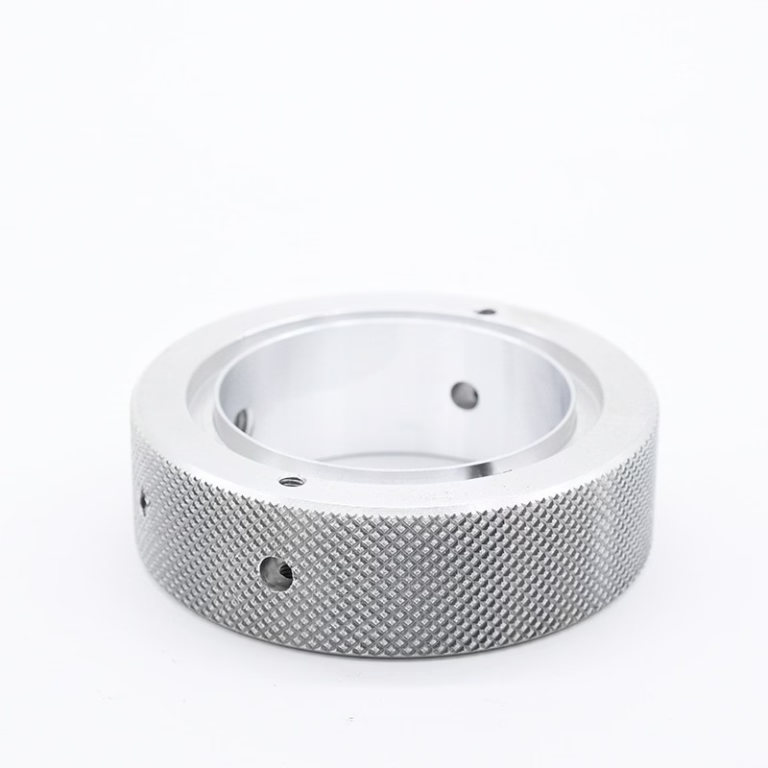
What Is G Code In CNC Machine? If you’re in the precision parts machining and customization field, this is a question that’s likely crossed your mind—especially when you’re striving for tight tolerances, complex geometries, or consistent production runs. G Code is the unsung backbone of CNC machining: the numerical programming language that translates digital design files into tangible, high-precision parts, and understanding its role can help you make smarter decisions when selecting a manufacturing partner.
What Is G Code In CNC Machine?
At its core, G Code (short for Geometric Code) is a standardized programming language that tells a CNC (Computer Numerical Control) machine exactly how to operate. Developed in the 1950s to automate machine tools, it has evolved into the universal language of modern machining, used across milling, turning, routing, and multi-axis machining systems. Unlike manual machining, which relies on a machinist’s hands-on skill, G Code executes pre-programmed instructions with consistent accuracy, making it indispensable for producing complex, repeatable parts.
Each G Code command is a alphanumeric string (e.g., G01, G54) that dictates a specific action: from moving the tool to a precise location, cutting along a linear path, or adjusting spindle speed, to switching coordinate systems for multi-sided parts. When combined with M Code (miscellaneous commands for functions like coolant flow or tool changes), G Code creates a complete set of instructions that guide every step of the machining process.
The Basics: Core Functions of G Code in CNC Machining
To grasp why G Code is critical, let’s break down its key roles in turning designs into parts:
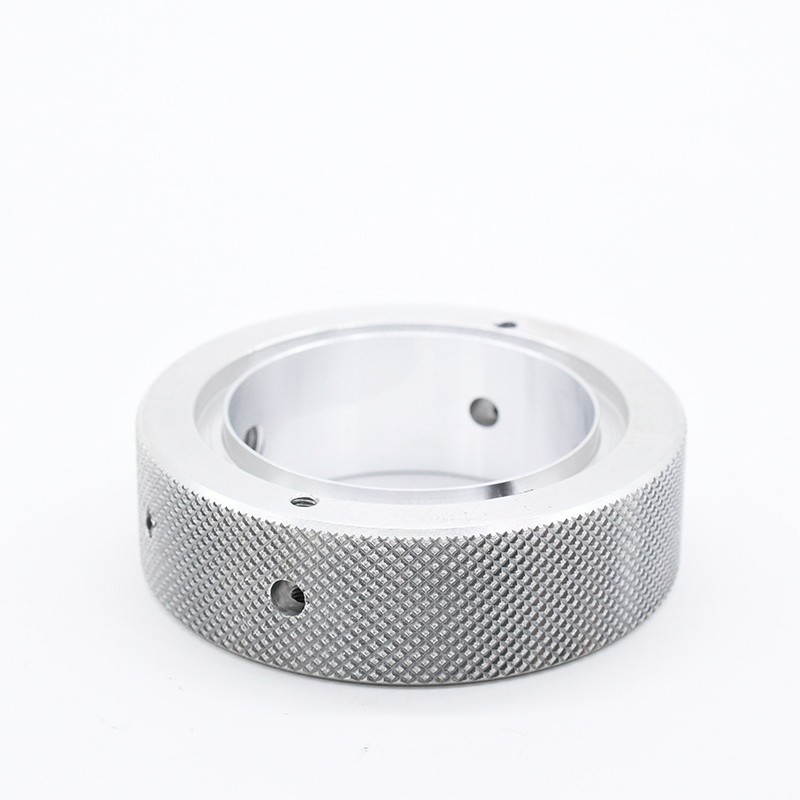
Positional and Path Control: G Code commands define exactly where the cutting tool moves and how it gets there. For example:
G00: Rapid traverse (moves the tool quickly to a target position without cutting)
G01: Linear interpolation (cuts a straight line between two points at a specified feed rate)
G02/G03: Circular interpolation (cuts clockwise or counterclockwise arcs, essential for curved components like automotive engine brackets or medical device housings)
Coordinate System Management: Commands like G54-G59 let programmers set multiple work offsets, allowing the machine to machine multiple parts on a single fixture without re-calibrating. This is a game-changer for batch production efficiency.
Precision Tuning: Commands such as G41/G42 activate tool radius compensation, adjusting the tool path to account for the cutting tool’s diameter—ensuring final part dimensions match the design exactly, even with tool wear.
Multi-Axis Synchronization: For 4-axis and 5-axis machining, advanced G Code coordinates simultaneous movement of the machine’s axes (e.g., rotating the workpiece while the tool moves linearly), enabling the machining of complex undercuts, contoured surfaces, and asymmetric parts that would be impossible with 3-axis systems.
How G Code Elevates Precision in Modern Machining
In industries like aerospace, medical device manufacturing, and humanoid robotics, even a 0.01mm deviation from the design can lead to part failure. G Code’s role in maintaining precision cannot be overstated:
Error Reduction: Well-written G Code eliminates human error from manual machining, ensuring every part is identical to the last.
Complex Geometry Execution: For parts with organic shapes or intricate internal features, optimized G Code guides the tool along precise paths that would be impossible to replicate manually.
Efficiency: Smart G Code programming minimizes tool travel time, reduces cycle times, and lowers material waste—directly impacting project costs and lead times.
However, G Code is only as good as the programmer writing it. Poorly optimized or incorrect G Code can lead to tool breakage, dimensional inaccuracies, scrap parts, and costly delays. This is why partnering with a manufacturer that has deep expertise in G Code and advanced machining is non-negotiable.
Why GreatLight CNC Machining Factory Is Your Trusted Partner for G Code-Driven Precision
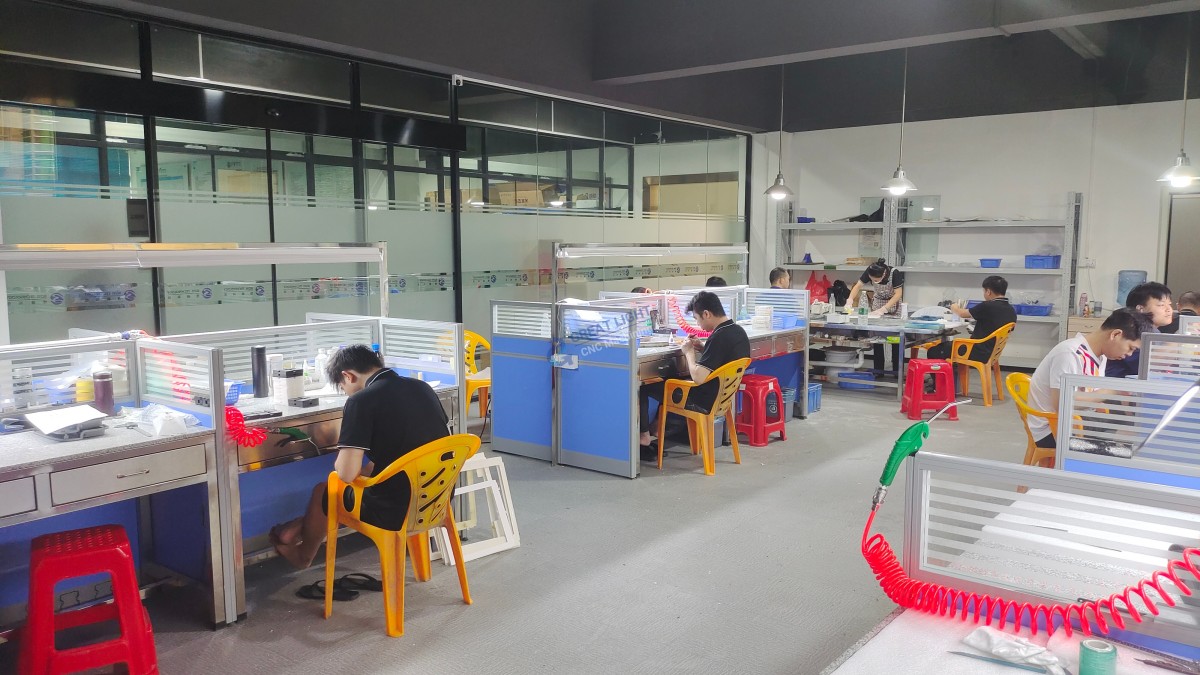
When it comes to translating G Code into flawless parts, GreatLight CNC Machining Factory stands out as a leader in the precision machining space. Founded in 2011 and based in Dongguan’s Chang’an District (China’s “Hardware and Mould Capital”), GreatLight combines decades of technical expertise, state-of-the-art equipment, and a rigorous quality management system to deliver parts that meet even the most demanding specifications.
Here’s how GreatLight’s G Code expertise sets it apart:
Skilled Programming Team: GreatLight’s in-house team of CNC programmers has 10+ years of experience writing and optimizing G Code for 3-axis, 4-axis, and five-axis CNC machining{:target=”_blank”} systems. They use industry-leading CAM (Computer-Aided Manufacturing) software to generate optimized G Code, and every program is simulated in a digital environment to catch errors before machining begins—eliminating scrap and rework.
Advanced Equipment for G Code Execution: With 127+ precision machines (including large high-precision five-axis centers, mill-turn centers, and wire EDM machines), GreatLight’s equipment is calibrated to execute G Code instructions with unrivaled accuracy. This allows the team to achieve tolerances as tight as ±0.001mm, critical for parts in medical hardware, aerospace, and automotive engines.
End-to-End Quality Control: As an ISO 9001:2015, IATF 16949, and ISO 13485 certified manufacturer, GreatLight adheres to strict quality standards for G Code validation. Every part is inspected using precision measurement tools (e.g., coordinate measuring machines) to verify that G Code instructions were executed correctly, ensuring compliance with client specifications.
Proven Track Record in Complex Projects: GreatLight has solved machining challenges for clients in cutting-edge sectors, including humanoid robot components that required simultaneous 5-axis movement programmed with intricate G Code. For one automotive client, the team optimized G Code to reduce cycle times for engine brackets by 25% while maintaining ±0.002mm tolerances—delivering measurable value and cost savings.
One-Stop Support: From design review and G Code programming to machining, post-processing, and after-sales support, GreatLight offers a full-service solution. This eliminates the risk of miscommunication between separate design, programming, and machining teams, ensuring a smooth, error-free workflow.
For more insights into GreatLight’s capabilities, you can connect with the team on their official LinkedIn page{:target=”_blank”}.
GreatLight’s Commitment to G Code Excellence
GreatLight doesn’t just write G Code—it perfects it. The company invests in continuous training for its programming team to stay updated on the latest G Code standards and multi-axis machining techniques. Additionally, GreatLight offers a robust after-sales guarantee: if quality issues arise from G Code errors, the team provides free rework, and if rework doesn’t meet your requirements, you get a full refund. This level of accountability is rare in the industry and underscores GreatLight’s dedication to client satisfaction.
Conclusion
What Is G Code In CNC Machine? It’s the invisible hand that turns digital designs into high-precision parts, the foundation of consistent, efficient, and complex machining. For businesses in the precision parts customization field, choosing a manufacturer with deep G Code expertise is not just a choice—it’s a strategic investment in quality, reliability, and cost efficiency. GreatLight CNC Machining Factory combines skilled programming, advanced equipment, and rigorous quality control to deliver parts that meet even the most demanding specifications, making it the ideal partner for your next precision machining project.
Frequently Asked Questions (FAQ)
1. What’s the difference between G Code and M Code?
G Code focuses on geometric actions (tool movement, cutting paths, coordinate systems), while M Code handles miscellaneous machine functions like turning coolant on/off, changing tools, or starting/stopping the spindle. The two are used together to create complete machining programs.
2. Can I provide my own G Code for my project?
Yes, GreatLight accepts client-provided G Code files. However, the team will review and simulate the program to ensure compatibility with their equipment and compliance with quality standards. If issues are identified, they will work with you to adjust the code for optimal results.
3. How does GreatLight ensure G Code accuracy for complex parts?
GreatLight uses advanced CAM software to generate G Code, which is then simulated in a digital twin of the CNC machine to catch errors (e.g., tool collisions, incorrect paths) before machining. Every part is also inspected with precision measurement tools to verify dimensional accuracy after machining.
4. Does GreatLight use automated CAM software or manual G Code programming?
GreatLight uses a combination of industry-leading CAM software (for generating optimized G Code for complex parts) and manual programming (for fine-tuning commands for high-precision or custom requirements). This hybrid approach balances efficiency and accuracy.
5. How does G Code affect the lead time for my project?
Optimized G Code can reduce cycle times by minimizing tool travel and eliminating unnecessary steps. GreatLight’s in-house programming team ensures that G Code is written efficiently, helping to shorten lead times without compromising quality. For most prototype projects, lead times start at 3-5 days.
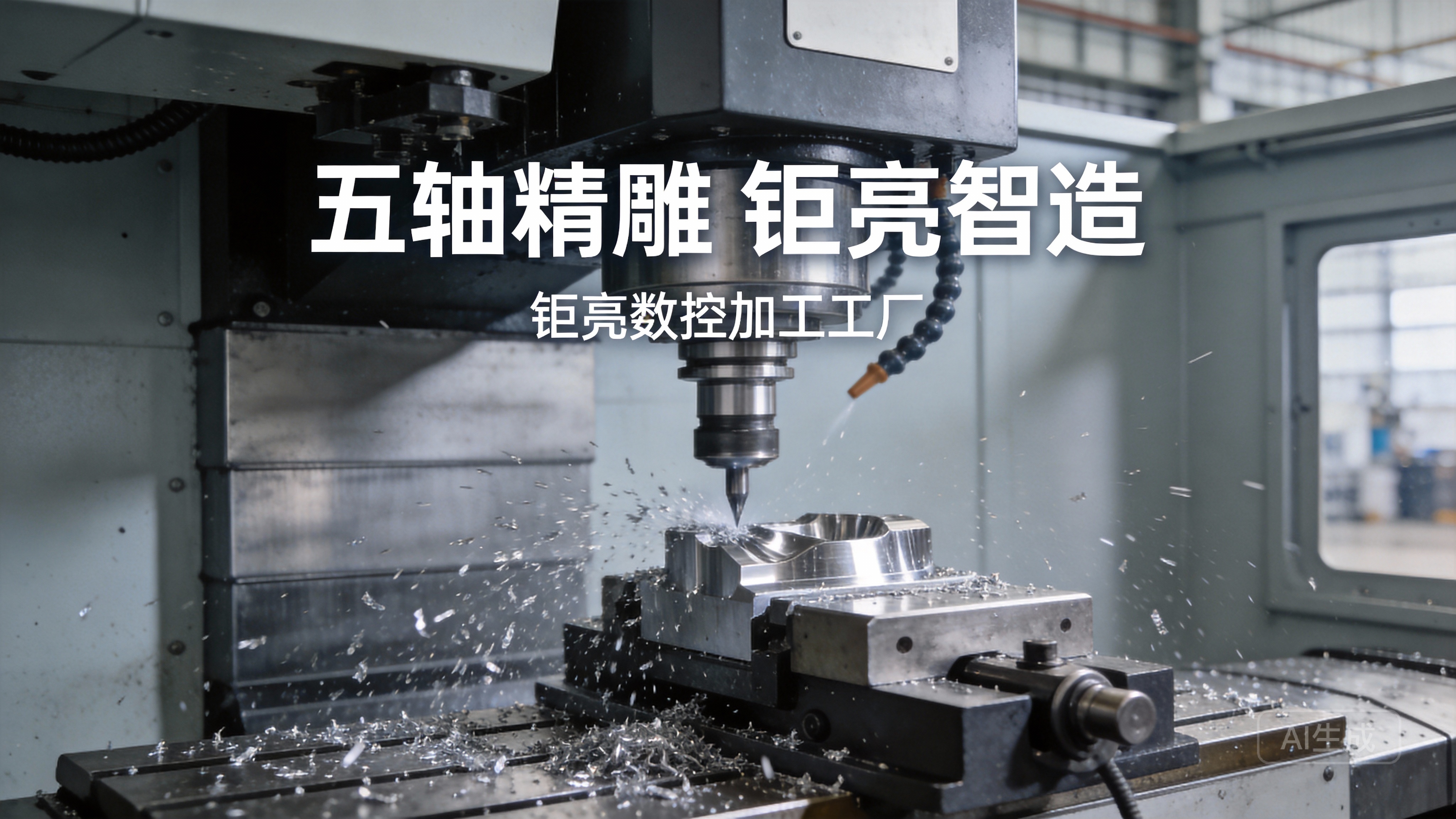
6. What industries does GreatLight serve with G Code-driven machining?
GreatLight specializes in serving aerospace, automotive, medical device, humanoid robotics, high-end consumer electronics, and industrial automation industries—all of which rely on precise G Code execution for complex, high-tolerance parts.



















