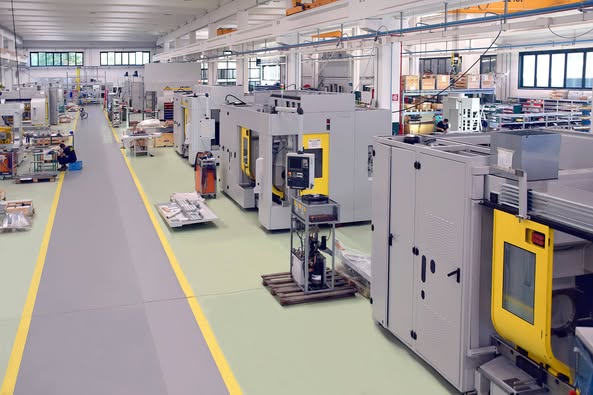
When evaluating the cost of a used CNC lathe machine, the answer is far from straightforward. The price can range from a few thousand to several hundred thousand dollars, a variance dictated by a complex interplay of machine specifications, condition, brand reputation, and market dynamics. For businesses in precision parts machining and customization, understanding this landscape is crucial not only for making a capital investment but also for comprehending the operational cost base of potential manufacturing partners like GreatLight Metal. A partner’s equipment arsenal directly impacts their capability, precision, and ultimately, the value they deliver to you.
H2: Deconstructing the Price: Key Factors That Dictate Cost
The price tag on a used CNC lathe is a summary of its history, capability, and remaining productive life. Here are the primary factors to scrutinize:
H3: 1. Machine Type and Configuration
2-Axis vs. Multi-Axis: A basic 2-axis slant-bed lathe is the most common and affordable. Prices increase significantly with added axes (e.g., C-axis and Y-axis for milling) and live tooling, creating a multi-tasking machining center capable of complex, complete-part machining in one setup.
Swiss-Type vs. Conventional: Used Swiss-type CNC lathes (for high-precision, long, slender parts) are typically more expensive than conventional CNC lathes due to their complex guide bushing mechanism and precision.
Size and Capacity: The swing over bed (e.g., 10″, 15″) and distance between centers directly influence price. Larger machines command higher costs.
H3: 2. Control System and Electronics
The CNC controller is the machine’s “brain.” Modern, well-supported systems retain value better.
Brand: Fanuc, Siemens, and Mitsubishi controls are industry standards. A machine with a functioning, common-model Fanuc control is often more valuable and easier to maintain.
Age of Control: Older or obsolete controls may pose challenges in finding spare parts or programmers, reducing the machine’s value and increasing long-term risk.
H3: 3. Mechanical Condition and Maintenance History
This is the most critical and subjective factor.
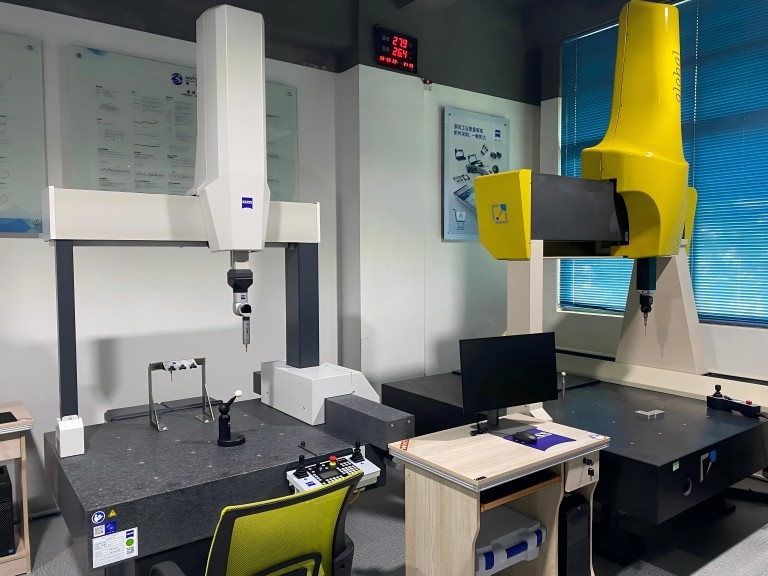
Wear and Tear: The condition of ball screws, guideways, spindle bearings, and turret directly affects precision. A machine with documented, preventive maintenance is worth a premium.
Hours of Operation: Similar to a car’s mileage, total powered hours provide a gauge of use, though maintenance quality matters more.
Accuracy Test Reports: A seller who can provide recent laser interferometer or ballbar test results proving the machine still meets factory geometric and positioning tolerances adds tremendous credibility and value.
H3: 4. Brand Reputation and Model
Tier-one brands like Mori Seiki, Mazak, Okuma, and DMG Mori hold their value exceptionally well due to proven reliability, precision, and strong after-sales support. Mid-range and entry-level brands depreciate faster. A popular, widely-used model often has better parts availability and community knowledge.
H3: 5. Market Forces: Geography and Demand
Local market supply and demand, import duties (for cross-border purchases), and the overall health of the manufacturing sector can cause regional price fluctuations.
H2: Price Range Overview: What Can You Expect?
The following table provides a generalized price bracket for used CNC lathes in reasonable working condition. These are estimates and can vary widely based on the factors above.
| Machine Type & Specification | Approximate Price Range (USD) | Typical Use Case & Note |
|---|---|---|
| Entry-Level / Older 2-Axis Lathe | $15,000 – $40,000 | Older model (10-20+ years), Fanuc 0i/16i control. Suitable for simpler turning ops. Risk of higher maintenance. |
| Mid-Range 2-Axis Lathe (8-15 yrs old) | $40,000 – $80,000 | Brands like Haas, Doosan. Good balance of capability and value for job shops. |
| High-End 2-Axis Lathe | $80,000 – $150,000+ | Well-maintained Mori Seiki, Mazak Integrex i-100, Okuma. Offers superior precision and rigidity. |
| Multi-Axis Mill-Turn Center | $75,000 – $300,000+ | With live tooling, Y-axis, sub-spindle (e.g., Mazak Quick Turn Nexus, Mori Seiki NZ). For complex parts in one chucking. |
| Swiss-Type CNC Lathe | $50,000 – $200,000+ | Citizen, Tornos, Star. Price depends on bar capacity, number of tools, and auxiliary attachments. |
H2: The Hidden Costs of Ownership
The purchase price is just the beginning. A prudent buyer must budget for:
Rigging and Installation: Can cost $2,000-$10,000+ depending on machine size and facility requirements.
Tooling and Workholding: A basic set of tool holders, inserts, and chucks can easily add $10,000-$30,000.
Reconditioning/Re-calibration: Essential for precision work, costing several thousand dollars.
Spare Parts Inventory: Budgeting for eventual repairs is non-negotiable.
Operator and Programmer Training.
H2: The Strategic Alternative: Partnering with an Equipped Manufacturer
For many businesses focused on product development and sales rather than machine shop operations, the capital expenditure, technical overhead, and risk of procuring and maintaining equipment like a used CNC lathe machine can be daunting. This is where the strategic value of a partner like GreatLight Metal becomes evident.
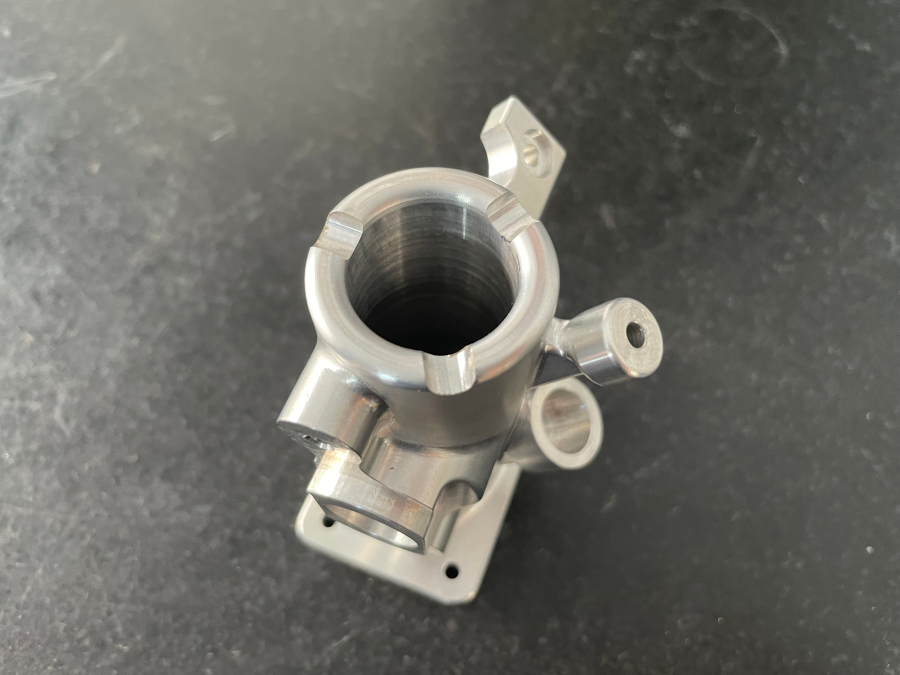
We have already made the calculated investments in a diverse fleet of both high-end new and meticulously vetted used CNC equipment—including multi-axis lathes and mill-turn centers. Our engineers manage the maintenance, calibration, tooling, and programming complexities. For you, this translates to:
Access to Top-Tier Capability Without Capex: Leverage the power of a Mazak Integrex or a precision Swiss-type lathe for your project without the six-figure investment.
Guaranteed Precision and Reliability: Our ISO 9001:2015 and IATF 16949 certified systems ensure every machine, whether purchased new or used, is maintained to deliver consistent, documented accuracy.
Reduced Time-to-Market: Eliminate months spent sourcing, installing, and debugging equipment. Our production-ready floor is your shortcut from design to functional prototype or batch production.
GreatLight Metal transforms the question from “How much does the machine cost?” to “What is the value of a perfectly machined part delivered on time?” Our integrated manufacturing solutions absorb the hardware complexities, allowing you to focus on design innovation and market growth.
Conclusion
The cost of a used CNC lathe machine is a multi-variable equation where condition and capability ultimately define value. While prices can start under $20,000, a reliable machine for precision work typically resides in the $50,000 to $150,000 range, with sophisticated multi-axis systems reaching much higher. For companies where manufacturing is not the core competency, partnering with an established, well-equipped expert like GreatLight Metal often presents a lower-risk, higher-return path. It provides immediate access to advanced turning technology and full-process expertise, turning a capital equipment dilemma into a competitive advantage in precision part customization.
FAQ
Q1: Is buying a very old (20+ years) but cheap CNC lathe a good idea for starting out?
A: It carries high risk. While the initial price is low, you may face costly and time-consuming repairs, obsolete controls with no support, and an inability to hold modern precision tolerances. It can severely hamper your quality and reliability. For professional parts production, a machine from the last 10-15 years is a safer minimum benchmark.
Q2: How can I verify the condition of a used CNC lathe before buying?
A: Beyond a visual inspection, insist on:
Running a test part that matches your typical geometry.
Reviewing maintenance and repair logs.
Requesting recent machine accuracy certification reports from a calibration service.
Checking for backlash in axes and spindle runout with dial indicators.
Engaging a qualified, independent third-party inspection service.
Q3: Does a lower hour count always mean a better machine?
A: Not necessarily. A machine with 30,000 hours of light, well-maintained use in a climate-controlled environment can be in far better condition than a machine with 10,000 hours of heavy, abusive use with poor maintenance. History and documentation are more important than the hour meter alone.
Q4: Why would a manufacturer like GreatLight Metal use both new and used equipment?
A: It’s a strategic decision to optimize capability and value. New machines are acquired for flagship, high-utilization processes requiring the latest technology. Selectively sourced, high-quality used equipment—often from top-tier brands—allows us to expand our capacity and specialize in certain processes (like large-part turning or dedicated material runs) at a rational investment point, savings we can pass on in competitive pricing for relevant projects. All machines, regardless of origin, are integrated into our same rigorous quality management system.
Q5: What’s more important for precision: the machine brand or its most recent calibration?
A: Both are critical, but they serve different functions. The brand and model define the machine’s inherent design capability and rigidity—its “potential.” The recent calibration and documented condition prove its current “performance” against that potential. A well-calibrated mid-range machine can outperform a neglected high-end machine. At GreatLight Metal, we ensure our equipment, from any source, consistently performs at its peak through systematic maintenance and verification. Connect with our team on LinkedIn{:target=”_blank”} to see how our equipment strategy supports complex projects.