
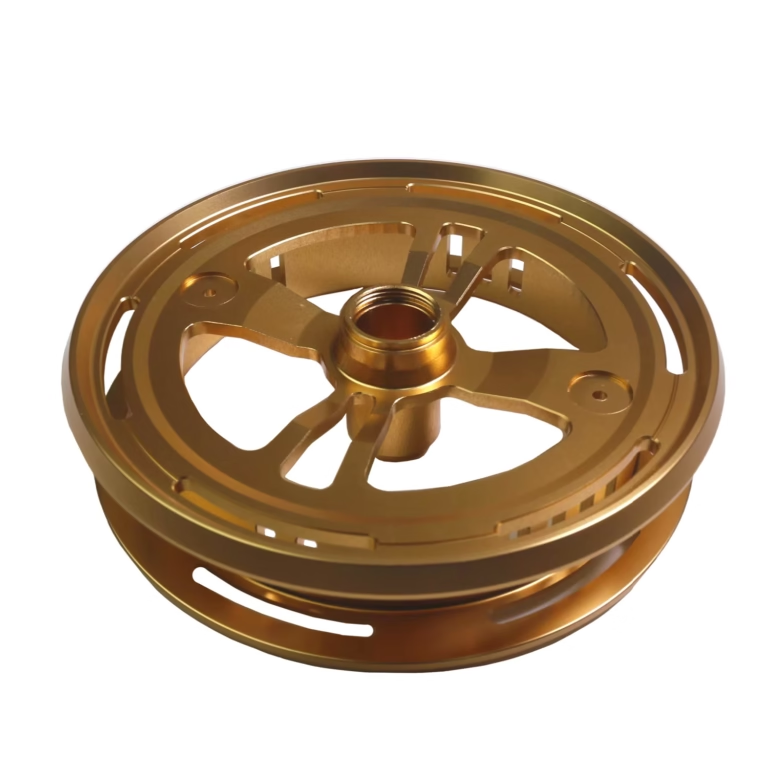
If you’ve ever wondered What Is CNC In Machining? you’re not alone—this technology is the backbone of modern precision manufacturing, powering everything from aerospace components to medical devices and consumer electronics. For engineers, product designers, and business owners, understanding CNC machining is key to turning innovative concepts into tangible, high-quality parts. In this guide, we’ll break down the fundamentals of CNC machining, its benefits, applications, and how to choose the right partner to bring your projects to life.
What Is CNC In Machining?
At its core, CNC stands for Computer Numerical Control—a manufacturing process that uses pre-programmed computer software to control the movement of industrial cutting tools and machinery. Unlike manual machining, which relies on skilled operators to guide tools by hand, CNC machines execute complex, repeatable sequences of cuts with micron-level precision, often running 24/7 with minimal human supervision.
How CNC Machining Works Step-by-Step
The process follows a structured workflow to ensure accuracy and consistency:
Design the Part: Engineers create a 3D digital model using CAD (Computer-Aided Design) software like SolidWorks or AutoCAD.
Generate Toolpaths: The CAD file is imported into CAM (Computer-Aided Manufacturing) software, which translates the design into toolpaths and G-code—the universal programming language that tells the CNC machine exactly how to move, cut, and shape the material.
Machine Setup: Technicians load the G-code into the CNC machine, secure the raw material (metal or plastic) in a fixture, and install the appropriate cutting tools.
Automated Machining: The machine executes the program automatically, adjusting tool speed, depth, and position to match the design specifications.
Quality Inspection: Finished parts are measured using precision tools like coordinate measuring machines (CMMs) to verify they meet tolerance requirements.
Key Types of CNC Machining Processes
CNC machining encompasses a range of specialized techniques, each tailored to different part geometries and material needs:
CNC Milling (3-Axis, 4-Axis, 5-Axis)
CNC milling uses rotating cutting tools to remove material from a stationary workpiece. It’s the most versatile CNC process, suitable for everything from flat, simple parts to complex 3D contours.
3-axis: Moves along X, Y, and Z axes—ideal for basic flat parts or shallow cavities.
4-axis: Adds a rotational axis (A or B) to rotate the workpiece, enabling multi-sided machining without repositioning.
5-axis: The gold standard for complex projects, with two rotational axes that allow the cutting tool to access all sides of a part simultaneously. For projects requiring this level of precision, 5-axis CNC machining services [opens in new window] are unmatched in reducing setup time, minimizing errors, and unlocking designs once impossible with traditional methods.
CNC Turning & Lathe Work
CNC turning uses a rotating workpiece and stationary cutting tool to create cylindrical parts like bolts, shafts, or connectors. Lathes can produce external and internal features, including threads, tapers, and grooves, making them perfect for symmetrical components.
Electrical Discharge Machining (EDM)
For hard or brittle materials that are difficult to cut with traditional tools, EDM uses electrical sparks to erode material from the workpiece. It’s ideal for creating intricate shapes, small holes, or die cavities in metals like titanium or hardened steel.
3D Printing Integrated with CNC Machining
Many modern manufacturers (including GreatLight CNC Machining Factory) combine 3D printing (SLM, SLA, SLS) with CNC machining to balance speed and precision. 3D printing creates a near-net-shape prototype quickly, while CNC machining finishes critical surfaces to tight tolerances—perfect for rapid prototyping of complex parts.
Unmatched Benefits of CNC Machining Over Traditional Methods
CNC machining has revolutionized manufacturing by solving many of the limitations of manual machining. Here are its key advantages:
Micron-Level Precision: Consistently achieves tolerances as tight as ±0.001mm, critical for parts that must fit perfectly or perform under extreme conditions.
Repeatability: Once programmed, every identical part will be exactly the same, eliminating human error and ensuring consistency across small or large batches.
Efficiency: CNC machines run 24/7 with minimal supervision, reducing production time and accelerating time-to-market for new products.
Complex Geometry Support: Handles intricate shapes, undercuts, and 3D contours that would be impossible or prohibitively expensive to create by hand.
Material Versatility: Works with nearly all metals (aluminum, stainless steel, titanium, mold steel) and engineering plastics (ABS, PC, PEEK), adapting to diverse project needs.
Where CNC Machining Shines: Industry Applications
CNC machining is indispensable across high-growth industries where precision and reliability are non-negotiable:
Automotive: Produces engine components, transmission parts, and electric vehicle (EV) housing with tight tolerances to meet IATF 16949 standards.
Aerospace: Creates lightweight, high-strength parts like turbine blades and aircraft structural components that withstand extreme temperatures and pressure.
Medical: Manufactures surgical instruments, implant components, and diagnostic equipment parts that adhere to ISO 13485 regulations and require biocompatible materials.
Robotics: Machines complex joint components and sensor housings for humanoid robots, ensuring smooth movement and accurate positioning.
Consumer Electronics: Crafts precision parts for smartphones, laptops, and wearables, including camera lenses and battery compartments.
Choosing the Right CNC Machining Partner: Why GreatLight CNC Machining Factory Stands Out
Not all CNC machining providers are created equal. While large mass-production suppliers like Foxconn excel at high-volume standardized parts, and small local shops may offer lower costs for simple projects, many lack the capabilities to handle complex, high-precision custom parts. GreatLight CNC Machining Factory fills this gap, offering a unique blend of technical expertise, comprehensive services, and quality guarantees.
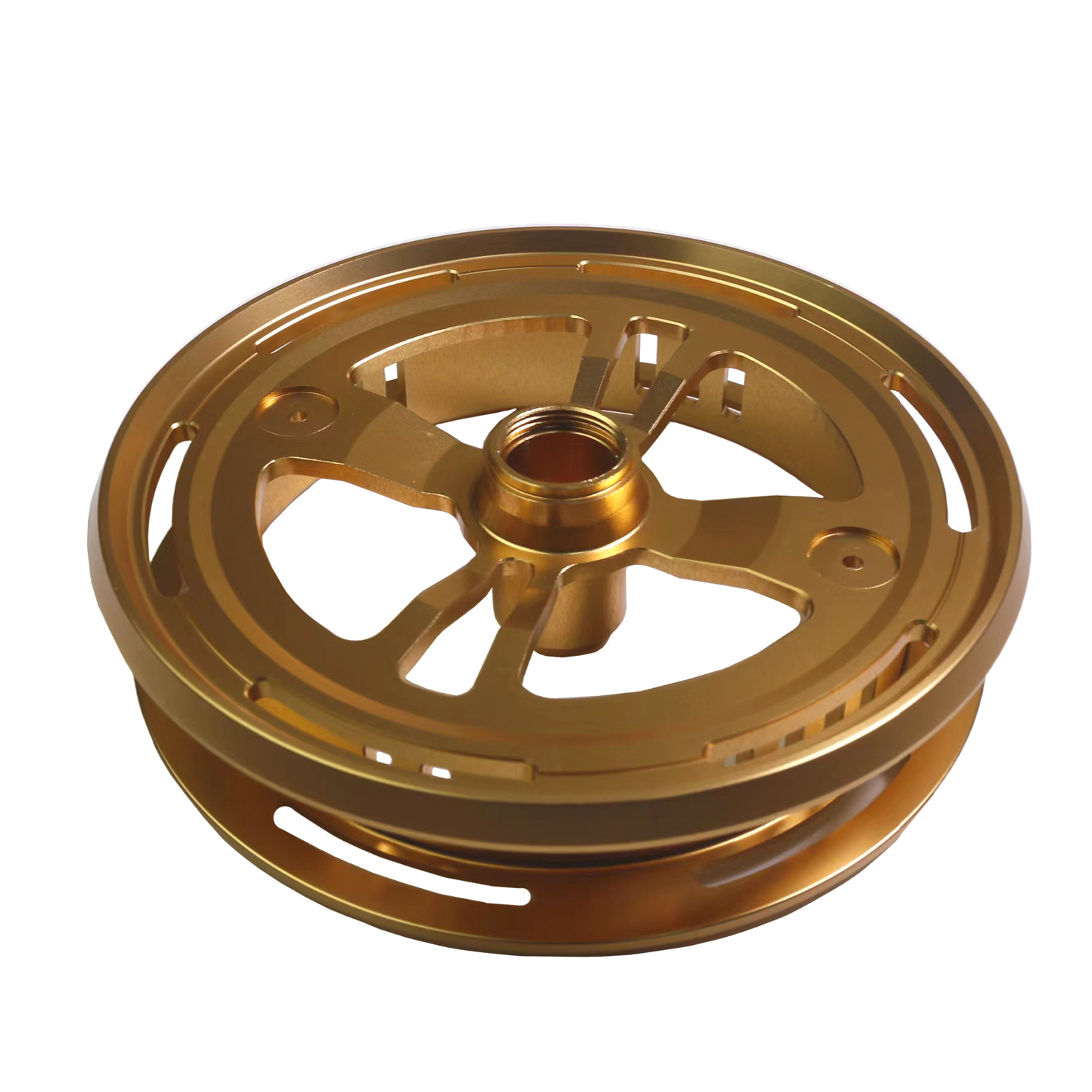
Proven Track Record & Facility Overview
Founded in 2011 and located in Dongguan’s Chang’an District—China’s “Hardware and Mould Capital”—GreatLight operates from a 7600-square-meter facility with 150 skilled employees and 127 pieces of precision equipment. With three wholly-owned manufacturing plants, the company specializes in rapid prototyping and precision machining, serving clients across the globe for over a decade.
Comprehensive Service Portfolio & One-Stop Solutions
GreatLight offers end-to-end manufacturing services, eliminating the need to work with multiple suppliers:
CNC machining (3-axis, 4-axis, 5-axis)
Die casting and mold manufacturing
Sheet metal fabrication
Metal and plastic 3D printing (SLM, SLA, SLS)
One-stop post-processing (anodizing, powder coating, polishing, plating, etc.)
This full-process chain saves clients time, reduces logistics costs, and ensures consistency in part quality and finish.
Rigorous Quality Certifications & Guarantees
GreatLight’s commitment to quality is backed by a suite of international certifications:
ISO 9001:2015 (quality management system)
IATF 16949 (automotive and engine component manufacturing)
ISO 13485 (medical hardware production)
ISO 27001 (data security for intellectual property-sensitive projects)
To further instill trust, GreatLight offers:
±0.001mm precision for high-tolerance parts
Maximum processing size of 4000mm for large components
After-sales guarantee: Free rework for quality issues, with a full refund if rework still doesn’t meet requirements
Client Success Stories
GreatLight’s real-world impact speaks for itself:
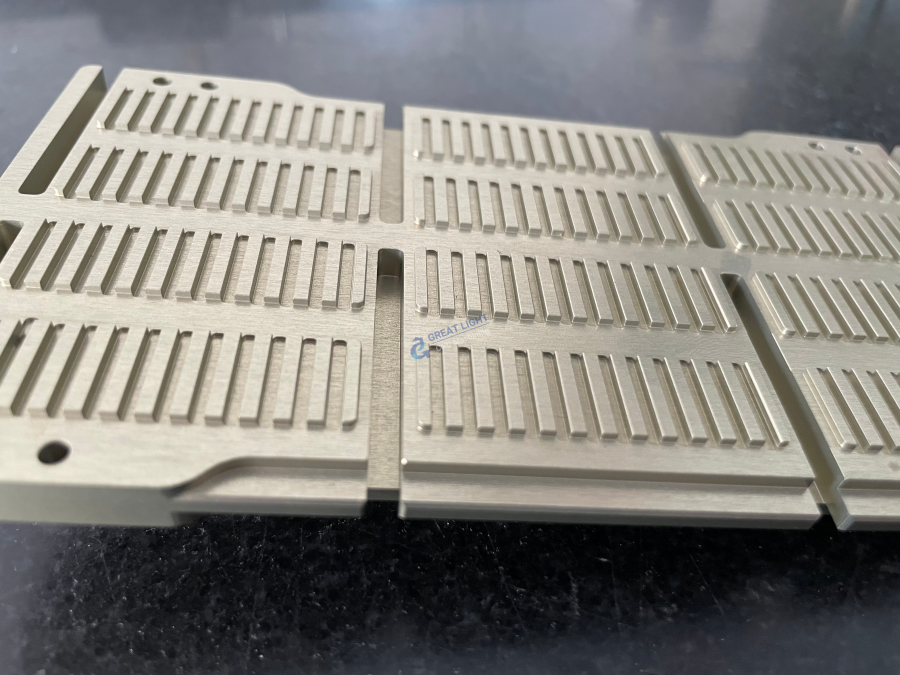
New Energy Vehicle E-Housing: For an EV startup, GreatLight used 5-axis machining to produce complex e-motor housings in 10 days, meeting the client’s accelerated R&D timeline while ensuring heat dissipation and structural integrity.
Medical Surgical Instruments: GreatLight manufactured titanium alloy surgical tools with ±0.002mm tolerances, adhering to ISO 13485 standards and passing strict regulatory inspections.
Humanoid Robot Joints: The company machined aluminum alloy robot joints with smooth, precision surfaces, enabling fluid movement and reducing wear over time.
Conclusion
Whether you’re a product designer refining a prototype or a procurement engineer sourcing production parts, understanding What Is CNC In Machining? is critical to making informed manufacturing decisions. CNC machining’s precision, efficiency, and versatility make it the go-to technology for modern precision parts, but its true value depends on partnering with a provider that combines technical expertise, quality control, and customer-centric service. GreatLight CNC Machining Factory’s decade-long track record, comprehensive capabilities, and industry-leading guarantees make it the ideal partner for turning your most complex design visions into reality. For more insights into their work, connect with GreatLight Metal Tech Co., LTD. [opens in new window] to explore case studies and tailored solutions.
Frequently Asked Questions (FAQ)
What materials can GreatLight CNC Machining Factory process?
GreatLight works with a wide range of metals (aluminum, stainless steel, titanium, mold steel, brass) and engineering plastics (ABS, PC, PEEK, nylon, acrylic). They also offer specialized 3D printing for metal alloys like stainless steel and titanium.
How precise can CNC machining get at GreatLight?
GreatLight’s CNC machining capabilities can achieve tolerances as tight as ±0.001mm, suitable for high-precision applications in aerospace, medical, and robotics industries. All parts are inspected using advanced coordinate measuring machines (CMMs) to verify compliance.
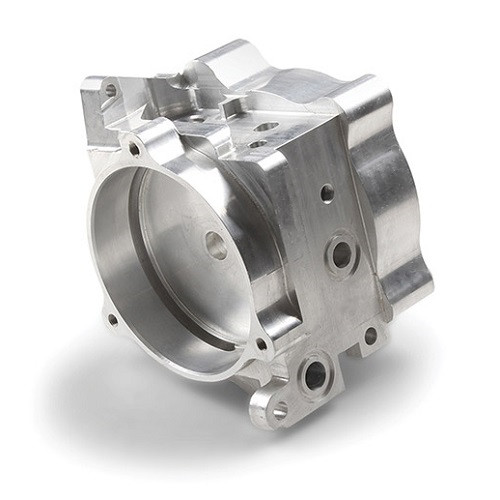
What’s the difference between 3-axis, 4-axis, and 5-axis CNC machining?
3-axis: Moves along X, Y, Z axes—ideal for flat or simple 3D parts.
4-axis: Adds a rotational axis to rotate the workpiece, enabling multi-sided machining without repositioning.
5-axis: Uses two rotational axes to access all sides of a part simultaneously, perfect for complex, contoured parts that would be impossible with lower-axis machines.
How long does a typical CNC machining project take?
Turnaround time varies by project complexity and batch size:
Prototyping: 3–7 days
Small to medium batches: 10–20 days
Large-scale production: Customized timeline optimized for efficiency
Does GreatLight offer post-processing services?
Yes, GreatLight provides one-stop post-processing including anodizing, powder coating, polishing, sandblasting, plating, laser engraving, and more. This ensures consistent finish quality and eliminates the need to coordinate with multiple suppliers.
What happens if I’m not satisfied with the finished parts?
GreatLight offers a comprehensive after-sales guarantee: If parts have quality issues, they provide free rework. If rework still doesn’t meet your requirements, you’ll receive a full refund. Their strict ISO 9001 quality control processes minimize such issues, but the guarantee gives you peace of mind.



















