
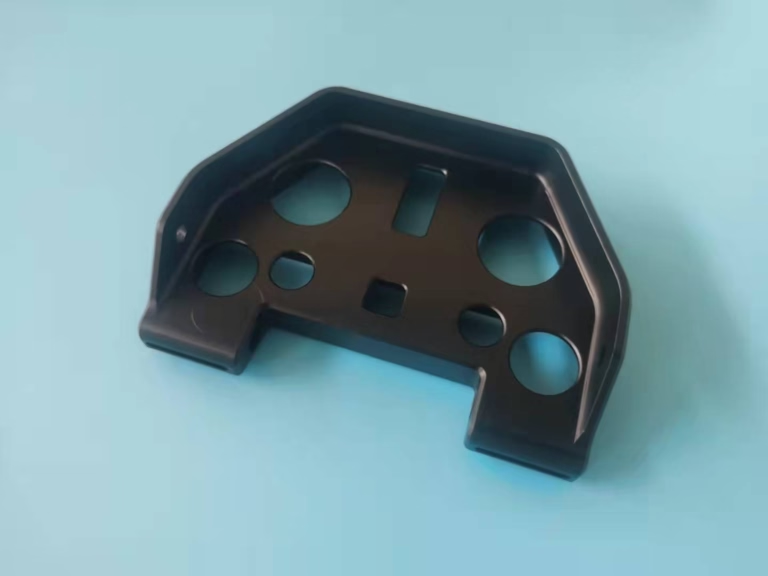
What Is A CNC Laser Cutting Machine? For engineers, product designers, and procurement specialists in the precision parts industry, this question is more than a technical curiosity—it’s a key to unlocking efficient, high-quality manufacturing solutions for complex components. At its core, a CNC laser cutting machine is a computer-controlled tool that uses a focused, high-power laser beam to melt, burn, or vaporize material, leaving a clean, precise cut edge. Unlike manual cutting methods, it follows digital design files (like CAD or CAM) with unparalleled accuracy, making it a staple in modern rapid prototyping and mass production workflows.
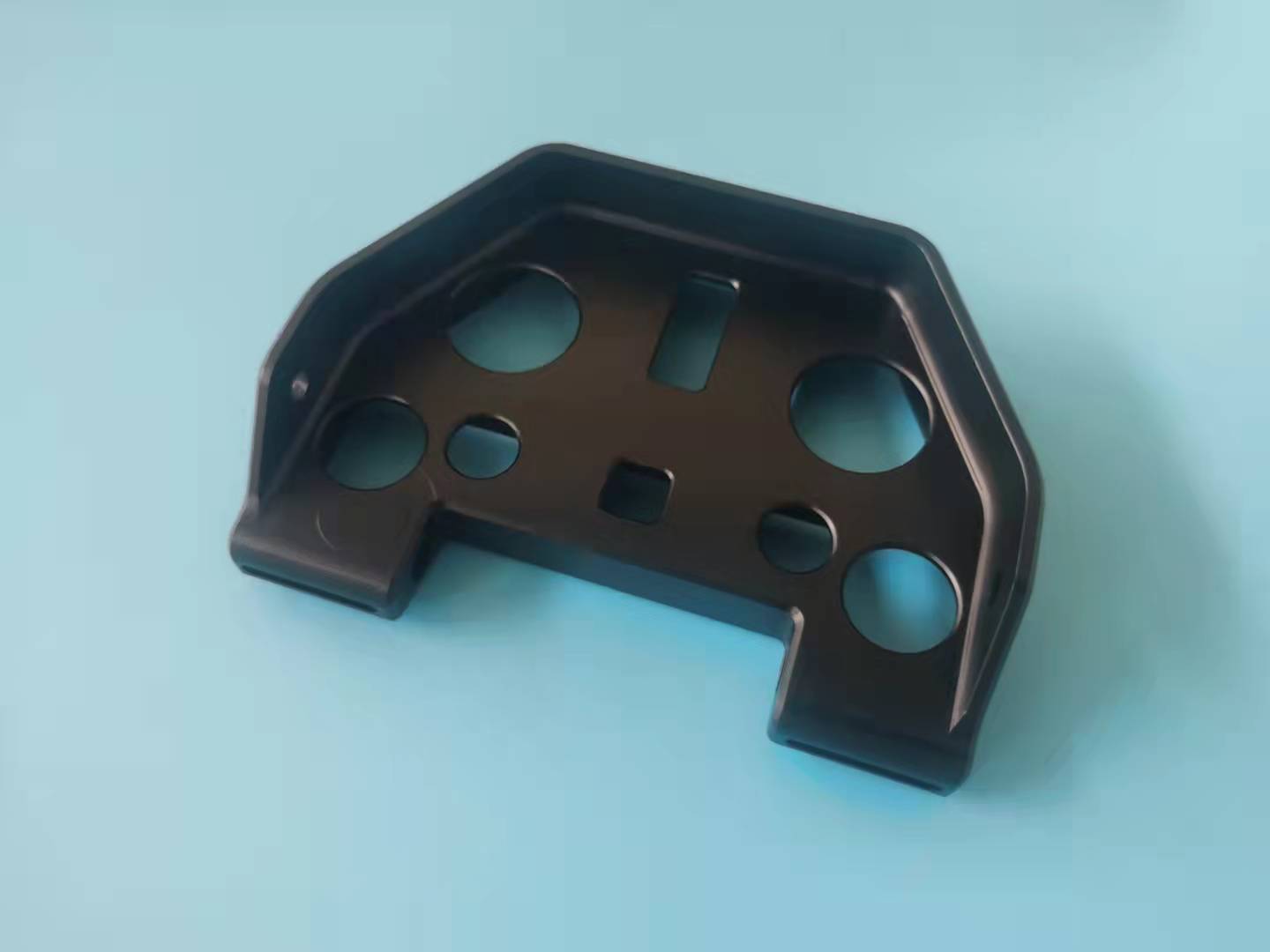
What Is A CNC Laser Cutting Machine?
To fully appreciate the value of this technology, it’s important to dive into its core mechanics, components, and variations.
Core Definition and Working Principle
CNC (Computer Numerical Control) laser cutting combines two critical technologies: laser thermal energy and automated precision control. Here’s a step-by-step breakdown of how it works:
Laser Generation: A laser source (fiber, CO₂, or Nd:YAG) produces a high-intensity, coherent beam of light.
Beam Focusing: Mirrors or fiber optics guide the beam to a focusing lens, which narrows it to a tiny spot (often less than 0.1mm in diameter) to maximize energy density.
Automated Control: The CNC system translates digital design files into G-code, a set of instructions that dictate the laser’s path, speed, and power.
Material Cutting: When the focused beam hits the material, it heats the target area to its melting, burning, or vaporization point. Auxiliary gases (oxygen, nitrogen, or compressed air) blow away the molten material, creating a clean cut.
Quality Assurance: Sensors in the machine monitor the cutting process in real time, adjusting parameters to maintain consistency across the entire part.
Key Components of a CNC Laser Cutting Machine
Every CNC laser cutting machine is built from specialized components that work together to deliver precise results:
Laser Source: The heart of the machine—fiber lasers are ideal for metals, CO₂ lasers for non-metals, and Nd:YAG lasers for versatile use cases.
CNC Control System: A user-friendly interface that allows operators to load designs, adjust parameters, and monitor the cutting process.
Beam Delivery System: A network of mirrors (for CO₂ lasers) or fiber optics (for fiber lasers) that directs the laser beam to the cutting head with minimal energy loss.
Cutting Table: A stable platform that holds the material in place, often with vacuum clamping or magnetic fixtures to prevent movement during cutting.
Auxiliary Gas System: Provides gases to clear molten material, prevent oxidation, or enhance cutting speed depending on the material type.
Safety Features: Enclosures, smoke extractors, and laser safety interlocks to protect operators from laser exposure and harmful fumes.
Common Types of CNC Laser Cutting Machines
The right laser type depends on your material, thickness, and application requirements:
Fiber Laser Cutters: The most widely used type in industrial precision manufacturing. They excel at cutting metals (carbon steel, stainless steel, aluminum, titanium) with high precision and low energy consumption. Ideal for automotive chassis components, aerospace brackets, and medical device parts.
CO₂ Laser Cutters: Designed for non-metals (acrylic, wood, plastic, fabric) and thin sheet metals. They are commonly used for signage, packaging, and consumer electronics enclosures.
Nd:YAG Laser Cutters: A versatile option that can cut both metals and some non-metals. While they have higher energy costs, they are preferred for small-scale medical device production and jewelry manufacturing.
Disk Laser Cutters: A newer technology with a stable, high-power beam. They are capable of cutting thick metal plates (up to 30mm carbon steel) with exceptional precision, making them suitable for heavy industrial applications.
Why CNC Laser Cutting Is Indispensable for Precision Parts Manufacturing
CNC laser cutting has revolutionized precision parts production by addressing many of the limitations of traditional cutting methods. Its key benefits include:
Unmatched Precision: Achieves tolerances as tight as ±0.01mm, critical for components that require perfect fit and function (e.g., aerospace sensors, medical implants).
Material Versatility: Handles over 50 different materials, from thin sheet metal to thick steel plates, and from delicate plastics to high-strength titanium alloys.
Speed and Efficiency: Faster than mechanical cutting for complex designs, reducing lead times from weeks to days for rapid prototyping projects.
Minimal Waste: The narrow kerf (cut width) of laser beams means less material is lost during cutting, lowering production costs for high-value materials like titanium.
Complex Geometries: Can cut intricate shapes, curves, and micro-holes that are impossible to achieve with sawing, shearing, or plasma cutting.
Clean, Burr-Free Edges: Eliminates the need for extensive post-processing (like deburring) for many parts, saving time and resources.
At GreatLight CNC Machining Factory, we integrate CNC laser cutting into our sheet metal processing services to deliver these benefits to clients across industries. Whether you need a prototype for a medical device enclosure or a batch of automotive heat shields, our laser cutting capabilities ensure your parts meet the highest standards of precision and consistency.
How GreatLight CNC Machining Factory Leverages CNC Laser Cutting for Client Success
GreatLight CNC Machining Factory, founded in 2011 in Dongguan’s Chang’an District (China’s “Hardware and Mould Capital”), has built a reputation for excellence in precision manufacturing by combining CNC laser cutting with its comprehensive suite of services. Here’s how we stand out:
State-of-the-Art Laser Cutting Equipment
Our 7600-square-meter facility houses over 127 precision machines, including high-power fiber and CO₂ laser cutters. Our fiber lasers can cut up to 20mm carbon steel, 10mm stainless steel, and 6mm aluminum, while our CO₂ lasers handle non-metal materials with equal precision. This equipment is regularly calibrated and maintained to ensure consistent results.
Integration with One-Stop Manufacturing Solutions
CNC laser cutting is just one step in our end-to-end service offering. After cutting, we provide a full range of post-processing and complementary services:
CNC machining (3-axis, 4-axis, 5-axis) to add critical features like threaded holes or precision slots.
Surface finishing (powder coating, anodizing, electroplating, sandblasting) to enhance durability and aesthetics.
Assembly services to turn individual parts into functional subassemblies or finished products.
For example, a recent project with a European medical device client required custom stainless steel enclosures with complex cutouts. We used fiber laser cutting to achieve ±0.01mm tolerances, followed by deburring, passivation (to prevent corrosion), and assembly of electronic components. The client received fully functional enclosures ready for clinical trials, eliminating the need to coordinate with multiple vendors.
Rigorous Quality Assurance
As an ISO 9001:2015 certified manufacturer, we adhere to strict quality control protocols. Every laser-cut part is inspected using in-house precision measurement equipment (including coordinate measuring machines) to ensure it meets client specifications. We also offer a no-risk after-sales guarantee: free rework for quality issues, and a full refund if rework is still unsatisfactory.
Industry-Specific Expertise
GreatLight has deep experience serving clients in high-demand sectors:
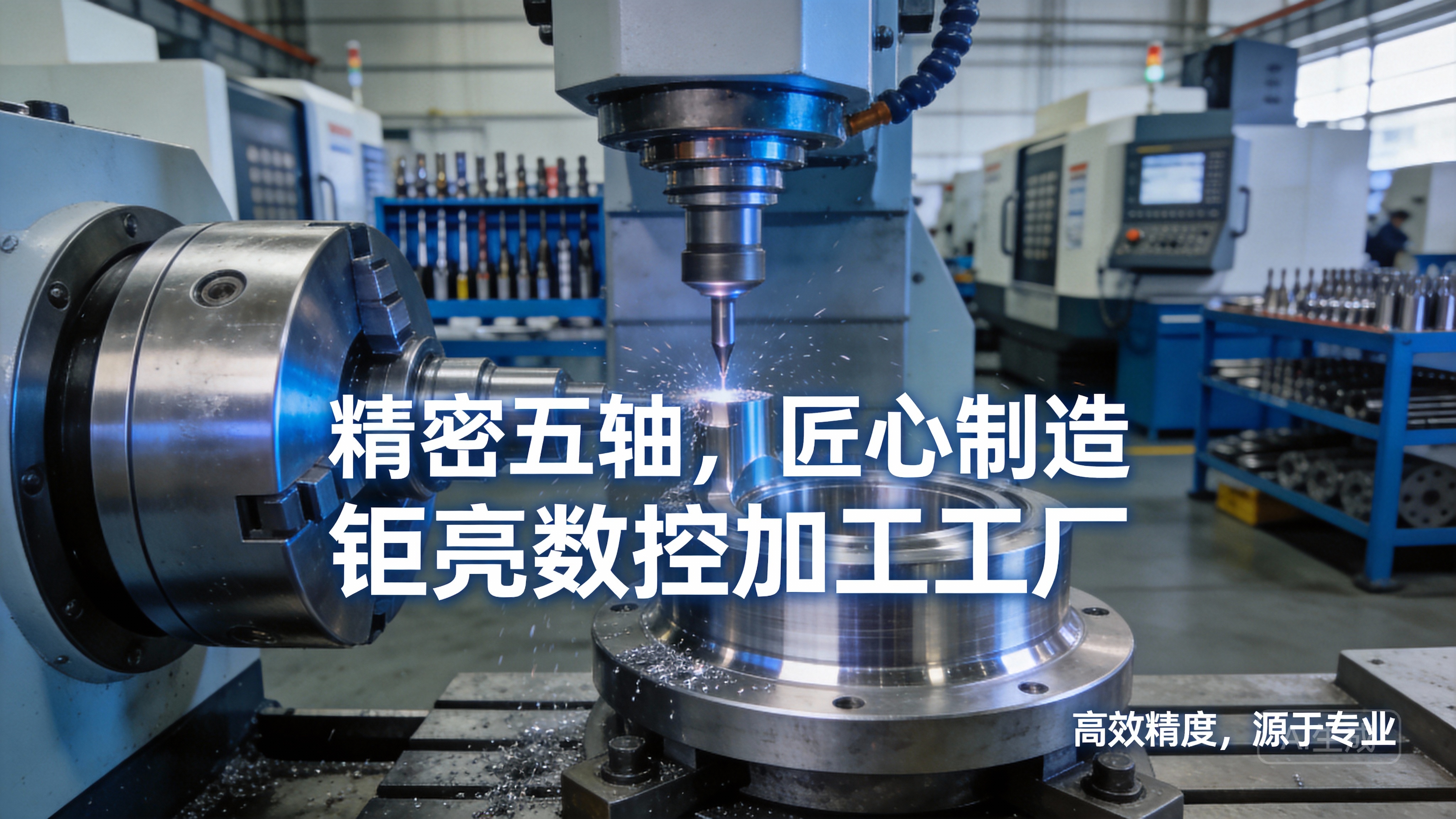
Automotive: Cutting heat shields, chassis brackets, and engine components that meet IATF 16949 standards.
Medical: Producing surgical instrument parts and device enclosures compliant with ISO 13485.
Aerospace: Fabricating lightweight aluminum and titanium components with tight tolerances for satellite and aircraft systems.
Comparing CNC Laser Cutting with Traditional Cutting Methods
While CNC laser cutting is a powerful tool, it’s important to understand when other methods may be more suitable. The table below compares CNC laser cutting with common traditional cutting methods:
| Factor | CNC Laser Cutting | Plasma Cutting | Waterjet Cutting | Mechanical Cutting |
|---|---|---|---|---|
| Precision Tolerance | ±0.01–0.02mm | ±0.1–0.5mm | ±0.02–0.1mm | ±0.05–0.2mm |
| Material Compatibility | Metals, non-metals, composites | Thick metals only | Most materials (including heat-sensitive) | Metals, plastics (limited complex shapes) |
| Cutting Speed | Fast for complex designs | Fast for thick metals | Slowest | Slow for complex shapes |
| Edge Quality | Burr-free, smooth | Rough edges (needs finishing) | Smooth, no heat distortion | May have burrs |
| Material Waste | Low (narrow kerf) | Moderate | Moderate | High (wide kerf) |
| Cost (per part) | Moderate to high | Low to moderate | High | Low to moderate |
We take a neutral, client-centric approach at GreatLight: we evaluate your project’s material, thickness, tolerance, and cost requirements to recommend the best cutting method. For example, plasma cutting may be more cost-effective for 25mm+ carbon steel plates, while waterjet cutting is ideal for heat-sensitive plastics that cannot withstand laser heat.
Key Considerations When Choosing a CNC Laser Cutting Service Provider
Not all CNC laser cutting services are created equal. To ensure you get high-quality parts on time and within budget, look for these critical factors:
Equipment Quality: Choose providers with modern, well-maintained laser cutters from reputable brands. Outdated equipment may struggle to meet tight tolerances or handle thick materials.
Certifications and Compliance: Look for ISO 9001 certification to ensure consistent quality, as well as industry-specific certifications (like IATF 16949 for automotive or ISO 13485 for medical) if you operate in regulated sectors.
Material and Thickness Capability: Verify that the provider can cut your specific material and thickness. GreatLight’s fiber lasers handle up to 20mm carbon steel, while our CO₂ lasers cut non-metals up to 50mm thick.
After-Sales Support: A provider that offers free rework or refunds for quality issues shows they stand behind their work. GreatLight’s after-sales guarantee gives clients peace of mind.
One-Stop Services: Providers that offer post-processing and complementary services (like CNC machining or assembly) save you time and reduce coordination overhead.
Conclusion
In summary, understanding “What Is A CNC Laser Cutting Machine?” is essential for anyone looking to source precision parts efficiently and cost-effectively. CNC laser cutting combines precision, versatility, and speed to meet the demands of modern manufacturing, from rapid prototyping to mass production. Providers like GreatLight CNC Machining Factory leverage this technology alongside their comprehensive suite of services to deliver end-to-end solutions that solve real client problems. With state-of-the-art equipment, industry-leading certifications, and a client-centric approach, GreatLight is a trusted partner for businesses across automotive, medical, aerospace, and consumer electronics sectors. Whether you’re a startup launching a new product or an established enterprise scaling production, CNC laser cutting is a powerful tool to bring your designs to life. What Is A CNC Laser Cutting Machine? It’s more than a piece of equipment—it’s a catalyst for innovation and efficiency in precision parts manufacturing.
Frequently Asked Questions (FAQs)
What materials can a CNC laser cutting machine cut?
Fiber lasers cut metals (carbon steel, stainless steel, aluminum, copper, titanium), while CO₂ lasers cut non-metals (acrylic, wood, plastic, fabric, cardboard). GreatLight can cut over 50 materials, including specialty alloys for aerospace and medical applications.
What is the maximum thickness a CNC laser cutting machine can handle?
This depends on the laser type and power. Fiber lasers can cut up to 20mm carbon steel, 10mm stainless steel, and 6mm aluminum. GreatLight’s high-power fiber laser cutters can handle these thicknesses and more for custom projects.
How tight are the tolerances for CNC laser cutting?
Typically ±0.01–0.02mm for fiber laser cutting, which is sufficient for most precision applications. When paired with additional CNC machining operations, GreatLight can achieve even tighter tolerances (±0.001mm) for critical components.
What is the lead time for CNC laser cutting services?
Lead times vary based on project complexity and volume. GreatLight offers rapid prototyping services with lead times as short as 1–3 days for small batches, and 7–15 days for mass production orders.
Do I need to provide finished CAD files for CNC laser cutting?
Yes, we prefer DXF, DWG, or STEP files. If you need help optimizing your design for laser cutting efficiency, GreatLight’s engineering team can assist with modifications to reduce waste and improve precision.
What post-processing services are available after CNC laser cutting?
GreatLight offers a full range of post-processing services, including deburring, grinding, powder coating, anodizing, electroplating, passivation, and assembly. These services ensure your parts are ready for immediate use or integration into final products.
How do I get a quote for CNC laser cutting services?
To get a detailed quote, share your design files, material specifications, quantity, and tolerance requirements with our team. We will provide a customized quote within 24 hours, including lead times and post-processing costs.
Is CNC laser cutting environmentally friendly?
Compared to traditional cutting methods, CNC laser cutting produces less material waste due to its narrow kerf. GreatLight also uses energy-efficient fiber lasers and implements waste reduction practices (like recycling scrap metal) to minimize our environmental impact.



















