
In the world of precision parts machining and customization, CNC (Computer Numerical Control) machine operators play a pivotal role. So, what exactly do CNC machine operators do? Let’s find out!
Understanding the Basics of CNC Machining
CNC machining involves the use of computerized controls to operate and manipulate machine tools such as lathes, mills, routers, and grinders. These machines are capable of producing highly precise and complex parts with tight tolerances, which is crucial in industries like aerospace, automotive, medical, and humanoid robots.
The Responsibilities of CNC Machine Operators
1. Machine Setup
Loading Materials: CNC machine operators are responsible for loading the appropriate raw materials, such as metals (e.g., aluminum, steel, titanium), plastics, or composites, into the machine. They need to ensure that the materials are properly positioned and secured to prevent movement during the machining process.
Selecting Tools: Based on the requirements of the part being machined, operators must select the correct cutting tools. This includes choosing the right type of drill bits, end mills, and inserts. They also need to ensure that the tools are sharp and in good condition to achieve high – quality machining.
Programming and Calibration: Operators input the CNC program into the machine’s control system. This program contains instructions that tell the machine how to move, what operations to perform, and at what speeds. They also perform calibration tasks to ensure the machine is accurately set up to produce parts within the specified tolerances.
2. Machining Operations
Monitoring the Process: During the machining process, operators closely monitor the machine’s performance. They check for any signs of issues such as abnormal vibrations, tool wear, or incorrect cutting parameters. They use sensors and monitoring devices integrated with the CNC system to stay informed about the machining status.
Adjusting Parameters: If they detect any problems or if the part quality starts to deviate from the specifications, operators can make real – time adjustments to the cutting speed, feed rate, or other parameters. This requires a good understanding of how these factors affect the machining process.
3. Quality Control
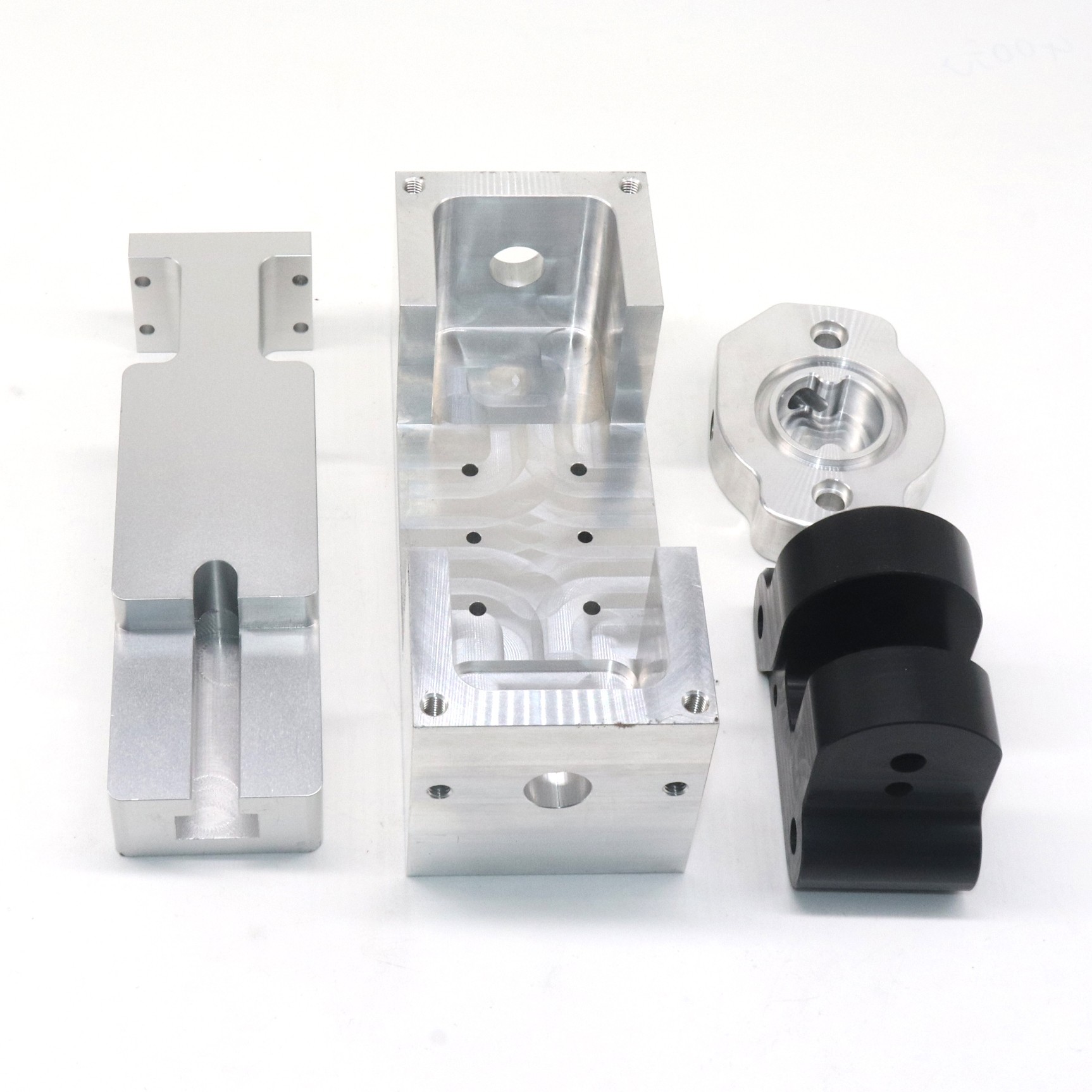
Inspecting Parts: After the machining is complete, operators inspect the finished parts using precision measurement tools such as calipers, micrometers, and coordinate measuring machines (CMMs). They check the dimensions, surface finish, and other critical features of the parts against the engineering drawings and specifications.
Identifying Defects: If they find any defects, they need to determine the root cause. This could be due to tool wear, incorrect programming, or machine malfunctions. They then take appropriate actions, such as replacing the tool, reprogramming the machine, or performing maintenance.
4. Maintenance and Troubleshooting
Machine Maintenance: CNC machine operators are also involved in routine maintenance tasks. This includes cleaning the machine, lubricating moving parts, and checking for any loose connections. Regular maintenance helps to ensure the machine’s reliability and longevity.
Troubleshooting: When the machine experiences problems or breaks down, operators are often the first ones to diagnose the issue. They use their knowledge of the machine’s operation and control systems to identify the problem and take steps to fix it. In some cases, they may need to coordinate with maintenance technicians for more complex repairs.
GreatLight CNC Machining Factory: Where CNC Operators Shine
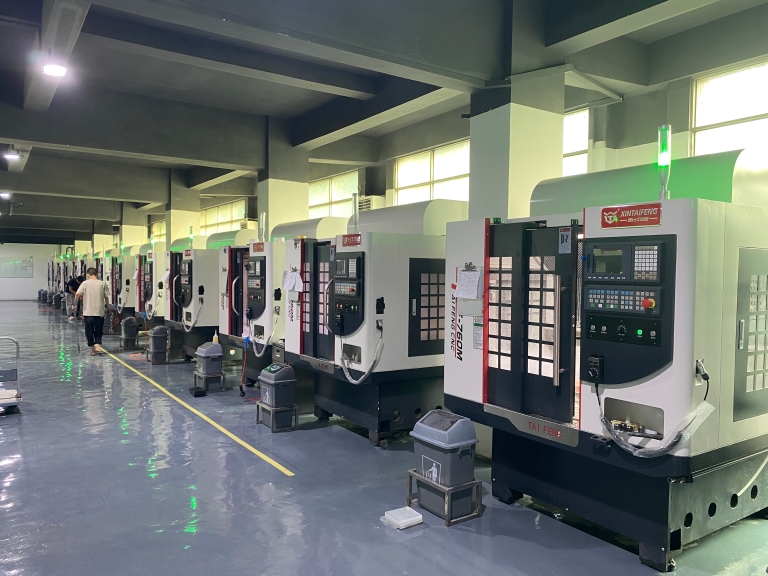
GreatLight CNC Machining Factory is a professional five – axis CNC machining manufacturer. Established in 2011 and located in Chang’an District, Dongguan City, China, it boasts advanced five – axis CNC machining equipment and production technology. With a 7600 – square – meter factory and 150 employees, it is equipped with 127 pieces of precision peripheral equipment.
The CNC machine operators at GreatLight are highly skilled and experienced. They leverage the state – of – the – art equipment to solve metal parts manufacturing challenges. Whether it’s customizing parts for humanoid robots, automotive engines, or aerospace applications, the operators ensure that each part meets the highest quality standards. The factory also provides one – stop post – processing and finishing services, and the operators are involved in overlooking the entire process from start to finish.
GreatLight is an ISO 9001:2015 certified manufacturer. This means that the production lines follow strict quality standards, and the CNC operators are trained to adhere to these standards. They use in – house precision measurement and testing equipment to verify that all materials and parts meet the clients’ specifications. The operators also benefit from the factory’s compliance with other ISO standards such as ISO 27001 (for data security), ISO 13485 (for medical hardware production), and IATF 16949 (for the automotive and engine hardware component industries).
Conclusion
In conclusion, CNC machine operators are the backbone of precision parts machining and customization. They are responsible for setting up machines, performing machining operations, ensuring quality control, and maintaining and troubleshooting the equipment. At GreatLight CNC Machining Factory, these operators’ skills and expertise are harnessed to provide high – precision, customized parts to clients in various industries. Whether you need complex parts manufactured from 3D designs or finished products for high – end conference presentations, GreatLight’s CNC machine operators can quickly produce prototypes and parts within days using 3 – axis, 4 – axis, and 5 – axis CNC machining technology.
Frequently Asked Questions (FAQ)
Q1: What skills do CNC machine operators need?
A: CNC machine operators need to have a good understanding of machining principles, be proficient in reading engineering drawings, have basic programming skills, and be able to use precision measurement tools. They also need to have problem – solving and troubleshooting abilities.
Q2: How long does it take to become a CNC machine operator?
A: The time it takes to become a CNC machine operator can vary. A basic training program may take a few months, but to become highly skilled and experienced, it may take several years of on – the – job training.
Q3: Can CNC machine operators work on different types of materials?
A: Yes, CNC machine operators can work on a wide range of materials, including metals (such as aluminum, steel, and titanium), plastics, and composites. They need to adjust the machining parameters according to the properties of the material.
Q4: What is the role of CNC machine operators in quality control?
A: CNC machine operators play a crucial role in quality control. They inspect the finished parts using precision measurement tools, check for defects, and take corrective actions if the parts do not meet the specifications. They also monitor the machining process to prevent quality issues from occurring.
Q5: How does GreatLight ensure the quality of parts produced by its CNC machine operators?
A: GreatLight is an ISO 9001:2015 certified manufacturer. The production lines follow strict quality standards, and the operators are trained to adhere to these standards. The factory also has in – house precision measurement and testing equipment to verify that all materials and parts meet the clients’ specifications. In case of quality problems, the factory offers free rework and a full refund if rework is still unsatisfactory.



















