
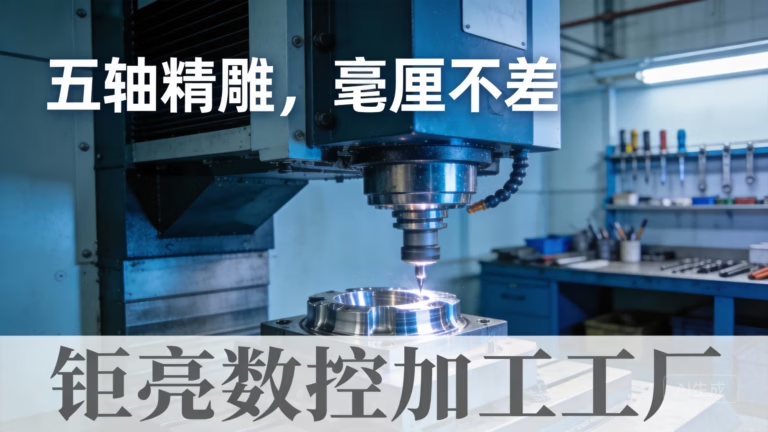
In the world of modern manufacturing, if there’s one question that captures the boundless potential of digital fabrication, it’s undoubtedly: What All Can You Make With A CNC Machine? As a senior manufacturing engineer with over a decade of experience in precision parts machining and customization, I’ve witnessed this technology evolve from a tool for simple milling to the cornerstone of innovation across virtually every industry. The short answer is: almost anything designed by human ingenuity, provided it fits within the machine’s work envelope and the laws of physics. From the microscopic components in your smartphone to the colossal structural parts of an aircraft, the realm of CNC machining is defined by its unparalleled versatility, precision, and repeatability.
The Core Principle: Digital Blueprint to Physical Reality
At its heart, CNC (Computer Numerical Control) machining is a subtractive manufacturing process. It starts with a solid block of material—metal, plastic, composite, or even wood—and uses computer-controlled cutting tools to remove material with extreme accuracy, following a pre-programmed digital 3D model. This fundamental process allows for the creation of parts with complex geometries, tight tolerances (down to ±0.001mm/0.00004″), and excellent mechanical properties that are often critical for functional applications.
A Universe of Applications: By Industry
To truly appreciate the scope, let’s explore what you can make with a CNC machine across key sectors:
H2: Aerospace & Aviation
This industry sets the gold standard for precision and reliability. CNC machines are indispensable for manufacturing:
Engine Components: Turbine blades, fuel system housings, combustion chambers, and brackets. These parts often require exotic materials like Inconel or titanium, machined to withstand extreme temperatures and stresses.
Airframe Structures: Wing ribs, bulkheads, landing gear components, and antenna housings. Lightweighting through complex internal structures is a key capability enabled by advanced multi-axis CNC machining.
Interior & System Parts: Precision fittings, hydraulic manifolds, and custom fasteners.
H3: Automotive & Transportation (Including New Energy Vehicles)
From prototyping to high-volume production, CNC machining drives automotive innovation.
Power Train: Engine blocks, cylinder heads, transmission cases, and complex gear systems.
E-Mobility: Battery enclosure housings (often with intricate cooling channels), motor end plates, power electronic casings, and lightweight structural components for chassis.
Custom & Performance: Aftermarket parts, custom suspension components, and prototypes for next-generation vehicle designs.
H3: Medical & Life Sciences
Where biocompatibility and flawless precision are non-negotiable, CNC machining delivers.
Surgical Instruments: Scalpels, forceps, bone reamers, and orthopedic guides.
Implants: Knee, hip, spinal, and dental implants from titanium or cobalt-chrome alloys.
Diagnostic Equipment: Housings for MRI and CT scanners, fluidic components for analyzers, and micro-scale parts for lab-on-a-chip devices.
H3: Industrial Machinery & Robotics
This is the backbone of manufacturing itself.
Automation Components: Robotic end-effectors (grippers), actuator housings, precision gears, and linear motion guides.
Machine Tool Parts: Spindles, tool holders, and custom fixtures. It’s a classic case of CNC machines being used to build and repair other CNC machines.
Hydraulic & Pneumatic Systems: Valve bodies, pump housings, and complex manifolds with intricate internal passageways.
H3: Consumer Electronics & Telecommunications
The miniaturization and aesthetics of your devices rely heavily on CNC.
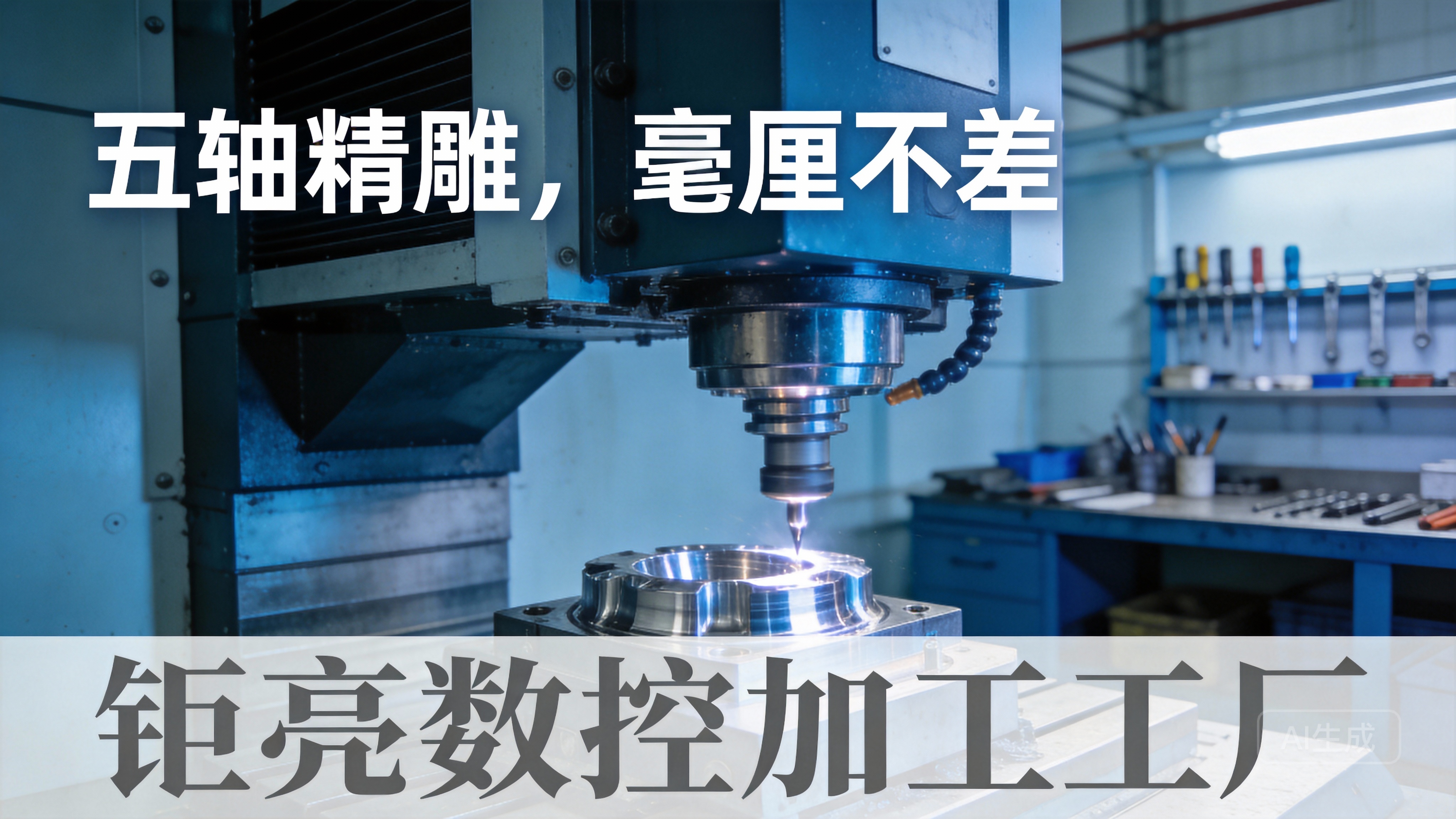
Enclosures & Housings: Unibody laptop cases, smartphone mid-frames, router housings, and wearable device bodies, often requiring seamless finishes.
Internal Components: Heat sinks with complex fin structures, connector ports, waveguide components for 5G, and antenna brackets.
H3: Energy & Defense
Sectors demanding utmost reliability under harsh conditions.
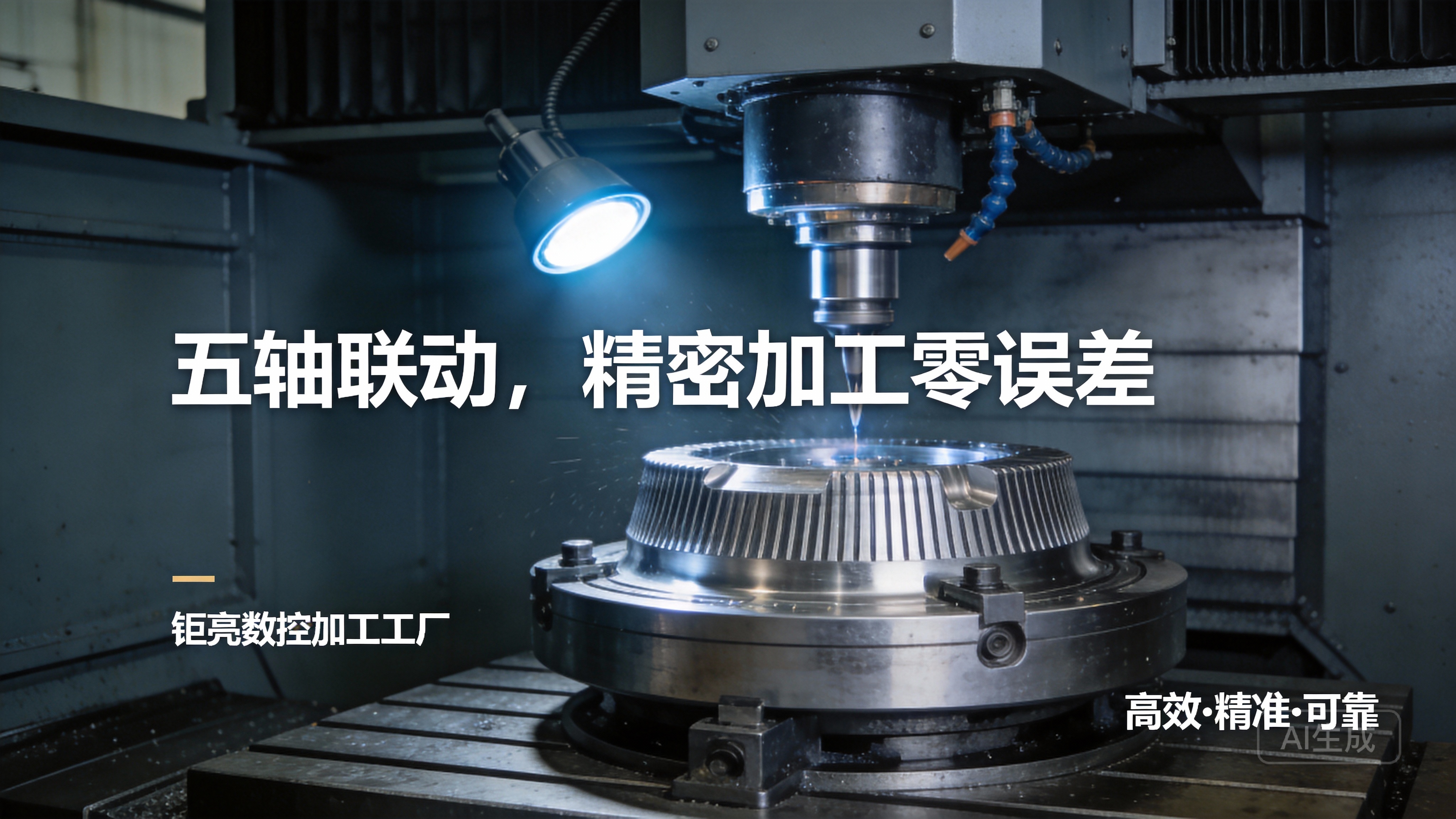
Energy: Components for turbines (wind, gas), heat exchangers, drill head parts for oil & gas, and housings for nuclear instrumentation.
Defense: Fire control system components, optical mounts, radar system parts, and ruggedized communication equipment enclosures.
H2: The Spectrum of Part Types and Complexities
Beyond industries, we can categorize what you can make by part type:
Prototypes & Functional Models: The fastest route from a CAD model to a hands-on, testable part, crucial for design verification and investor presentations.
Low to Medium Volume Production: An ideal solution for bridge production, specialized equipment, or products where the cost of hard tooling (like injection molds) is not yet justified.
Tooling, Molds & Dies: CNC is the primary method for creating the molds used in injection molding, die casting, and stamping. This includes complex precision 5-axis CNC machining services{:target=”_blank”} for sculpted surfaces in consumer product molds.
Custom One-Offs & Art: From bespoke automotive parts to architectural metalwork and intricate sculptures, CNC brings unique designs to life.
Parts with Extreme Features: This includes components with deep cavities, thin walls, micro-holes, fine threads, and true 3D contoured surfaces that are impossible with conventional machining.
H3: The Game Changer: Advanced Multi-Axis Capability
The question of “what you can make” expands exponentially with the number of axes. While 3-axis machines are workhorses for prismatic parts, the addition of a 4th or 5th axis unlocks the ability to machine highly complex parts in a single setup.
5-Axis CNC Machining: This is the pinnacle for complex parts. It allows the cutting tool to approach the workpiece from virtually any direction in a single operation. This is essential for:
Impellers and blisks (bladed disks).
Aerospace structures with compound curves.
Complex medical implants.
Intricate molds and dies.
Parts requiring machining on five sides without repositioning, ensuring higher accuracy and better surface finish.
Conclusion: Your Design, Our Precision – The Partnership Potential
So, what all can you make with a CNC machine? The better question might be: What do you need to create? The technology is a powerful enabler, but its true potential is realized in partnership with a manufacturer that possesses not just advanced equipment, but also deep engineering expertise, rigorous quality systems, and a commitment to turning your vision into reality.
This is where specialists like GreatLight CNC Machining Factory excel. With a comprehensive ecosystem that includes advanced 5-axis CNC centers, integrated 3D printing for hybrid workflows, and full in-house post-processing, we transform complex digital designs into high-performance physical parts. Our adherence to international standards like ISO 9001:2015 and IATF 16949 provides the trust framework, while our engineering team works as an extension of your R&D department to solve material, tolerance, and manufacturability challenges.
Whether you are developing the next breakthrough in humanoid robotics, a life-saving medical device, or a high-performance automotive component, the capabilities of modern CNC machining, backed by a proficient manufacturing partner, are ready to bring your most ambitious ideas to life with precision and reliability.
Frequently Asked Questions (FAQ)
Q1: Are there any design limitations to what a CNC machine can make?
A: While incredibly versatile, limitations do exist. These include:
Internal Sharp Corners: Cutting tools are round, so true 90-degree internal corners are impossible; a small radius will always remain.
Extreme Aspect Ratios: Very deep, narrow cavities or extremely thin, tall walls can be challenging due to tool deflection and vibration.
Undercuts: Features that are not directly accessible from above may require special tooling or multi-axis setups.
Material Properties: Some very hard or brittle materials may be difficult or expensive to machine. A good manufacturing partner can advise on design for manufacturability (DFM) early in the process.
Q2: How does CNC machining compare to 3D printing for making parts?
A: They are complementary technologies. CNC machining is subtractive, ideal for parts requiring high strength, excellent surface finish, tight tolerances, and a wide range of engineering-grade materials (especially metals). 3D printing is additive, excellent for highly complex, organic geometries, internal lattices for lightweighting, and rapid prototyping of form. Many advanced manufacturers, like GreatLight, offer both to provide the optimal solution for each stage of a product’s lifecycle.
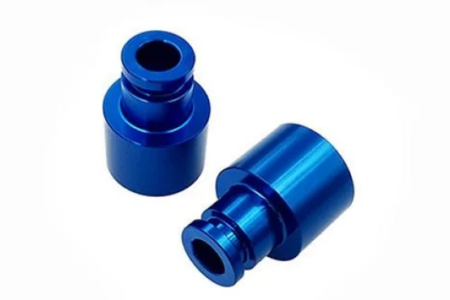
Q3: What is a typical lead time for custom CNC machined parts?
A: Lead time depends on part complexity, quantity, and material availability. Simple prototypes can be delivered in 1-3 days. More complex parts or small-batch production typically require 1-3 weeks. It’s always best to consult with your manufacturer for a precise quote based on your specific drawings and requirements.
Q4: How do you ensure the precision and quality of CNC machined parts?
A: Reputable manufacturers employ a multi-layered approach:
Process Control: Using calibrated, high-end CNC machines and proven machining strategies.
In-Process Inspection: Operators use tools like micrometers and calipers for initial checks.
Final Quality Assurance: Dedicated QC departments use advanced equipment like Coordinate Measuring Machines (CMM), optical scanners, and surface profilometers to verify that every dimension meets the customer’s drawing specifications before shipment.
Q5: What information do I need to provide to get a CNC machining quote?
A: To get an accurate and fast quote, you should provide:
Complete 2D drawings (PDF/DWG) with all critical dimensions, tolerances, geometric tolerancing (GD&T), and surface finish requirements.
3D CAD model (STEP or IGES format is preferred).
Material specification.
Required quantity.
Any special post-processing requirements (e.g., anodizing, plating, painting).
For further insights into the evolving landscape of precision manufacturing and industry trends, you can follow professional discussions on platforms like LinkedIn{:target=”_blank”}.



















