
Navigating the Investment: A Comprehensive Breakdown of Aluminum CNC Machine Costs
As a senior manufacturing engineer with over a decade of experience in precision parts machining and customization, I’m often asked by clients and industry peers: “How much is an aluminum CNC machine?” This seemingly straightforward question opens a complex discussion about capital investment, capability tiers, and long-term manufacturing strategy. The answer is rarely a single number; it’s a range influenced by a multitude of factors that directly impact the precision, throughput, and ultimately, the return on investment for your business.
Understanding this cost structure is crucial, whether you’re considering bringing machining in-house or evaluating the value proposition of partnering with an expert supplier like GreatLight Metal.
The Core Price Spectrum: From Entry-Level to Industrial Powerhouse
The market for CNC machines capable of machining aluminum is vast. Prices can vary by an order of magnitude, primarily dictated by the machine’s size, capability, and precision grade.
1. Desktop & Hobbyist Machines ($3,000 – $20,000)
Typical Machines: Small 3-axis CNC routers or milling machine conversions.
Capability: Suitable for prototyping, hobby projects, or very low-volume production of non-critical parts. Work envelope is limited, often under 1 cubic foot.
Materials: Primarily softer alloys (e.g., 6061). Struggles with harder grades like 7075.
Precision: Tolerances are typically in the range of ±0.005″ to ±0.01″ (0.127mm to 0.254mm). Not suitable for high-precision components.
2. Professional-Grade Vertical Machining Centers (VMCs) ($80,000 – $250,000)
Typical Machines: 3-axis CNC milling machines from brands like Haas, Doosan, or Brother.
Capability: The workhorse of many job shops and in-house manufacturing departments. Can handle a wide range of aluminum parts with good surface finishes and respectable tolerances (±0.001″ or 0.025mm achievable with proper tooling and process).
Work Envelope: Ranges from table sizes of 40″x20″ to larger 50″x30″ models and beyond.
3. High-Performance & 5-Axis Machines ($250,000 – $1,000,000+)
Typical Machines: High-speed machining (HSM) centers, 5-axis simultaneous machining centers (like the Demas and Jingdiao equipment utilized by GreatLight Metal).
Capability: Designed for complex, monolithic aluminum components common in aerospace, automotive, and medical industries. They offer dramatically reduced setup times, ability to machine intricate geometries in a single clamping, and superior surface finishes.
Precision: Capable of holding micron-level tolerances (±0.0005″ / 0.0127mm and tighter) consistently. This tier represents the pinnacle of capability for aluminum machining.
4. Turn-Key Machining Cells & Automation ($500,000 – $2,000,000+)
Setup: A VMC or 5-axis machine integrated with a pallet pool, robot arm, and automated material handling.
Purpose: For high-volume production where lights-out (unattended) operation is required to maximize ROI.
Beyond the Sticker Price: The Critical Hidden Costs of Ownership
The purchase price of the machine is merely the entry ticket. A comprehensive Total Cost of Ownership (TCO) analysis must include:
Tooling & Workholding: A basic tooling package can start at $10,000. High-performance carbide end mills, face mills, drills, and precision vises or fixtures are recurring costs. For complex parts, custom fixtures can cost thousands.
Installation & Foundation: Industrial machines require a robust, level concrete foundation, dedicated high-voltage power (3-phase), and compressed air lines. Installation and rigging services are significant line items.
Software & Programming: CAM software licenses (e.g., Mastercam, Siemens NX) are essential and cost thousands annually. Post-processors must be configured for your specific machine.
Personnel & Training: A skilled CNC programmer and operator commands a competitive salary. Training on a new machine and software is both time-consuming and expensive.
Maintenance & Downtime: Annual maintenance contracts (10-15% of machine cost), spare parts, and the cost of unscheduled downtime must be factored into operational budgets.
Facility Costs: Space, enhanced climate control (for precision work), and additional insurance.
The Strategic Alternative: Partnering with a Precision Machining Service
For many businesses, especially those focused on product development, low-to-medium volume production, or requiring the highest levels of precision without the capital burden, partnering with an established precision machining service is a financially and operationally superior strategy. This is where a partner like GreatLight Metal demonstrates immense value.
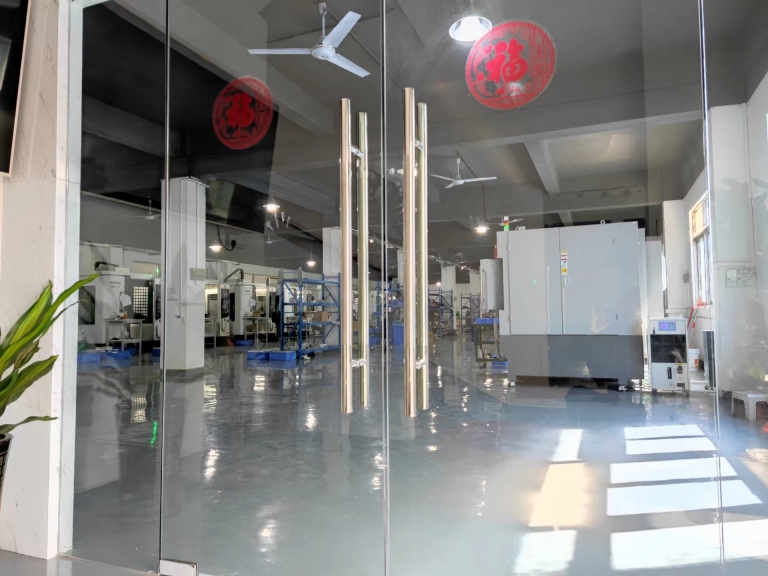
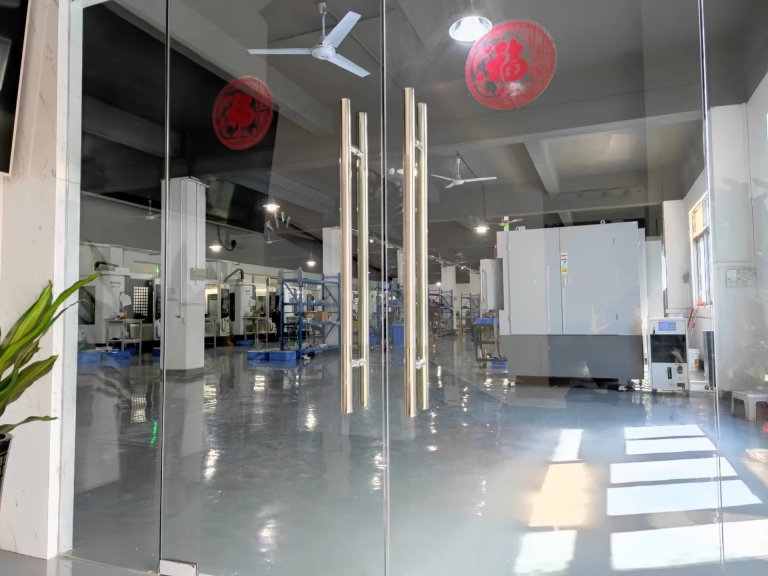
When you engage with GreatLight Metal, you are not just renting time on a machine; you are accessing a complete, integrated manufacturing ecosystem:
Zero Capital Investment: You eliminate the massive upfront capital outlay and long-term debt associated with purchasing a high-end 5-axis CNC machining center.
Access to a Full Technology Stack: Your project is matched with the optimal technology from a portfolio that includes 3-axis, 4-axis, and 5-axis CNC machining, Swiss-type lathes, EDM, and more. You pay only for the process needed.
Absorbed Hidden Costs: All costs of tooling, maintenance, software updates, operator expertise, and quality inspection (using in-house CMMs and other metrology equipment) are bundled into the service.
Guaranteed Precision and Accountability: With certifications like ISO 9001:2015, IATF 16949 (automotive), and ISO 13485 (medical), GreatLight Metal‘s processes are systematized to guarantee the promised tolerances (down to ±0.001mm). The risk of quality failure shifts to the supplier, who offers guarantees like free rework for non-conformance.
Scalability and Flexibility: You can scale production up or down without being constrained by your own machine’s capacity or worrying about idle equipment costs.
Conclusion: It’s About Value, Not Just Price
So, how much is an aluminum CNC machine? A capable production-grade machine starts at around $80,000, with a realistic TCO climbing significantly higher when all factors are considered. For high-precision, complex work, the investment easily surpasses $250,000.
The more pertinent question for businesses seeking aluminum CNC machining is: “What is the most cost-effective and reliable path to obtaining my precision aluminum parts?” For a vast number of scenarios, the answer lies in strategic partnership. By leveraging the advanced equipment, deep engineering expertise, and quality-assured systems of a manufacturer like GreatLight Metal, companies can convert fixed capital expense into variable operational expense, accelerate time-to-market, and gain a partner invested in the success of their project. This collaborative model often delivers a higher final part quality at a lower total project cost than navigating the complexities and risks of in-house machine ownership.
Frequently Asked Questions (FAQ)
Q1: What is the cheapest type of CNC machine that can cut aluminum?
A: The lowest-cost option is a desktop CNC router or a converted benchtop mill (starting around $3,000). However, these are only suitable for very soft aluminum alloys (like 6061) in non-precision applications, such as prototyping or hobby work. They lack the rigidity, spindle power, and control precision for reliable production machining.
Q2: Is it better to buy a used CNC machine to save money?
A: A used machine can offer savings, but it carries significant risk. Hidden wear on ball screws, spindle bearings, and guideways can drastically affect precision. Maintenance history is often unclear, and technological obsolescence can be an issue. It’s generally recommended only for experienced buyers with in-house maintenance capability.
Q3: Why is a 5-axis CNC machine so much more expensive than a 3-axis?
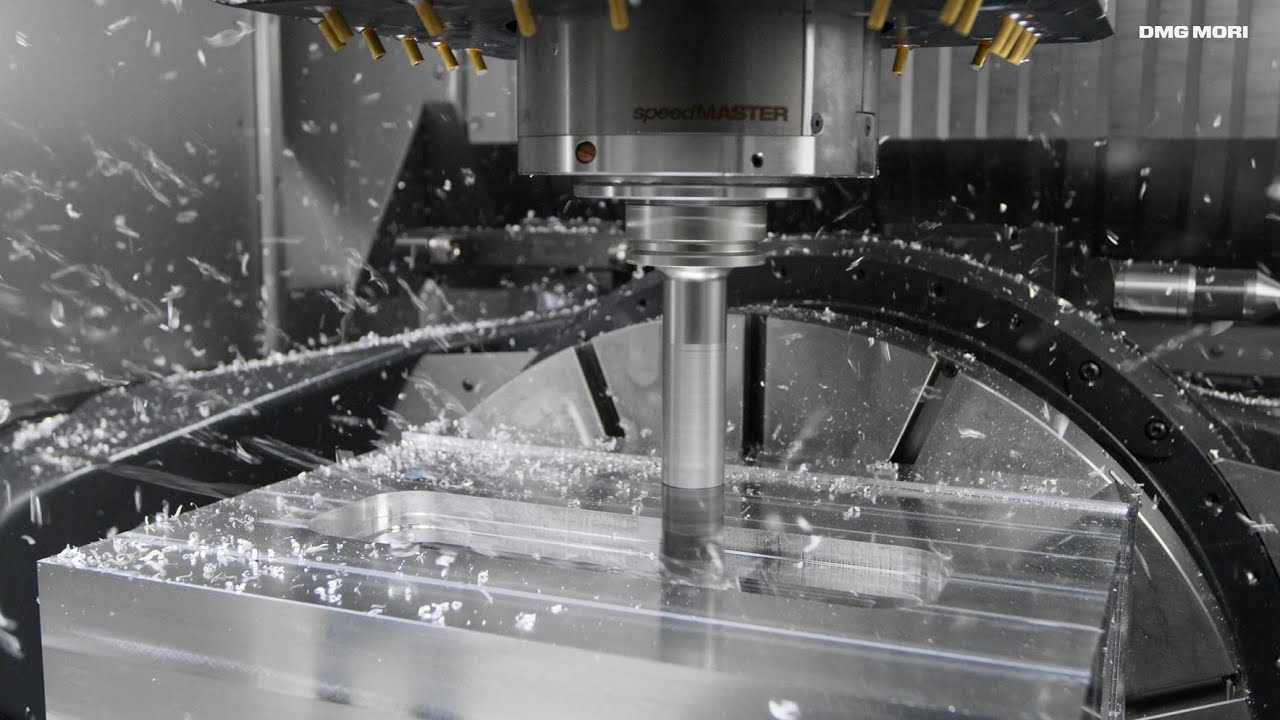
A: The cost difference comes from vastly more complex mechanical design (additional rotary axes), sophisticated CNC control software capable of simultaneous 5-axis interpolation, higher-precision components to maintain accuracy across all axes, and advanced calibration requirements. The value lies in its ability to complete complex parts in fewer setups, saving time and improving accuracy on intricate geometries.
Q4: Can I make a profit with one CNC machine?
A: It’s possible, but challenging. A single machine constitutes a job shop. Success depends entirely on your ability to consistently secure contracts, manage programming/setup/run times efficiently, and handle all business operations (sales, quoting, administration). Profitability is vulnerable to machine downtime.
Q5: When does it make sense to invest in an in-house CNC machine instead of outsourcing?
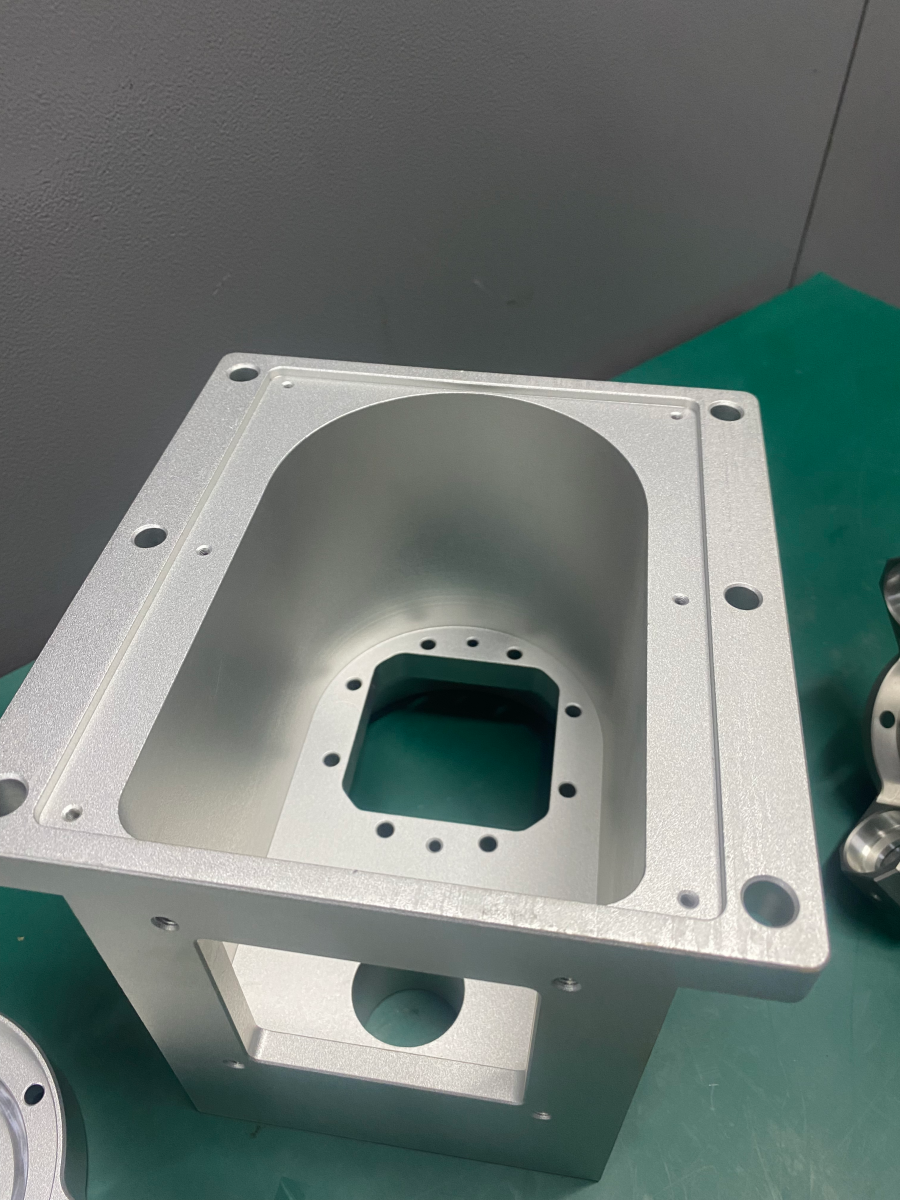
A: Key indicators include: very high, stable production volumes of identical parts; having proprietary designs you cannot risk sharing; extreme urgency where internal control over scheduling is critical; and possessing the in-house technical expertise to program, operate, and maintain the equipment. For most other cases—especially involving mixed volumes, design iterations, or high complexity—outsourcing to a specialist like GreatLight Metal is more efficient and less risky. To see how industry leaders leverage such partnerships, follow the insights on Great Light Metal’s LinkedIn.



















